
Film
The Woman in Green
A 1945 Holmes adventure where mutilated bodies point toward Professor Moriarty's most baroque scheme. Rathbone and Bruce are perfectly matched as the great detective and his befuddled friend, moving through intricate plot mechanics with the ease of men who've done this a hundred times. Lean, efficient, and genuinely fun—the kind of pulp that knows exactly what it is.
If you liked this
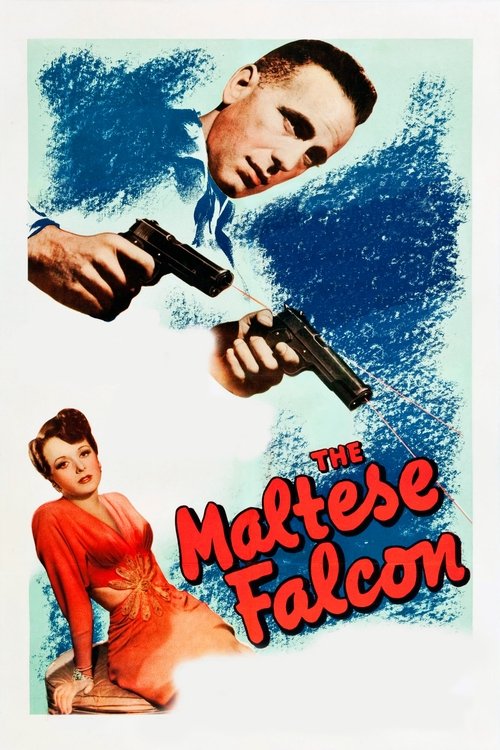
The Maltese Falcon1941
Huston's masterpiece of layered deception and menace. Bogart's Sam Spade has the same analytical edge as Holmes, unraveling a tangled web where everyone lies. A detective story that respects your intelligence and rewards close watching.
But The pacing feels deliberate, even slow by modern standards. Some of the plot turns hinge on exposition delivered in long scenes of talk.
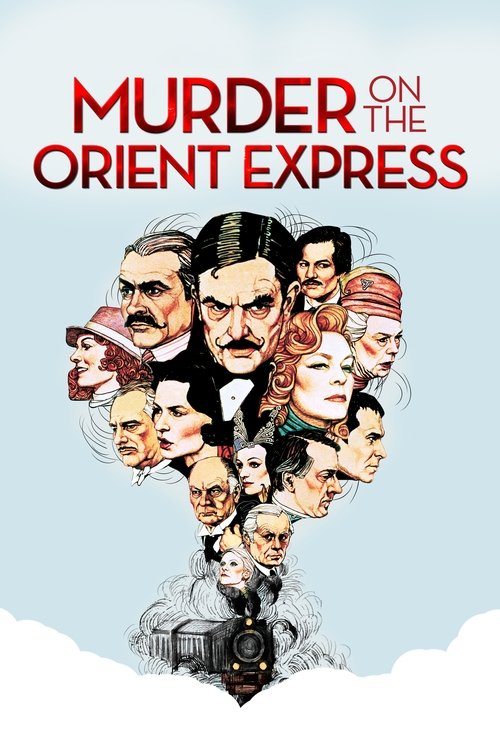
Murder on the Orient Express1974
Agatha Christie's locked-room puzzle with an all-star ensemble cast. Finney's Poirot shares Holmes's deductive showmanship, and the pleasure is in watching him methodically dismantle everyone's alibis. Elegant, intricate plotting.
But The solution relies on you accepting a fairly contrived moral framework. Some viewers find the ending more philosophical than satisfying.
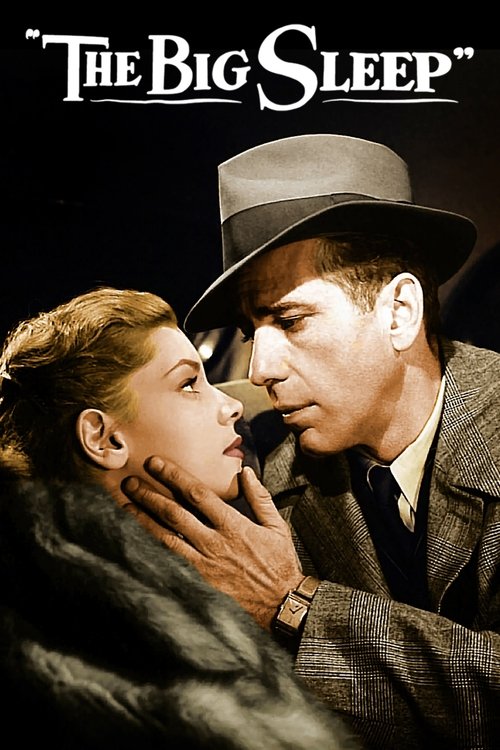
The Big Sleep1946
Bogart and Bacall in Hawks's masterclass of hard-boiled detection. The plot is deliberately labyrinthine—the charm is in the chemistry and dialogue, not clarity. It shares Holmes's pleasure in the intellectual puzzle beneath the violence.
But The story is genuinely confusing, even on repeat viewings. If you need a clean narrative thread, this will frustrate you.
Not sure tonight? Get a pick in a minute, starting from The Woman in Green
The wildcard
Something you would not have found on your own.
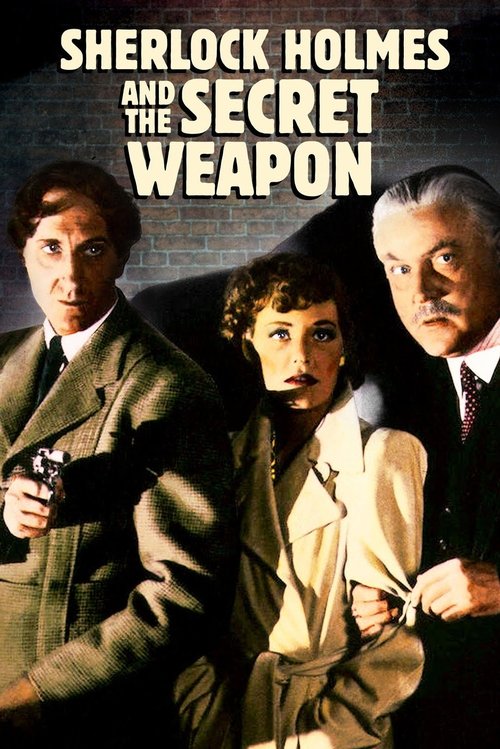
Sherlock Holmes and the Secret Weapon1942
Same lead and supporting actor, same era of Universal's Holmes cycle, but where *The Woman in Green* is a locked baroque puzzle, this one treats the detective as a combatant in an actual conflict.
Rathbone and Bruce again, but here Holmes tangles with Moriarty over a bomb sight during World War II. It's the same pairing and chemistry, but with genuine stakes and a palpable sense of danger. Holmes as active force rather than observer.
But The wartime propaganda elements feel dated and can tip into heavy-handed. The geopolitical context might feel distant compared to *The Woman in Green's* pure puzzle.
More like this (8)
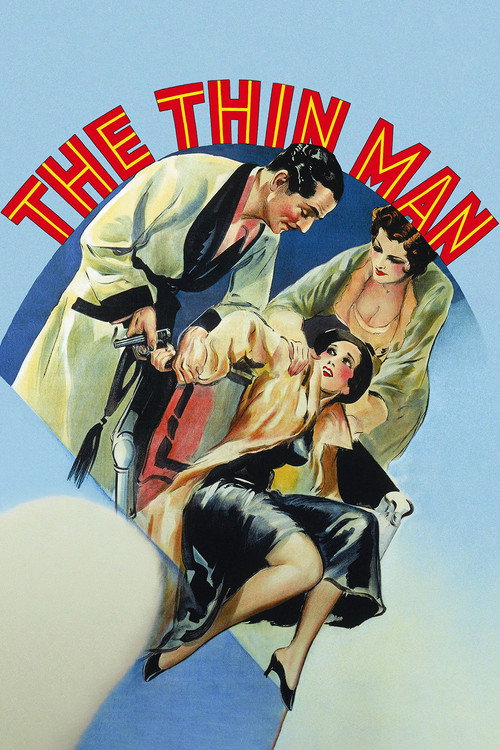
The Thin Man1934
Powell and Loy as a married detective team with actual warmth and wit between them. The mystery is solid, but the real draw is watching two people who actually like each other solve a crime together. Funny, charming, and smart.
But The mystery plot is almost secondary to the banter. If you want a puzzle-focused whodunit, you'll want more investigation and less cocktails.
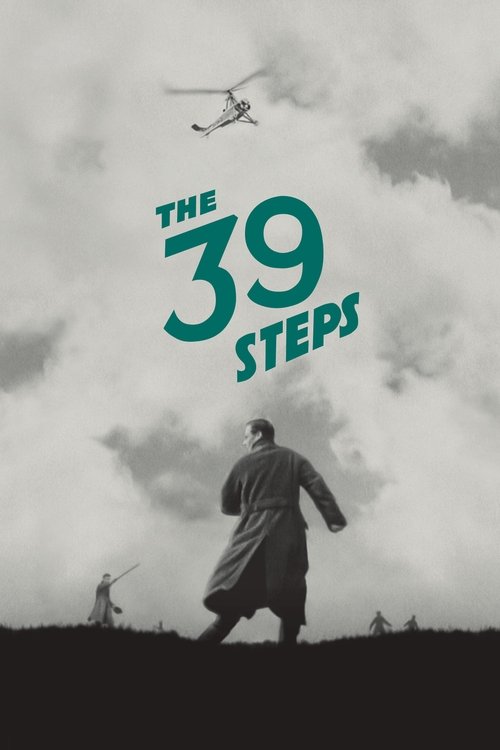
The 39 Steps1935
Hitchcock's masterpiece of wrongful accusation and pursuit. Donat's everyman drawn into espionage has the problem-solving resourcefulness of Holmes, but without the deductive certainty. Tense, inventive, and beautifully constructed.
But The plot logic occasionally serves the set piece rather than the other way around. The ending is resolved almost off-handedly after all that pursuit.
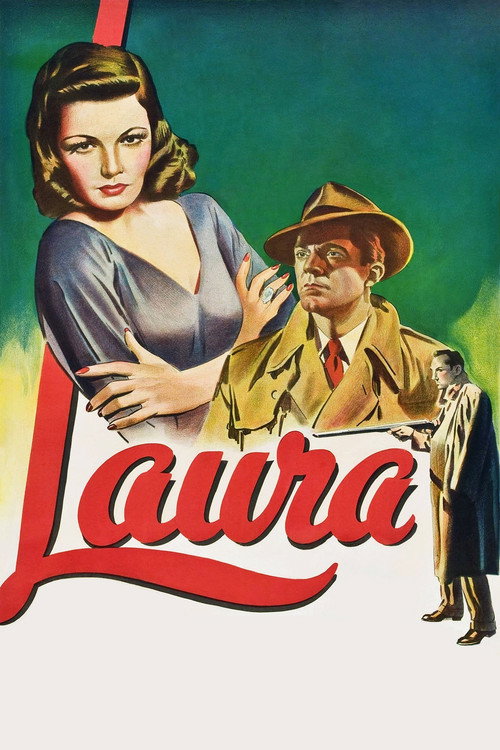
Laura1944
Otto Preminger's noir detective story built on misdirection and obsession. The investigation circles around a dead woman's portrait, and the detective's reasoning is meticulous and cold. A puzzle where the pieces shift beneath you.
But The tone is melancholic and slow-burn. If you want action or clear heroism, this elegant, morally ambiguous mystery won't provide it.
The Asphalt Jungle1950
Huston's heist film that treats criminals with the same analytical eye Holmes brings to cases. The planning, the execution, the small variables that undo everything—it's detective work from the other side. A masterpiece of structure.
But There's no heroic detective to root for, which some find unsettling. The film is sympathetic to its criminals in ways that might feel cynical.

In a Lonely Place1950
Ray's film noir where a detective investigates a murder suspect he's attracted to. Bogart gives a performance of controlled menace, and the detective work is secondary to the psychological complexity. Noir at its most unsettling.
But The protagonist is deeply unlikeable, and the film doesn't ask you to forgive that. The ending offers no catharsis or resolution to the central relationship.

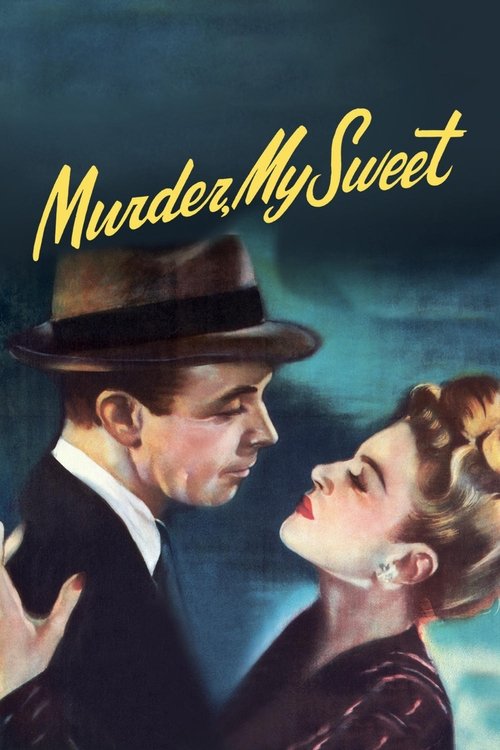
Murder, My Sweet1944
Chandler's detective story with Powell as Marlowe, navigating a Los Angeles maze of blackmail and deception. The plotting is intricate, the dialogue snaps, and the world-weary confidence recalls Holmes's analytical composure.
But The second half becomes more plot-heavy and less fun. Some find the late-film complications bury the character work that made the first half sing.
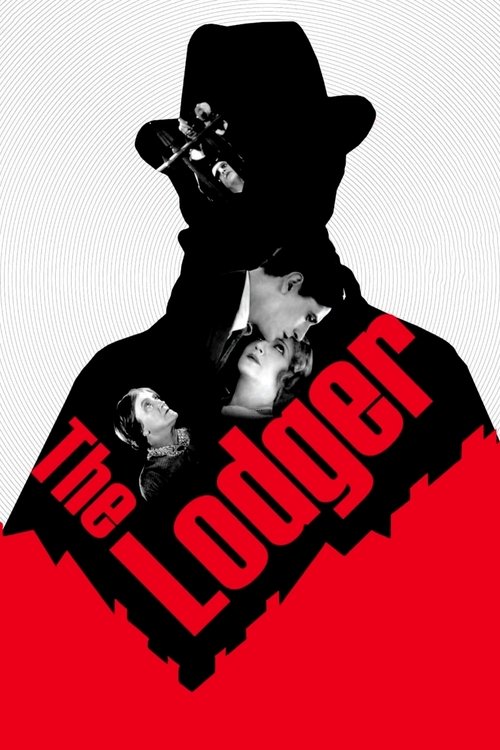
The Lodger: A Story of the London Fog1927
Both are London murder mysteries, but *The Lodger* approaches the same material with Expressionist dread rather than puzzle-box plotting. Where Holmes breaks the case through reasoning, Hitchcock breaks the viewer through mood.
Hitchcock's silent Jack-the-Ripper thriller, built on suspicion and the fear of the unknown next door. It shares *The Woman in Green's* obsession with a killer loose in London, but generates dread through visual storytelling and ambient menace rather than plot exposition.
But It's silent, which requires adjustment. The pacing is glacial by modern standards, and much of the impact depends on your willingness to sit with long stretches of atmosphere.
M1931
Same premise—a killer mutilating victims, the hunt through a city—but where *The Woman in Green* is escapist puzzle entertainment, *M* is a descent into the machinery of justice and mob violence. Different eras, different continents, utterly different register.
Lang's German thriller about a child killer hunted by both police and the criminal underworld. It has the same serial-murder engine as *The Woman in Green*, but interrogates the investigation itself—the mob justice, the hysteria, the question of what catching a killer actually means.
But It's bleak and morally complex rather than comforting. There's no satisfying detective triumph, only a sickened recognition of the cycle continuing. The subject matter is genuinely disturbing.

People
Cast
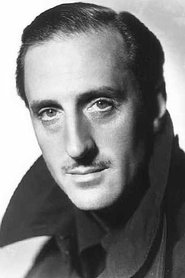 Basil RathboneSherlock Holmes
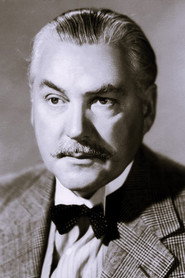 Nigel BruceDr. John Watson
 Hillary BrookeLydia Marlowe
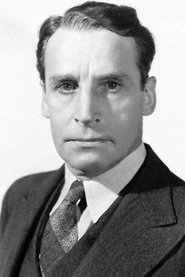 Henry DaniellProfessor James Moriarty
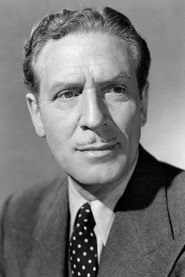 Paul CavanaghSir George Fenwick
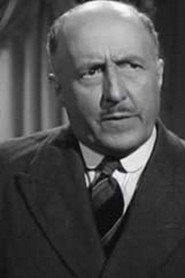 Matthew BoultonInspector Gregson
 Eve AmberMaude Fenwick
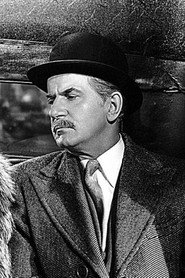 Frederick WorlockDr. Onslow
- Percival VivianDr. Simnell
 Coulter IrwinCorporal Williams
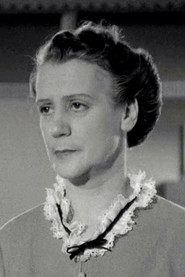 Sally ShepherdCrandon
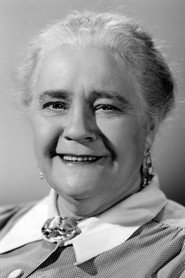 Mary GordonMrs. Hudson
Directing
- Melville ShyerAssistant Director
- Roy William NeillDirector
Writing
- Arthur Conan DoyleNovel
- Bertram MillhauserScreenplay
Production
- Roy William NeillProducer