
Film
Sherlock Holmes and the Secret Weapon
A 1942 wartime thriller where Rathbone's Holmes tangles with Moriarty over a stolen bomb-sight during WWII. Brisk, clever, and lean—68 minutes of pure plot momentum. It's pulp entertainment that knows exactly what it is: the world's greatest detective doing his job while bombs fall outside. Perfect if you want mystery without pretension.
If you liked this
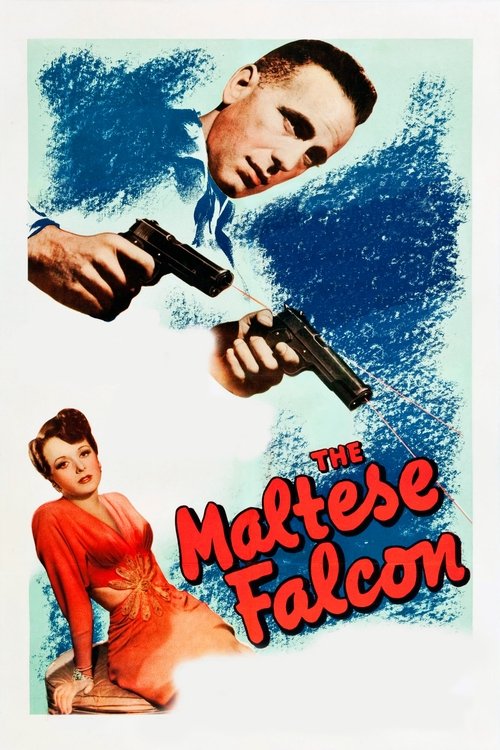
The Maltese Falcon1941
Bogart, danger, and double-crosses in wartime. Same lean efficiency as Holmes—no fat, all propulsion. If you love a mystery that moves like this, Huston's masterpiece is the obvious next stop.
But It's been canonized to death. You may feel like you've already seen it through cultural osmosis, which would be a shame.
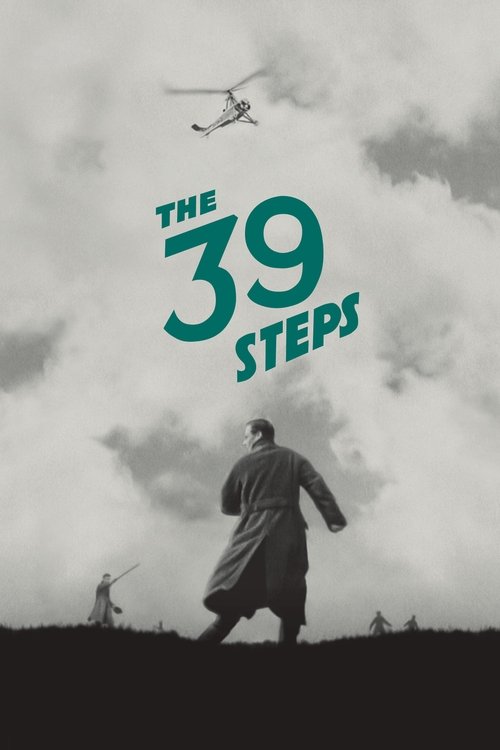
The 39 Steps1935
Hitchcock's spy thriller has that same wartime paranoia and wronged-man energy. Chase, deception, a ticking-clock plot. It's the template that Holmes is following here, just with more style and verve.
But Pacing feels glacial if you're used to modern editing. It breathes in ways that can feel like stalling.
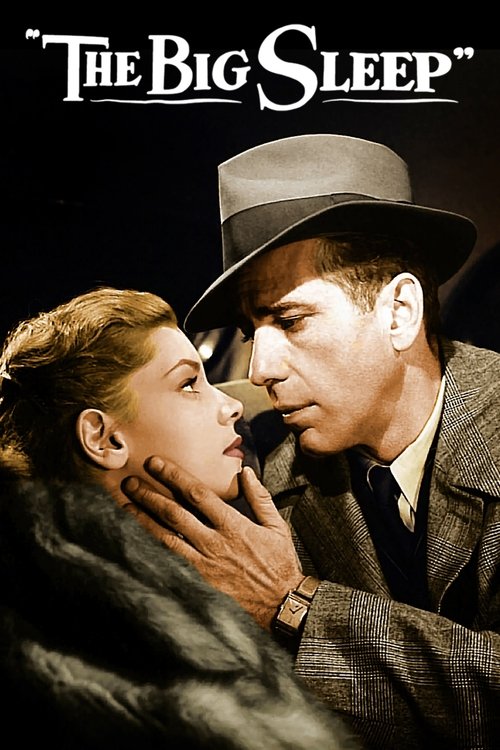
The Big Sleep1946
Bogart and Bacall in noir mystery mode—similar vibe of someone brilliant untangling a web of lies. Sexy, witty, endlessly watchable. Pure entertainment that happens to be really smart.
But The plot barely holds together and nobody cares. If narrative clarity matters to you, this will drive you up the wall.
Not sure tonight? Get a pick in a minute, starting from Sherlock Holmes and the Secret Weapon
The wildcard
Something you would not have found on your own.
The Third Man1949
Both turn WWII-era espionage into a stage for intellectual game-playing, except The Third Man believes the game is rigged and no one's quite what they seem.
Reed's postwar Vienna is a maze of betrayal and unclear loyalties. The mystery unfolds sideways—what you're actually investigating keeps shifting. Same wartime paranoia as Holmes, but existential dread replaces wit.
But Deliberately frustrating. Answers emerge slowly and incompletely. You won't feel satisfied in the way a puzzle should be satisfied.

More like this (8)
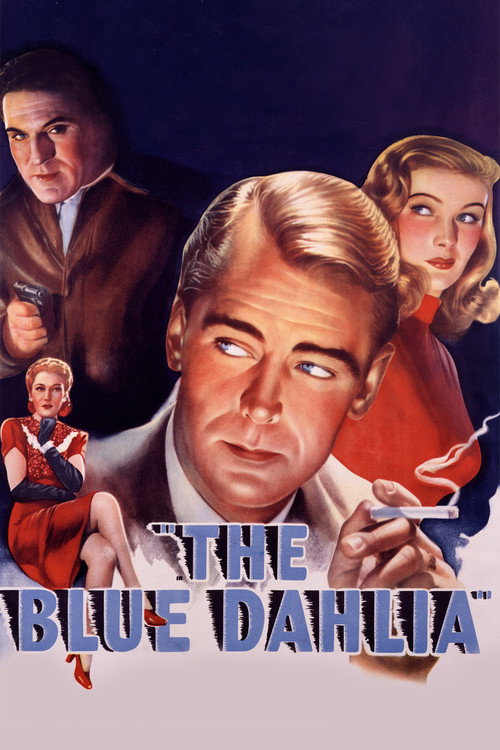
The Blue Dahlia1946
Chandler-scripted noir with the same WWII framing, returning soldiers, and crisp mystery-solving. Veronica Lake and Alan Ladd are magnetic. It's slick, tight, and oddly moving beneath the cynicism.
But Chandler's original ending was reshot for the studios. The compromise shows. It never quite coheres the way it should have.
The Asphalt Jungle1950
Huston again, this time with a heist that unfolds like clockwork. Each player has their angle, the plot is meticulously constructed. If you like watching a perfect machine work, this is it.
But Very slow burn. Nothing happens quickly, which is the point, but it can feel airless if you wanted more velocity.

In a Lonely Place1950
Ray's psychological thriller about a man accused of murder—clever, twisty, with Bogart as someone who might actually be guilty. Mystery stripped of quaintness, heavy with real darkness and doubt.
But Relentlessly bleak. There's no light relief, no wit to undercut the dread. It's exhausting in a way that's earned but still exhausting.

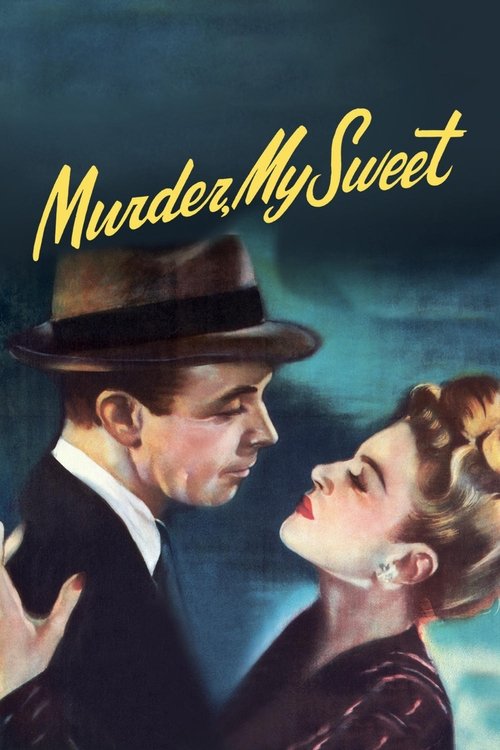
Murder, My Sweet1944
Powell narrates from a detective's chair while the mystery spirals into genuine surrealism. Chandler's own adaptation—fractured, gorgeous, and dizzyingly complex. High-wire act of a mystery.
But Baroque and overstuffed compared to Holmes's clarity. If you want straightforward detection, this goes baroque on you.
The Killers1946
Siodmak's masterpiece: two hired killers show up, and suddenly everything unravels. Elegant construction, beautiful lighting, Ava Gardner. A mystery that asks why, not whodunit.
But Slow-paced by modern standards. The second half loses some momentum. Doesn't quite sustain the opening's energy.

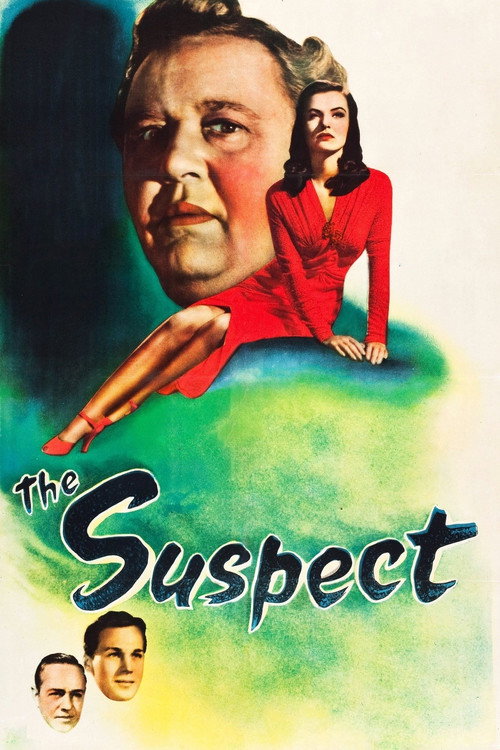
The Suspect1945
A man suspects his wife's lover is behind a murder. Intricate psychology, solid construction, and Cary Grant doing restrained uncertainty. A locked-room mystery with real emotional stakes underneath.
But Lesser-known for a reason. It works but doesn't sing. Solidly crafted rather than inspired, which might feel like treading water.
The Killing1956
Both are about perfect plans meeting the chaos of human nature—elaborate detective work and criminal machinery both undone by small human failures.
Kubrick's racetrack heist told from multiple angles—a chess game where we see every piece moving simultaneously. Ingenious structure, economical storytelling, suspense built from pure architecture rather than action.
But Very talky and slow. Modern audiences raised on quick cuts might find it glacial. The non-linear structure can feel mannered on first viewing.

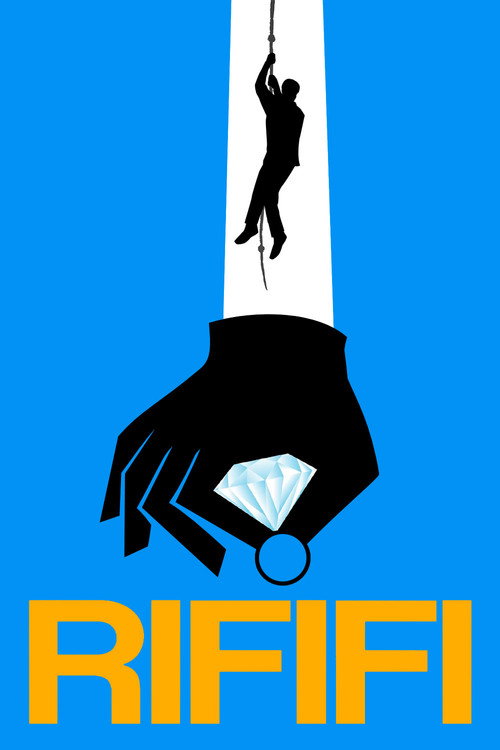
Rififi1955
Both believe that precise, methodical thinking—whether detective work or criminal planning—is beautiful to watch in motion, and that the smallest detail matters.
Dassin's French heist masterpiece has the same mechanical precision as Holmes solving a puzzle, except it's criminals executing perfection. A 30-minute wordless sequence of pure visual storytelling. Elegant, tense, adult.
But French film, 68 minutes, minimal dialogue in places. If you want something immediate and English-language comfortable, this asks too much effort upfront.
People
Cast
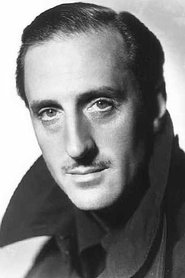 Basil RathboneSherlock Holmes
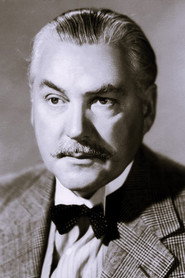 Nigel BruceDoctor Watson
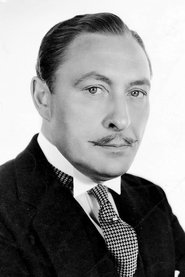 Lionel AtwillProfessor Moriarty
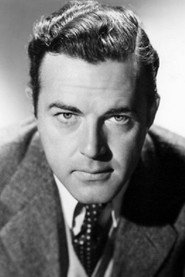 William Post Jr.Dr. Franz Tobel
 Kaaren VerneCharlotte Eberli
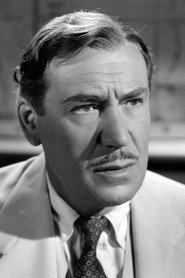 Dennis HoeyInspector Lestrade
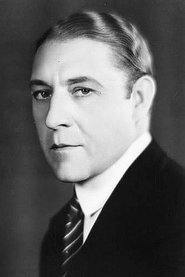 Holmes HerbertSir Reginald
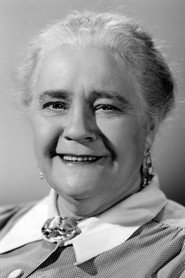 Mary GordonMrs. Hudson
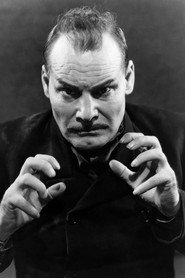 Harry CordingJack Brady (uncredited)
- Harold De BeckerPeg Leg (uncredited)
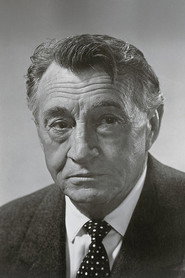 Paul FixMueller (uncredited)
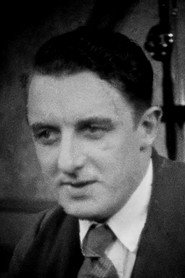 Henry VictorProfessor Frederic Hoffner (uncredited)
Directing
- Roy William NeillDirector
Writing
- Edward T. Lowe Jr.Adaptation
- Scott DarlingAdaptation
- Edmund L. HartmannScreenplay
- Edward T. Lowe Jr.Screenplay
- Scott DarlingScreenplay
- Arthur Conan DoyleStory
Production
- Howard BenedictAssociate Producer