
Film
The Blue Dahlia
A postwar noir about a navy veteran framed for his unfaithful wife's murder. Alan Ladd and Veronica Lake crackle with tension as he hunts the real killer while the cops close in. It's a taut, smartly plotted thriller that captures the disillusionment of returning soldiers in a world that's moved on without them. Essential 1940s entertainment.
Should you watch it?
Watch it if you like postwar noir where the dialogue does the heavy lifting, a wisecracking hero drifting through after-hours Los Angeles, and a plot that trusts you to keep up.
Skip it if you want a tidy whodunit, since the plotting is loose and the romance and rough-edged banter often matter more than the puzzle.
What it asks of you: A brisk ninety-nine minutes, with a slow-burn mood of tension and drink and a lot of talk; it rewards sitting back rather than tracking every clue.
Not sure? Find tonight's pick in a minute.
If you liked this
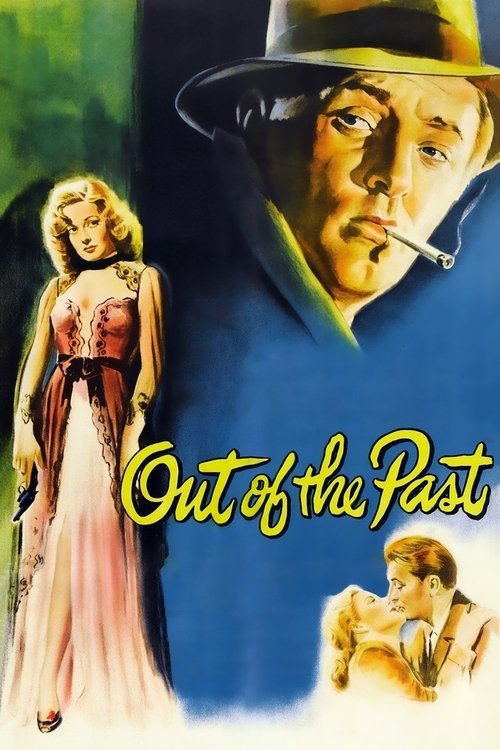
Out of the Past1947
The definitive postwar noir: a drifter drawn back into a deadly past by a woman and a job that can't end well. Every frame is composed like a painting, every line of dialogue matters, and Robert Mitchum is mesmerizing.
But The plot is complex and deliberately murky—you have to stay focused, and some threads don't resolve the way modern audiences expect.
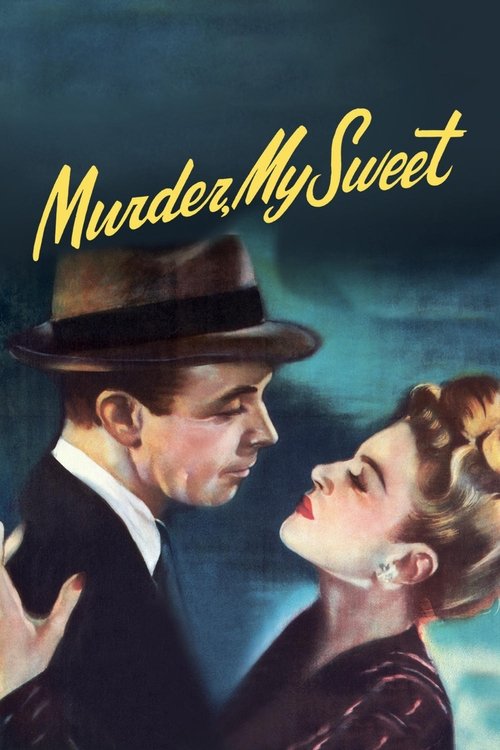
Murder, My Sweet1944
Dick Powell as a down-on-his-luck pianist hired to find a missing girl, pulled into a labyrinth of blackmail and violence. Brutal, cynical, and visually stunning—this is noir at its peak.
But It's fatalistic and dark in a way that offers no comfort. The femme fatale destroys everyone, and there's no redemption waiting.
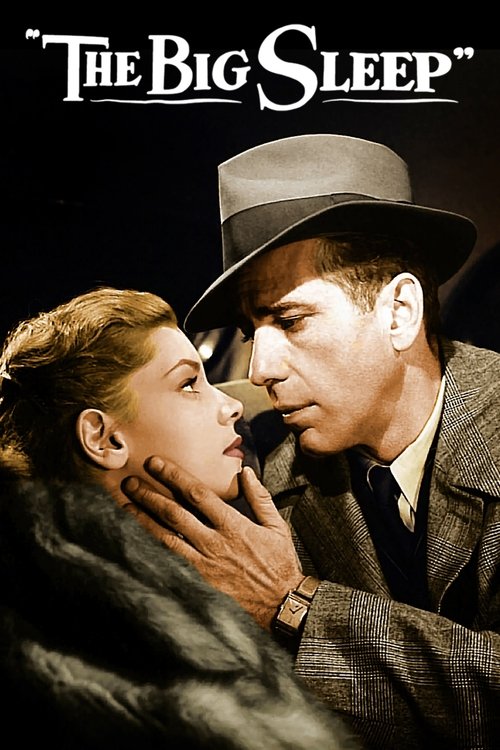
The Big Sleep1946
Bogart and Bacall in a twisty mystery where the plot barely matters because their chemistry is incendiary. Witty, sultry, endlessly rewatchable—pure Hollywood craft and movie-star magnetism.
But The plot is genuinely impossible to follow. Even the writers didn't know who killed the chauffeur, and it shows.
Not sure tonight? Get a pick in a minute, starting from The Blue Dahlia
The wildcard
Something you would not have found on your own.
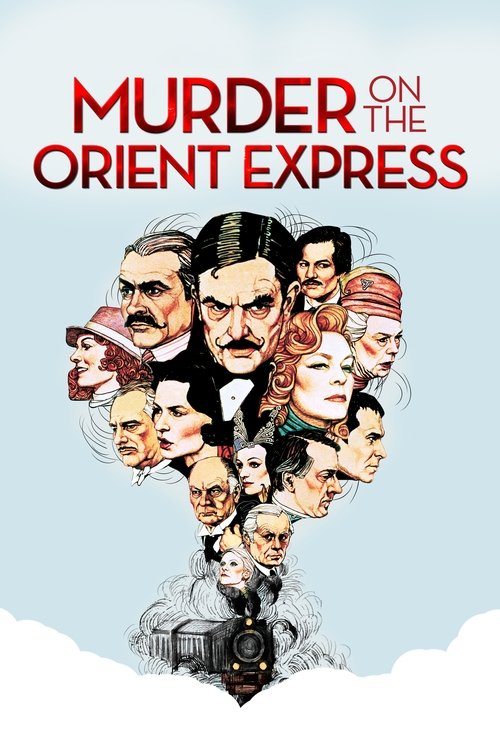
Murder on the Orient Express1974
Both turn on a veteran returning to a world corrupted by war. Both are mysteries where the surface suspect isn't the answer, and both explore how violence—and justifiable revenge—changes a society that's supposed to have rules.
A locked-room mystery where the detective (Hercule Poirot, fastidious and brilliant) must untangle a murder with twelve suspects and no escape. Agatha Christie's architecture is perfect, and Lumet directs with elegance.
But It's a drawing-room puzzle, not a noir. The tone is mannered and the violence is offscreen. If you want grit and moral ambiguity, this trades both for intellectual satisfaction.
More like this (8)
The Killers1946
Burt Lancaster's film debut is a masterclass in visual storytelling. Two hitmen arrive to kill a man, then the film spirals backward through time and corruption. Stylish and propulsive.
But It's less interested in character than in plotting and mood. The femme fatale is more symbol than person.

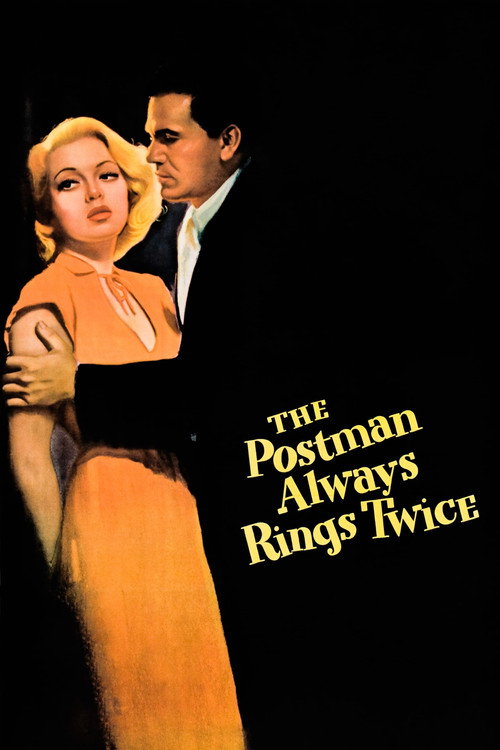
The Postman Always Rings Twice1946
John Garfield and Lana Turner burn through a story of lust, murder, and betrayal so potent it was scandalous for 1946. Carnal and thrilling in a way that still shocks.
But It's lurid and morally squalid. If you want sympathetic characters or noble intentions, look elsewhere.
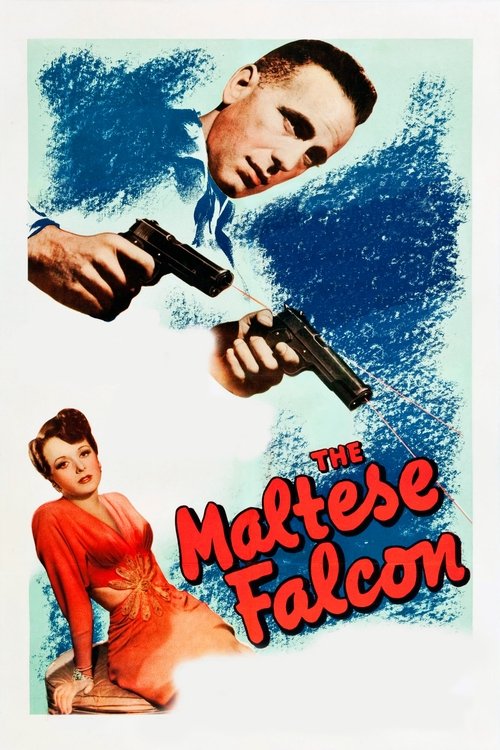
The Maltese Falcon1941
Humphrey Bogart defined the hard-boiled detective: smart, cynical, unbreakable. The plot is a maze of double-crosses, the dialogue is sharp, and Bogart makes it seem effortless.
But The pacing is deliberate and the resolution hinges on a macguffin nobody really cares about. It's about the man and the style, not the mystery.
In a Lonely Place1950
Humphrey Bogart as a volatile screenwriter accused of murder—a role that lets him be angry and desperate instead of cool. Ray directs with psychological depth that most noirs never touch.
But It's bleaker than it looks. The ending is devastating, and the film's view of Hollywood and human nature is corrosive.

The Asphalt Jungle1950
The ur-heist film: a jewel robbery that goes wrong, told with documentary precision and genuine pathos. Huston directs with clarity and attention to working men who make small mistakes.
But The heroes are criminals. If you need to root for the good guys, this won't deliver that satisfaction.

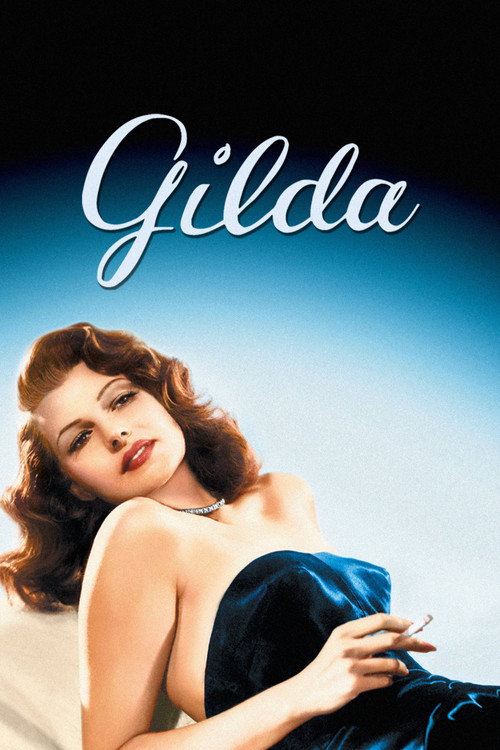
Gilda1946
Rita Hayworth in one of cinema's most magnetic performances, opposite Glenn Ford in a triangle of desire and betrayal in post-war Argentina. Glamorous, seductive, and darker than it appears.
But The misogyny is baked in. Hayworth's character is punished for being sexual in ways that feel ugly by modern standards.
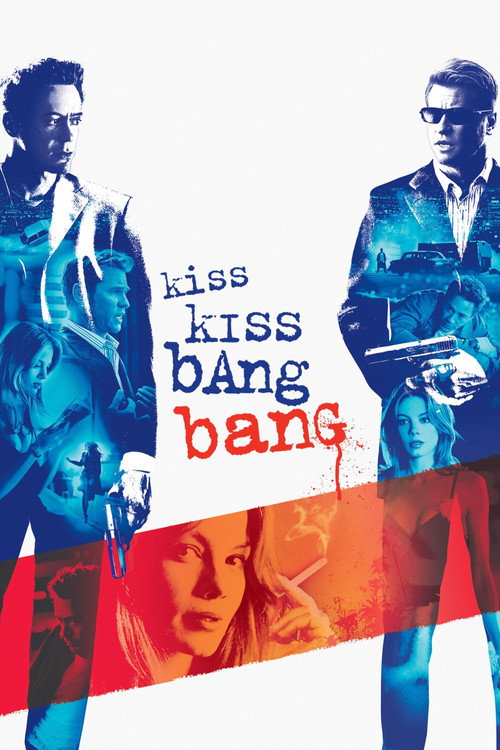
Kiss Kiss Bang Bang2005
Both are tales of men framed or pursued for murders they didn't commit in corrupt cities where the real criminals hold power. Both understand that in the noir world, innocence isn't a defense—it's a liability.
Shane Black's screenplay about a thief in LA who becomes a movie extra and stumbles into a real murder case. It's funny and cruel, metafictional and thrilling, with dialogue that crackles and characters you actually care about.
But It's cynical about Hollywood in ways that can feel performative. Some will find the tone tonal—swinging between comedy and violence without warning. It's shaggy where noir is tight.
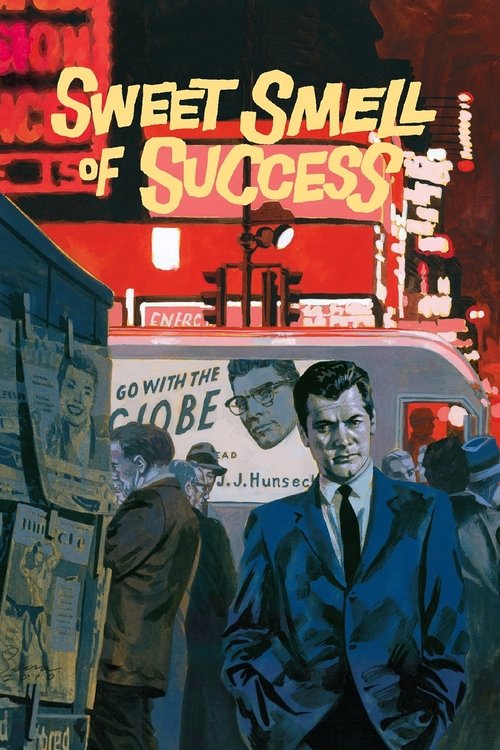
Sweet Smell of Success1957
Both explore postwar moral decay through the eyes of men ensnared by circumstance and other people's desires. Both suggest that in this world, trying to stay clean is the only move that destroys you.
A press agent and a gossip columnist locked in a symbiotic dance of corruption and manipulation in 1950s Manhattan. The dialogue is Shakespearean-bilious, the cinematography is all shadow and angles, and it ends in genuine tragedy.
But It's baroque and difficult. The characters are actively repellent, the plot takes time to cohere, and there's no one to root for. It demands patience and reads as a bit precious.
People
Cast
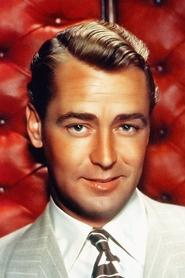 Alan LaddJohnny Morrison
 Veronica LakeJoyce Harwood
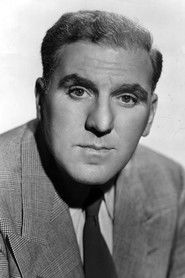 William BendixBuzz Wanchek
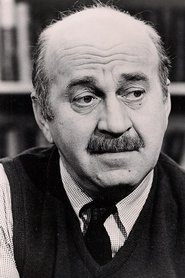 Howard Da SilvaEddie Harwood
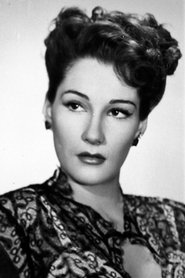 Doris DowlingHelen Morrison
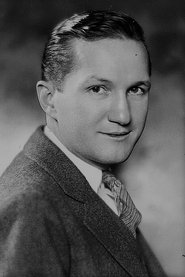 Tom PowersCapt. Hendrickson
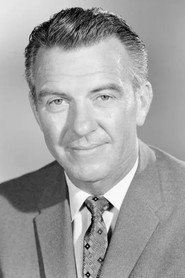 Hugh BeaumontGeorge Copeland
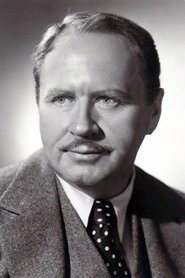 Howard FreemanCorelli
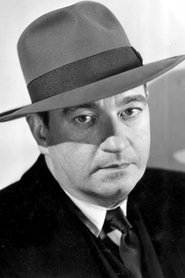 Don CostelloLeo
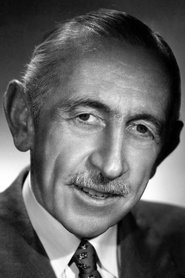 Will Wright"Dad" Newell
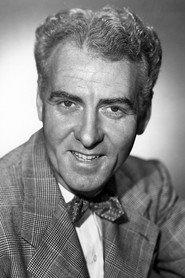 Frank FaylenMan Recommending Motel
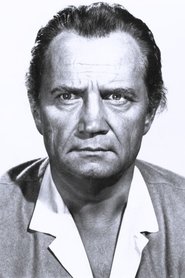 Walter SandeHeath
Directing
- Charles C. ColemanAssistant Director
- George MarshallDirector
- LaPrele HallScript Supervisor
- James A. RosenbergerSecond Assistant Director
- Tex HarrisSecond Assistant Director
Writing
- Raymond ChandlerScreenplay
Production
- Andrew J. DurkusAssistant Production Manager
- Robert MayoCasting
- John HousemanProducer
- George Thomas Jr.Publicist
- Roy BurnsUnit Manager
Recommended by
The Glass Key, This Gun for Hire, Singapore, The Unfaithful, Sherlock Holmes and the Secret Weapon, The Gay Falcon, The Kennel Murder Case, His Kind of Woman