
Film
His Kind of Woman
A 1951 crime caper that bounces between film noir and screwball comedy with genuine panache. Robert Mitchum plays a gambler hired to disappear to Mexico, where a resort full of deception and double-crosses waits. It's genuinely funny without winking, tense without pretension, and powered by Mitchum's sleepy charisma and Jane Russell's electric presence.
If you liked this
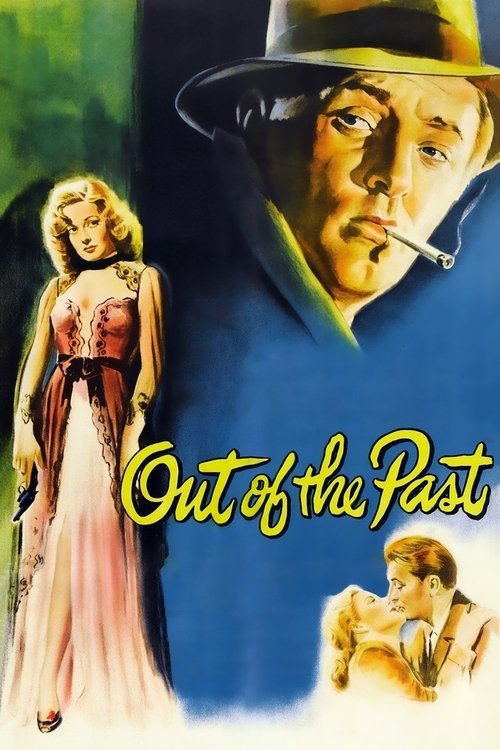
Out of the Past1947
The definitive Mitchum noir: world-weary, beautifully shot, with a fatalistic plot that spirals from one terrible decision. If you love *His Kind of Woman*'s darker undertones, this is where Mitchum perfected the tired-but-capable act.
But Purely noir, no laughs. The pace is deliberate and the mood is bleak—some find it too slow or too sad.
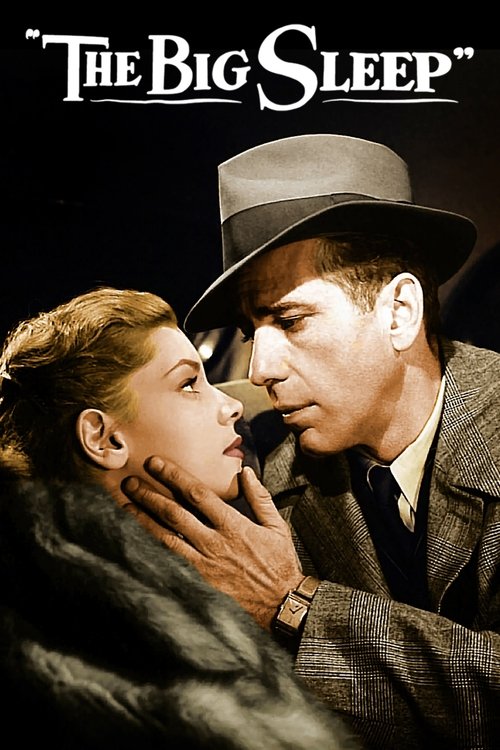
The Big Sleep1946
Bogart and Bacall in a crime plot so convoluted it barely matters; what matters is the crackling chemistry and the filmmaking confidence. Same era, same irreverent energy as *His Kind of Woman*.
But The plot is genuinely hard to follow and does not resolve clearly. It rewards rewatching or not caring what happens next.
The Killers1946
Burt Lancaster's debut in a tight, violent noir about a death that echoes backward. Directed by Robert Siodmak with real style and menace. Proves the era knew how to tell a tight crime story in two hours.
But Darker and more serious than *His Kind of Woman*—no comedic relief, mostly grim. Some violence is sudden and brutal for 1946.

Not sure tonight? Get a pick in a minute, starting from His Kind of Woman
The wildcard
Something you would not have found on your own.
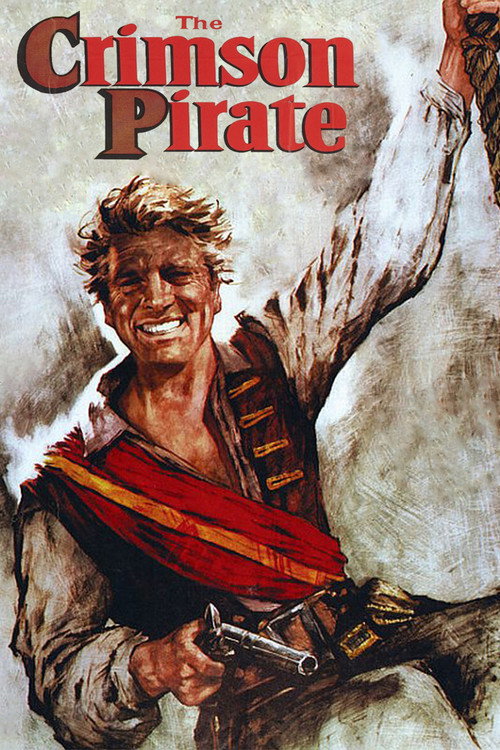
The Crimson Pirate1952
Both are crime pictures that refuse to be purely cynical. Both heroes are charming con men who stumble into real danger and survive through wits and luck. Both films trust the audience to enjoy genre without self-consciousness.
Burt Lancaster as a swashbuckling rogue who cons, fights, and seduces his way through the Caribbean with infectious joy. It's *His Kind of Woman*'s closest cousin—a caper that refuses to choose between adventure, comedy, and genuine thrills.
But Borderline campy tone and whimsical action scenes; some find it too light and too in love with its own charm. Lancaster's relentless optimism is not everyone's speed.
More like this (7)
The Asphalt Jungle1950
The heist film that taught everyone else how to do it. Huston's ensemble craft is immaculate, and the moral ambiguity feels earned. An immediate predecessor to *His Kind of Woman* that shares its cynical view of crime.
But Glacial pacing and a large cast means some characters barely register. The ending is stark and offers no comfort.

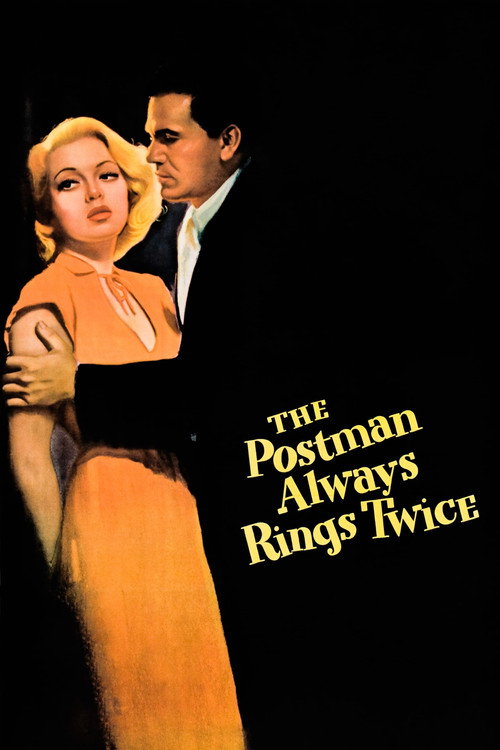
The Postman Always Rings Twice1946
Lana Turner and John Garfield in a steamy, violent love affair wrapped in a murder scheme. Raw and sexy in ways 1951 Mitchum films only hint at; the corruption runs through everyone.
But Heavy-handed symbolism and a moralistic conclusion undercut the transgression. The film is aware of how scandalous it's trying to be.
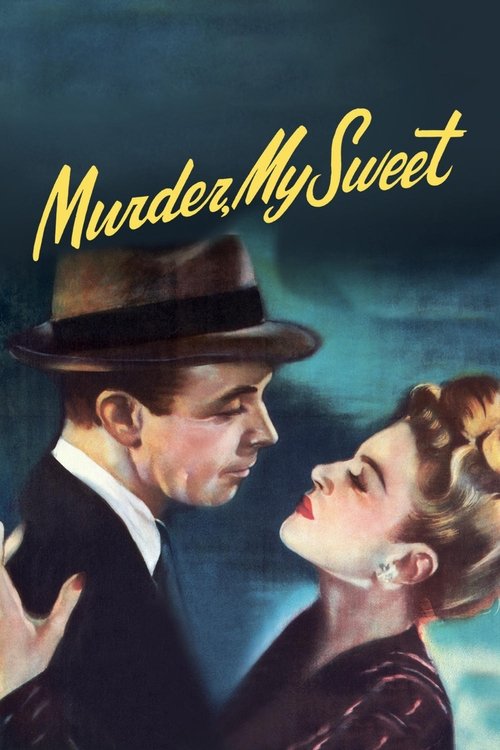
Murder, My Sweet1944
Dick Powell in a full noir immersion—hired to do one small thing, dragged into a nightmare. Chandler's world brought to life with real visual flair and a great performance from an actor best known for musicals.
But Convoluted plot with characters whose names blur together. You may need a second viewing to understand who was who.
In a Lonely Place1950
Bogart as a violent, volatile screenwriter accused of murder. Ray's direction is gorgeous and unsettling; the film questions whether the hero is even sympathetic. Morally darker than it appears.
But Bleak and cynical about human nature. The romance doesn't feel like a rescue and the ending is genuinely sad.

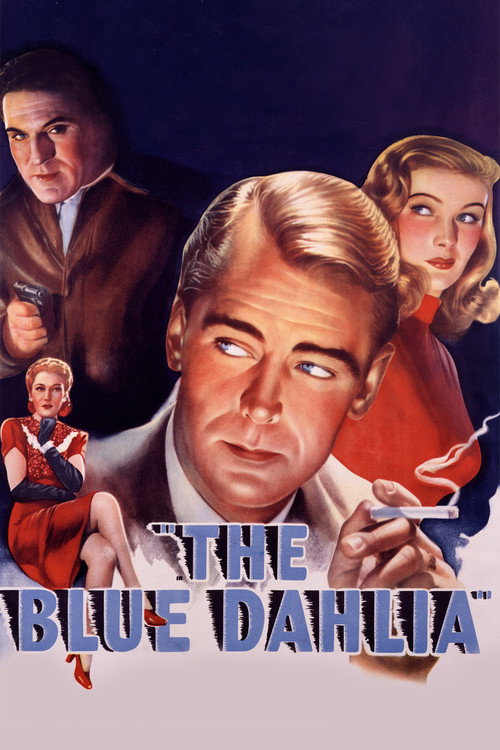
The Blue Dahlia1946
Alan Ladd returns from war to find his wife murdered. Chandler's script is clever, the noir is stylish, and the frame-up is genuinely twisty. A solid post-war murder puzzle with style to spare.
But Feels a little more straightforward and less layered than the best of the era. The resolution is somewhat neat.
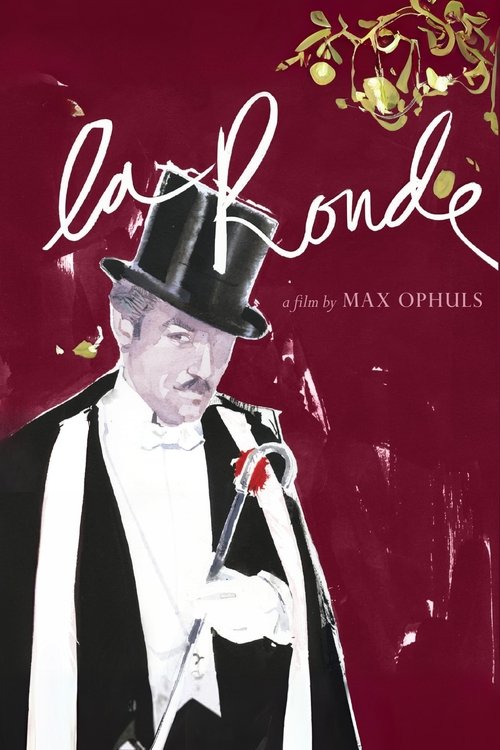
La Ronde1950
Both films locate the same truth: everyone lies, everyone wants something, and charm is the currency of survival. *His Kind of Woman* tells this as a heist; *La Ronde* tells it as a waltz. Same dance, different tempo.
Max Ophüls' Austrian masterpiece: a circle of seductions and betrayals traced across Vienna, each scene a perfect pas de deux of desire and deception. Morally reckless, visually rapturous, and funny in a way that makes you uncomfortable.
But In French (subtitled), slow-burn, and philosophically bleak. The sexual politics are of 1950; some modern viewers find them dated. No plot momentum, only human behavior.
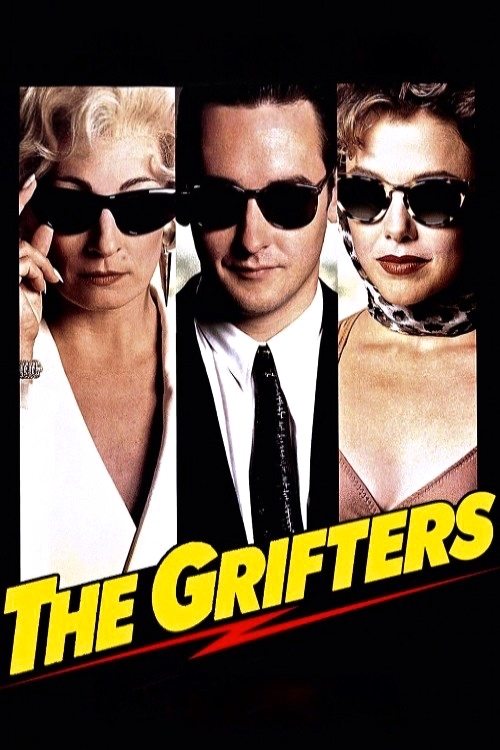
The Grifters1990
Same DNA: a gambler in over his head, hired for one job, caught between criminals. But *The Grifters* strips away the charm and romance; it shows what that life actually costs. A companion piece, not a remake—what *His Kind of Woman* teases, this makes real and ugly.
Stephen Frears' tight, vicious remake of the con-artist novel. John Cusack, Annette Bening, and Angelica Huston in a three-way game of deception and theft. Modern and moral in ways 1951 couldn't be, but spiritually descended from *His Kind of Woman*.
But Much darker and meaner-spirited than the 1951 film. The ending is genuinely misanthropic. Bening and Huston's scenes are sexually explicit and predatory.
People
Cast
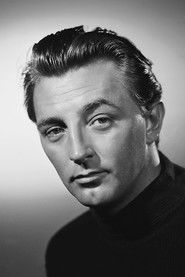 Robert MitchumDan Milner
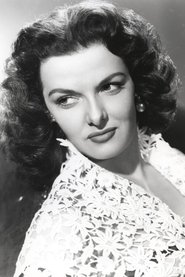 Jane RussellLenore Brent
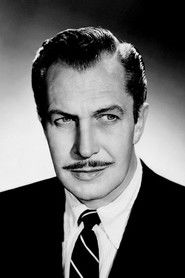 Vincent PriceMark Cardigan
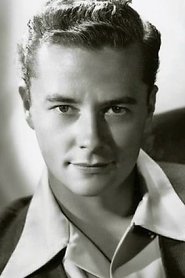 Tim HoltBill Lusk
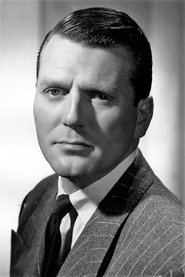 Charles McGrawThompson / Narrator
 Marjorie ReynoldsHelen Cardigan
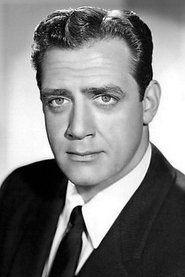 Raymond BurrNick Ferraro
 Leslie BanningJennie Stone
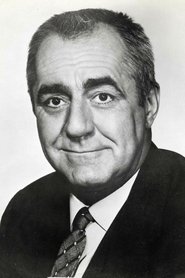 Jim BackusMyron Winton
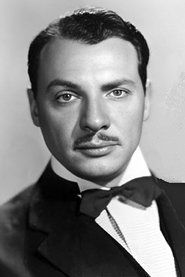 Philip Van ZandtJose Morro
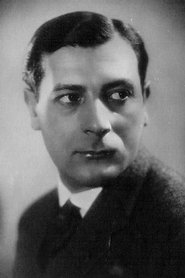 John MylongMartin Krafft
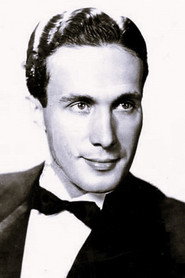 Carleton G. YoungGerald Hobson
Directing
- Frank BaurAssistant Director
- Sam RumanAssistant Director
- John FarrowDirector
Writing
- Gerald Drayson AdamsStory
- Frank FentonWriter
- Jack LeonardWriter
Production
- Howard HughesExecutive Producer
- John FarrowProducer
- Robert FellowsProducer
- Robert SparksProducer