
Film
The Unfaithful
A 1947 noir-inflected domestic drama where a woman's lie about a killing spirals into moral reckoning. Ann Sheridan carries the film as Christine, caught between self-preservation and conscience. It's a taut chamber piece about how one small falsehood can corrode a marriage from within, examining fidelity—emotional as much as physical—with real ambivalence.
Should you watch it?
Watch it if you like postwar noir where the moral fog thickens around a polished, controlled woman and the courtroom talk does as much work as the sets.
Skip it if you want brisk plotting, since this is a slow, talky film where the dread builds through dialogue and glances rather than action.
What it asks of you: Running 109 minutes, it moves at a measured pace, lingering in long conversations and keeping its emotional temperature cool, so it asks for patience more than quick reactions.
Not sure? Find tonight's pick in a minute.
If you liked this
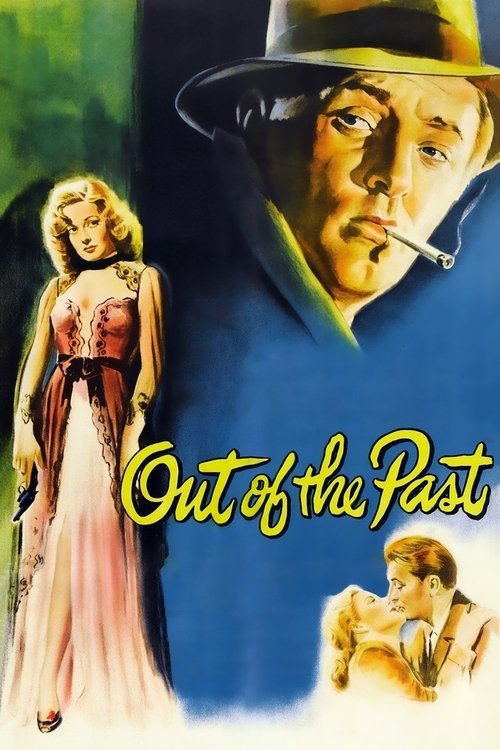
Out of the Past1947
Released the same year, this is noir perfection: a man ensnared by a woman's deception, shadowy cinematography, and moral ambiguity that refuses easy answers. A masterclass in fatalistic storytelling.
But If you want a hero, you won't find one here. The pacing is deliberate, and the cynicism can feel suffocating if you're seeking hope.
The Killers1946
Burt Lancaster's debut in a tightly wound thriller about secrets and betrayal. The narrative structure fractures to reveal truth gradually, much like *The Unfaithful* peels back layers of deception.
But The detective framing device feels dated now. Some scenes drag, and the ending may feel too neat compared to the moral messiness that comes before.

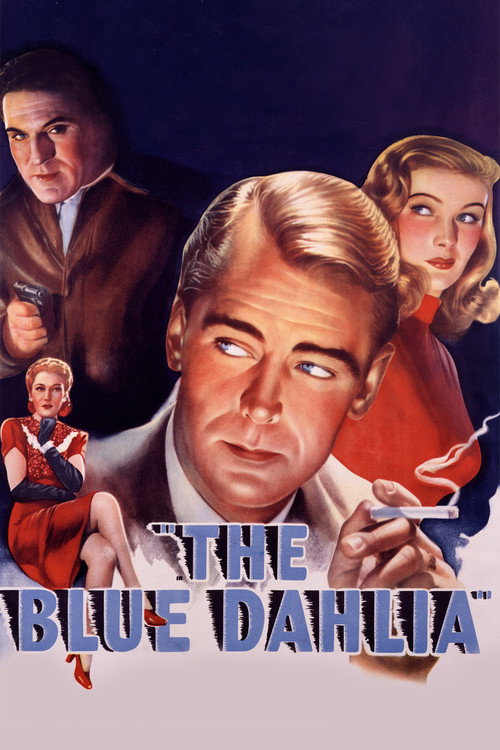
The Blue Dahlia1946
Veronica Lake and Alan Ladd in a marriage-threatening mystery where nothing is quite what it seems. Smart dialogue and real chemistry between leads who actually seem connected.
But The third act resolution was rewritten mid-production and it shows—the logic frays a bit. Some viewers find Lake's performance cool to the point of distance.
Not sure tonight? Get a pick in a minute, starting from The Unfaithful
The wildcard
Something you would not have found on your own.
Rope1948
Both films trap characters in confined spaces where lies fester and moral authority becomes uncertain. In both, the architecture of the room becomes a character itself.
Hitchcock's real-time thriller set almost entirely in one apartment where two men await discovery after a killing. Like *The Unfaithful*, it's obsessed with how proximity and confinement expose us—but here it's a moral question wrapped in technical virtuosity.
But The gimmick is visible: you're aware of the camera technique constantly. It plays like a stage play, which thrills some and frustrates others who want cinema to move.

More like this (8)
In a Lonely Place1950
Humphrey Bogart as a man accused of murder while his relationship disintegrates under suspicion. The real thriller is psychological—how accusation poisons intimacy, even between people who love each other.
But It's bleak and doesn't offer catharsis. If you need your marriage dramas to resolve tidily, this will leave you unsettled for days.

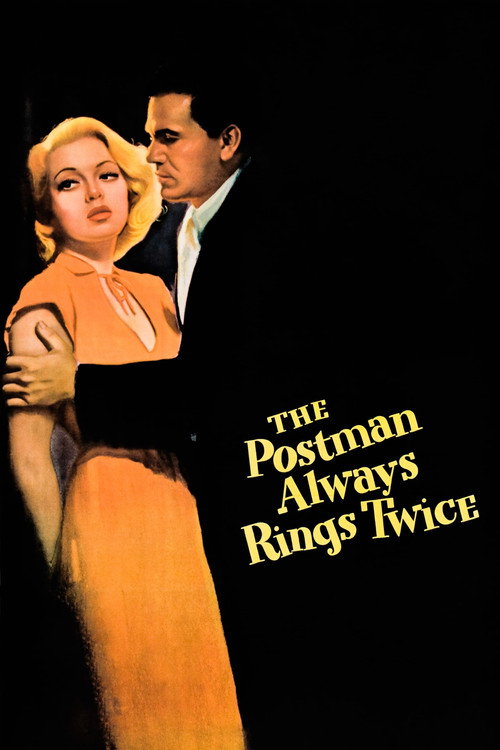
The Postman Always Rings Twice1946
Lana Turner and John Garfield as lovers plotting murder. Raw sexual tension and genuine danger—the film understands that desire and deception are bedfellows.
But The seduction plot is presented without irony, which modern viewers sometimes find uncomfortable. The pacing sags in the middle act.
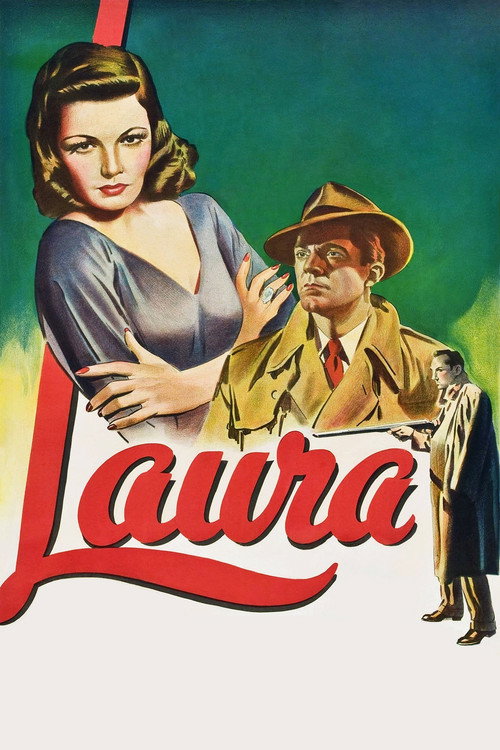
Laura1944
A detective investigating a murder becomes obsessed with a woman he's never met. Elegant mystery with surprising depth about how we construct versions of people who aren't here to correct us.
But Clocking in at 88 minutes, it's slight—almost a sketch compared to weightier entries. The mystery, once solved, matters less than the mood.
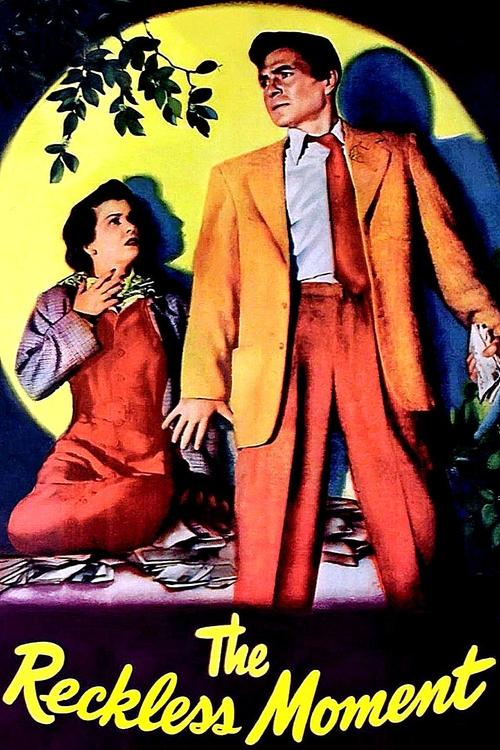
The Reckless Moment1949
James Mason and Joan Bennett in a beautifully shot film about a mother protecting her daughter from scandal. Morally intricate: the 'right' choice keeps shifting as you understand more.
But Not a thriller in the conventional sense—it moves at a mannered pace. The melodrama can feel European and arch to modern ears.
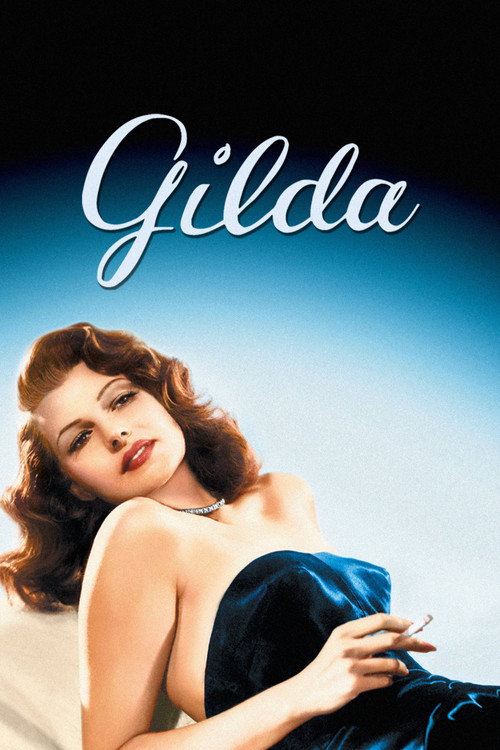
Gilda1946
Rita Hayworth in a film about surfaces and hidden depths. It's about marriage as performance, about not knowing who you've actually married. Glamorous but genuinely unsettling.
But The famous musical number halts the plot dead. The ending feels rushed after a slow-burn middle. Some find it more style than substance.
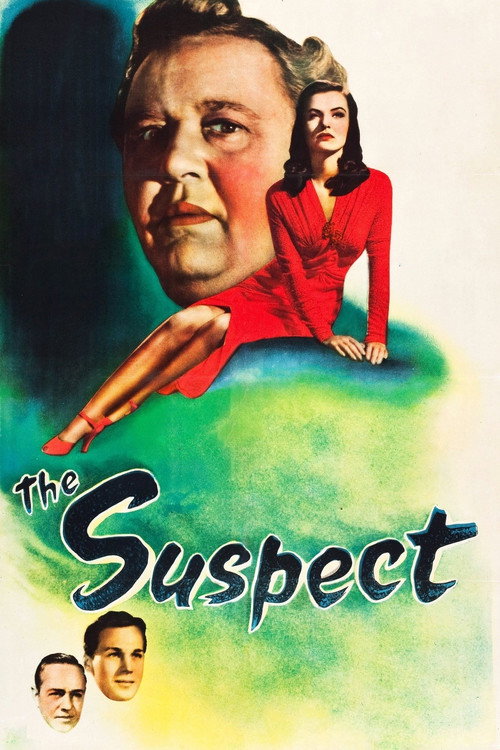
The Suspect1945
Charles Laughton as an ordinary man driven to murder by infidelity and shame. It's smaller and quieter than you'd expect—more interested in the interior life of guilt than spectacle.
But The pacing is glacial. If you prefer momentum to meditation, this will feel like watching paint dry. The film trusts the viewer's patience in ways modern cinema doesn't.
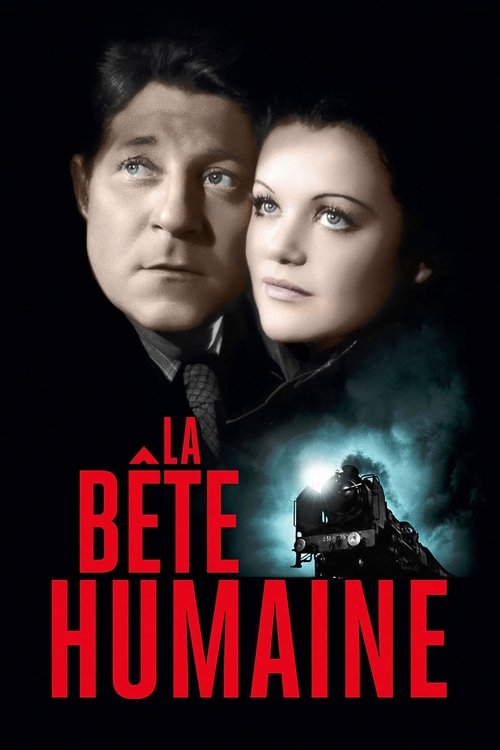
La Bête Humaine1938
Both films refuse to simplify their protagonists: Christine and the engineer are trapped by desire and circumstance, not villainy. Both understand that the worst damage often comes from people who aren't monsters.
Jean Renoir's adaptation of Zola about a railway engineer whose passion destroys everyone around him. Black-and-white French cinema at its most visually sumptuous and morally pitiless. Infidelity and violence are consequences, not plot devices.
But It's in French with subtitles. The pacing is unhurried. The film doesn't judge its characters, which some viewers want cinema to do; if you're seeking moral clarity, you won't find it.
In the Mood for Love2000
Where *The Unfaithful* is a thriller about the aftermath of one act, *In the Mood for Love* is a poem about the slow motion of desire and betrayal. Both understand that infidelity is as much about loneliness as about passion.
Wong Kar-wai's ravishing meditation on infidelity and missed connection. A man and woman discover their spouses are having an affair, and fall in love themselves—but the film is less interested in plot than in the ache of restraint and the texture of betrayal.
But It's a mood piece, not a thriller. The plot is minimal; the cinematography is more important than the story. If you came for a mystery, you'll leave frustrated.

People
Cast
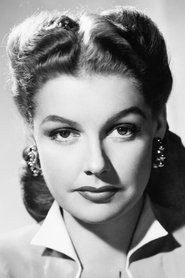 Ann SheridanChristine Hunter
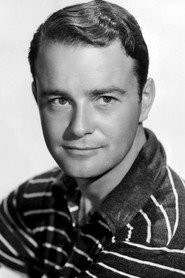 Lew AyresLarry Hannaford
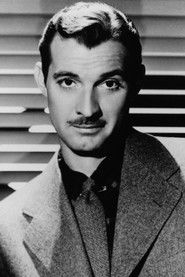 Zachary ScottBob Hunter
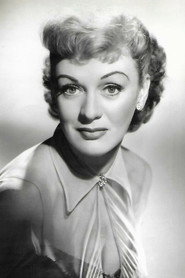 Eve ArdenPaula
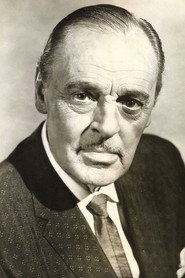 Jerome CowanProsecuting Attorney
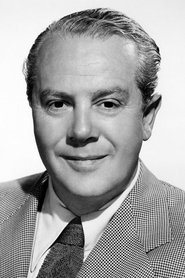 Steven GerayMartin Barrow
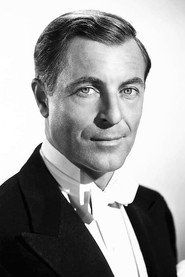 John HoytDet. Lt. Reynolds
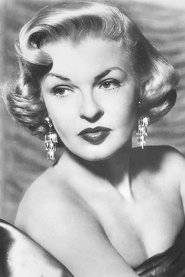 Peggy KnudsenClaire
- Marta MitrovichMrs. Tanner
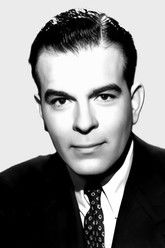 Douglas KennedyRoger
- Claire MeadeMartha
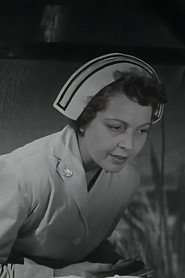 Frances MorrisAgnes
Directing
- James McMahonAssistant Director
- Vincent ShermanDirector
Writing
- Rudy ValleeLyricist
- W. Somerset MaughamNovel
- David GoodisScreenplay
- James GunnScreenplay
Production
- Jack L. WarnerExecutive Producer
- Jerry WaldProducer