
Film
A Woman's Vengeance
A 1948 psychological mystery about a man accused of poisoning his wife, with Charles Boyer caught between accusation and reasonable doubt. It's a tense courtroom-adjacent drama that trusts viewers to sit with moral ambiguity rather than spelling out whodunit. For those who like mystery without heroes, and noir's darker view of marriage and fidelity.
Should you watch it?
Watch it if you enjoy postwar studio melodrama where a murder puzzle is wrapped in polished, talky romance, and you like suspects whose charm is as suspicious as their alibis.
Skip it if you need brisk pacing or a clear whodunit, since the film lingers on sickroom gloom and character conversation rather than building steady suspense.
What it asks of you: Settle in for a leisurely hour and a half of hushed rooms, lingering looks and slowly tightening doubt, where patience pays off more than quick reactions.
Not sure? Find tonight's pick in a minute.
If you liked this
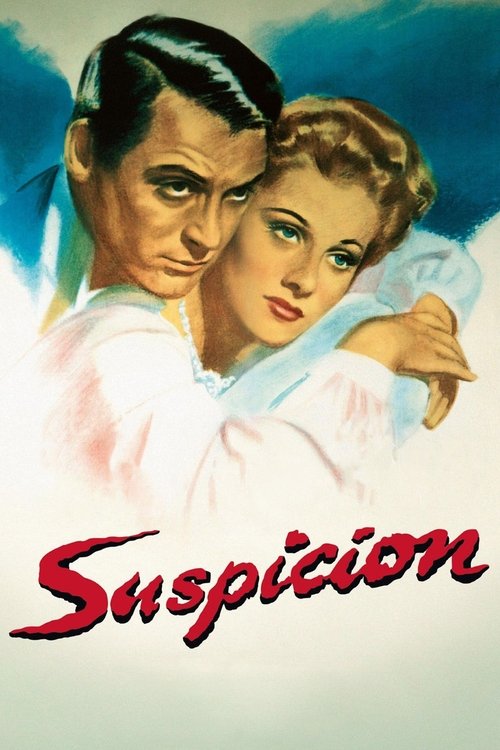
Suspicion1941
Cary Grant as a man his bride suspects of murder, building unbearable tension from domestic paranoia. Hitchcock at his best, asking: can you ever truly know someone you love?
But The ending divides people sharply. Some find the resolution satisfying; others feel it betrays everything the film built.
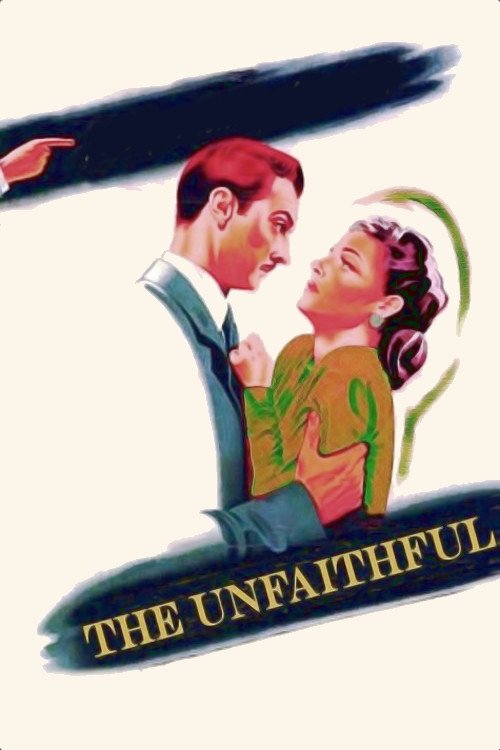
The Unfaithful1947
Ann Sheridan in a scorching drama about infidelity, regret, and a murder that may or may not be justified. Raw, adult, and genuinely angry about marriage as a trap.
But It's aggressively bleak about relationships and offers no comfort. Some will find it nihilistic rather than honest.
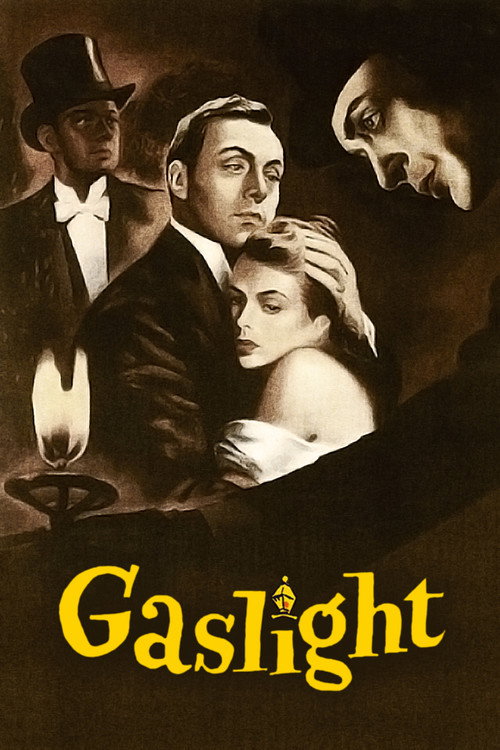
Gaslight1944
Charles Boyer manipulates Ingrid Bergman with devastating psychological precision. A masterclass in how a charming man destroys someone he claims to love from the inside.
But Boyer's performance is so effective it's almost unwatchable. The powerlessness can feel oppressive rather than gripping.
Not sure tonight? Get a pick in a minute, starting from A Woman's Vengeance
The wildcard
Something you would not have found on your own.
The Third Man1949
Both are about discovering you never knew the person closest to you. Both hinge on a death that may not be what it seems, and a man who must accept terrible knowledge about someone he trusted.
Post-war Vienna, black market, betrayal, and a friendship destroyed by ideology and profit. Joseph Cotten hunts a man he thought was dead and realizes trust was always an illusion. Carol Reed's composition and the zither score make it an experience.
But It's very much a product of 1949—the politics are dated, and the pacing assumes patience. The third act shifts focus in ways that can feel abrupt.

More like this (8)
In a Lonely Place1950
Humphrey Bogart as a violent, paranoid man accused of murder; Gloria Grahame as the woman who loves him anyway. The question isn't guilt—it's whether he deserves her, and whether she's deluded.
But Bogart's character is vicious and unlikeable. It's a film about people you wouldn't want to know, which is partly the point.

The Asphalt Jungle1950
John Huston's foundational heist film: clear-eyed, unsentimental, full of men whose plans and marriages fall apart simultaneously. Every character has a secret that matters.
But It's a procedural more than a drama. If you want emotion over mechanism, you'll find it lean.

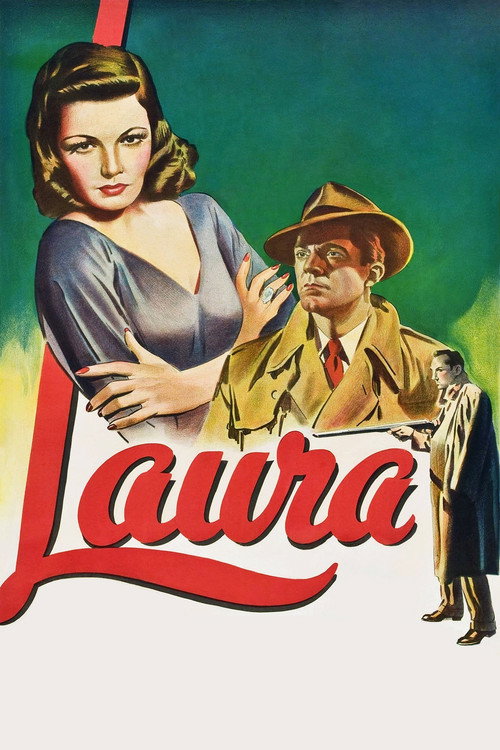
Laura1944
Dana Andrews investigates the murder of a woman he's never met but obsesses over. A detective mystery that understands how desire and investigation can be indistinguishable from one another.
But The pacing is deliberate. Modern viewers used to quick cuts may find it slow, despite the elegant tension.
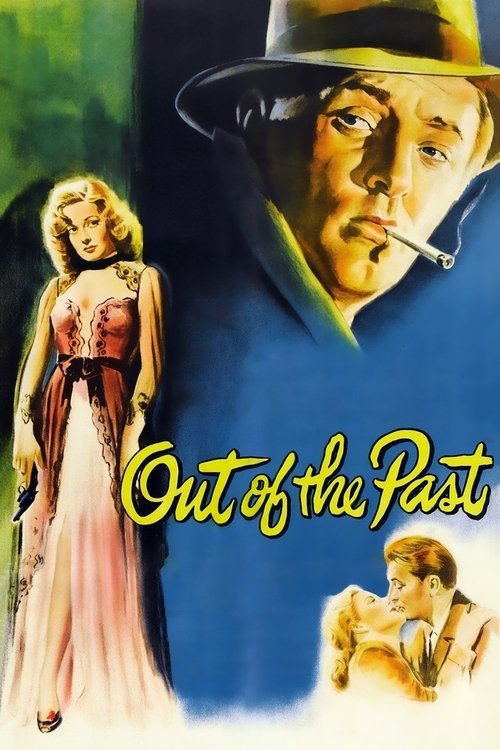
Out of the Past1947
Robert Mitchum as a man destroyed by a woman he can't stop wanting, told in fractured flashbacks. Pure noir: cynical, beautiful, about the impossibility of escape.
But The femme fatale is a cliché for a reason. If you find the archetype tired, this won't convert you, no matter how well it's done.
The Killers1946
Burt Lancaster's debut: two men arrive to kill a boxer who doesn't seem to care. A terse, economical mystery about a man waiting to die, directed by Robert Siodmak.
But It's very short and refuses to explain much. Some will find it cryptic rather than mysterious.

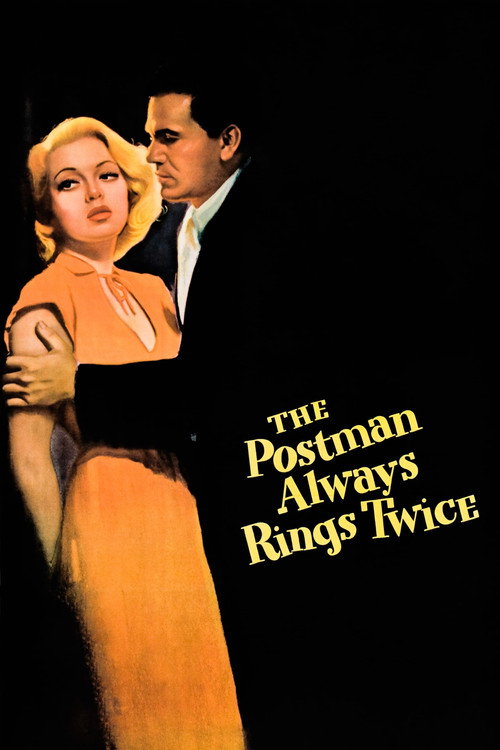
The Postman Always Rings Twice1946
Lana Turner and John Garfield in a sweltering, sweaty affair that ends in murder. Pure carnal noir: two people destroy each other because they can't not.
But By modern standards it's tame. What shocked 1946 viewers is now suggested rather than shown, which can dull the transgression.
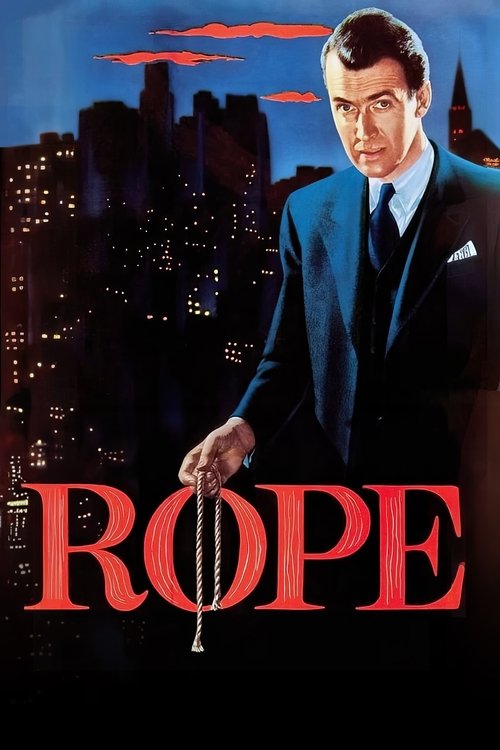
Rope1948
Contemporaries exploring whether a man can be guilty of murder without the law being able to touch him. Both ask: what's the difference between suspicion and knowledge?
Hitchcock's experiment in real-time: two men kill their friend and hide the body in a chest while hosting a dinner party. Shot in eight unbroken takes, it's claustrophobic and absurdly tense, a locked room made of conversation.
But The gimmick can feel artificial once you notice it. Some find the theatrical staging mannered; others find it liberating.
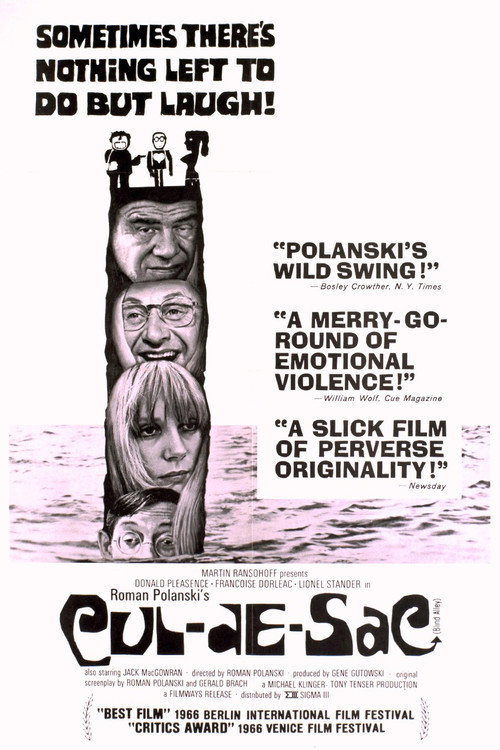
Cul-de-sac1966
Like A Woman's Vengeance, it's built on doubt about who's really guilty, really innocent, and really in control. It asks whether kindness or civility mean anything when survival is at stake.
Polanski's English-language debut: a wounded criminal holds a couple hostage in an isolated castle, and power shifts minute to minute. Funny, appalling, and genuinely unpredictable about human nature and desire under pressure.
But It's deeply unpleasant. Polanski finds dark comedy in cruelty, and if you don't share that wavelength, it reads as merely nasty.
People
Cast
 Charles BoyerHenry Maurier
 Ann BlythDoris Mead
 Jessica TandyJanet Spence
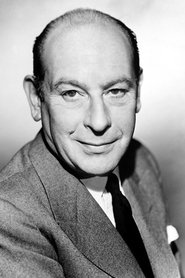 Cedric HardwickeDr. James Libbard
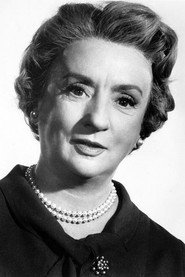 Mildred NatwickNurse Caroline Braddock
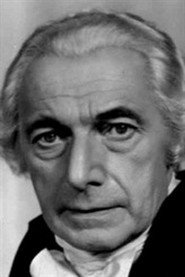 Cecil HumphreysGeneral Spence
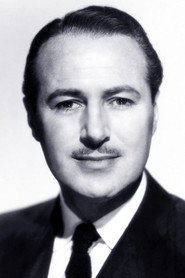 Hugh FrenchRobert Lester
 Rachel KempsonEmily Maurier
- Valerie CardewClara
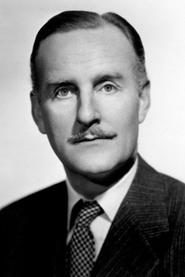 John WilliamsProsecuting Counsel
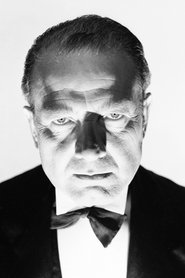 Leyland HodgsonFirst Warder
- Ola LorraineMaisey
Directing
- Horace HoughAssistant Director
- Zoltan KordaDirector
Writing
- Aldous HuxleyScreenplay
- Aldous HuxleyStory
Production
- Zoltan KordaProducer