
Film
Cul-de-sac
Roman Polanski's 1966 thriller traps two fleeing criminals in a castle with a meek husband, his young wife, and mounting psychological dread. It's darkly funny and increasingly claustrophobic, mixing crime noir with domestic anxiety. For viewers who like their suspense seasoned with absurdist humor and moral ambiguity.
Should you watch it?
Watch it if you like black comedy that grows out of a single tense standoff, where cruelty and absurdity keep trading places and the walls feel like they're closing in.
Skip it if you need brisk plotting or a clear sense of who to root for, since the mood stays stubbornly odd and the characters rarely settle into anything you can trust.
What it asks of you: Just under two hours in one isolated location, with long stretches of talk and waiting before the mood snaps sideways; it rewards patience more than momentum.
Not sure? Find tonight's pick in a minute.
If you liked this
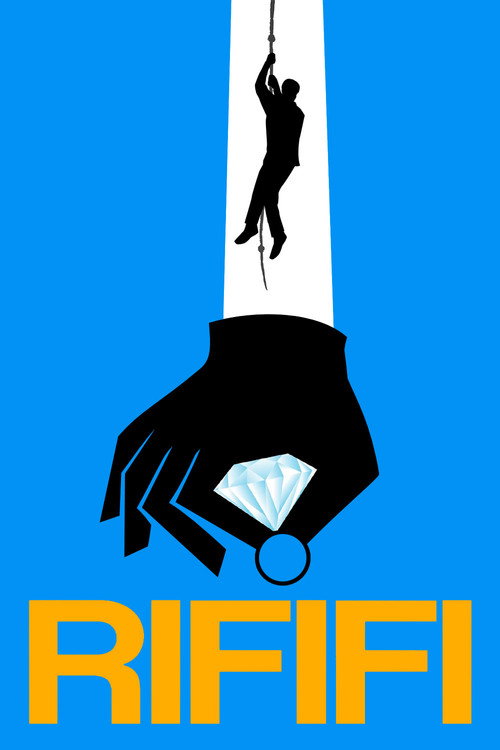
Rififi1955
A heist film of stunning economy and style—the famous wordless jewel-theft sequence is cinema itself. It influenced every crime thriller that followed, including Polanski's sensibility here.
But Shot in crisp black and white and deeply French in its sensibilities; some may find the pacing deliberate rather than thrilling.
Rosemary's Baby1968
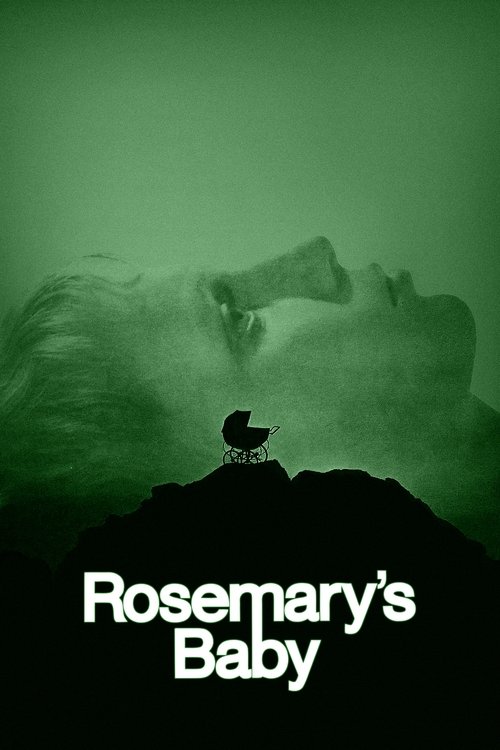
Polanski's masterpiece of paranoia and claustrophobia. A woman suspects those closest to her harbor terrible secrets. The creeping dread and domestic betrayal echo Cul-de-sac's tension.
But Slower than modern horror; the terror is psychological and cumulative rather than visceral. Takes patience.
The Killers1946
Two gangsters on the lam anchor this Siodmak classic of fate and doomed masculinity. Stark, morally murky, and deeply atmospheric—the DNA of Polanski's approach.
But Film noir from 1946; the pace and dialogue rhythms feel distant. It requires adjustment to older cinema.

Not sure tonight? Get a pick in a minute, starting from Cul-de-sac
The wildcard
Something you would not have found on your own.
The Servant1963
Both films trap characters in enclosed spaces where social hierarchy collapses and the weak become dangerous. The camera becomes a weapon in psychological games.
Joseph Losey's queasy English thriller about power shifting between master and servant in a claustrophobic townhouse. The psychological games and class inversion mirror Cul-de-sac's dynamic inversion.
But Deliberately paced and elliptical; the horror is social and sexual, not dramatic. Some see it as baroque or pretentious.

More like this (7)
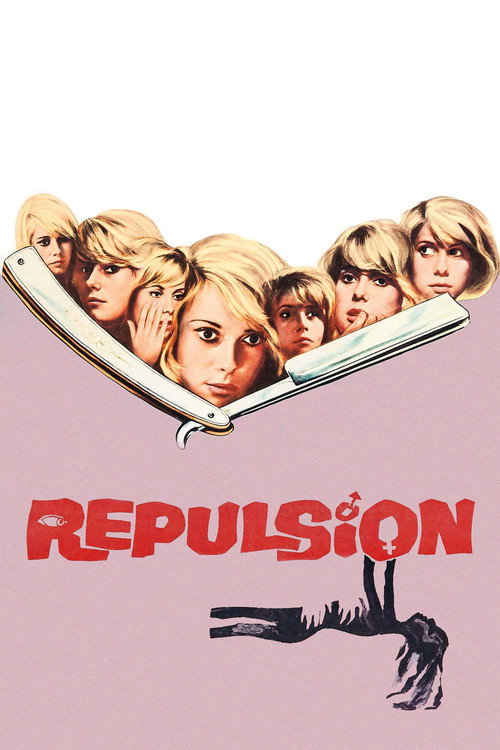
Repulsion1965
Polanski's previous film, equally claustrophobic and disturbing. A woman's isolation and psychological unraveling in a single London flat. The director at his most savage and intimate.
But Deeply unpleasant; existential dread and sexual revulsion are the point, not the setting. It can feel nihilistic.
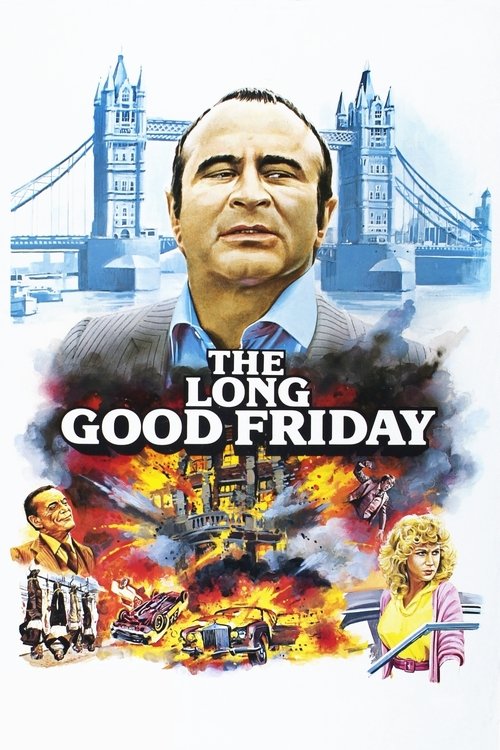
The Long Good Friday1980
Bob Hoskins trapped in a hotel, his criminal empire collapsing around him as he tries to maintain control. Dark, funny, vicious—a perfect spiritual cousin to Cul-de-sac.
But British gangster film with accents and slang that require close listening. The violence is sudden and shocking.
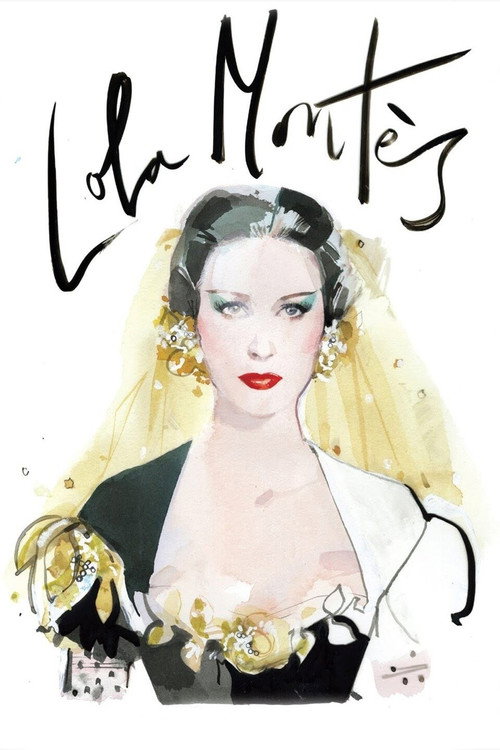
Lola Montès1955
Max Ophüls' dazzling, perverse portrait of a woman performing identity in spaces that contain her. The visual wit and moral discomfort align with Polanski's sensibility.
But Very European, very arch. Some find the self-conscious style alienating rather than beautiful. Needs engagement.
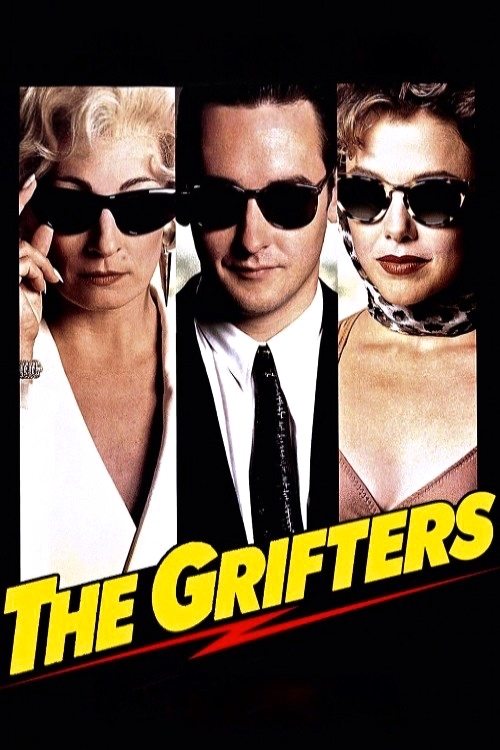
The Grifters1990
Con artists and criminals bound by family and mutual distrust, every interaction a power play. Stylish, queasy, funny-dark—the moral bankruptcy feels lived-in.
But The con narrative is intricate; if plot clarity matters to you, the layering of deception can feel obscure.
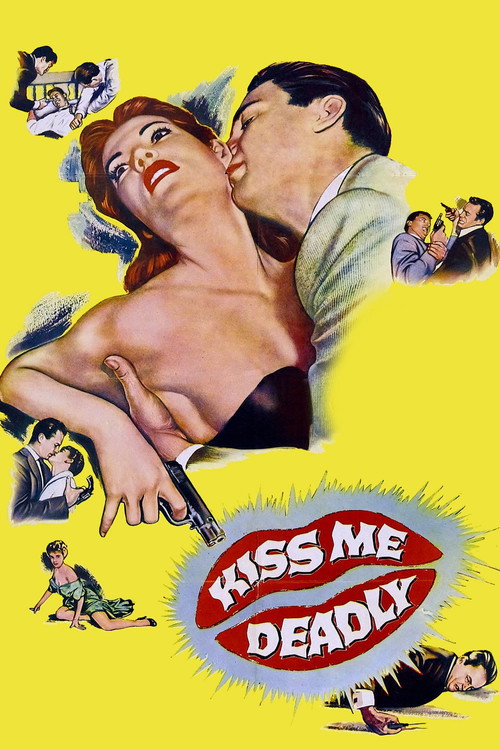
Kiss Me Deadly1955
Robert Aldrich's nihilistic noir about a private eye in a Los Angeles of corruption and violence. The darkness goes all the way down; nothing is earned or good.
But Brutally cynical; the famous atomic climax is shocking in ways that can feel gratuitous. The cynicism doesn't relent.
In a Lonely Place1950
Bogart as a volatile man suspected of murder, his rage and charm inseparable. Ray's exploration of masculine performance and suspicion feels like Polanski's territory.
But The pacing is slow. The emotional texture matters more than plot momentum; some find it sluggish.

Jeanne Dielman, 23, quai du Commerce, 1080 Bruxelles1976
Both films weaponize domesticity and ordinary spaces. Where Polanski uses a castle as a trap, Akerman uses a kitchen as a universe. Both understand that the private sphere contains violence.
Chantal Akerman's three-hour portrait of a woman's ritualized domestic routines. The meticulous observation makes the final transgression seismic. A radical inversion of how cinema usually treats women and space.
But Nearly silent, nearly motionless. Some call it austere or boring. It requires a complete willingness to watch time and repetition as the point.

People
Cast
 Lionel StanderRichard
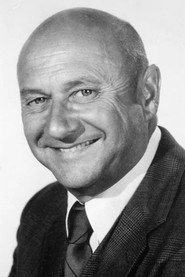 Donald PleasenceGeorge
 Françoise DorléacTeresa
 Jack MacGowranAlbie
 Iain QuarrierChristopher
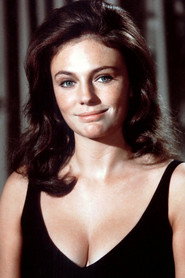 Jacqueline BissetJacqueline
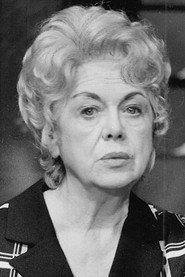 Renée HoustonChristopher's Mother
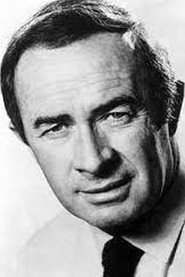 William FranklynCecil
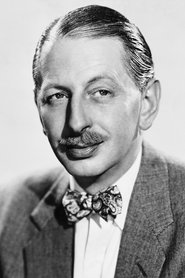 Geoffrey SumnerChristopher's Father
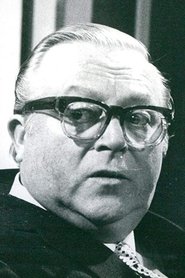 Robert DorningPhilip Fairweather
 Marie KeanMarion Fairweather
- Trevor DelaneyNicholas
Directing
- Roman PolanskiDirector
- Ted SturgisFirst Assistant Director
Writing
- Gérard BrachWriter
- Roman PolanskiWriter
Production
- Sam WaynbergExecutive Producer
- Gene GutowskiProducer
- Michael KlingerProducer
- Tony TenserProducer
Recommended by
Bunny Lake Is Missing, The Caretaker, Suddenly, Last Summer, Ghost Story of Yotsuya, Swimming Pool, Flesh of the Orchid, Separate Tables, A Woman's Vengeance, Blackmail, Tales from the Gimli Hospital, The Tommy Steele Story, The Tempter, The Sailor Who Fell from Grace with the Sea, It Always Rains on Sunday