
Film
The Sailor Who Fell from Grace with the Sea
- Drama
- Very dark
A 1976 adaptation of Mishima's provocative novel about a widow's affair with an American sailor and her son's descent into a brutal boys' cult. Kris Kristofferson and Sarah Miles navigate moral quicksand in a film that trades psychological subtlety for raw, unflinching darkness. It's unsettling, formally strange, and unafraid of its own ugliness.
If you liked this
Walkabout1971
Roeg's masterpiece of primal beauty corrupted by civilisation. Haunting, hallucinatory, and morally ambiguous in ways that linger. Visual storytelling at its most powerful—you'll think about it for years.
But Pacing is glacial and the ending is quietly devastating. Some sequences feel formless; patience required, comfort not guaranteed.

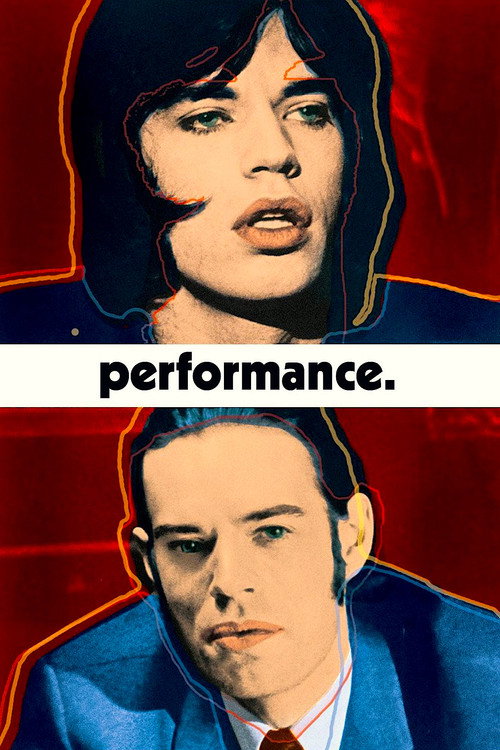
Performance.1970
Nic Roeg again, this time with Mick Jagger. A London gangster hides in a rock star's house and loses himself. Fractured, dangerous, erotic, and genuinely strange—cinema refusing to behave itself.
But Deliberately obscure and experimental. Plot takes a back seat to atmosphere. The pacing will test you and some viewers find it pretentious.
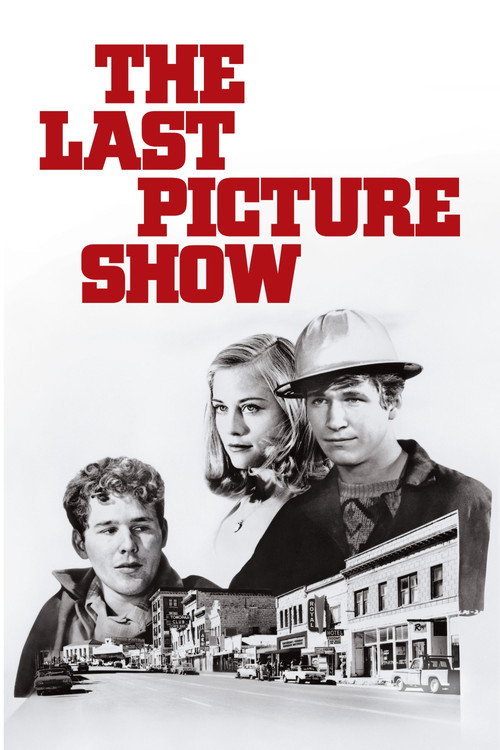
The Last Picture Show1971
Bogdanovich's elegiac dive into small-town Texas as the 1950s die. Ensemble cast at their peak, black-and-white cinematography that aches, and sex treated as a real fact of ordinary life.
But Sexually frank for 1971; it's also sometimes stagey. The emotional payoff requires you to care about people who aren't always likeable.
Not sure tonight? Get a pick in a minute, starting from The Sailor Who Fell from Grace with the Sea
The wildcard
Something you would not have found on your own.
La Haine1995
Both pit youthful cruelty and gang pressure against individual conscience. Both argue that corruption isn't chosen—it's inherited.
Mathieu Kassovitz's black-and-white explosion of suburban Paris following three young men through one day of casual brutality and systemic pressure. Like Sailor turned inside out—the boy is father to the man, and both are crushed by forces larger than morality.
But Handheld, frenetic, and relentlessly bleak. Non-French speakers may struggle with the argot; even native speakers find it punishing.

More like this (8)
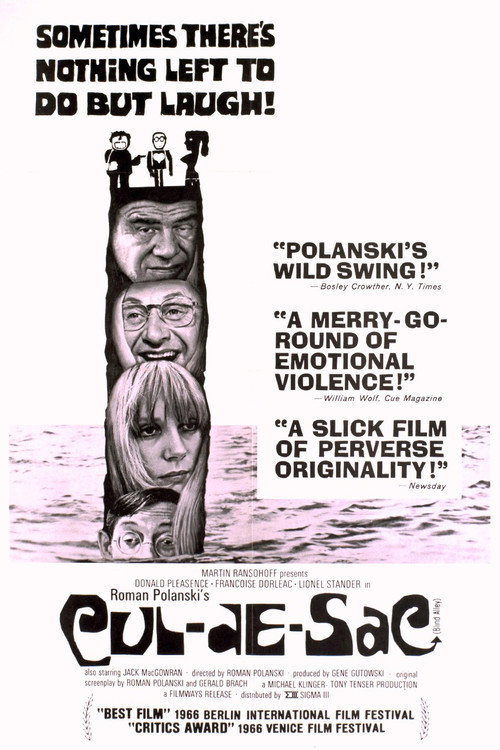
Cul-de-sac1966
Polanski traps a honeymoon couple and a wounded criminal in an English castle. Tension, dark comedy, sexual power games, and genuine unease. Proof that isolation and confinement can be more frightening than violence.
But The tone whipsaws between thriller and farce. Some find it dated; others find it deliberately theatrical in ways that undercut suspense.
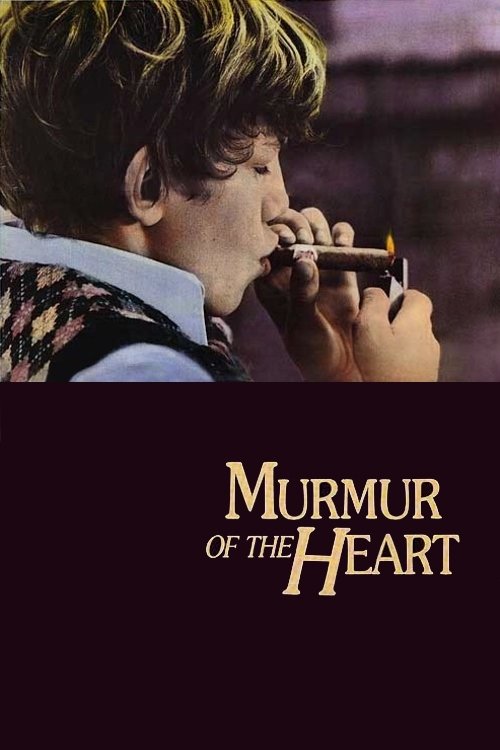
Murmur of the Heart1971
Louis Malle's scandalous, funny, and genuinely humane film about a boy's sexual awakening and his complicated relationship with his mother. Taboo subject matter handled with grace and wit.
But The central transgression will make many viewers deeply uncomfortable. It's sympathetic to a character many will find impossible to forgive.
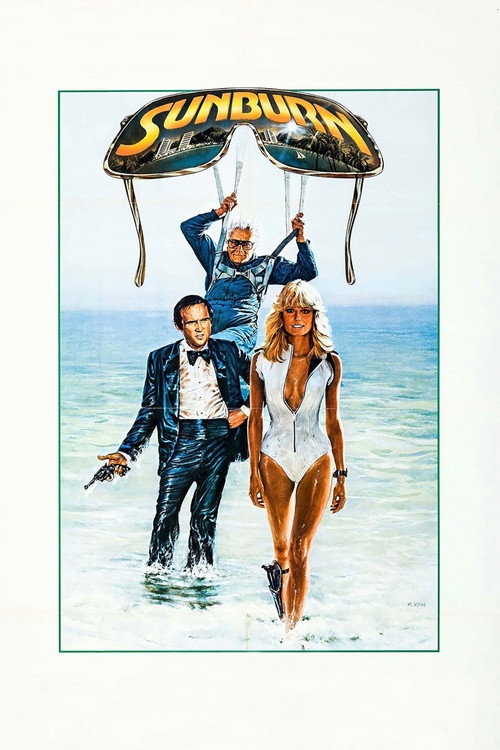
Sunburn1979
Terence Young's kinky thriller stars Kristofferson again—perfect casting as a hired man in a sunlit web of seduction and murder. Playfully decadent and genuinely sexy in ways modern films rarely attempt.
But Plot is thin cover for mood and eroticism. It's shallow by design, which some will find shallow by accident.
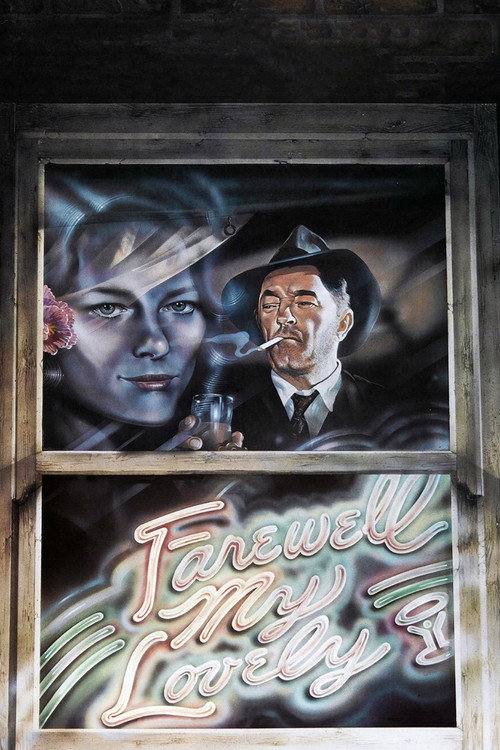
Farewell, My Lovely1975
Dick Richards' noir reverie with Dick Richards' noir reverie with Mitchum at his most weathered. Los Angeles at twilight, betrayal, femmes fatales. A genre exercise that earns its emotional weight.
But You've seen noir tropes before. If you need novelty rather than depth, this elegant riff on convention won't surprise you.
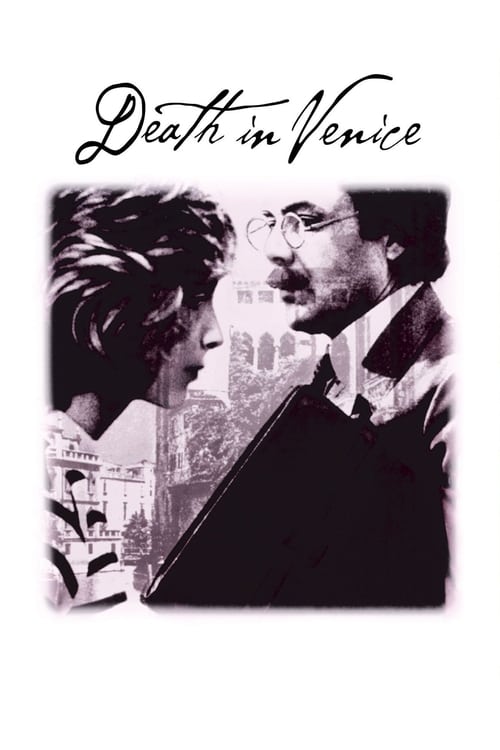
Death in Venice1971
Visconti's achingly beautiful adaptation of Mann. A composer's descent into obsession and death by beauty, shot in sumptuous Technicolor. Moral corruption as aesthetic seduction.
But Very slow, very mannered, very sad. The object of desire is a child, which will alienate viewers despite the film's serious artistic intent.
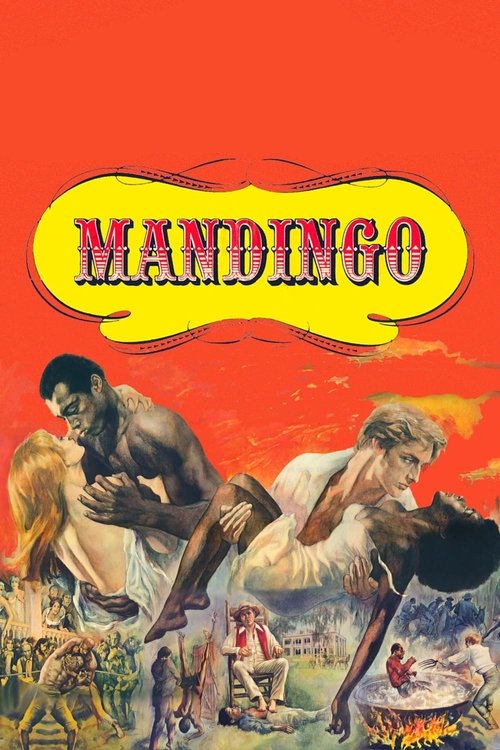
Mandingo1975
Fleischer's transgressive plantation melodrama uses exploitation trappings to examine actual exploitation. Ugly, raw, and morally unflinching. Not art-house—it's pulp used as a scalpel.
But Genuinely vile racial and sexual violence. It provokes rather than condemns, which many will read (fairly) as irresponsible.
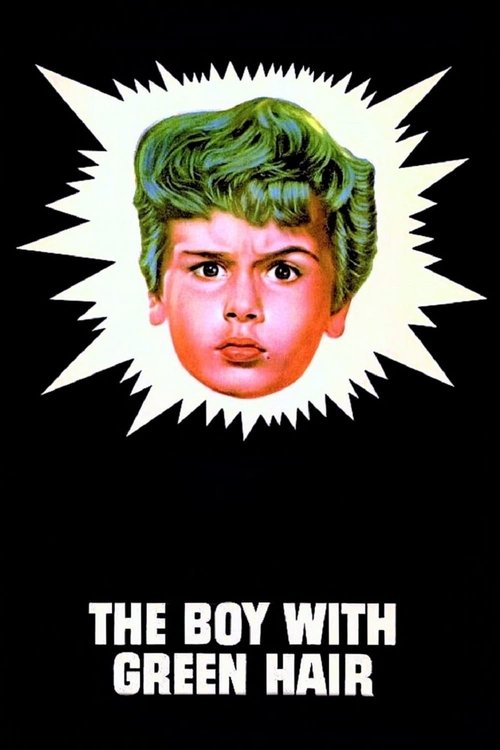
The Boy with Green Hair1948
Like Sailor, it uses a child as the lens through which we watch a society enforce its cruelties. Conformity becomes a form of death.
Joseph Losey's strange, expressionistic fable about a boy whose hair turns green and society turns on him. Post-war allegory wrapped in American fantasy. A film about conformity's violence rendered in color and music and magical realism.
But The tone is fairytale-like in ways that undercut the serious subject matter. Some viewers find it sentimental; others find it confused.
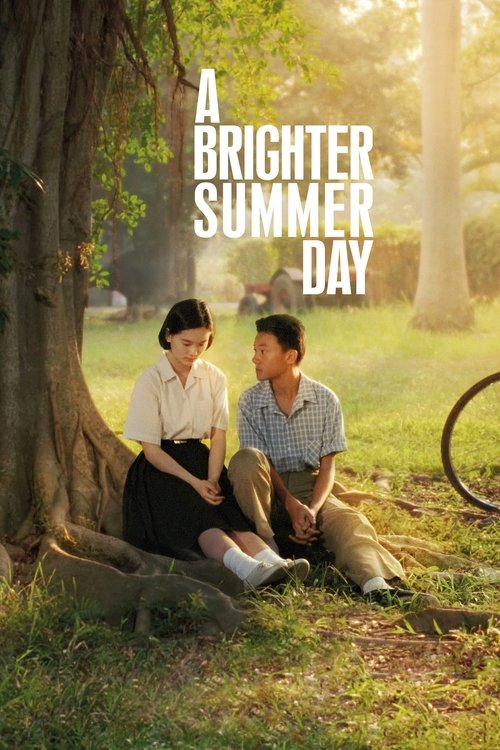
A Brighter Summer Day1991
Both treat adolescent violence as inevitable tragedy shaped by forces beyond individual choice. Both argue the heart is a fatal weakness in a corrupt world.
Edward Yang's four-hour Taiwanese epic about a boy caught between rival gangs in 1960s Taipei. Epic scale but intimate scope—the boy's sexual awakening, moral confusion, and fatal mistake play out against the Cold War's shadow.
But It's long. It's in Mandarin. The ending is tragic in ways that feel arbitrary if you're not attuned to the film's lyrical, almost novelistic rhythm.
People
Cast
 Sarah MilesAnne Osborne
 Kris KristoffersonJim Cameron
- Jonathan KahnJonathan Osborne
- Margo CunninghamElizabeth Palmer
- Earl RhodesChief
- Paul TropeaNumber Two
- Gary LockNumber Four
- Stephen BlackNumber Five
- Peter ClaphamRichard Pettit
- Jennifer TolmanMary Ingram
Directing
- Pamela DaviesContinuity
- Lewis John CarlinoDirector
- Anthony WayeFirst Assistant Director
- Gerry GaviganSecond Assistant Director
Writing
- Yukio MishimaNovel
- Lewis John CarlinoWriter
Production
- Michael PeacockAccountant
- David WhiteAssociate Producer
- Joyce SelznickCasting
- Miriam BrickmanCasting
- Kikumaru OkudaProducer
- Martin PollProducer
- Marilyn ClarkeProduction Assistant
- Hugh HarlowProduction Manager