
Film
Farewell, My Lovely
A 1975 noir that moves like Chandler wrote it yesterday. Robert Mitchum's Marlowe is a weathered, clever operator navigating Los Angeles's underworld—corruption, murder, desire—with a world-weary wit that never tips into cynicism. Gorgeously shot, deliberately paced, made for anyone who loves the genre's moral fog and snappy dialogue.
Should you watch it?
Watch it if you love hard-boiled detective stories where the plot doubles back on itself and the pleasure is in the sour, wisecracking voice of a lonely man working his way through a city of bad money.
Skip it if you want a tidy whodunit with clear answers by the end; this one is more interested in mood, atmosphere and a hero drifting through the mess than in neat clues.
What it asks of you: Settle in for about ninety-five minutes of unhurried walking, talking and brooding, with the shadows and seventies grime doing as much work as the dialogue.
Not sure? Find tonight's pick in a minute.
If you liked this
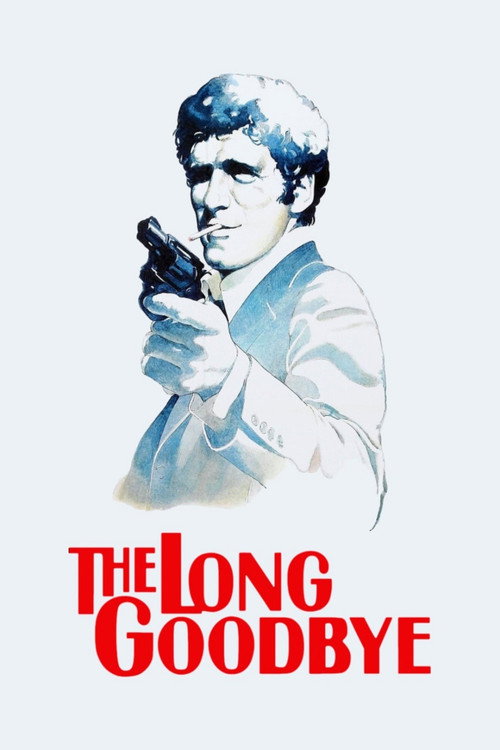
The Long Goodbye1973
Robert Altman's Marlowe is looser and stranger than Mitchum's, set in a '70s LA that feels lived-in and broken. It's a masterclass in adapting Chandler for a new era without surrendering the source.
But The pacing is deliberately slack and the mystery less tidy than you'd expect. Some find it frustratingly anti-noir.
The Killers1946
Burt Lancaster and Ava Gardner in a tight, elegant thriller about a doomed boxer and the woman who destroys him. It has Farewell's fatalism and visual style, made a generation earlier.
But Black and white cinematography and post-war pacing won't appeal if you need constant plot momentum.

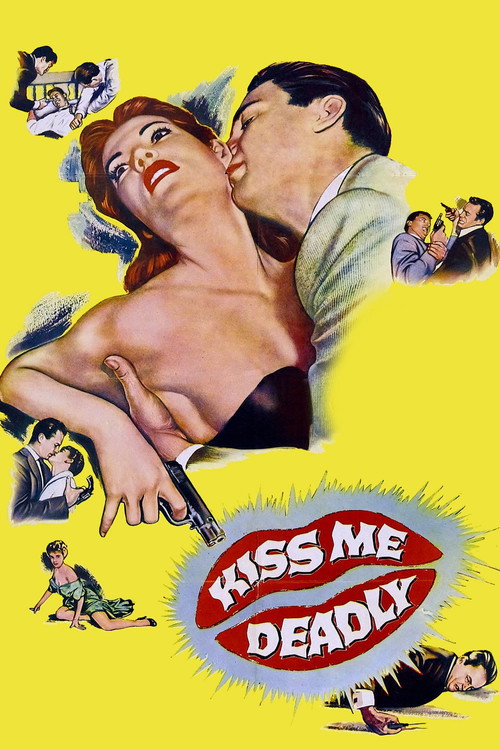
Kiss Me Deadly1955
Mike Hammer on a collision course with atomic-age corruption. Ralph Meeker's brutal detective is the flipside of Marlowe—cruder, angrier, but wrestling the same moral wasteland.
But It's violently cynical about American capitalism. The ending divides people. You need to be in the mood for real darkness.
Not sure tonight? Get a pick in a minute, starting from Farewell, My Lovely
The wildcard
Something you would not have found on your own.
In a Lonely Place1950
Both films understand that the detective or accused man often becomes complicit in the very corruption he's investigating. Marlowe and Bogart's Dixon Steele are trapped not just by circumstance but by who they are.
Humphrey Bogart as a volatile screenwriter accused of murder. It's structured like a noir but it's really a portrait of a man whose nature makes him guilty whether or not he did it. The film's moral intelligence is startling.
But The protagonist is genuinely unlikeable and the film doesn't soften that. There's no triumph, only recognition of damage done.

More like this (8)
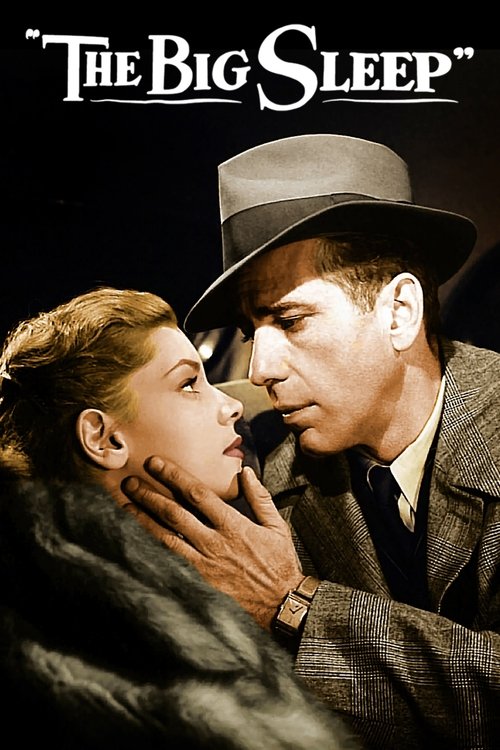
The Big Sleep1946
Bogart and Bacall's chemistry is electric, the dialogue crackles, and Hawks directs with such confidence the plot barely matters. Pure pleasure and the gold standard Marlowe adaptation.
But If you've seen it already, you know. If you haven't, you've heard the hype so many times the film can't possibly meet it.
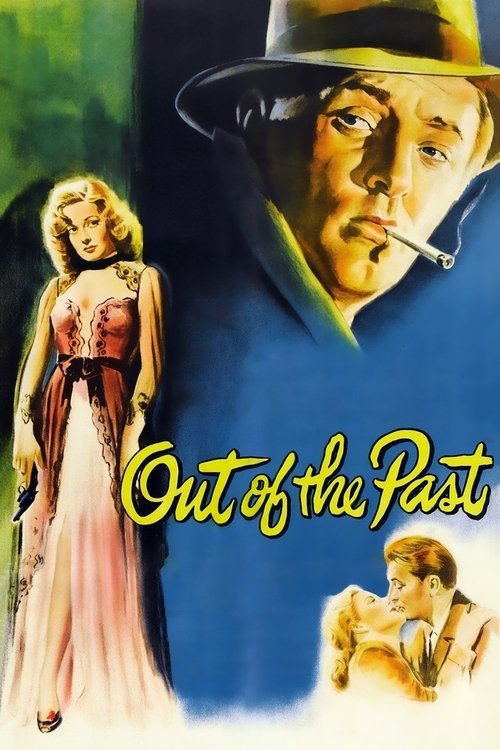
Out of the Past1947
Robert Mitchum again, this time as a man trying to escape his past and failing beautifully. It's the platonic ideal of film noir—doomed, gorgeous, inevitable as gravity.
But The femme fatale plot has aged into cliché. If you're tired of seeing women as traps, this won't change your mind.
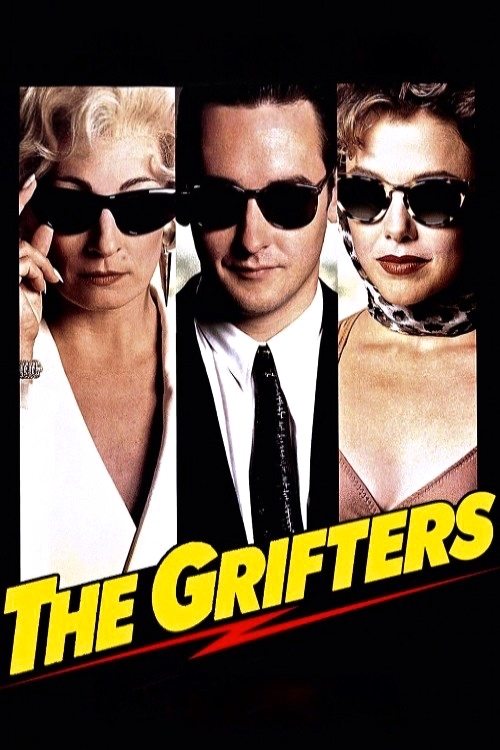
The Grifters1990
A three-hander about con artists in Los Angeles with Annette Bening at her finest. It has Farewell's cynicism about human nature and a narrative that rewards close attention.
But The ending is bleak and small. If you need your crime thriller to resolve with catharsis, you'll leave unsatisfied.
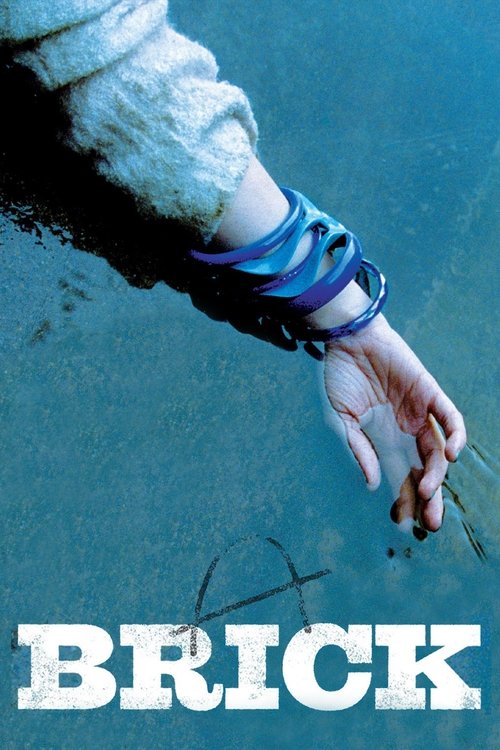
Brick2006
A high-school noir that takes its genre seriously while being set in contemporary California. It proves the Chandler mode still works and that constraint breeds creativity.
But The conceit is clever enough to feel gimmicky. The dialogue is so stylised some find it affected rather than cool.
The Killing1956
Kubrick's racetrack heist, told in fragments, is about fate and bad timing as much as plot. It has Farewell's sense that desire and greed always end badly.
But The structure is fractured by design. If you need a straightforward narrative, the constant time-jumps will frustrate.

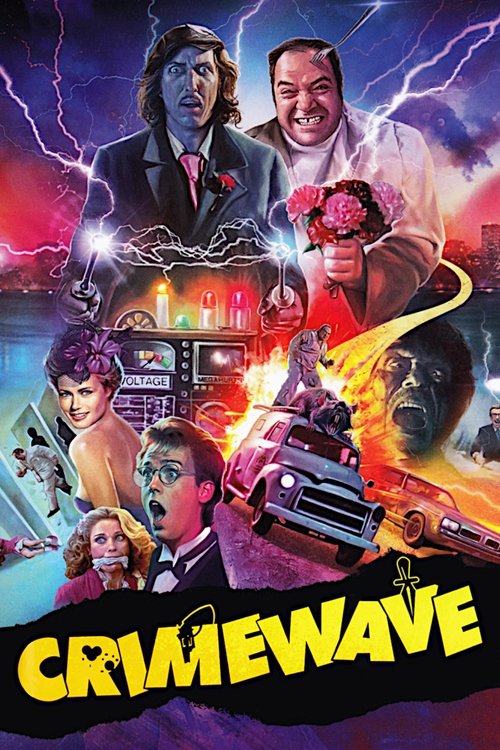
Crimewave1985
Sam Raimi's comic-book take on noir absurdity, visual energy cranked to eleven, genuinely funny. It loves the genre while refusing to take itself seriously.
But It's loud and stylised in ways that feel removed from Farewell's restraint. Some see it as pastiche rather than homage.
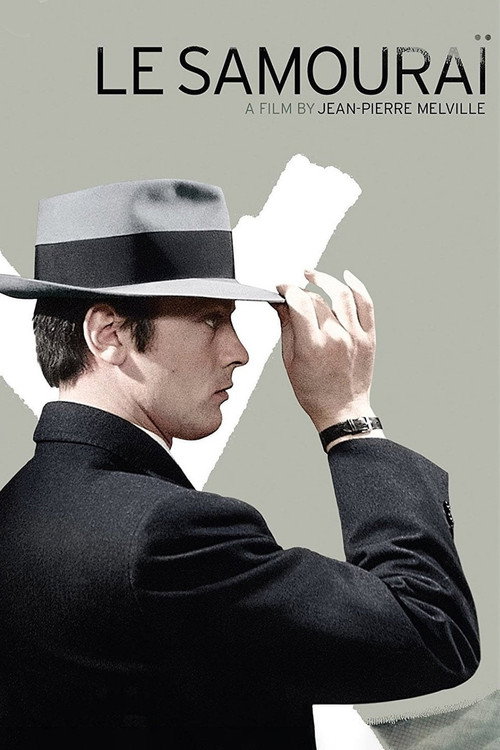
Le Samouraï1967
Both are about solitary men bound by honour codes in worlds that have no honour. But where Marlowe talks his way through Los Angeles, le Samouraï communicates through silence and movement. They're the same archetype in different languages.
Alain Delon as a Tokyo hitman moving through the city with geometric precision, barely speaking, operating by a strict code. It's visual poetry about style as morality, shot in cool blues and blacks.
But There's almost no dialogue and the plot is skeletal. If you watch detective fiction for the unravelling mystery, you'll be bored.
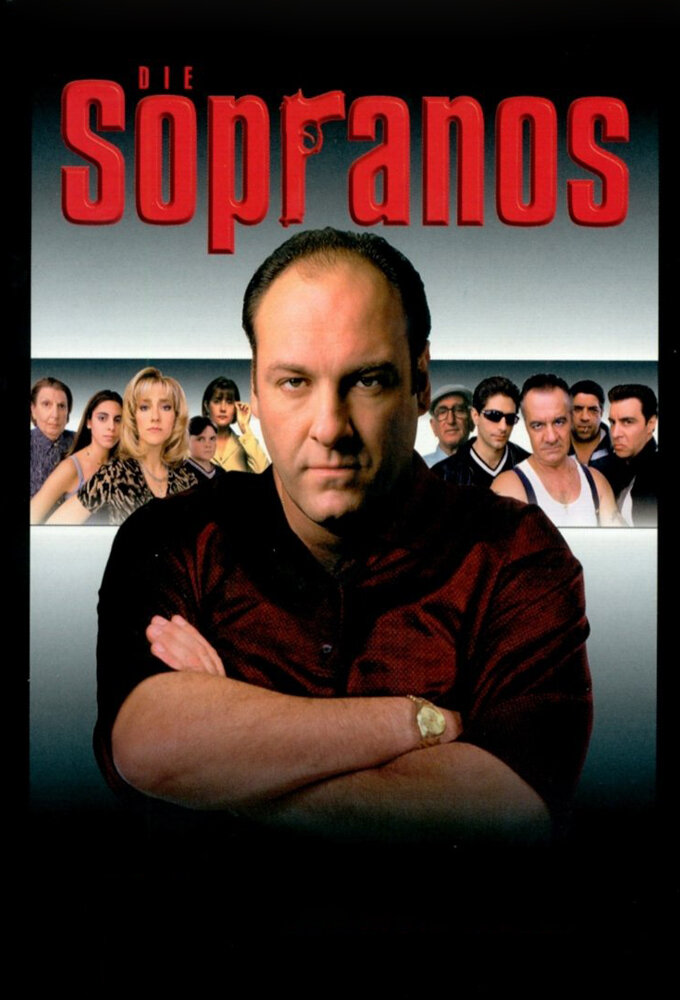
The Sopranos1999
Like Farewell, it's obsessed with moral corruption in a specific place and class. But where Marlowe moves through the underworld as witness, Tony is built from it. The show asks what happens when the noir protagonist stops being displaced and admits he's home.
Six seasons of Tony Soprano in therapy, ruling a New Jersey crime family, caught between brutality and introspection. It rewrites the detective formula entirely—the protagonist is guilty, the world is his to exploit, and the show never lets him off the hook.
But It's serialised, not episodic, so starting at season three is pointless. It's also 86 hours. And the finale divides viewers ferociously.
People
Cast
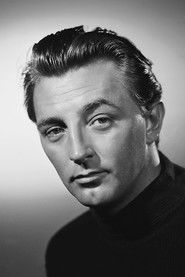 Robert MitchumPhilip Marlowe
 Charlotte RamplingMrs. Grayle
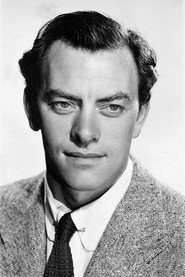 John IrelandNulty
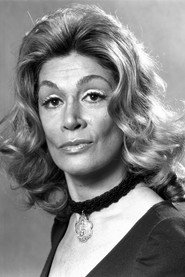 Sylvia MilesMrs. Florian
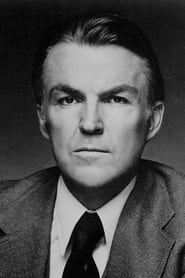 Anthony ZerbeBrunette
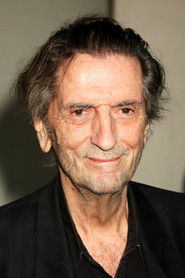 Harry Dean StantonBilly Rolfe
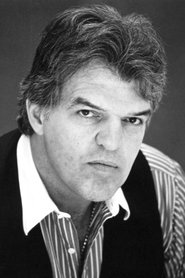 Jack O'HalloranMoose Malloy
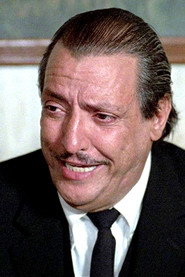 Joe SpinellNick
 Sylvester StalloneJonnie
- Kate MurtaghAmthor
- John O'LearyMarriott
 Walter McGinnTommy Ray
Directing
- David SosnaAssistant Director
- Henry J. Lange Jr.Assistant Director
- Dick RichardsDirector
- Tim ZinnemannFirst Assistant Director
Writing
- Raymond ChandlerNovel
- David Zelag GoodmanScreenplay
Production
- Louis DiGiaimoCasting
- Elliott KastnerExecutive Producer
- Jerry BickExecutive Producer
- George PappasProducer
- Jerry BruckheimerProducer
- Tim ZinnemannUnit Production Manager
Recommended by
The Long Goodbye, The Big Sleep, Night Moves, The Count of Monte-Cristo, The Night and the Moment, The Macomber Affair, Marlowe, Marlowe, A Kiss Before Dying, Atlantic City, Harper, The Sailor Who Fell from Grace with the Sea