
Film
The Boy with Green Hair
A 1948 fantasy-fable about an orphaned boy whose hair turns green overnight, forcing him to confront rejection and find solidarity with other displaced children. It's whimsical but earnest, mixing magical realism with post-war grief. Made for families but unafraid to ask hard questions about who bears the cost of conflict.
Should you watch it?
Watch it if you enjoy gentle fables with a serious undercurrent, where a child's bruised feelings get handled with tenderness and a pointed moral about war arrives without lecturing.
Skip it if you want a fast plot or sharp jokes, because this is a slow, earnest parable where the fantasy stays a bit thin and the message is spelled out.
What it asks of you: At 82 minutes, it moves at an unhurried pace and stays patient with sadness, so it wants an attentive evening rather than background viewing.
Not sure? Find tonight's pick in a minute.
If you liked this
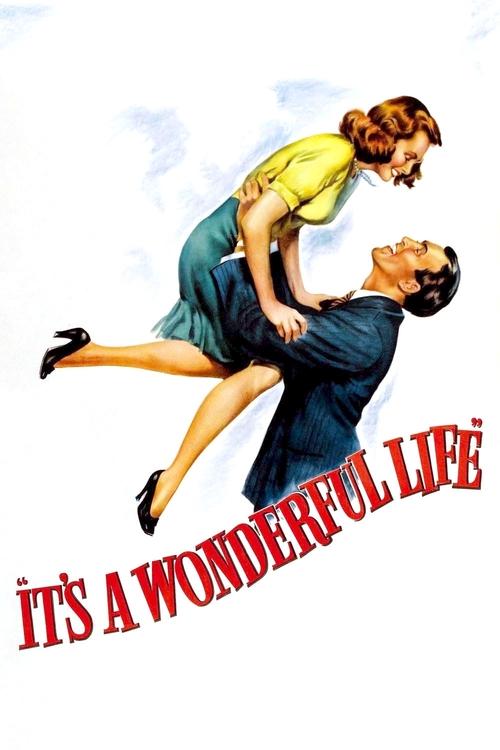
It's a Wonderful Life1946
Both center on a young person learning their place in a community fractured by loss, with magical intervention that feels earned rather than cute. They share a deep humanism beneath the fantasy.
But If you want escapism rather than meaning-making, the sentiment can feel heavy-handed.
The Best Years of Our Lives1946
A sweeping post-war drama about returning soldiers and displaced families rebuilding. It has the same moral weight and refusal to look away from real pain, just aimed at adults instead of children.
But Three and a half hours of measured, serious cinema. No plot urgency, just honest observation.

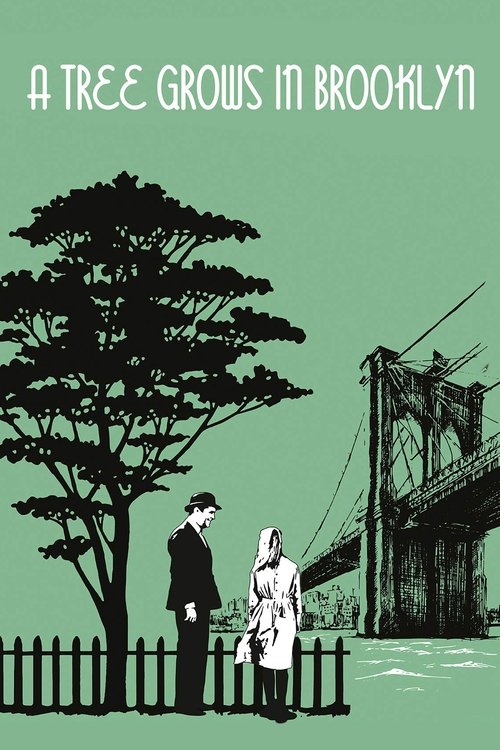
A Tree Grows in Brooklyn1945
Another Depression-era portrait of a resilient child learning to navigate a world that doesn't always make room for them. It shares the same tender specificity about poverty and belonging.
But Genteel and slow by modern standards. The sentimentality is genuine, which some find cloying.
Not sure tonight? Get a pick in a minute, starting from The Boy with Green Hair
The wildcard
Something you would not have found on your own.
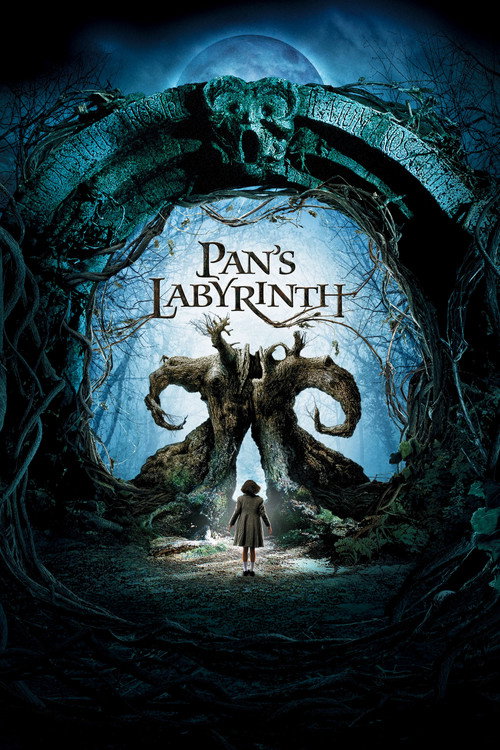
Pan's Labyrinth2006
Both are fables that use impossible imagery to ask: what does society owe displaced children? Both answer: almost nothing, so they must find each other.
Both use magical realism to process a child's trauma in a violent world. A young girl finds refuge in an underground fantasy that mirrors her real powerlessness. The green hair is metaphor; this film is metaphor weaponized.
But Spanish-language, dark as pitch, and genuinely frightening. The fantasy doesn't console—it confronts. Guillermo del Toro makes no concessions to family audiences.
More like this (7)
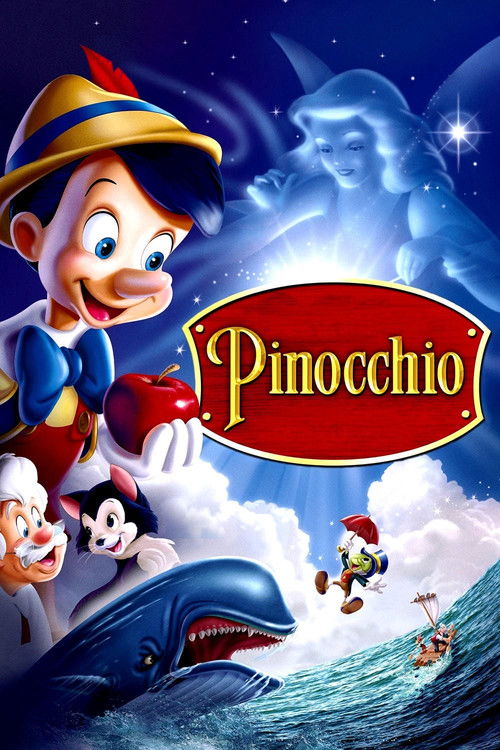
Pinocchio1940
Both use a child's transformation—physical or social—to ask what it means to grow into a world that isn't built for your safety. The magical realism serves the same moral purpose.
But The Disney version is famous and overshadows the deeper thematic work. It's more famous than challenging.
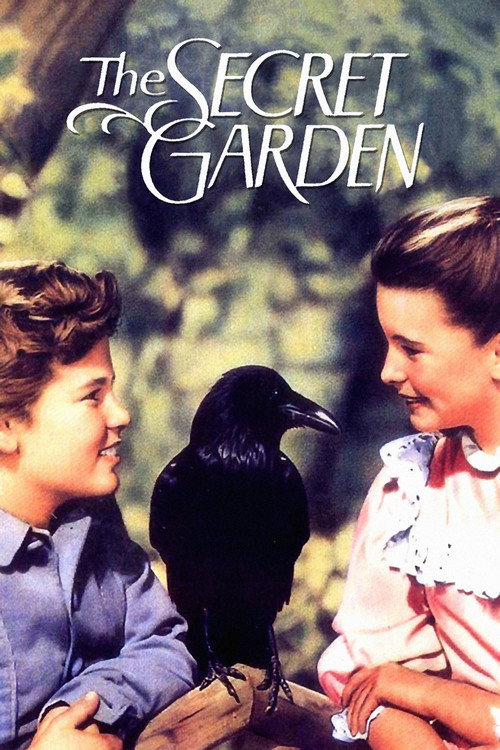
The Secret Garden1949
Orphaned children, a transformative natural space, the healing power of community and secrets shared. Nearly identical DNA, set in the English countryside instead of post-war America.
But Very much a 1949 period piece. The pacing is deliberate to the point of dreaminess.
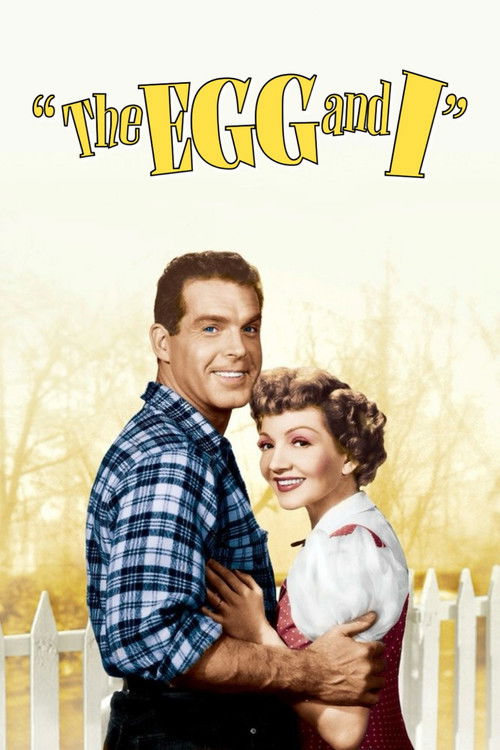
The Egg and I1947
Comedy-drama about an outsider struggling to fit into a new family and community. Both find humor in alienation while taking the emotional truth seriously.
But Romantic comedy business alongside the orphan narrative can feel tonal. The charm is period-specific.
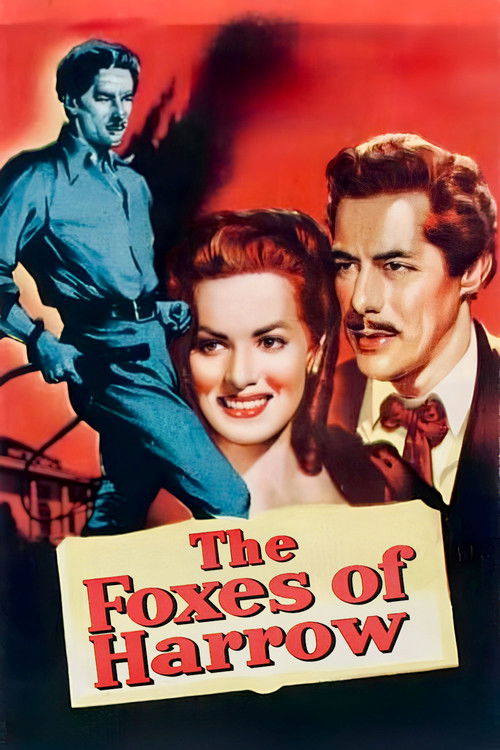
The Foxes of Harrow1947
Post-war family drama with an outsider protagonist learning to belong. Similar warmth toward characters trying to build homes from rubble.
But Less inventive than its peers. The plot is straightforward and somewhat forgettable.
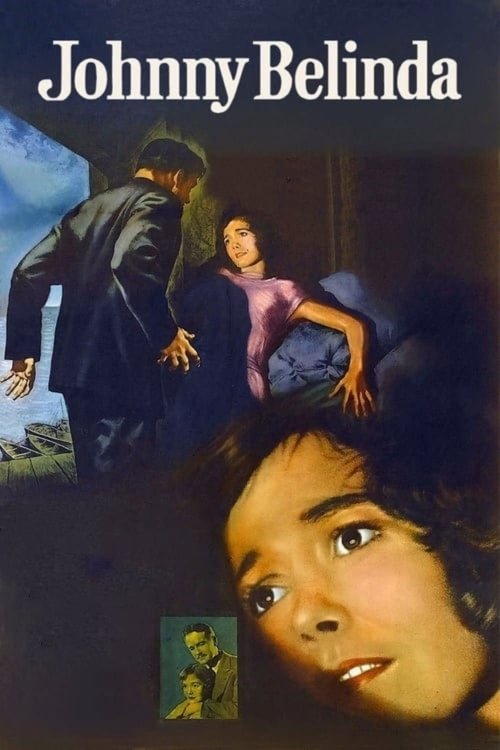
Johnny Belinda1948
Another 1948 film about a young person whose isolation—deafness instead of green hair—becomes the mirror for how we treat the different. Same social conscience.
But Heavy subject matter played entirely straight. No magical realism to soften the blow.
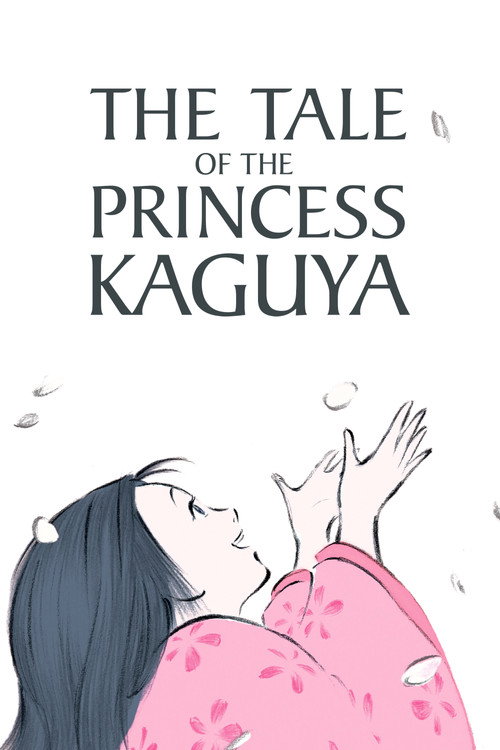
The Tale of The Princess Kaguya2013
Both center on a child whose difference marks them as not-quite-human to their peers. Both films argue, quietly, that this is society's failure, not the child's.
Studio Ghibli's hand-drawn masterpiece about an orphaned girl whose otherworldly origins set her apart. It shares the same visual poetry and belief that childhood alienation deserves serious, beautiful art.
But Animated, Japanese, and paced like a poem. If you expect narrative momentum you will be adrift. Asking for plot summary here is like asking directions to a dream.
Come and See1985
Both films use a child protagonist to ask adults: what world are we leaving them? One answers with hope and community; the other answers with ash. Watch them together, years apart.
A Soviet film about a young boy's eyes opening to the true cost of war. It's the dark inversion of The Boy with Green Hair—where that film finds hope in solidarity, this finds only horror and innocence annihilated.
But Possibly the most brutal war film ever made. Not violent in the action-movie sense—violent in the sense that it does not look away from what war does to children. Devastating.

People
Cast
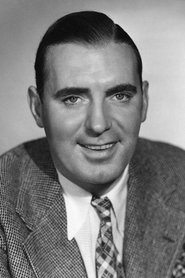 Pat O'BrienGramp Fry
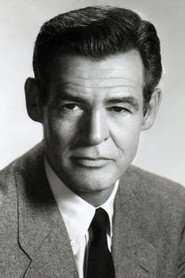 Robert RyanDr. Evans
 Barbara HaleMiss Brand
 Dean StockwellPeter
- Richard LyonMichael
 Walter CatlettThe King
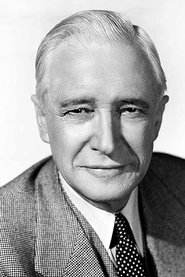 Samuel S. HindsDr. R.T. Knudson
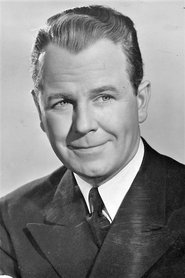 Regis ToomeyMr. Davis
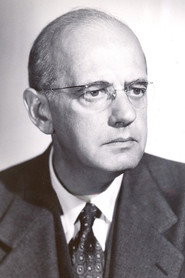 Charles MeredithMr. Piper
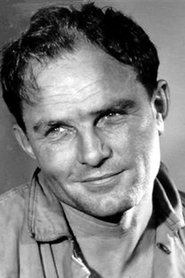 David ClarkeBarber
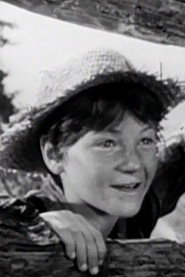
- Johnny CalkinsDanny
Directing
- James LaneAssistant Director
- Joseph LoseyDirector
Writing
- Betzi BeatonStory
- Alfred Lewis LevittWriter
- Ben BarzmanWriter
Production
- Dore ScharyExecutive Producer
- Adrian ScottProducer
- Stephen AmesProducer
Recommended by
The Red Pony, Allegro non troppo, The Sailor Who Fell from Grace with the Sea