
Film
The Red Pony
A quiet, unsentimental adaptation of Steinbeck's novella about a lonely boy finding belonging through a cowboy and a red pony on his family's California ranch. Gentle but not soft—it's about real loss and the limits of love. For anyone who finds beauty in small, honest moments over plot pyrotechnics.
Should you watch it?
Watch it if you enjoy quiet, observational family drama where a boy's growing attachment to a ranch hand and the frictions of his parents' marriage carry the weight, in wide open country.
Skip it if you want brisk plotting or a lot of incident; this is slow, sentimental in places, and the parents' bickering can feel repetitive for long stretches.
What it asks of you: Ninety-one minutes, unhurried and pictorial, with long stretches of landscape and silence that expect you to sit with a child's small disappointments rather than hurry past them.
Not sure? Find tonight's pick in a minute.
If you liked this
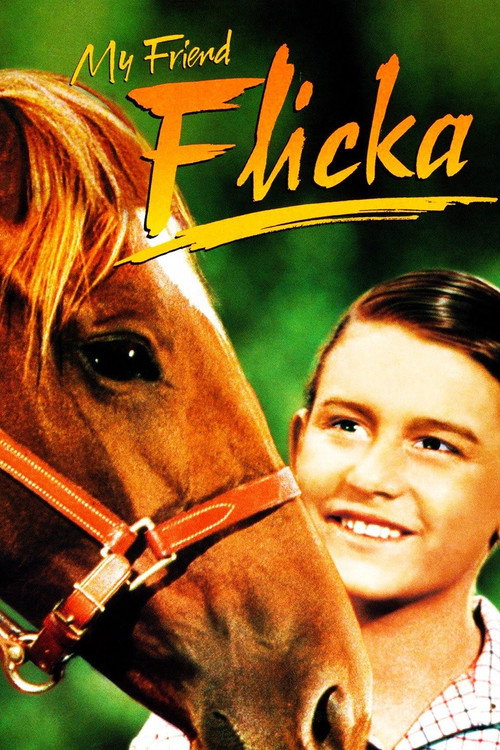
My Friend Flicka1943
A girl's bond with her horse teaches her about responsibility, disappointment, and growing up. Like *The Red Pony*, it trusts the landscape and the animal to carry emotional weight without melodrama.
But The sentimentality creeps in occasionally, and the Technicolor glow can feel at odds with the harder truths the story wants to tell.
East of Eden1955
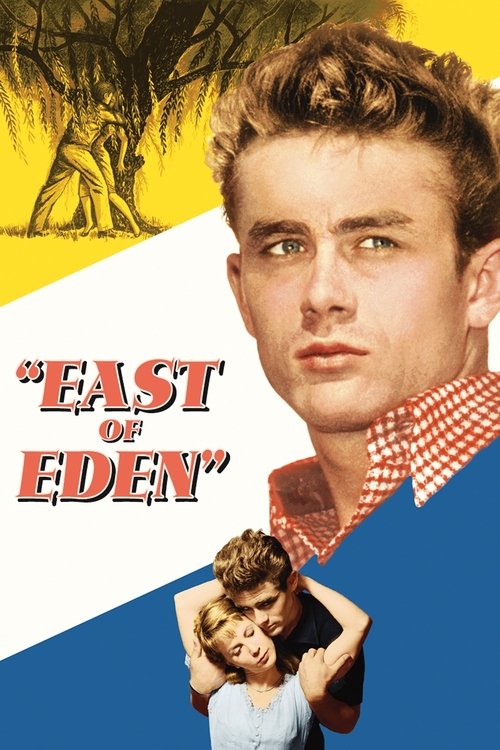
Kazan's adaptation of another Steinbeck novel about troubled family dynamics in California farm country. It has the same moral complexity and that searching quality—characters trying to understand themselves and each other.
But It's longer and louder, with James Dean's intensity filling the frame. If you want *The Red Pony*'s quietness, this swings too far the other way.
The Boy with Green Hair1948
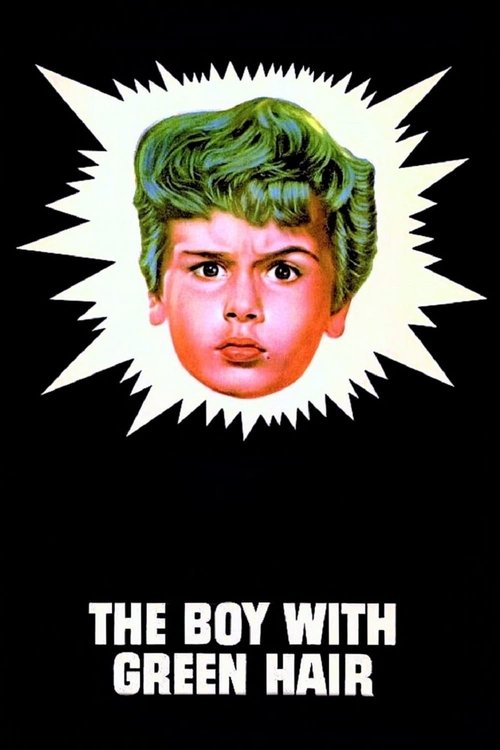
A boy navigates a hostile world while trying to understand his place in it. There's the same gentle melancholy, the same sense of childhood as a real emotional state rather than a setup for adventure.
But It's more experimental in style, and the allegory can feel heavy-handed compared to the naturalism of *The Red Pony*.
Not sure tonight? Get a pick in a minute, starting from The Red Pony
The wildcard
Something you would not have found on your own.
A Boy and His Dog1975
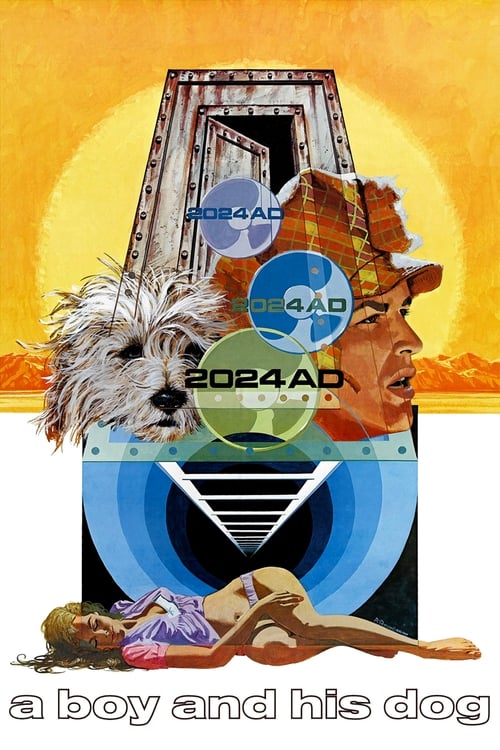
Both explore the symbiosis between a boy and an animal as the truest form of love and understanding in a world that doesn't quite fit them.
The title echoes *The Red Pony*, but this is post-apocalyptic science fiction set underground, about a boy's feral bond with his dog. It's Harlan Ellison's savage vision of attachment and survival—relationship without sentimentality, landscape as nightmare.
But It's explicit, violent, and uncomfortable about sex. The tenderness is weaponized. This is what happens if *The Red Pony* got bitten by something feral.
More like this (8)
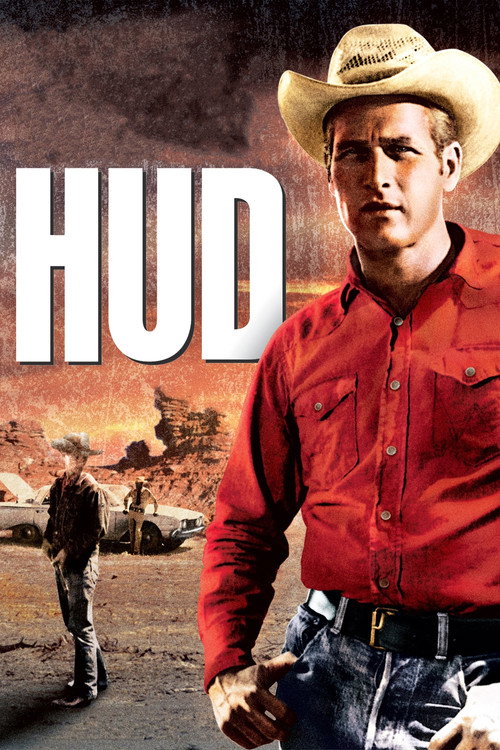
Hud1963
Paul Newman and Melvyn Douglas play a modern rancher and his father—family fracture, land, competing values. It has Mitchum's same weariness and moral ambiguity, set against the American West.
But It's much darker and more cynical about its characters. There's little tenderness here, and no boy to anchor our sympathy.
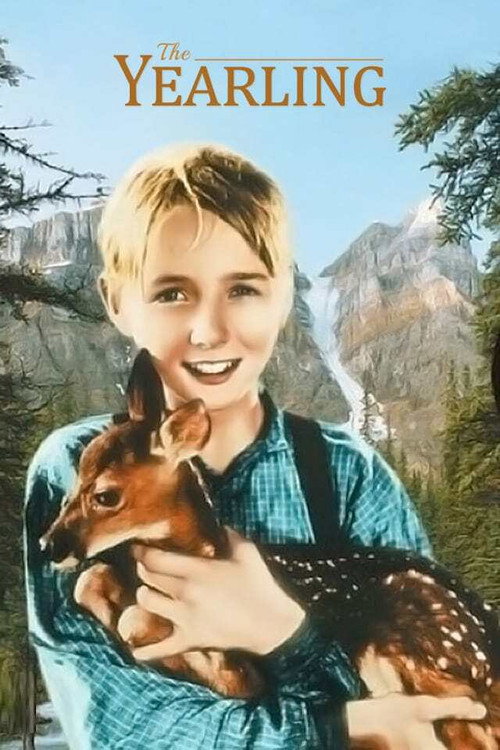
The Yearling1946
A boy's love for a wild animal mirrors Tom's relationship with the pony. It captures that specific ache of childhood attachment and the cruelty of learning that love doesn't always mean keeping something safe.
But Gregory Peck's presence is so strong it dominates the emotional landscape. Sometimes the boy gets lost in his shadow.
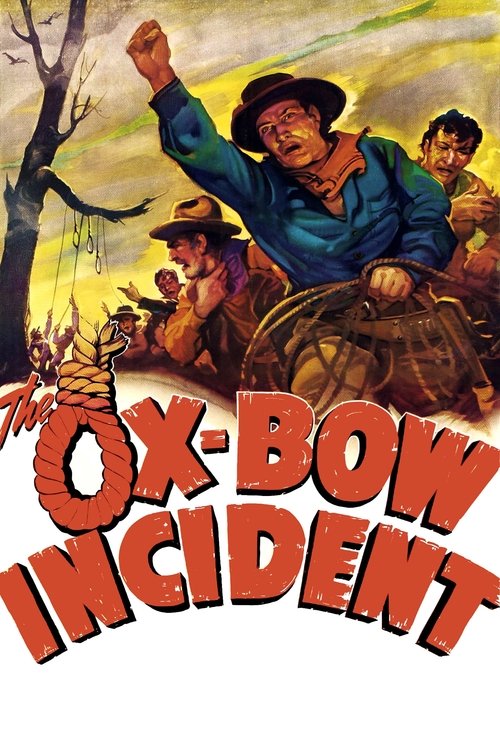
The Ox-Bow Incident1943
Henry Fonda in a Western that's actually a moral argument about justice and community. It shares *The Red Pony*'s skepticism about easy answers and its refusal to mythologize the frontier.
But It's a lynch-mob story. Heavy, angry, and relentless—very different in tone, even if the landscape is similar.
Johnny Guitar1954
An oddball Western directed by Nicholas Ray, stranger and more formally inventive than most. Joan Crawford's obsession mirrors the intensity of attachment in *The Red Pony*, but filtered through bizarre, dreamlike set pieces.
But It's genuinely weird and doesn't play by Western rules. If you're coming from *The Red Pony* for more realism, this will feel like you took a wrong turn.

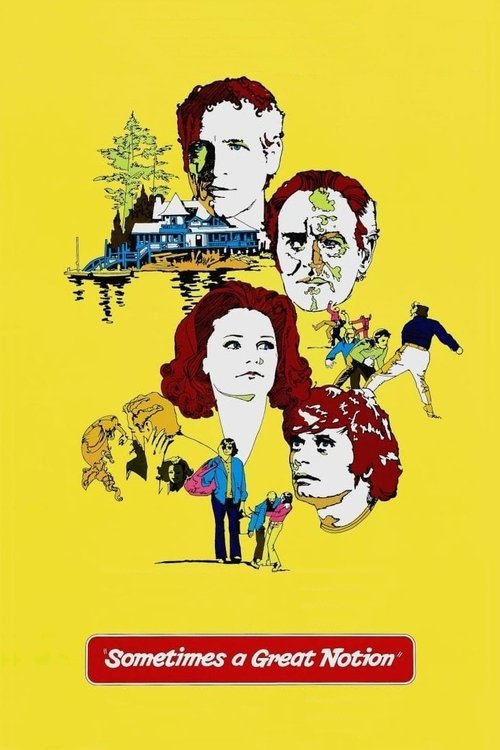
Sometimes a Great Notion1971
A multigenerational family drama set in the Pacific Northwest logging country. It has that same sense of landscape as character, family secrets, and the weight of inheritance—both the good and the breaking parts.
But It's nearly three hours and Paul Bunyan-sized in ambition. The scale can work against intimacy; you're watching an epic, not a moment.
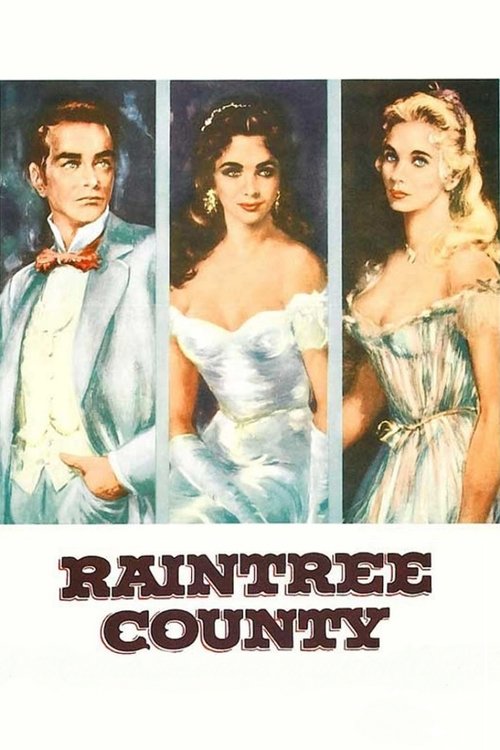
Raintree County1957
Montgomery Clift and Elizabeth Taylor in a Civil War romance tied to a mythical Indiana landscape. Like *The Red Pony*, it explores how place shapes identity and how family trauma echoes through generations.
But It's sweeping and romantic where *The Red Pony* is spare. The grandeur works against the intimate, almost whispered quality you're looking for.
Stalker1979
Both trust that a character standing in a landscape, thinking, is enough. Both believe in the spiritual weight of place and the interior lives of people who don't speak much.
Tarkovsky's meditative science fiction about three men journeying into a mysterious zone. Minimal plot, maximum longing—it has the same patience with silence and landscape that *The Red Pony* does, but stretched into metaphysics.
But It's slow, almost glacial. Twenty minutes can pass with barely any dialogue. If you want something to *happen*, you will be frustrated.

The Ballad of Little Jo1993
Both are Westerns that strip away the mythology. Both center on a solitary figure learning that belonging means accepting the landscape will never love you back, only that you can learn its language.
A woman disguises herself as a man to survive in 1880s Wyoming. It's a revisionist Western, beautifully shot, about isolation and the masks we wear. Maggie Greenwald's film shares *The Red Pony*'s refusal to sentimentalize the frontier.
But It's about an adult's quiet survival, not childhood. The sex work and frontier bleakness are handled matter-of-factly, without romance. That hardness might read as cold.

People
Cast
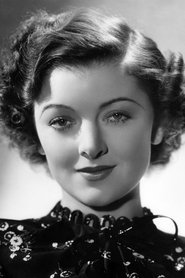 Myrna LoyAlice Tiflin
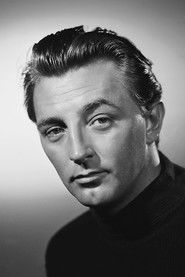 Robert MitchumBilly Buck
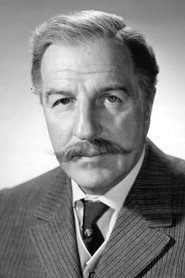 Louis CalhernGrandfather
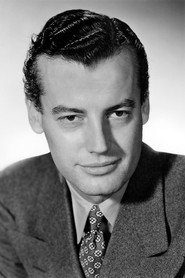 Shepperd StrudwickMr. Fred Tiflin
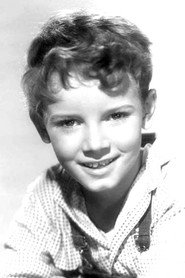 Peter MilesTom
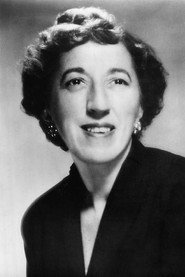 Margaret HamiltonTeacher
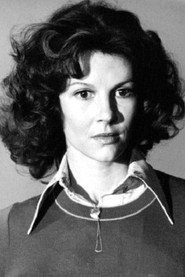 Melinda ByronJinx Ingals
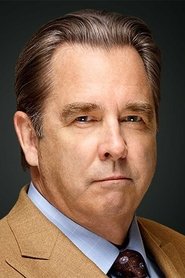 Beau BridgesBeau
- Jackie JacksonJackie
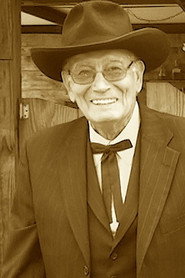 Don ReynoldsLittle Brown Jug
- Nino TempoNino
- Tom SheridanDale
Directing
- Robert AldrichAssistant Director
- Lewis MilestoneDirector
- Don WeisScript Supervisor
Writing
- John SteinbeckWriter
Production
- Nate WattProduction Manager
Recommended by
The Yearling, Thunderhead: Son of Flicka, Courage of Lassie, Gypsy Colt, The Roy Rogers Show, Night Song, The Brave One, White Mane, The Story of Seabiscuit, Black Beauty