
Film
Courage of Lassie
A 1946 Lassie film that trades the usual pastoral warmth for genuine darkness. A dog separated from his girl is trained as a war dog, traumatized by combat, and returns home dangerous and changed. It's a family film that takes its stakes seriously—grief, loss, the psychological cost of violence—and refuses easy sentiment.
Should you watch it?
Watch it if you like old-fashioned animal stories told with earnest sincerity, where a dog's loyalty carries the emotional weight and the human drama stays gentle and unhurried.
Skip it if you want a fast, modern animal adventure with sharp dialogue, since this moves at a leisurely 1940s pace and its sentiment is openly sincere rather than ironic.
What it asks of you: Settle in for about ninety-two minutes of gentle pacing and heartfelt sentiment, with long quiet stretches and a wartime shadow that hangs over the story without ever turning it grim.
Not sure? Find tonight's pick in a minute.
If you liked this
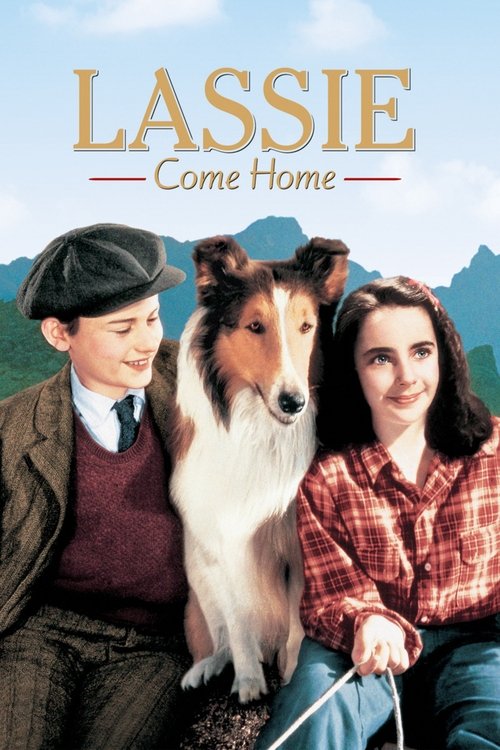
Lassie Come Home1943
The film that started it all. Pal the dog became Lassie here, and this is pure, unsentimental storytelling about a dog's impossible journey home. It has the weight this 1946 sequel is reaching for.
But It moves at a 1943 pace—slower than modern film, with less action and more talking. If you need constant movement, it will test you.
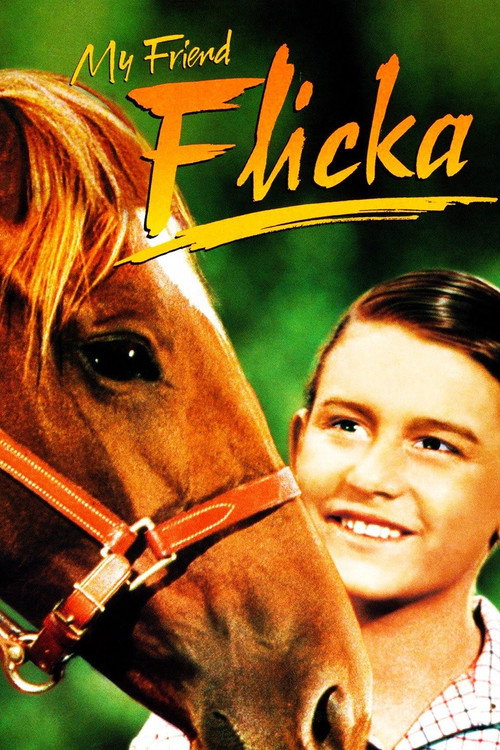
My Friend Flicka1943
Another animal-centered family drama with real dramatic stakes. A boy bonds with a horse; complications arise that matter. Beautiful Technicolor and genuine emotion without condescension.
But The pacing is deliberate and the resolution is neat in ways that might feel simplistic to modern eyes.
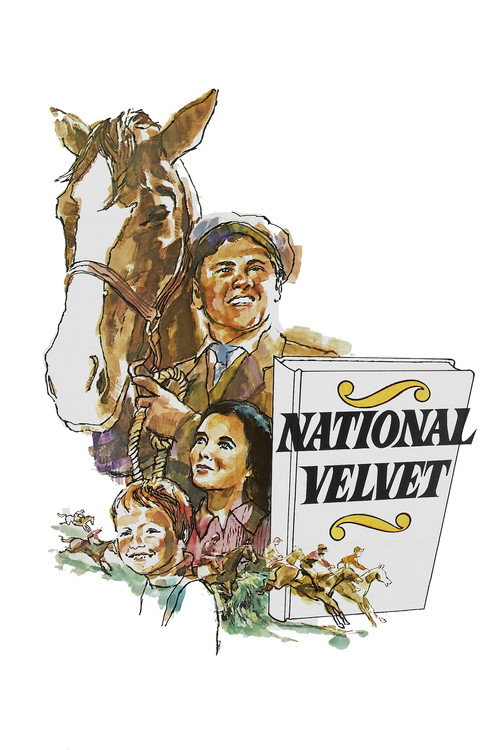
National Velvet1945
Elizabeth Taylor's breakthrough, a girl and her horse racing film with actual narrative drive. Taylor brings intensity; the horse racing sequences have real urgency and spectacle.
But It's a star vehicle first, drama second. Some of the emotional beats feel engineered for maximum appeal rather than maximum truth.
Not sure tonight? Get a pick in a minute, starting from Courage of Lassie
The wildcard
Something you would not have found on your own.
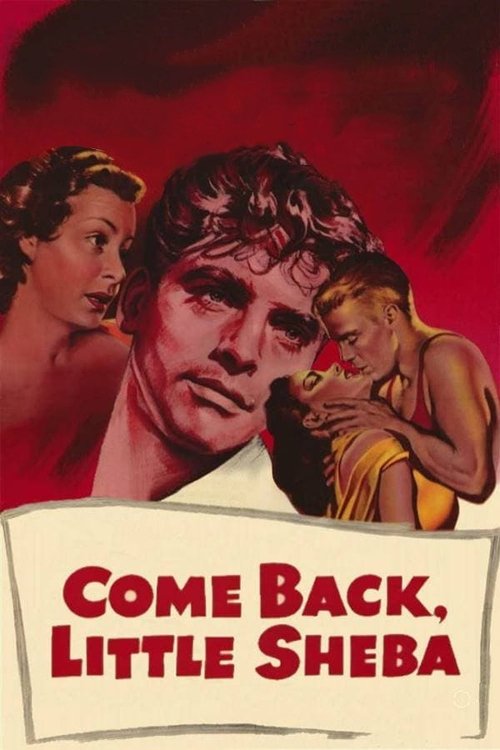
Come Back, Little Sheba1953
Both use an animal's absence or return as a mirror for human damage. Both refuse to let sentiment obscure the real cost of loss.
Burt Lancaster and Shirley Booth in a devastating domestic drama. A middle-aged marriage fractured by loss and regret. What this film does with grief and the damage we inflict on each other is extraordinary.
But It's not a pet story—it's about the hole a missing dog reveals in a marriage. Very dark, very adult, very unsentimental about human failure.
More like this (7)
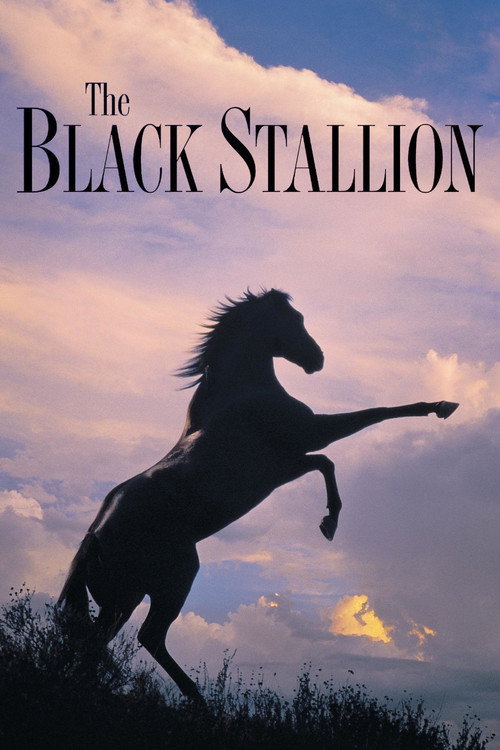
The Black Stallion1979
An animal film that understands loneliness and connection. A boy and a wild horse find each other after a shipwreck. Gorgeously shot, genuinely moving, and it earns every emotional beat.
But Slower than you'd expect in the second act. The bond-building doesn't rush, which some find meditative and others find static.
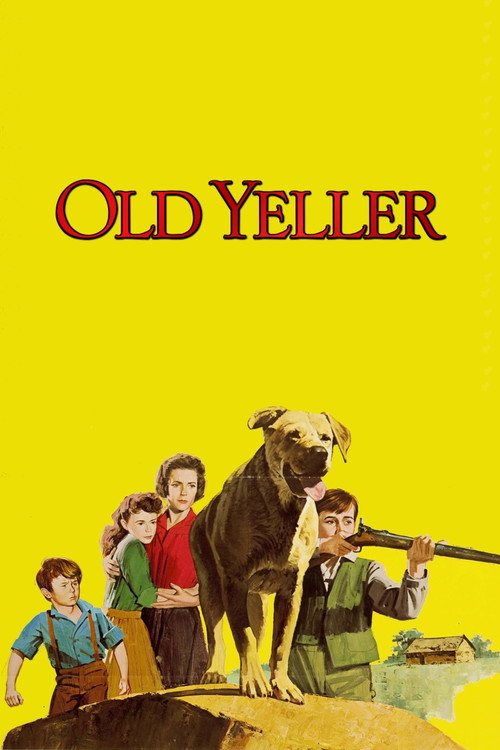
Old Yeller1957
Disney's most unflinching family film. A boy meets a stray dog on the frontier; they bond; everything that can go wrong does. It trusts you to handle real loss.
But The ending is genuinely tragic. If you're watching for comfort, this will disappoint you. Children have been known to cry.
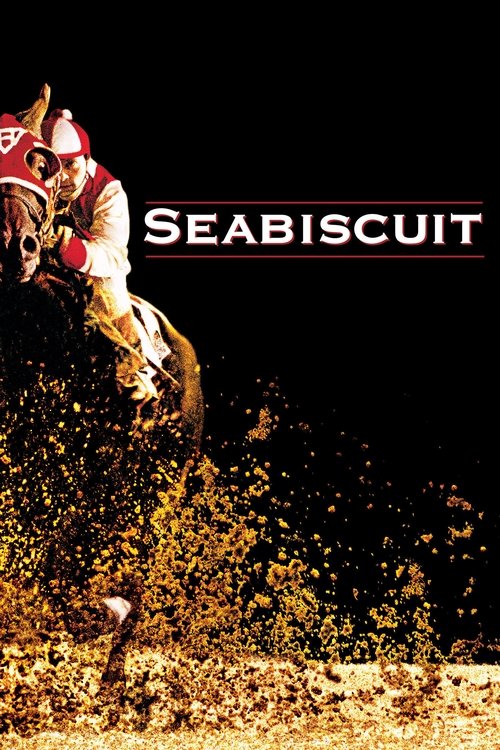
Seabiscuit2003
A Depression-era underdog story about a broken horse, a broken man, and a determined kid. Well-made, emotionally intelligent, and it finds dignity in damage.
But At two and a half hours, it luxuriates in period detail. If you need plot momentum, you'll feel the length.
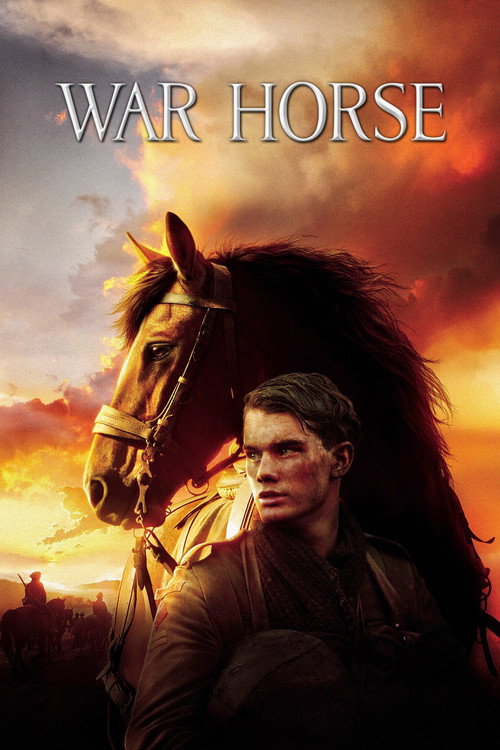
War Horse2011
Spielberg's adaptation of the stage play. A farm horse is conscripted into WWI and witnesses the war from both sides. Ambitious, visually stunning, and it matters that you care about the horse.
But It wears its sentimentality openly. The emotional beats are orchestrated; if that feels manipulative to you, the film won't work.
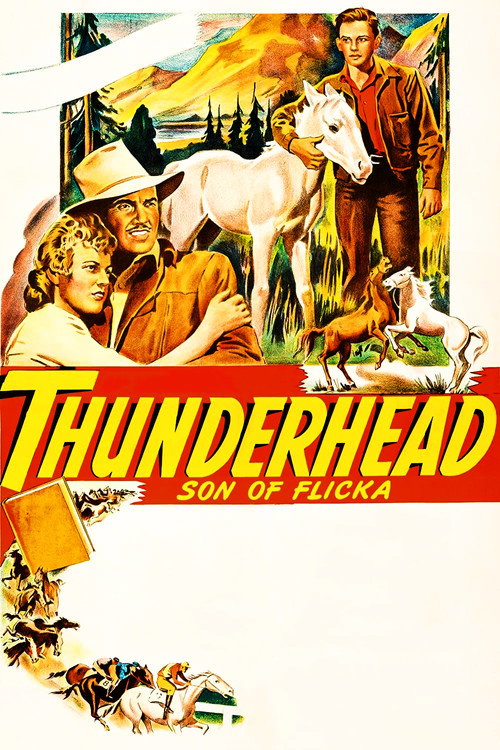
Thunderhead: Son of Flicka1945
A follow-up to My Friend Flicka with all the pastoral beauty and none of the novelty. If you liked the first one, this delivers more of what worked.
But It's a direct sequel to a film you may not have seen, and it assumes you care. The story beats are fairly predictable.
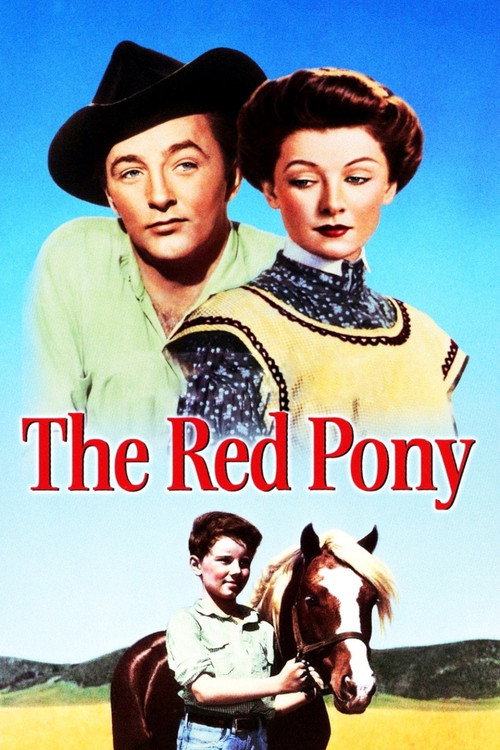
The Red Pony1949
Both are animal films about irreversible loss and the violence—accidental or deliberate—that comes with the natural world. Both resist easy comfort.
John Ford directing a boy and his dying horse. Subtle, visually gorgeous, and morally complex about what we owe creatures we love and what the natural world owes us nothing.
But It's quiet and contemplative in ways that can feel slow. The boy's discovery is existential, not plot-driven. Expect philosophy, not adventure.
Stalker1979
Both films are about a journey transformed by trauma and doubt. Both ask whether you can return home the same person, and both suggest the answer is no. Both use long, contemplative sequences to make you feel the weight of that knowledge.
A Tarkovsky science-fiction film about a man guiding two others through a mysterious zone toward a room that grants wishes. Hypnotic, meditative, obsessed with the weight of desire and the cost of wanting.
But It's a 163-minute philosophical slow-cinema Soviet film. If you want plot, spectacle, or answers, this is the opposite of what you're getting. It will test patience.

People
Cast
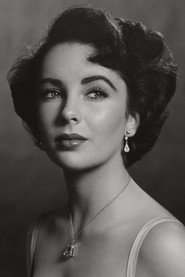 Elizabeth TaylorKathie Eleanor Merrick
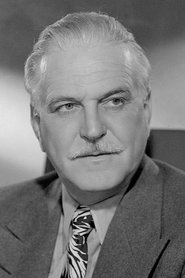 Frank MorganHarry MacBain
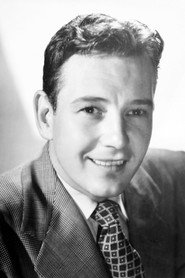 Tom DrakeSergeant Smitty
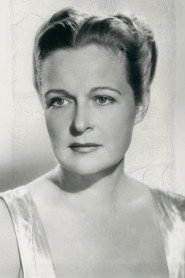 Selena RoyleMrs. Merrick
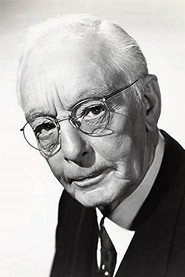 Harry DavenportJudge Payson
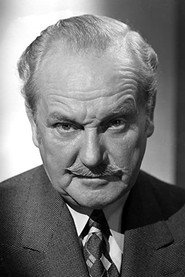 George ClevelandOld Man
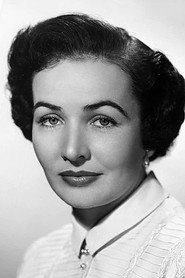 Catherine McLeodAlice Merrick
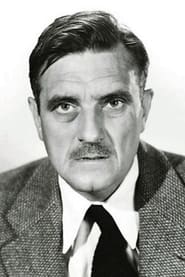 Morris AnkrumFarmer Crews
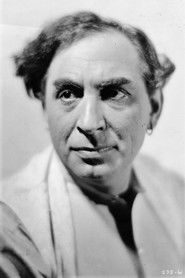 Mitchell LewisGil Elson
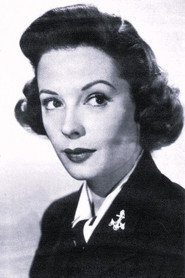 Jane GreenMrs. Elson
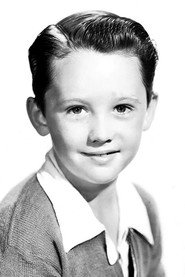 David HoltPete Merrick
- Bill WallaceSergeant Mac
Recommended by
My Friend Flicka, Lassie Come Home, Gypsy Colt, The Secret Garden, Son of Lassie