
Film
Thunderhead: Son of Flicka
- Drama
- Light-hearted
A 1945 family Western about a boy training his father's prized white colt for racing. It's earnest, beautifully shot, and moves at a gallop—genuinely thrilling if you love horses and aren't allergic to old-fashioned virtue. For anyone who grew up on animal stories or wants to see Technicolor ranch life done right.
Should you watch it?
Watch it if you like old-fashioned horse stories where a boy's stubborn devotion to an animal matters more than polished filmmaking, and you don't mind sentiment worn openly on the sleeve.
Skip it if you need modern pacing or restraint, since this 1945 family picture leans on earnest speeches, big emotional swings and a training plot that plays out at gentle, familiar clip.
What it asks of you: At about seventy-eight minutes, it moves briskly and stays earnest from start to finish, asking for patience with its sentiment and little in the way of irony.
Not sure? Find tonight's pick in a minute.
If you liked this
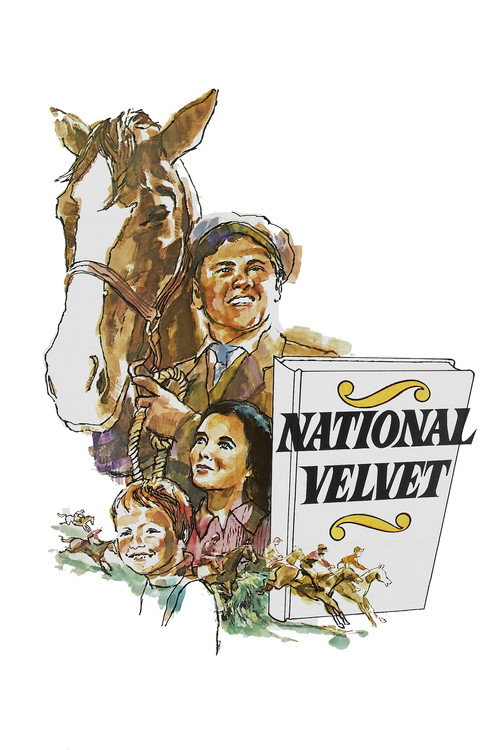
National Velvet1945
Released the same year, with Elizabeth Taylor as a girl training a horse for the Grand National. It has the same wholesome intensity and gorgeous Technicolor romance with animals. A companion piece that defined the template.
But The melodrama is laid on thick, and it's over two hours long. If you want something leaner, this sprawls.
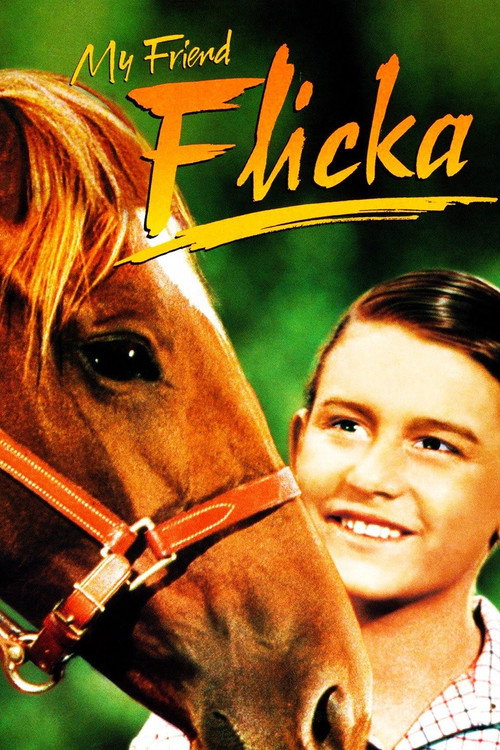
My Friend Flicka1943
The first film in this trilogy, where young Ken bonds with his horse Flicka. It's the origin story that explains everything in Thunderhead—essential context and equally lovely to watch.
But Being the beginning, it moves slower. If you want to jump in with the action, this is table-setting.
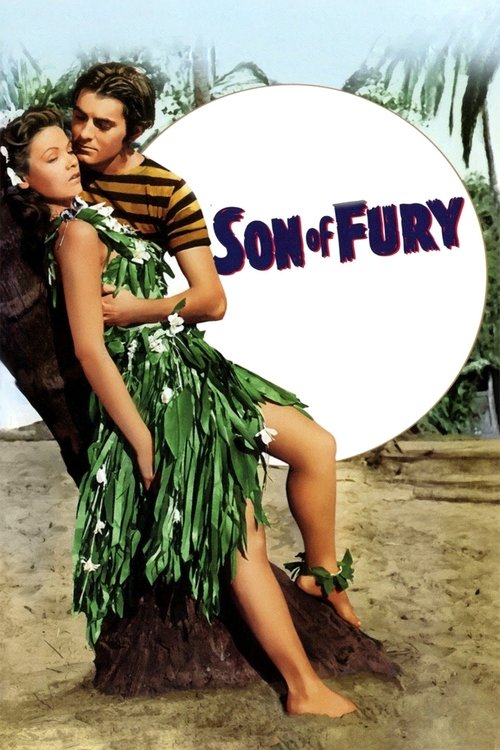
Son of Fury: The Story of Benjamin Blake1942
A Tyrone Power adventure with the same studio gloss and Saturday-matinee energy. Different genre entirely—swashbuckling instead of ranching—but the same appetite for spectacle and earnestness.
But It's much longer and more plot-heavy. Thunderhead's simplicity is part of its charm.
Not sure tonight? Get a pick in a minute, starting from Thunderhead: Son of Flicka
The wildcard
Something you would not have found on your own.
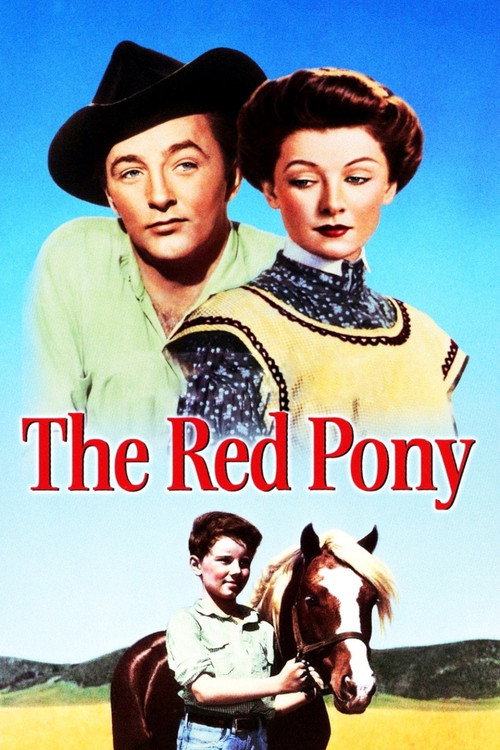
The Red Pony1949
Both are Technicolor boy-and-horse stories about legacy and the wild West, but Ford interrogates the sentimentality that Thunderhead celebrates. Same structure, opposite registers.
John Ford's adaptation of Steinbeck, also about a boy and his horse, also in gorgeous Technicolor. It's got the same reverence for animals and the West, but it's *Ford*—which means real tragedy underneath the beauty. Deeper than Thunderhead, same emotional architecture.
But It's considerably sadder and more adult. The innocence gets tested. If you want the comfort of Thunderhead, Ford will take it from you.
More like this (7)
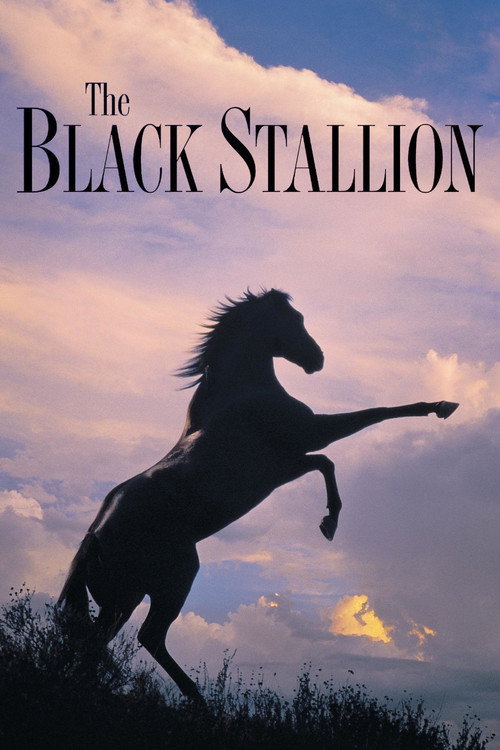
The Black Stallion1979
A boy-and-horse story that updates the formula with modern filmmaking. The same deep bond, the same training montages, the same magical logic. If you loved Thunderhead, this proves the template endures.
But It's a different era entirely—the pacing and emotional register feel contemporary. You're losing the period charm.
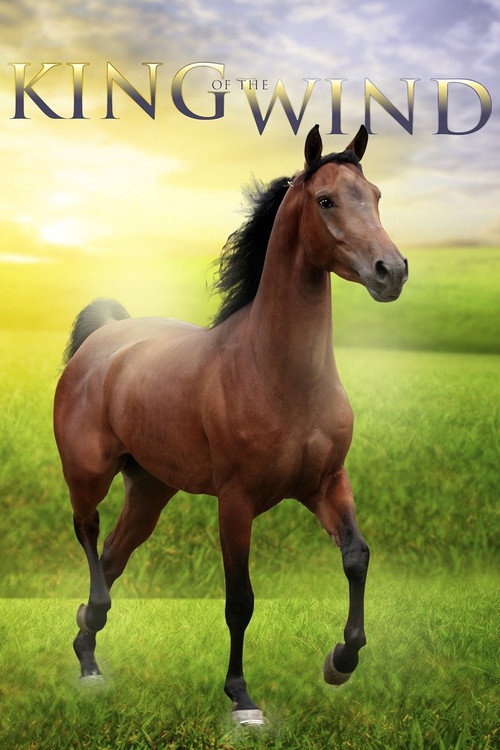
King of the Wind1990
Another horse-racing story about breeding and legacy, based on a Newbery Medal book. It has the same reverence for animals and family pride, with gorgeous cinematography and real stakes.
But It's darker than Thunderhead, with genuine cruelty and hardship. The innocence is gone.
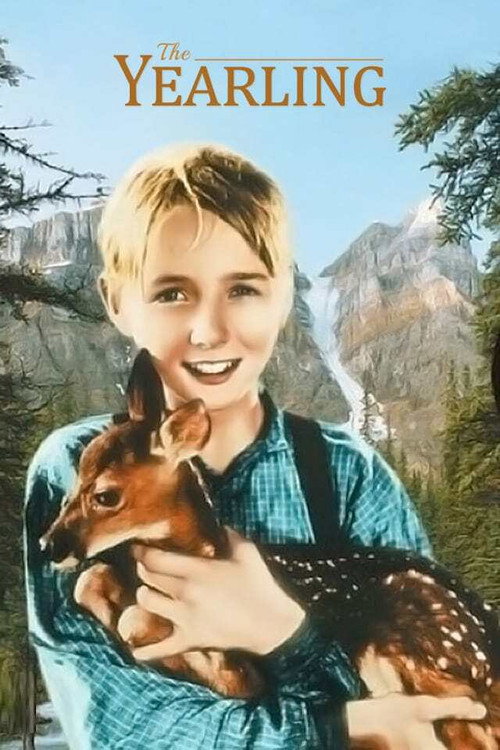
The Yearling1946
A boy raising an animal in the wilderness, just after Thunderhead. It shares the tenderness and the landscape photography, though it's about a deer instead of a horse.
But It's sadder. The ending breaks the family-picture spell. If you want that comfort, this doesn't provide it.
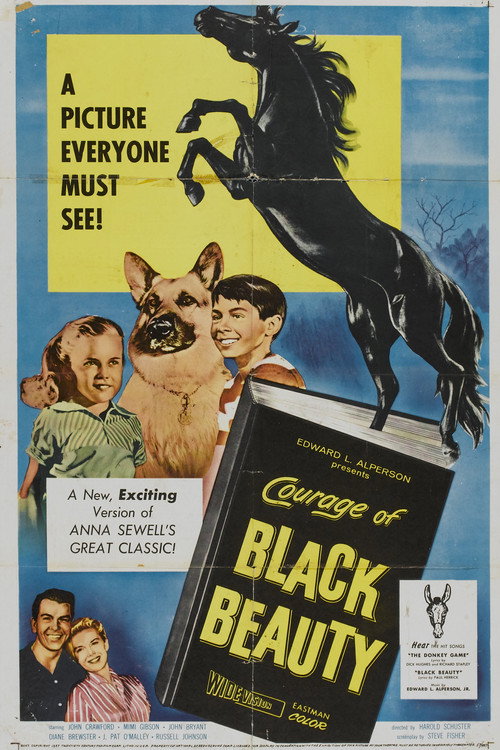
Courage of Black Beauty1957
Another horse film from the same studio system, with similar craftsmanship and that Technicolor sheen. Familiar beats, familiar satisfaction, a different horse.
But By the 1950s, the formula is well-worn. It feels like a repeat even if you haven't seen the others.
Dangerous Moonlight1941
A different kind of story—a wartime romance—but it has the same earnest, swept-up energy and Roddy McDowall's youthful presence. Shows what the studio system could do with melodrama.
But It's not about horses or the outdoors. You're watching for the atmosphere and McDowall's charm, not the plot.
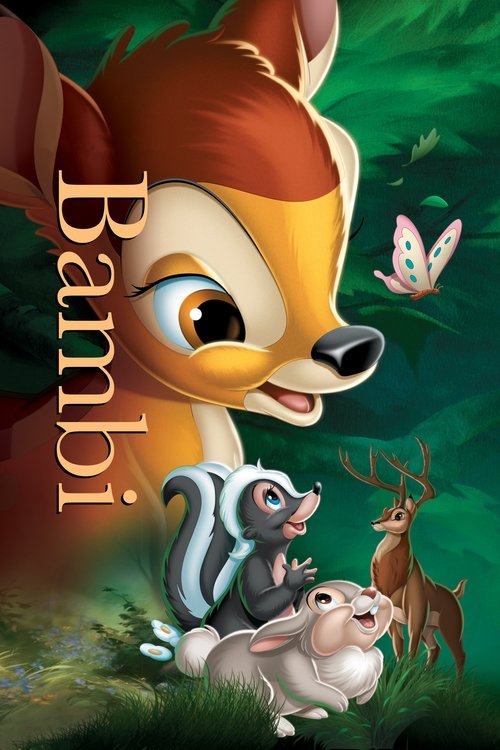
Bambi1942
Both teach you to bond with an animal through visual beauty, and both hide real danger under Technicolor loveliness. Same structure in wildly different forms.
An animated animal story from three years earlier, also in gorgeous Technicolor, also teaching you to love something wild. The training sequences echo each other; so does the violence underneath the beauty. A completely different medium, same emotional DNA.
But It's animation, not live-action. The creatures don't move like horses. And it's considerably more traumatic—the hunting scene is visceral. You're not getting the ranch-story comfort.
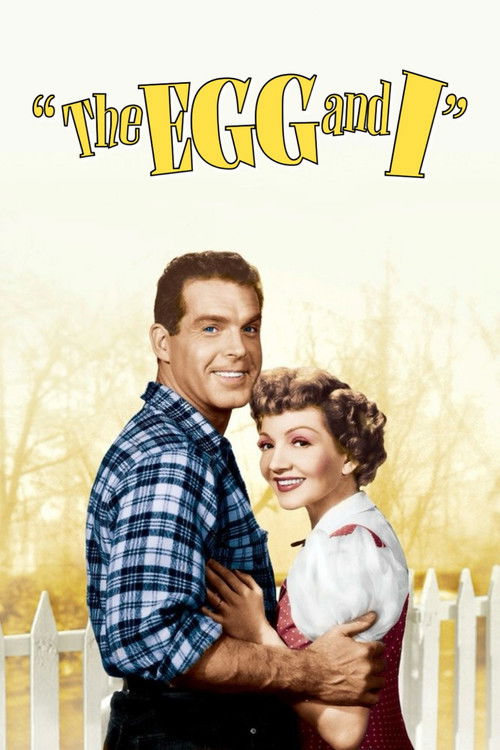
The Egg and I1947
Both celebrate the beauty of farming life and animal husbandry in Technicolor, but one is an adventure and one is a comedy. Same landscape, opposite stories told on it.
Claudette Colbert and Fred MacMurray on a farm in Washington, a domestic comedy about making a wilderness work. It's got the same Technicolor ranch aesthetic and the same appetite for small victories and honest work. Completely different tone—funny instead of thrilling—but the same love of land and animals.
But It's a screwball comedy, not a boy's adventure. The drama is domestic and marital, not about training and racing. You're getting the setting, not the plot.
People
Cast
 Roddy McDowallKen McLaughlin
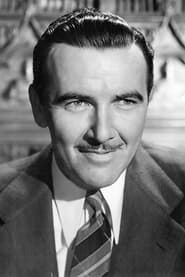 Preston FosterRob McLaughlin
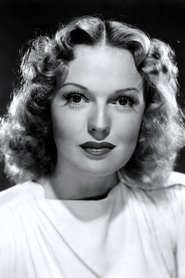 Rita JohnsonNelle McLaughlin
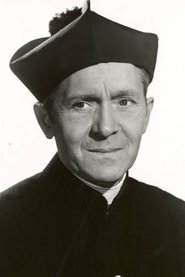 James BellGus
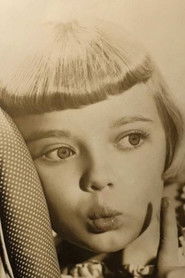 Patti HaleHildy
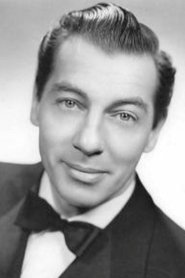 Carleton YoungMajor Harris
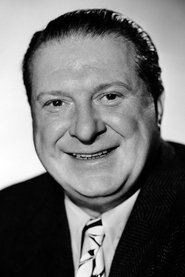 Ralph SanfordCharlie Sargent
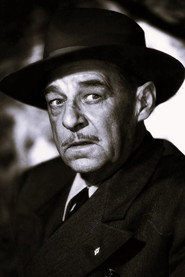 Al BridgeDr. Hicks
Directing
- Louis KingDirector
Writing
- Mary O'HaraNovel
- Dorothy YostScreenplay
- Dwight CumminsScreenplay
Production
- Robert BasslerProducer
Recommended by
My Friend Flicka, Phar Lap, Courage of Lassie, King of the Wild Stallions, Misty