
Film
Bambi
Walt Disney's second animated feature is less a story than a season cycle — a deer's life rendered in watercolor backgrounds so lush the studio sent artists to live in real forests to study light. It's slow, hushed, almost wordless in stretches, and contains one of the most quietly devastating scenes in American cinema. Gentle pacing, real stakes: a kids' film that doesn't protect you from anything.
If you liked this
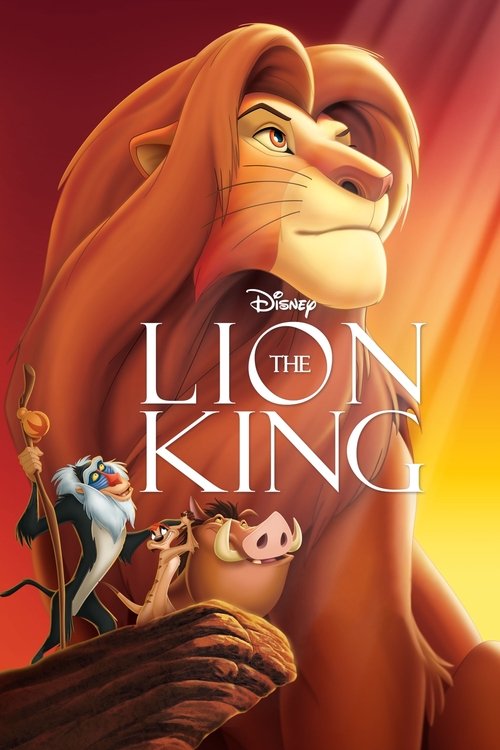
The Lion King1994
Same Disney engine — animal royalty, a parent's death, a forest full of grief and growing up — but louder, funnier, and scored within an inch of its life. The obvious next step, and it earns it.
But The showmanship (songs, Rafiki, Timon and Pumbaa) is a very different register from Bambi's hush.
Dumbo1941no page yet
Made the year before Bambi, from the same studio in the same tender, wounded mood — a small creature separated from its mother, told with astonishing economy in under an hour.
But The pink elephants sequence is a genuine tonal swerve, and some of its 1941 attitudes have aged badly.
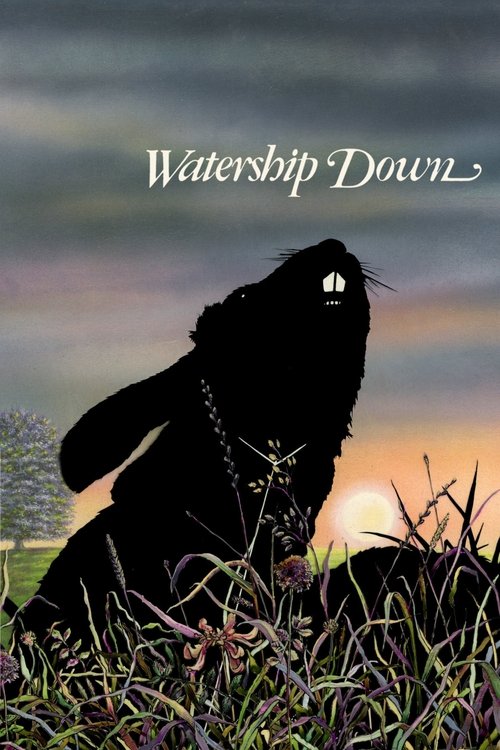
Watership Down1978
Takes Bambi's premise — prey animals, a hostile world, death as fact rather than drama — and pushes it much further. Traumatized a generation of British children for good reason.
But Genuinely frightening in places; not the film to hand a small child expecting rabbits and meadows.
The wildcard
Something you would not have found on your own.
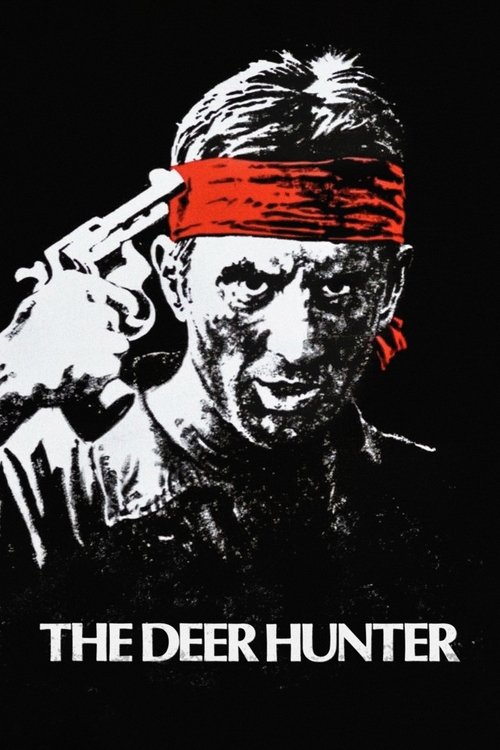
The Deer Hunter1978
Both use a deer, and the choice not to kill it, as the moral center of a story about the end of innocence — one for children, one for soldiers.
A three-hour American war epic that, midway through, stops everything for a hunting scene of almost unbearable moral weight — the deer as symbol of innocence, precisely as Bambi used it, but for grown men broken by Vietnam.
But Bleak, brutal, nearly the polar opposite of a family film in tone and length; this is Bambi's theme with all the softness burned off.
More like this (8)
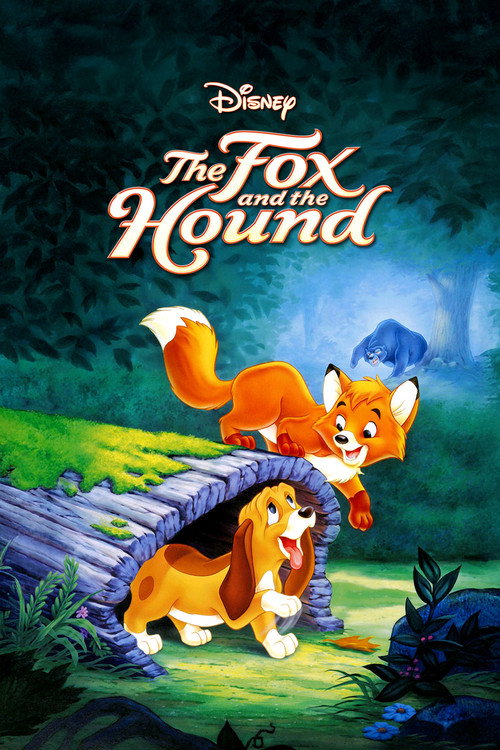
The Fox and the Hound1981
Same studio, same forest, same interest in how nature and friendship pull against each other — this time between a fox and the hound raised to hunt him.
But Slighter and more sentimental than Bambi, with a tidier moral than the story's setup promises.
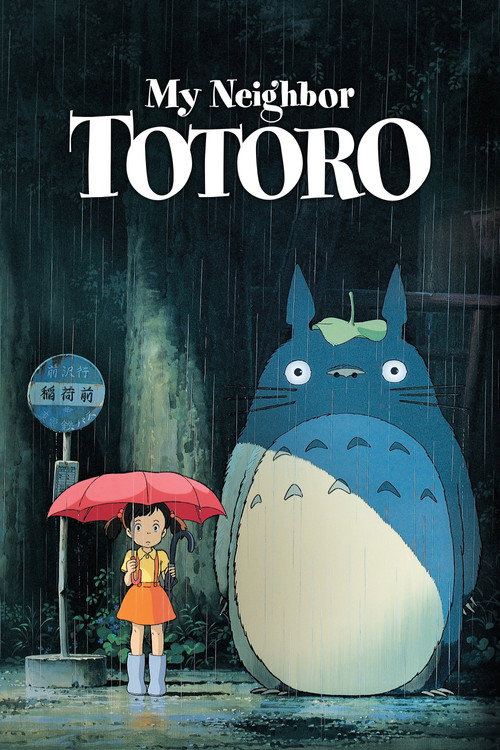
My Neighbor Totoro1988
Miyazaki's forest is Bambi's cousin — hand-drawn, patient, more interested in wonder and weather than plot, trusting kids to sit with quiet the way Disney once did.
But Almost no conflict; if you need incident to stay engaged, this will feel like watching clouds move.
Charlotte's Web1973no page yet
Another animal story willing to look death straight in the eye without flinching or over-explaining, wrapped in gentle, unhurried animation and a real ache underneath the songs.
But Dated visuals and a folksy sincerity some modern viewers find syrupy rather than moving.
The Jungle Book1967no page yet
Disney's other great forest coming-of-age story — looser and jazzier than Bambi, but built on the same idea of a young creature learning the rules of a world bigger than itself.
But Breezier and more comic throughout; it never risks the emotional gut-punch Bambi is known for.
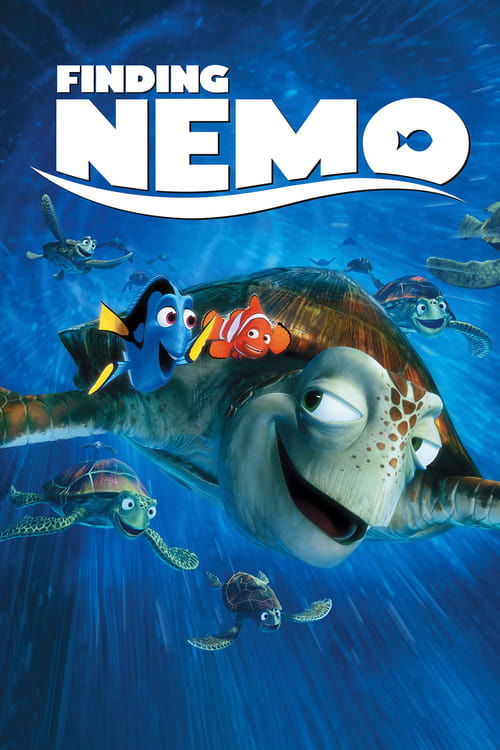
Finding Nemo2003
Swap forest for ocean and you've got the same architecture — a parent, a loss, a young animal finding its way — filtered through Pixar's brighter, funnier lens.
But Consistently jokier and more plot-driven; Bambi's stillness has no real equivalent here.
Spirit: Stallion of the Cimarron2002no page yet
A hand-painted, nearly wordless story about a wild animal against an encroaching human world — one of the last big traditionally animated films to try Bambi's kind of visual poetry.
But The narration and pop songs (courtesy of Bryan Adams) date it hard, and the story is thinner than its visuals promise.
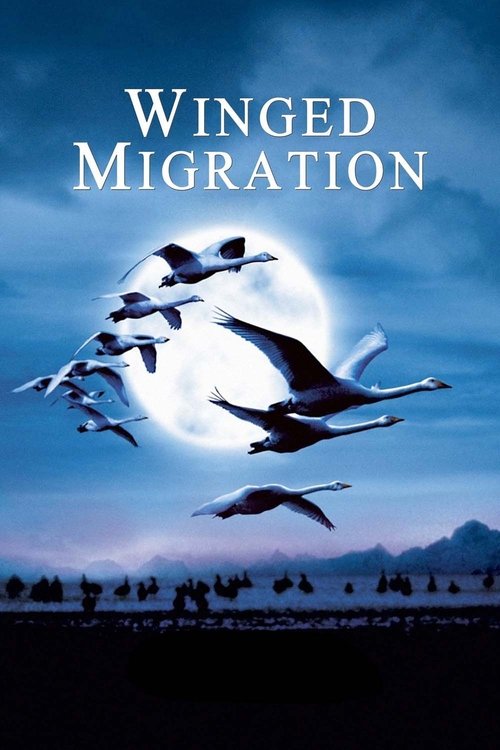
Winged Migration2001
Bambi's artists lived in the woods to paint real light and real animals; this film is what that same discipline looks like pointed at an actual camera.
A documentary that follows real birds through real seasons with almost no narration, using cinematography as patient and painterly as Bambi's animators aspired to when they studied actual forests for reference.
But No characters, no plot, no anthropomorphizing — if you want a story, not just a season passing, this will feel thin.
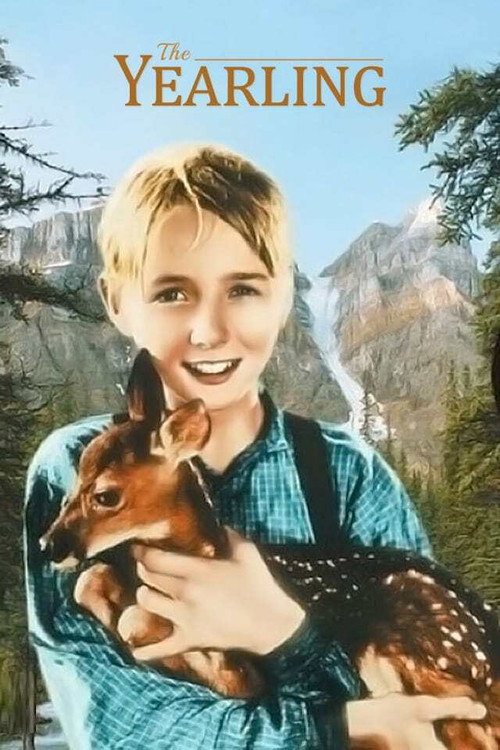
The Yearling1946
Same premise, same era, opposite medium: what Bambi tells you in watercolor, this tells you in sweat and Technicolor sunlight.
A live-action MGM drama, made four years after Bambi, about a boy and the fawn he raises and eventually has to let go — the same story, essentially, but told in real Florida scrubland with real actors and real consequence.
But Slower and more melodramatic by today's standards, and its ending asks a lot of young viewers expecting an animated comfort.
People
Cast
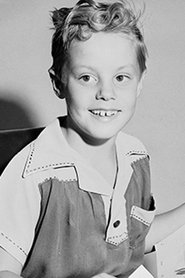 Donnie DunaganYoung Bambi (voice) (uncredited)
 Peter BehnYoung Thumper (voice) (uncredited)
 Stan AlexanderYoung Flower (voice) (uncredited)
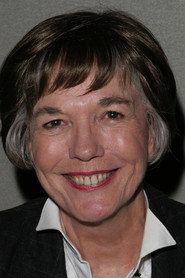 Cammie KingYoung Faline (voice) (uncredited)
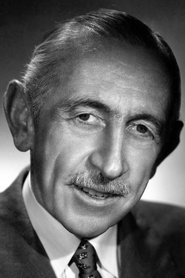 Will WrightFriend Owl (voice) (uncredited)
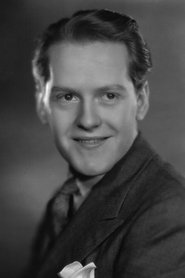 Hardie AlbrightAdolescent Bambi (voice) (uncredited)
 Ann GillisAdolescent Faline (voice) (uncredited)
 Tim DavisAdolescent Thumper / Adolescent Flower (voice) (uncredited)
 Sam EdwardsAdult Thumper (voice) (uncredited)
 Sterling HollowayAdult Flower (voice) (uncredited)
 Otis HarlanMr. Mole (voice) (uncredited)
- Thelma BoardmanGirl Bunny / Quail Mother / Female Pheasant (voice) (uncredited)
Directing
- Bill RobertsCo-Director
- Graham HeidCo-Director
- James AlgarCo-Director
- Norman WrightCo-Director
- Paul SatterfieldCo-Director
- Samuel ArmstrongCo-Director
- David HandDirector
Writing
- Larry MoreyLyricist
- Felix SaltenNovel
- Carl FallbergStory
- Chuck CouchStory
- Mel ShawStory
- Perce PearceStory
- Ralph WrightStory
- Vernon StallingsStory
Production
- Walt DisneyProducer
Recommended by
Watership Down, The Fox and the Hound, The Lion King, The Land Before Time, Fantasia, The Yearling, The Bear, Pinocchio, Two Brothers