
Film
The Adventures of Milo and Otis
A Japanese adventure film following a cat and dog separated by accident, each traversing dangerous landscapes to reunite. Gorgeously shot with minimal dialogue, it's essentially a nature documentary filtered through a storybook. Charming for families, meditative for adults—less plot-driven than mood-driven, all instinct and loyalty.
Should you watch it?
Watch it if you love wordless animal journeys told through nature's sheer scale, where a narrator's gentle voice does the feeling and the landscapes do the rest.
Skip it if you want characters who talk and scenes that build tension, since this is mostly a narrated trek through wild country with little dialogue.
What it asks of you: Short at 75 minutes but unhurried, it lingers on wide landscapes and quiet animal movement, letting the journey carry the feeling rather than rushing toward its points.
Not sure? Find tonight's pick in a minute.
If you liked this
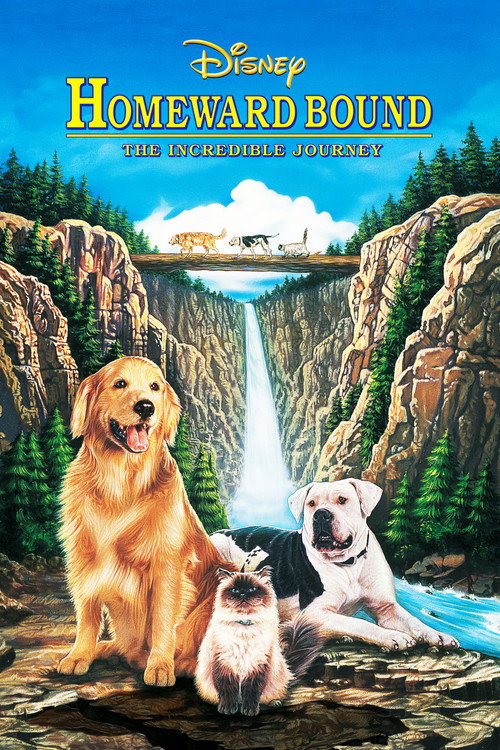
Homeward Bound: The Incredible Journey1993
Two dogs and a cat cross wilderness to reach their owners. It has genuine stakes, humour, and that same primal pull of animals in peril—but with more personality and wit than you'd expect from a '90s family film.
But Arrives at emotional beats you can see coming. The animals talk and have recognizable character quirks, which some find precious rather than moving.
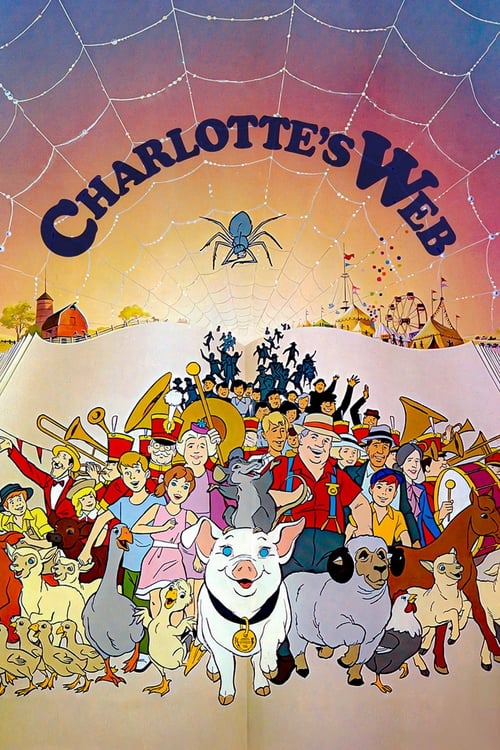
Charlotte's Web1973
A pig and a spider find themselves bound by obligation and love. The animation is delicate, the voice work is stirring, and it trusts its audience to sit quietly with sadness—something rare in children's media.
But Very slow. The payoff requires you to accept that a children's film might end with genuine loss, not rescue.
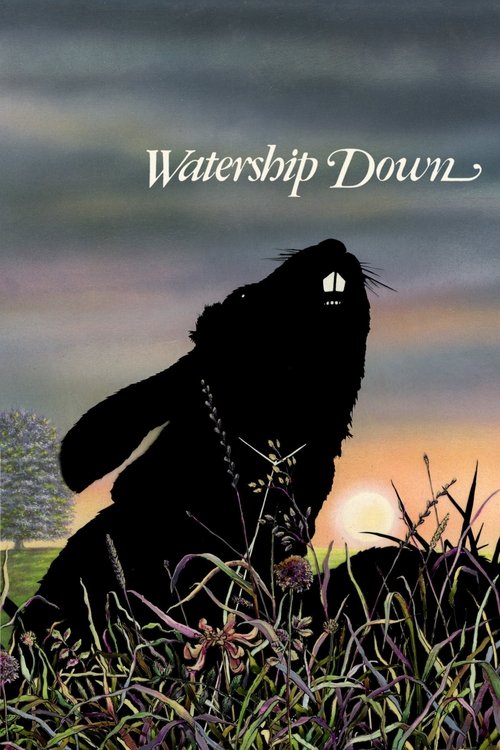
Watership Down1978
Rabbits flee their warren in an epic, unexpectedly violent odyssey. The animation is startling, the world-building is complete, and it refuses to soften the cost of survival. Haunting and unforgettable.
But Genuinely disturbing for young children—predators, death, and an atmosphere of relentless dread. Not cute at all.
Not sure tonight? Get a pick in a minute, starting from The Adventures of Milo and Otis
The wildcard
Something you would not have found on your own.
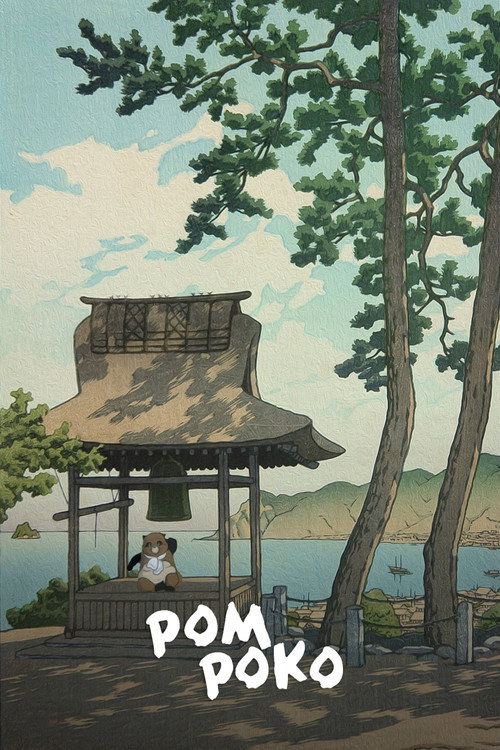
Pom Poko1994
Both films centre animal perspective and displacement, and both use minimal dialogue to let landscape and silence do the storytelling work. Nature as character, not backdrop.
Studio Ghibli's film about tanuki (shape-shifting raccoon dogs) fighting suburban expansion with shape-shifting mischief and environmental despair. Hand-drawn animation of impossible beauty, a wry perspective on nature versus humans, and a willingness to let melancholy win.
But Tonal shifts from comedy to genuine ecological tragedy can feel jarring. The middle section slags under political discussion. Japanese folklore logic may feel distant.
More like this (7)
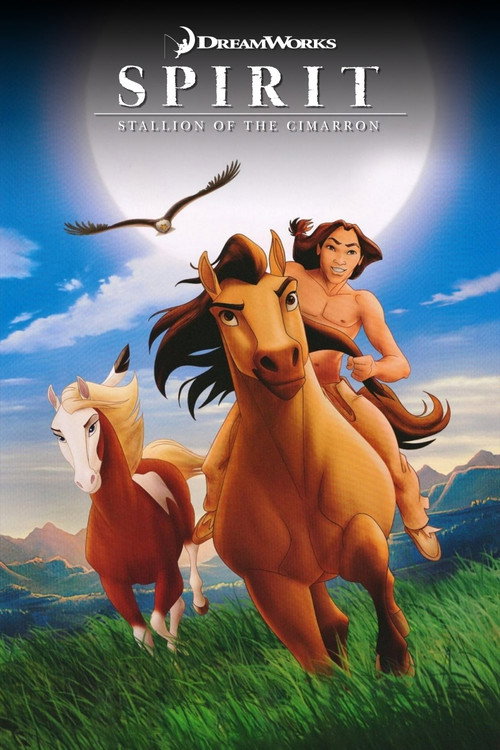
Spirit: Stallion of the Cimarron2002
A wild mustang's journey across the American West, told mostly through visuals and Hans Zimmer's score. Painterly animation and a refusal to over-explain creates something dreamlike and moving.
But No dialogue for stretches. The story is simple to the point of thinness if you're looking for narrative complexity.
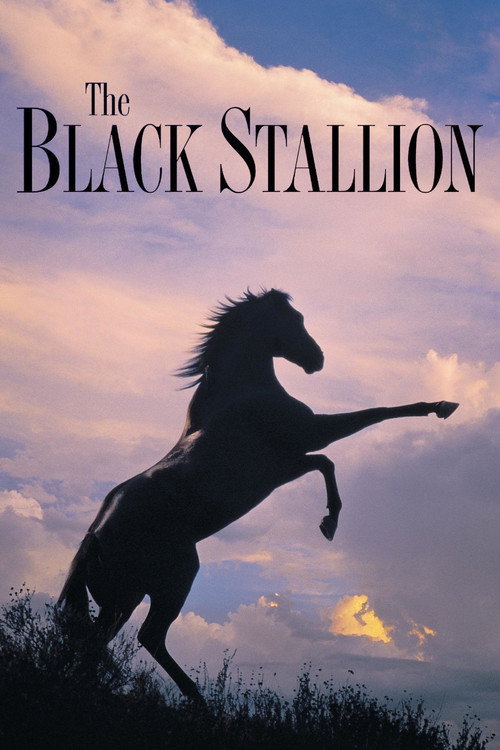
The Black Stallion1979
Boy and wild horse survive shipwreck and bond in isolation. It's patient, tactile, and genuinely interested in the relationship forming—not in racing or spectacle. A film about trust.
But The middle section is deliberately quiet and slow. You need to be in the mood for a film that takes its time building connection rather than delivering action.
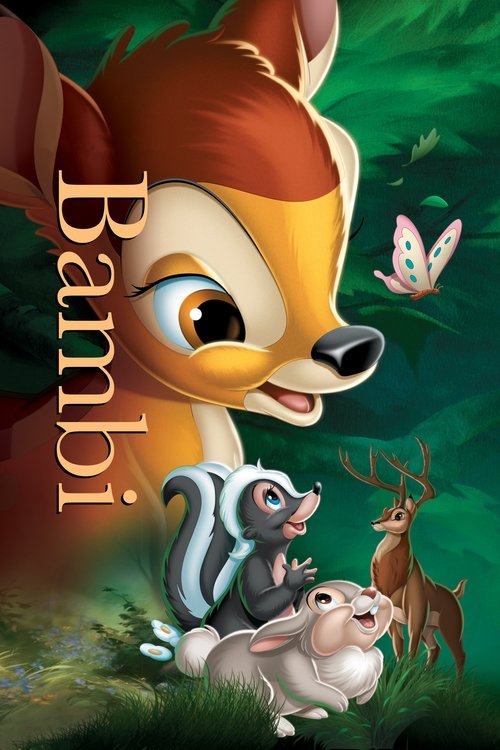
Bambi1942
Disney's masterpiece of restraint. The animation is perfect, the forest is alive, and the emotional impact of loss is never undercut by joke-making. It trusts silence.
But The specific trauma it inflicts in the second act has haunted children for eighty years. Some scars are formative; some just ache.
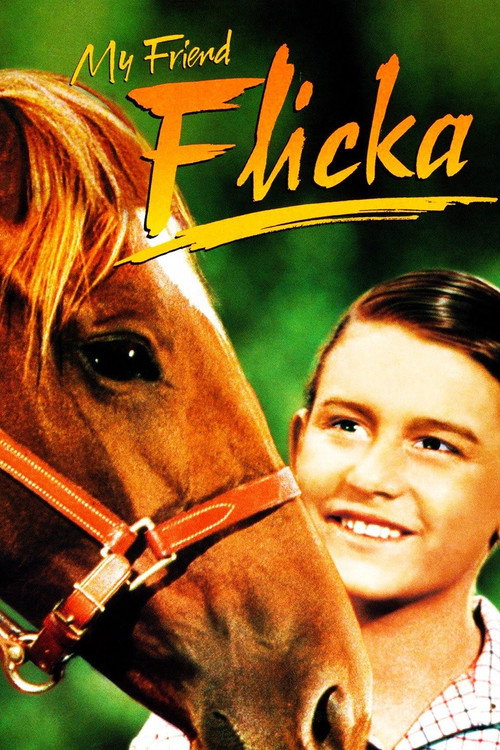
My Friend Flicka1943
A boy and his colt grow up together during hardship on a ranch. It has real texture—the work of raising animals, the patience required, the way love is proven through care rather than sentiment.
But Deeply of its era in pacing and sensibility. The story moves at a different speed than modern film, which some find meditative and others find tedious.
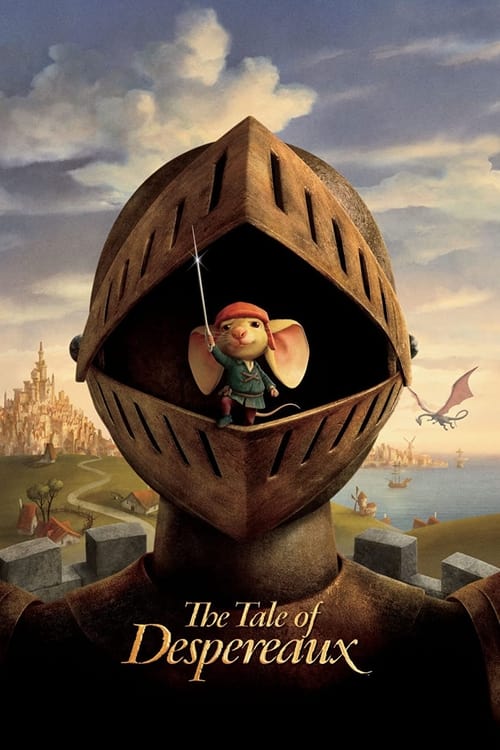
The Tale of Despereaux2008
A mouse and a princess connect across social boundaries in a storybook kingdom. The animation is ornate, the voice cast is gifted, and it's genuinely about forgiveness and the power of stories.
But Aggressively stylized animation and a narrator who may feel cutesy rather than enchanting. The whimsy is relentless.
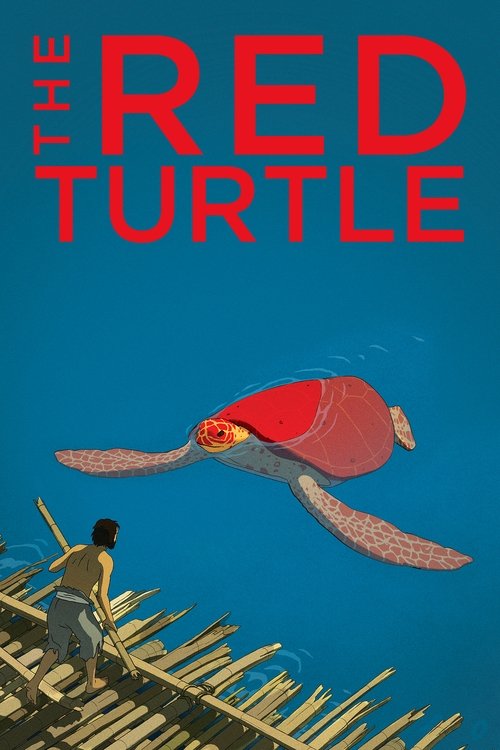
The Red Turtle2016
Both are dialogue-light fables about animals and humans learning to coexist, trusting visual storytelling and silence. Both use their brevity to create something that lingers like a dream.
An abstract, nearly wordless Studio Ghibli co-production about a man and a sea creature on an island. Stunning watercolour animation, a complete absence of plot machinery, pure mood and mythology. It asks you to surrender to strangeness.
But There is almost no dialogue and the logic is symbolic rather than literal. If you need clear narrative resolution and character motivation, this will frustrate you deeply.
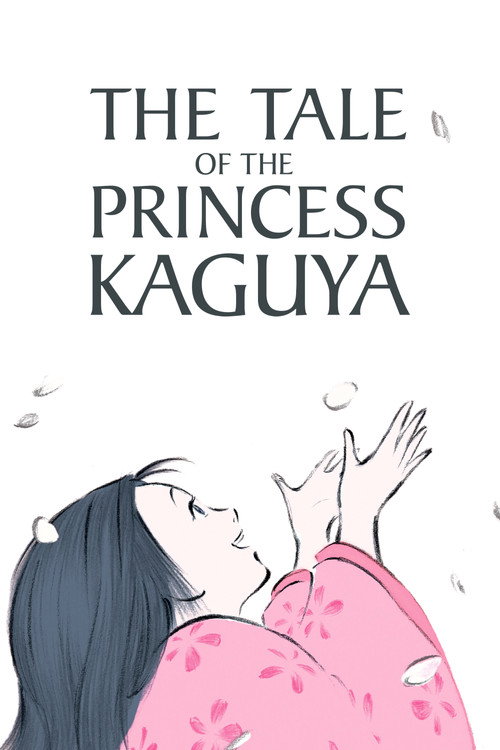
The Tale of The Princess Kaguya2013
Both films hinge on separation and longing, and both use extraordinary visual artistry to tell what is essentially a simple story about loyalty and the cost of love. Neither needs dialogue to break your heart.
Takahata's final film, a Japanese fairy tale told in hand-drawn watercolour that moves between comedy and devastating sadness. It's about a being caught between two worlds, unable to stay in either. Unbearably beautiful and melancholic.
But Two hours of a pace that feels glacial if you're not receptive to it. The ending is not a happy reunion—it's acceptance of permanent loss. Bring tissues and patience.
People
Cast
- Shigeru TsuyukiNarrator (voice)
 Kyoko KoizumiPoetry Recitation (voice)
 Dudley MooreNarrator (voice: US version)
Directing
- Takashi UenoAssistant Director
- Kon IchikawaCo-Director
- Masanori HataDirector
Writing
- Mark SaltzmanScreenplay
- Masanori HataStory
Production
- Haruo ShikanaiExecutive Producer
- Hisashi HiedaExecutive Producer
- Masaru KakutaniProducer
Recommended by
Snow Dogs, When Dinosaurs Ruled the Earth, The Myth of Fingerprints