
Film
The Yearling
The Yearling is MGM's lush Technicolor adaptation of Marjorie Kinnan Rawlings' Depression-era Florida novel — a slow, sun-baked story of a farm boy, his gruff-but-tender father, and the fawn he raises against his mother's wishes. It's gentle in pace but not sentimentality alone; the ending has real teeth. Watch it if you want a family film willing to tell a child the truth about loss.
Should you watch it?
Watch it if you love slow, sun-warmed coming-of-age stories where the landscape, the work and a boy's attachments carry the emotion more than plot, and you don't mind being moved.
Skip it if you want quick plot turns or a brisk runtime, since at over two hours this one lingers over farm chores, weather and family routine.
What it asks of you: Expect a long, patient rhythm, with stretches of quiet domestic detail and a sober tone that rewards staying put rather than skimming.
Not sure? Find tonight's pick in a minute.
If you liked this
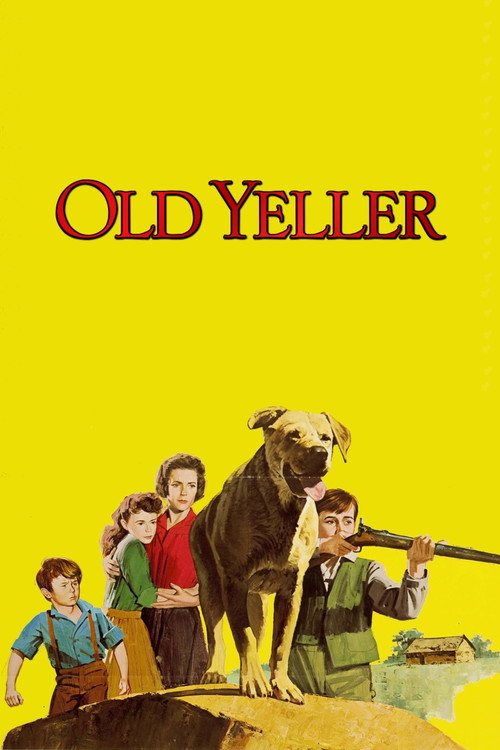
Old Yeller1957
Another boy, another beloved animal, another lesson about the cruelty baked into growing up on a hardscrabble farm — Disney's version hits just as hard, maybe harder, and doesn't flinch from the ending either.
But It's basically the same gut-punch you've just had, so back-to-back might be one heartbreak too many in a week.
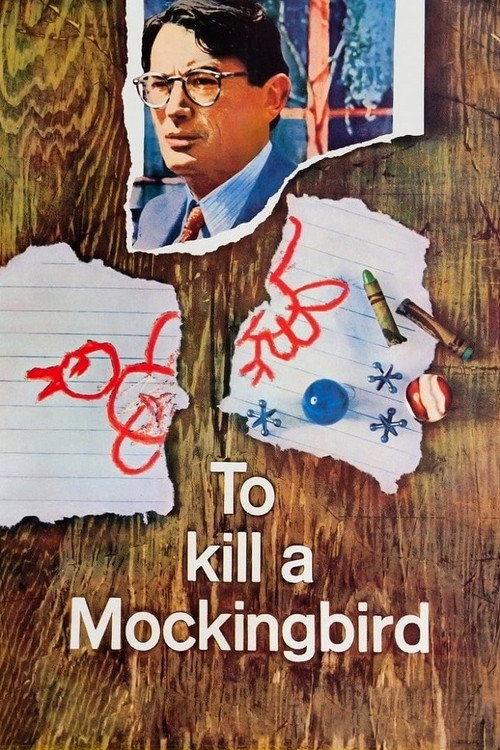
To Kill a Mockingbird1962
Gregory Peck again, this time as a father teaching his children about justice and mercy in the rural South — the same quiet moral authority, aimed at a bigger, darker target.
But It trades pastoral coming-of-age for courtroom drama and racial injustice, a heavier, more overtly political film than Yearling.
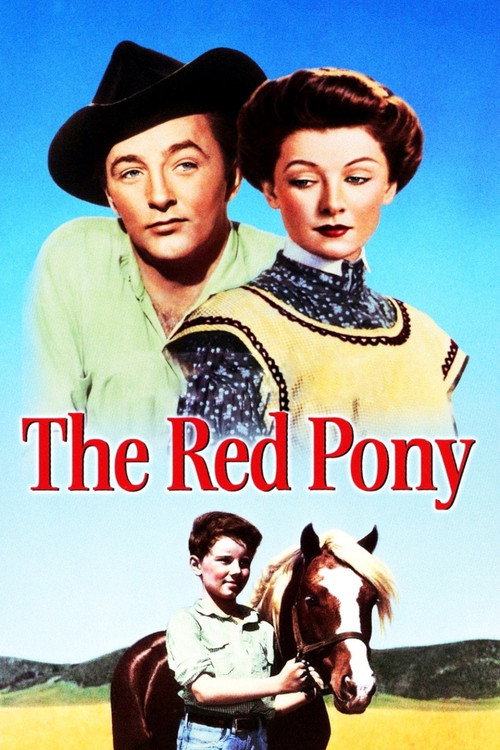
The Red Pony1949
Steinbeck's own version of a boy, a ranch, and an animal he loves too much — filmed just three years later with the same Technicolor warmth and the same refusal to spare the child.
But It's slower and more melancholy still, without even the Baxter family's occasional levity to lighten the load.
Not sure tonight? Get a pick in a minute, starting from The Yearling
The wildcard
Something you would not have found on your own.
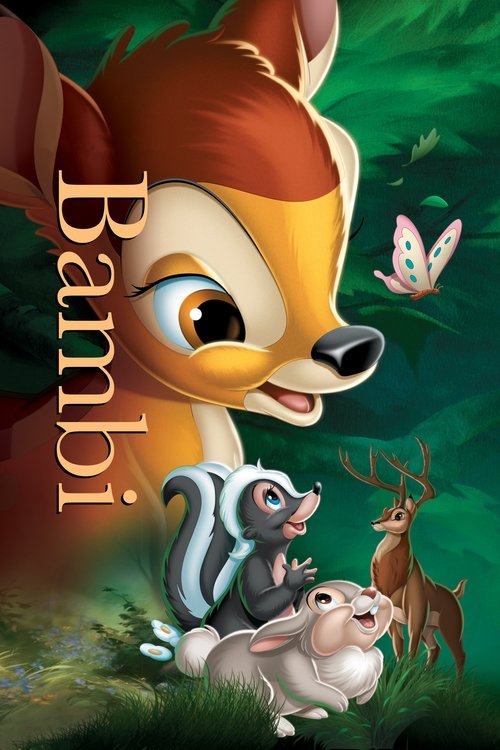
Bambi1942
The Yearling asks what it costs a boy to raise a fawn. Bambi, made four years earlier, asks the same question from inside the fawn — the same Depression-era American appetite for teaching children about nature's indifference, just animated instead of live.
Disney's original nature fable is far darker than nostalgia remembers — a coming-of-age story about a young deer that treats death and loss as facts of the forest, not plot twists to soften.
But It's animated and aimed partly at very young viewers, so the register is gentler even where the content genuinely isn't.
More like this (8)
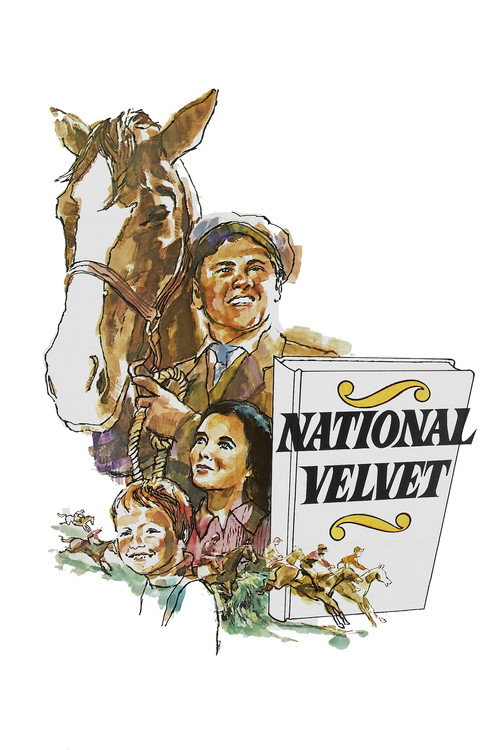
National Velvet1945
A young Elizabeth Taylor's fierce bond with a horse she's not supposed to keep — the same era, the same Technicolor glow, the same ache of a child loving something the adult world says she can't.
But It ends kinder than Yearling does, so if you want a real gut-punch this one's softer than you'd like.
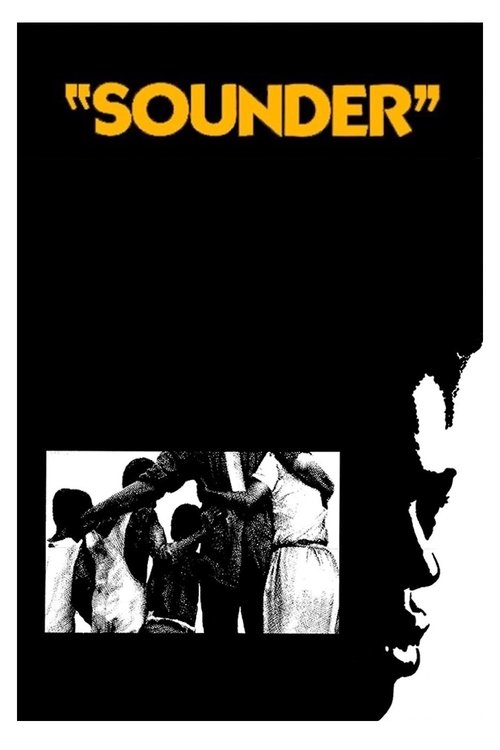
Sounder1972
A Depression-era Black sharecropping family in rural Louisiana, a boy on the edge of manhood, and a dog who matters more than plot summaries can say — dignified, unhurried, quietly devastating.
But It's a slower burn with less incident, and its power comes from accumulation rather than a single big scene.
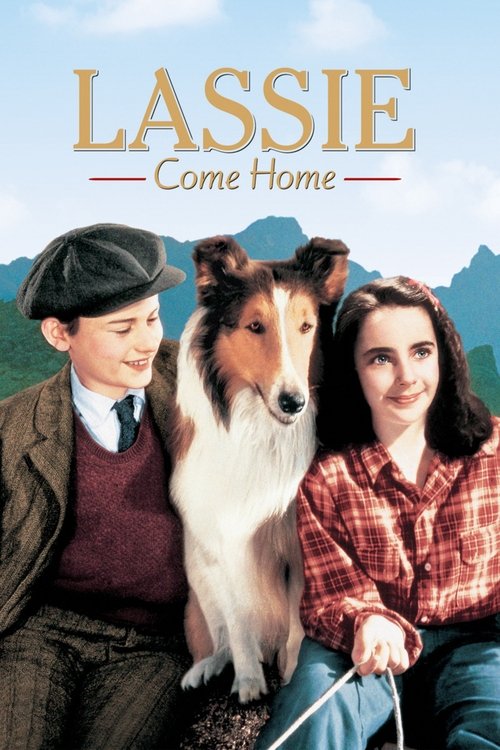
Lassie Come Home1943
The original tearjerking dog movie, made just before Yearling, with the same conviction that children deserve stories about loyalty, distance, and loss rather than easy comfort.
But It's gentler and more triumphant in tone — built for a hopeful ending rather than an honest one.
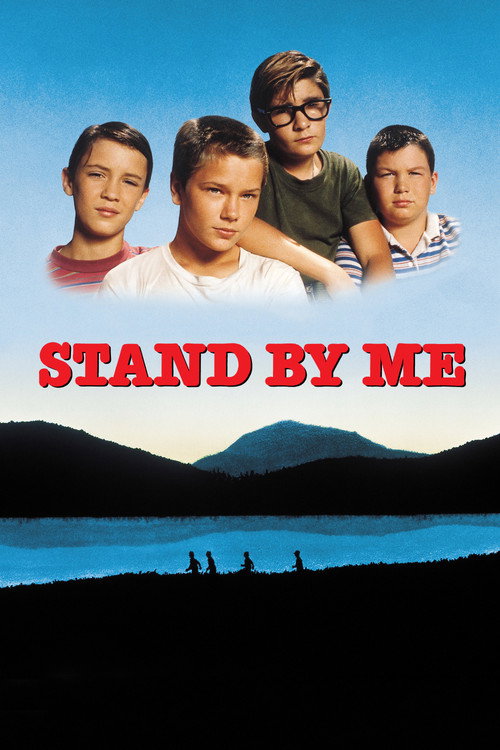
Stand by Me1986
Same terrain — boys on the cusp of losing childhood — but transplanted to 1959 Oregon with a rawer, funnier, more profane voice. A masterclass in coming-of-age storytelling from a different generation.
But No farm, no animal, no period Americana — just four kids on a walk, so the connection is purely emotional, not visual.
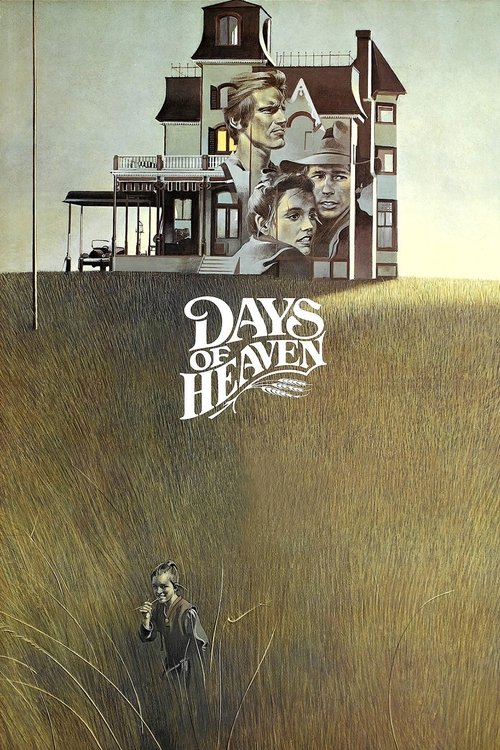
Days of Heaven1978
Terrence Malick's hushed, golden-lit vision of rural American labor and family — if you loved the way Yearling's Florida scrub feels like its own character, this takes that idea and makes it the whole point.
But It's art-house pacing with almost no plot momentum; patience is the price of admission.
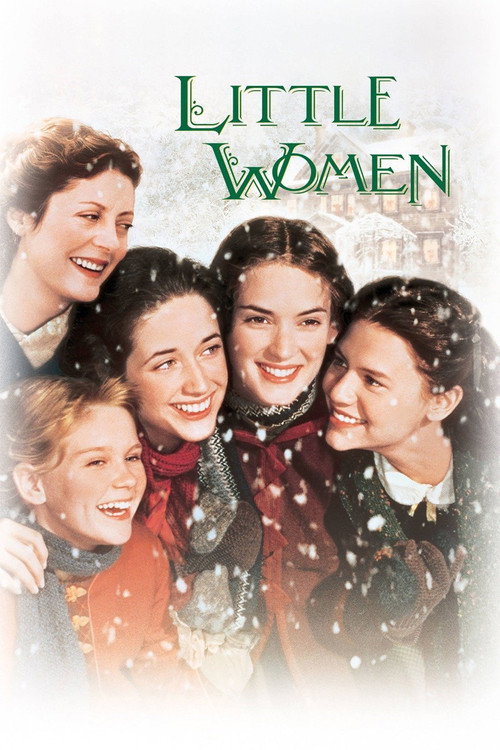
Little Women1994
A different kind of family coming-of-age story — four siblings, one brutal loss, and the same tender attention to how children absorb grief and keep living anyway.
But It's a domestic, dialogue-driven drama with none of Yearling's wilderness or animal at its center.
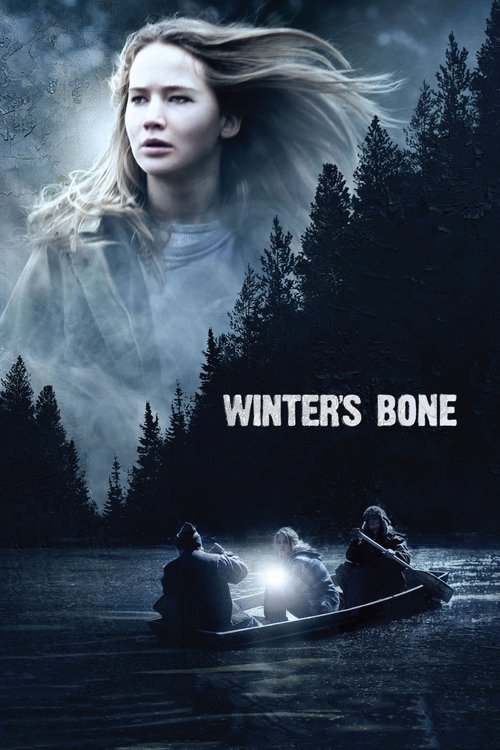
Winter's Bone2010
Same rural American poverty and premature adulthood forced onto a child by circumstance and a stubborn parent's absence — but stripped of Technicolor warmth and told with the flat, unsentimental eye of the Ozarks in 2010.
A teenage girl holds a family together in the meth-poor Ozarks with the same grit Jody has to find — a modern, unsentimental cousin that proves this story never really left rural America.
But It's bleak in a way Yearling never risks — no warmth, no comfort, and a much colder ending.
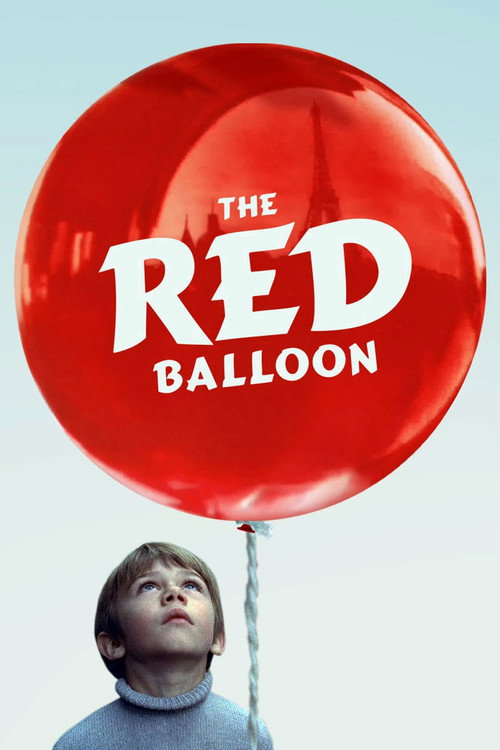
The Red Balloon1956
Strip Yearling down to its purest shape — a child, an attachment to something he loves, and the world's insistence it can't last — and you get this nearly wordless 34-minute French short about a boy and a balloon.
A boy's devotion to a red balloon in postwar Paris distills the exact emotional shape of Yearling's central ache into something almost wordless and impossibly tender — one of cinema's great short films.
But It's 34 minutes, in French with barely any dialogue, and asks for patience with a premise that sounds slight until it isn't.
People
Cast
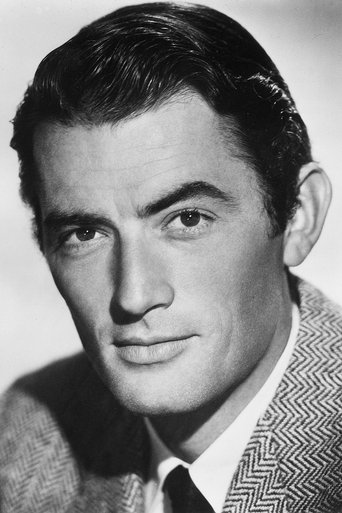 Gregory PeckEzra "Penny" Baxter
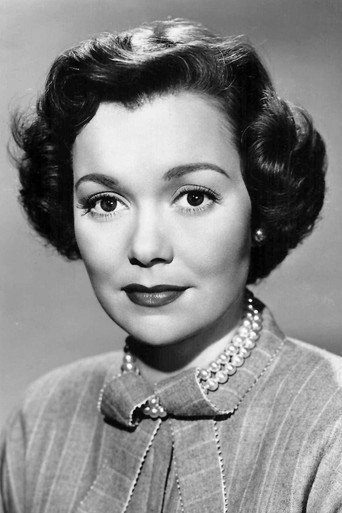 Jane WymanOrry Baxter
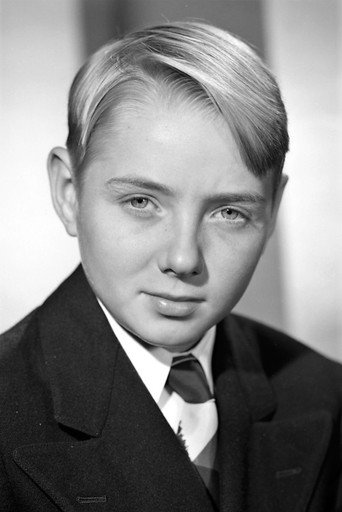 Claude Jarman Jr.Jody Baxter
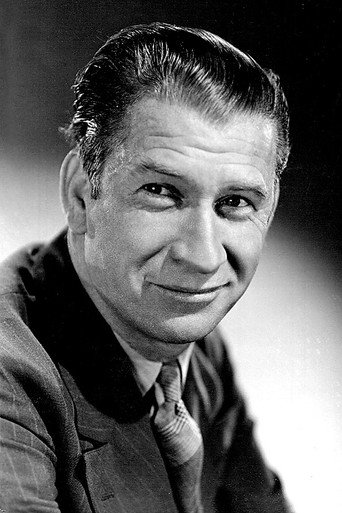 Chill WillsBuck Forrester
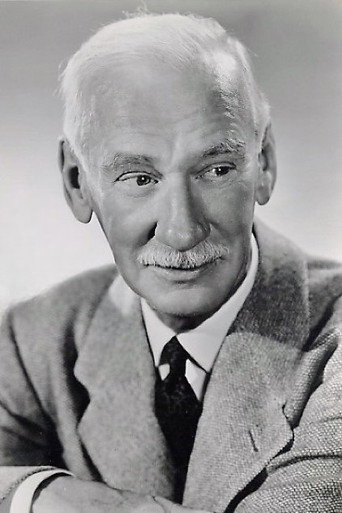 Clem BevansPa Forrester
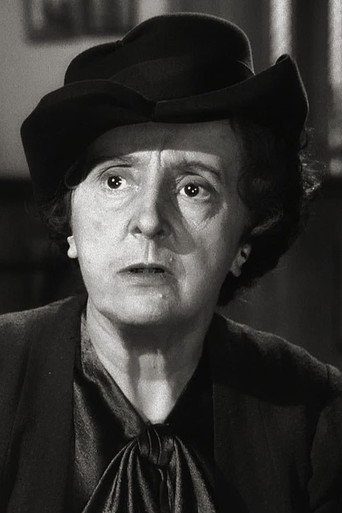 Margaret WycherlyMa Forrester
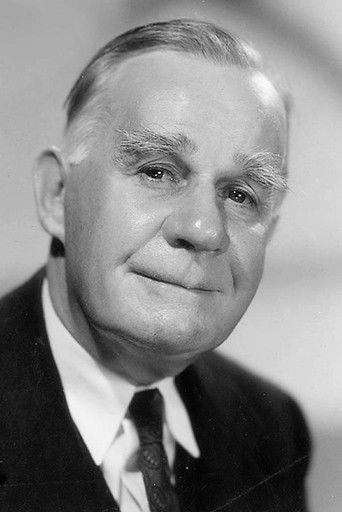 Henry TraversMr. Boyles
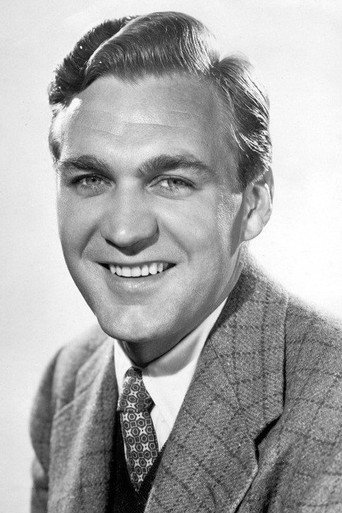 Forrest TuckerLem Forrester
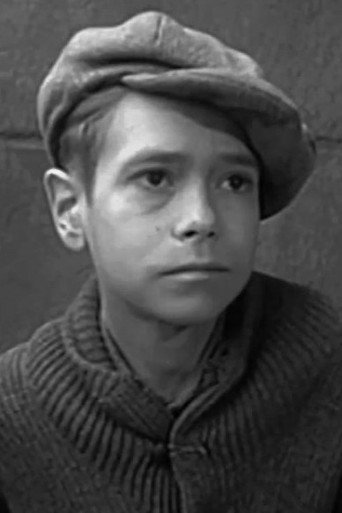 Donn GiftFodderwing Forrester
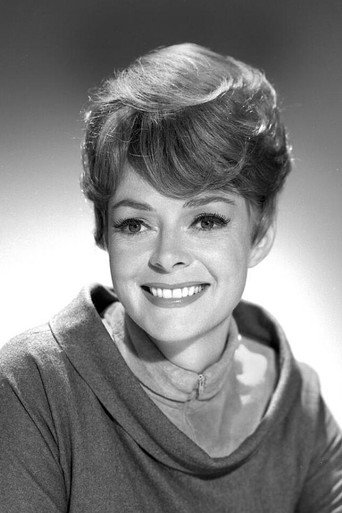 June LockhartTwink Weatherby
- Joan WellsEulalie Boyles
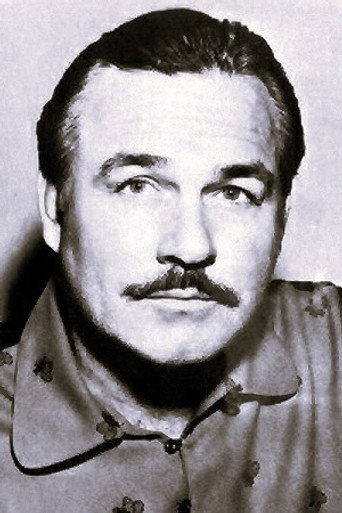 Jeff YorkOliver Hutto
Directing
- Clarence BrownDirector
- Chester M. FranklinSecond Unit Director
Writing
- Marjorie Kinnan RawlingsNovel
- Paul OsbornScreenplay
Production
- Sidney FranklinProducer
Recommended by
Bridge to Terabithia, Watership Down, Fly Away Home, Charlotte's Web, Okja, The Black Stallion, Bambi, National Velvet, My Friend Flicka, Dreamer: Inspired By a True Story, Old Yeller, The Red Pony, Where the Red Fern Grows, Duma, The Member of the Wedding, Bright Eyes, Napoleon and Samantha, Thunderhead: Son of Flicka, Heidi, Tom Sawyer, The Secret Garden, Our Vines Have Tender Grapes, Little Lord Fauntleroy, Casey's Shadow, Summer of My German Soldier, Rascal, The Mighty McGurk