
Film
Bright Eyes
Bright Eyes is a Depression-era melodrama that made Shirley Temple a star. She plays an orphan caught between a working-class pilot who adores her and a wealthy family after her inheritance. The film moves nimbly between sentiment and sincerity, letting its child lead carry scenes with unforced charm. It's for anyone who loves early Hollywood star-making or wants to understand why Temple mattered.
Should you watch it?
Watch it if you have a soft spot for old-fashioned sentimental musicals where a bright child's charm does the heavy lifting, and you enjoy the sweetness of Depression-era studio filmmaking without needing it to be ironic.
Skip it if you find child stars and syrupy sentiment hard to sit through, since the film leans fully into both, and its songs and tender moments arrive without much restraint.
What it asks of you: It runs a brisk eighty-five minutes and keeps moving, so you can settle in without a long commitment, though its mood stays light and warm throughout.
Not sure? Find tonight's pick in a minute.
If you liked this
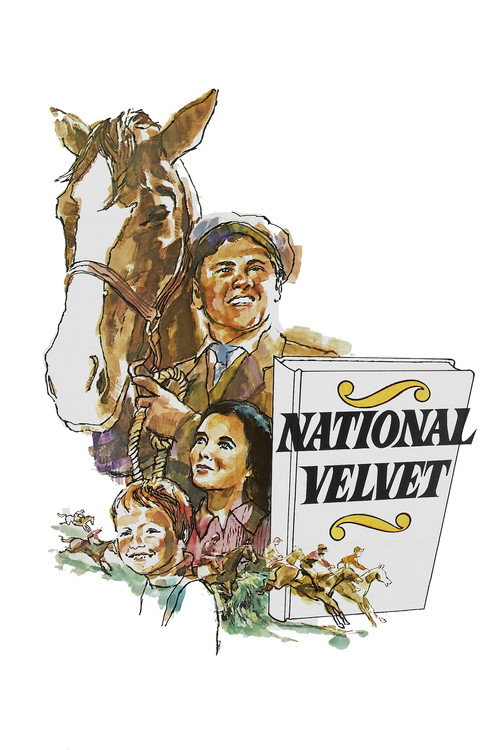
National Velvet1945
Elizabeth Taylor at twelve becomes a star by playing a girl so determined to ride her horse in the Grand National that nothing—family duty, tradition, logic—can stop her. Gorgeous, thrilling, and genuinely moving.
But The middle section drags a little, and some of the British village-life material feels like filler between the scenes you came for.
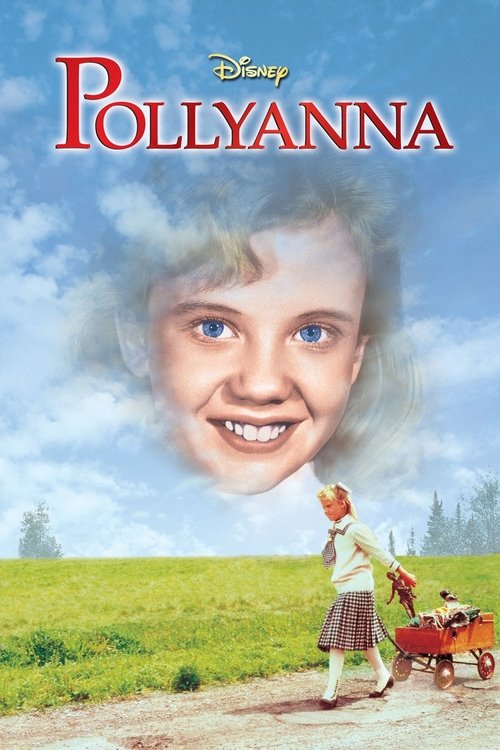
Pollyanna1960
Jane Wyman and a young Hayley Mills in a film about an orphan girl who transforms her new town by refusing to be miserable. Sentimental without condescension, funny, and genuinely touching.
But Modern viewers sometimes find the relentless positivity cloying, and it doesn't have the complexity of later Disney dramas.
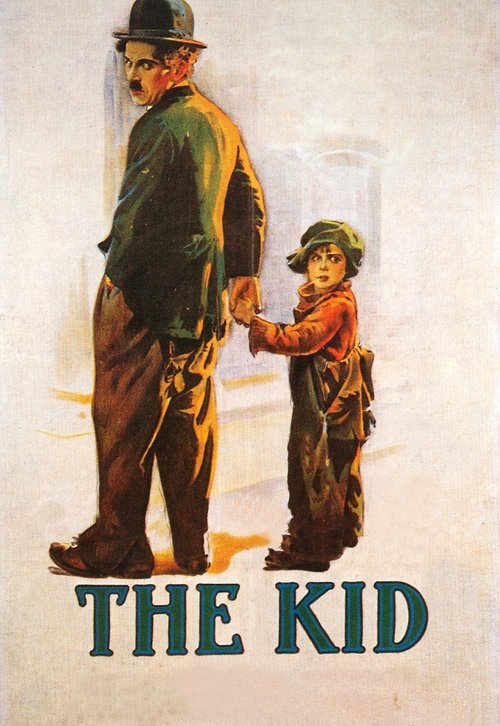
The Kid1921
Chaplin's masterpiece pairs him with five-year-old Jackie Coogan in a story of a tramp raising an orphan boy. The emotional precision is extraordinary—funny and heartbreaking in the same breath.
But Silent film moves at a different pace. If you expect dialogue and fast editing, the rhythm takes adjustment.
Not sure tonight? Get a pick in a minute, starting from Bright Eyes
The wildcard
Something you would not have found on your own.
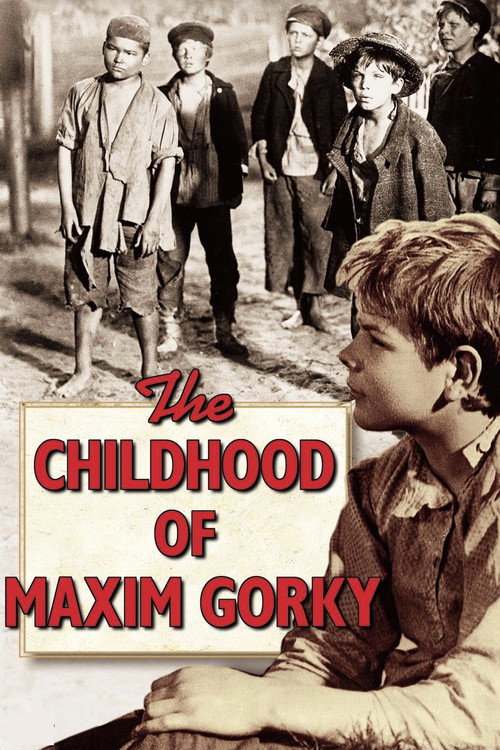
The Childhood of Maxim Gorky1938
Both dramatize a child's survival through intelligence and force of personality in a hostile environment, but Gorky refuses to make it charming or redemptive.
A Soviet film about a boy's harsh childhood with his abusive grandfather, shot with documentary realism. It shares Bright Eyes' orphan protagonist and emotional honesty, but strips away sentiment entirely. Gorky survives by wit and will, not pathos.
But Soviet cinema has a different pace and aesthetic; the film doesn't coddle you. Grim in ways that contemporary American film refuses to be.
More like this (7)
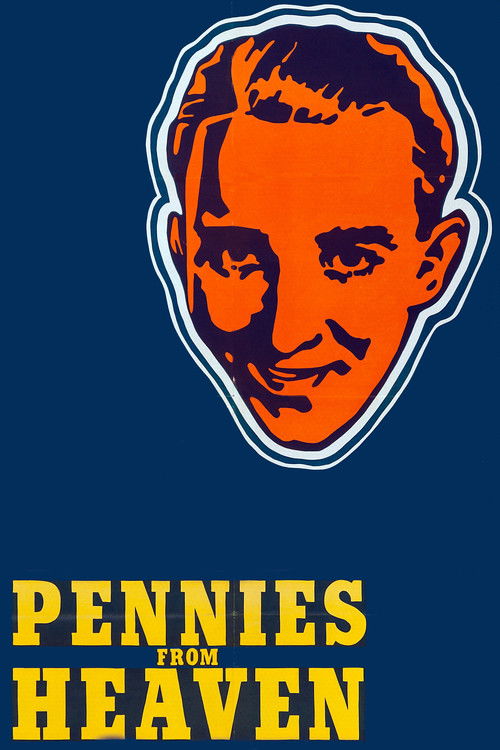
Pennies from Heaven1936
A less-famous Temple vehicle that's actually superior: she sings, the depression setting is grittier, and the story treats its orphan heroine with more real complexity than her more famous roles.
But It's overshadowed by her bigger hits, so you have to seek it out. Some prints are in rough shape.
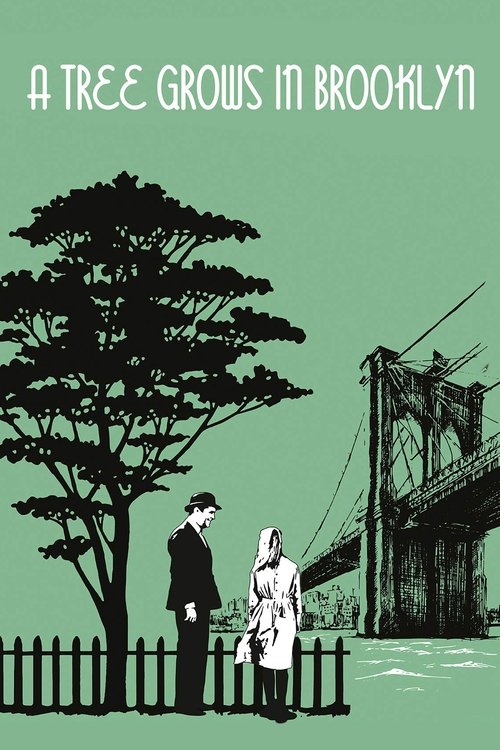
A Tree Grows in Brooklyn1945
A girl growing up poor in turn-of-the-century Brooklyn becomes the whole emotional heart of this film. It's warm and wise about childhood, family struggle, and the books that save us.
But The pacing is leisurely by modern standards, and some subplots meander before resolution.
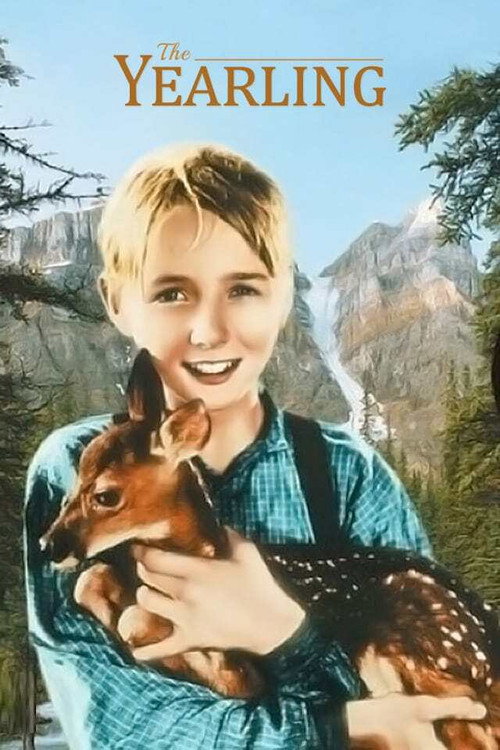
The Yearling1946
A boy and his pet deer in rural Florida. The performances are unsentimental, the landscape is beautiful, and it captures something true about rural childhood and necessary loss.
But Emotionally difficult—the ending hurts deliberately. Long for its time, and some younger viewers will find the rural setting slow.
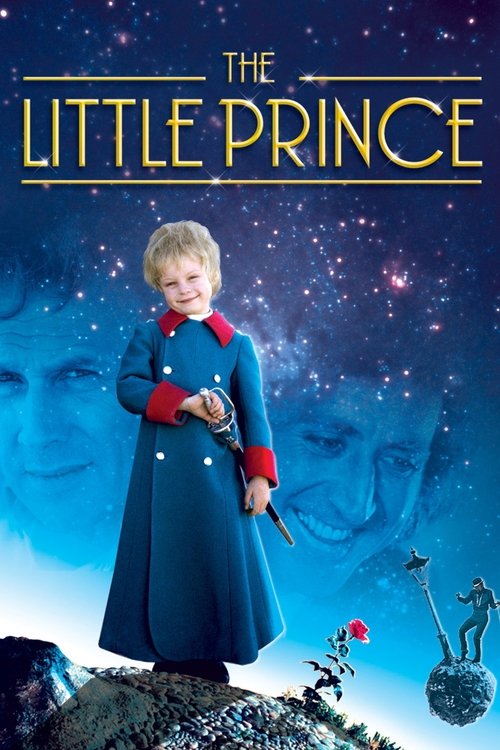
The Little Prince1974
A strange, beautiful musical adaptation of Saint-Exupéry's fable, with Bob Fosse choreography and Gene Wilder in an inspired bit of casting. Odd in all the right ways.
But It doesn't work for everyone—some find it pretentious or emotionally cold where it aims for transcendent.
Curly Top1935
Another Temple vehicle in which she's the spark plug and the emotional anchor. She gets to charm and sing, and James Dunn is as warm here as he is in Bright Eyes.
But It's more familiar Temple formula than Bright Eyes, so if you've seen her other work, this one adds little new.

Singin' in the Rain1952
Both are about child stardom's machinery, but Singin' in the Rain is winking from inside it, examining the mechanics of how a star is made and what that manufacturing does to authentic feeling.
Musical set in early Hollywood during the transition to sound. Gene Kelly, Donald O'Connor, and Debbie Reynolds in a film that understands performance—how it works, when it fails, what the human machinery underneath costs.
But It's an ensemble piece, not a vehicle for a single star. If you came for child performance and emotional core, this is adults playing and playing with ideas of performance instead.

Come and See1985
The inverse of Bright Eyes' world: both center a child's perspective, but one is about survival through charm in a world with residual decency; the other is survival in a world that has murdered decency entirely.
A Belarusian film about a boy conscripted into WWII, shot with devastating realism. Nothing like Bright Eyes except in structure: a child at the center of a story not designed for them, learning what grown-up reality costs.
But It is a howling devastation of a film. Not entertainment. One of the most difficult hours in cinema, showing what war does to a child witness.

People
Cast
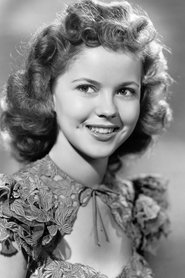 Shirley TempleShirley Blake
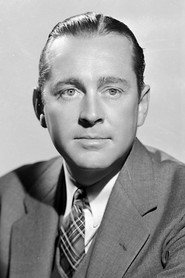 James DunnLoop Merritt
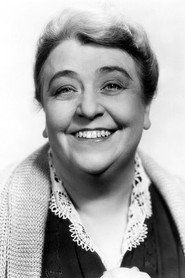 Jane DarwellMrs. Higgins
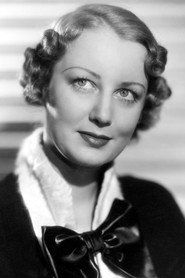 Judith AllenAdele Martin
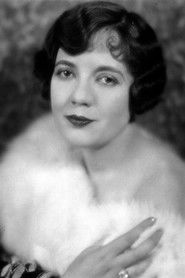 Lois WilsonMary Blake
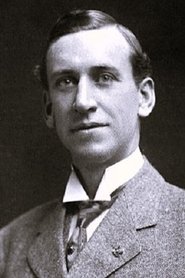 Charles SellonUncle Ned Smith
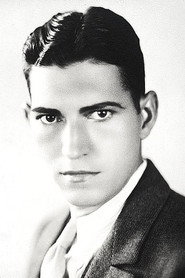 Walter JohnsonThomas
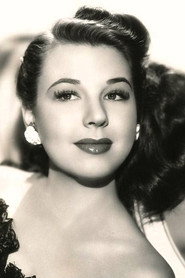 Jane WithersJoy Smythe
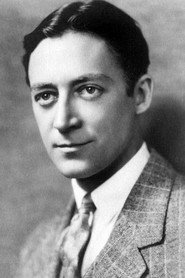 Theodore von EltzJ. Wellington Smythe
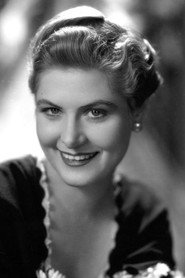 Dorothy ChristyAnita Smythe
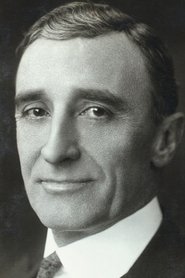 Brandon HurstHiggins
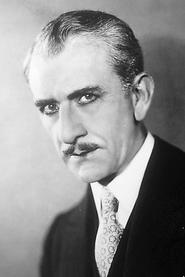 George IrvingJudge Thompson
Directing
- David ButlerDirector
Writing
- William M. ConselmanScreenplay
- David ButlerStory
- Edwin J. BurkeStory
Recommended by
Little Miss Marker, The Littlest Rebel, The Little Colonel, Just Around the Corner