
Film
The Little Colonel
- Family drama
- Light-hearted
A 1935 Shirley Temple vehicle about a precocious child healing a family rift between her estranged mother and a stubborn Confederate colonel grandfather. It's sentimental Americana with musical numbers, built entirely around Temple's charm and ability to make audiences believe she can charm anyone. For those who love classic child performers and the particular warmth of 1930s family entertainment.
If you liked this
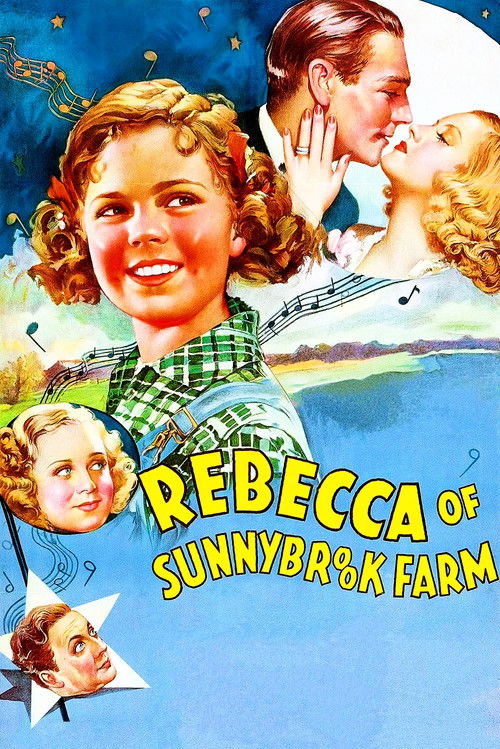
Rebecca of Sunnybrook Farm1938
Another Shirley Temple showcase where she plays an orphan who wins over adults through pluck and performance. More energetic than The Little Colonel, with better musical numbers and a tighter plot that moves with genuine momentum.
But Temple's precocity can feel cloying by modern standards, and the film's sentimentality about orphans is laid on thick enough to test your patience.
Heidi1937
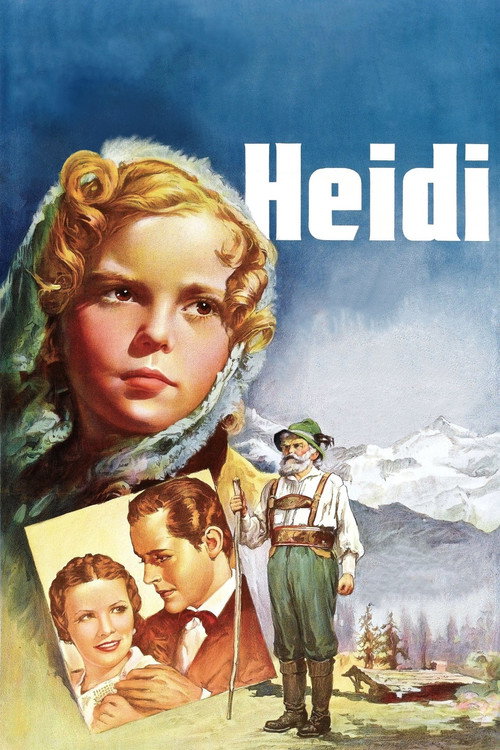
Shirley Temple in an adaptation of the Swiss classic, playing an orphan who transforms the lives of everyone around her through pure goodness. The Alpine setting and scope feel bigger than The Little Colonel, and the emotional stakes are higher.
But It's genuinely slow in places, and the film assumes you'll accept that a child can solve adult problems through kindness alone.
Dimples1936
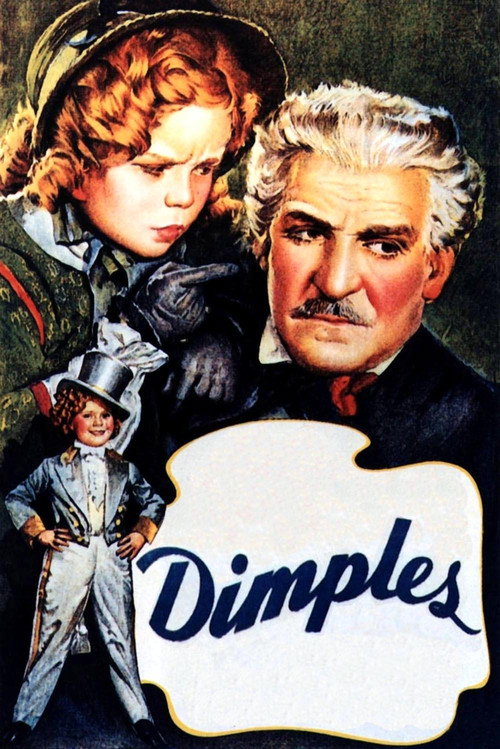
Temple as a street waif in 1860s New York who charms a wealthy family and performs for President Lincoln. More plot than The Little Colonel, with livelier supporting performances and a historical setting that adds texture.
But The orphan-saves-the-day formula is even more pronounced here, and some of the period details feel more quaint than resonant.
Not sure tonight? Get a pick in a minute, starting from The Little Colonel
The wildcard
Something you would not have found on your own.
Pennies from Heaven1936
Same era, same economic desperation masked by sentiment, same structure of family healing—but Pennies from Heaven refuses to let a child's cuteness solve anything.
A Depression-era film where Madge Evans plays a widow struggling to keep her daughter in a good home while a man helps her through hardship. It's got the same emotional core as The Little Colonel—an adult trying to protect a child through a fractured family—but it's aimed at adults rather than built around child performance. The stakes feel heavier and truer.
But There's no child performer to carry the movie, so if that charm is what you want, you won't find it here. It's also genuinely melancholy in ways the Temple vehicle refuses to be.

More like this (7)
The Littlest Rebel1935
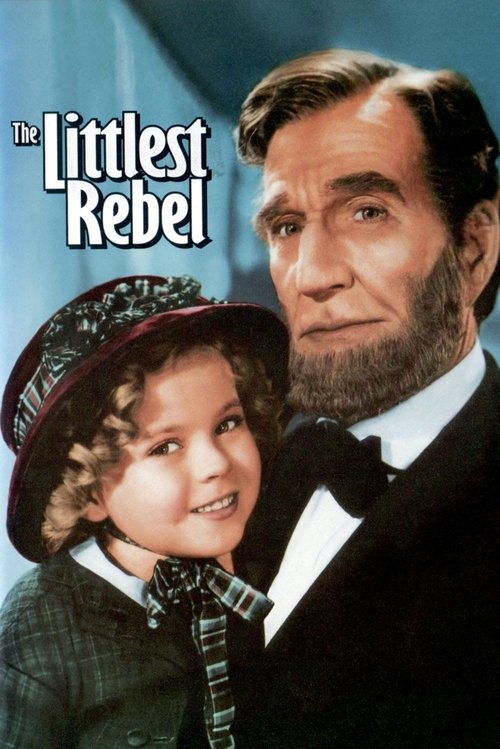
Released the same year, Temple plays a Southern child during the Civil War whose father is in the Confederate army. It has the same emotional DNA as The Little Colonel but with genuine historical weight and a more interesting dramatic setup.
But The Civil War backdrop could feel exploitative to some, and the film's treatment of that history is very much a product of 1935 thinking.
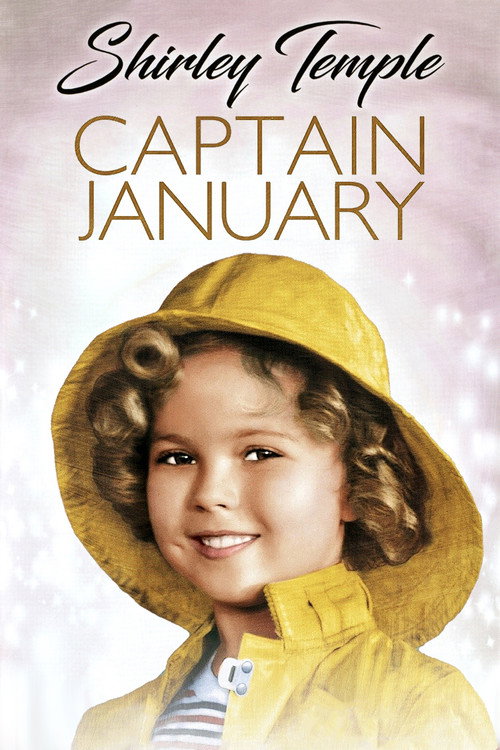
Captain January1936
Temple as an orphan raised by a lighthouse keeper who must navigate custody battles and romance. It's lighter than The Little Colonel, with more musical numbers and a seaside setting that gives the familiar formula some variety.
But The plot is thin even by Temple standards, and the supporting cast doesn't elevate the material the way stronger actors could.
Curly Top1935
Temple and her sister in an orphanage comedy-musical where she works her charm on a wealthy guardian. It has more comedy than The Little Colonel and some genuinely inventive musical sequences, including a ship's dance number.
But The orphanage sequences play as melodrama now rather than sentiment, and Temple's singing voice, while impressive for a child, can wear on adult ears.

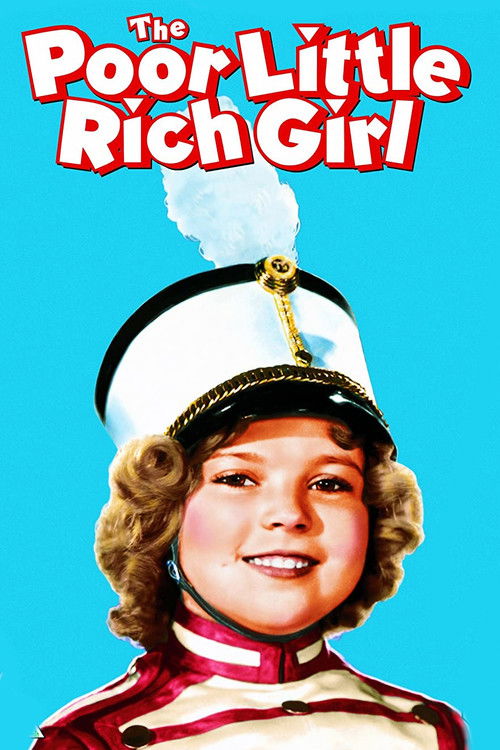
Poor Little Rich Girl1936
A variation on the formula where Temple plays a wealthy child separated from her parents, allowing her to perform and scheme her way back to them. More plot-driven than The Little Colonel, with Alice Faye providing strong adult counterweight.
But The wealthy-child-has-problems angle doesn't generate the same sympathy as the orphan narratives, and the film knows it has to work harder.
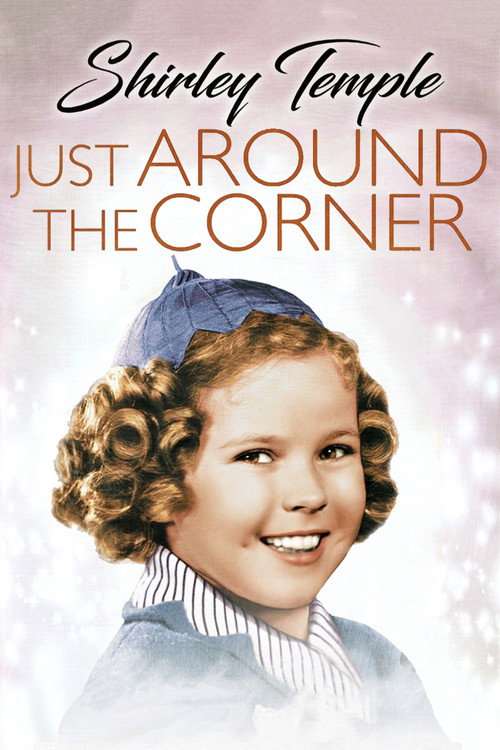
Just Around the Corner1938
Temple in Depression-era New York, trying to help her father's failing business through charm and scheming. It's one of her later vehicles and has more sophisticated humor; the Depression setting gives it unexpected depth.
But By 1938, Temple's act was wearing thin for audiences, and this film shows why—she's still playing ten, and it's starting to feel desperate.
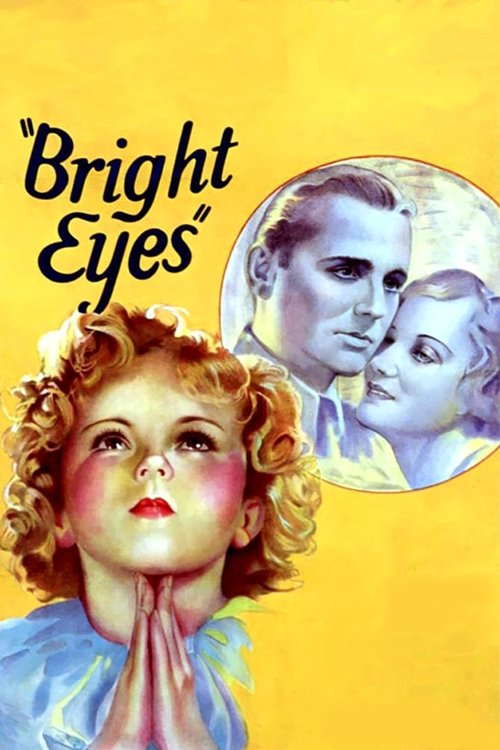
Bright Eyes1934
Temple's breakout role as an orphan who charms her way into a wealthy family's heart. It's the film that made her a star, and you can see why—her naturalism and energy outclass the material around her.
But It's the blueprint for every Shirley Temple film that followed, so watching it after The Little Colonel means seeing the template, not the innovation.
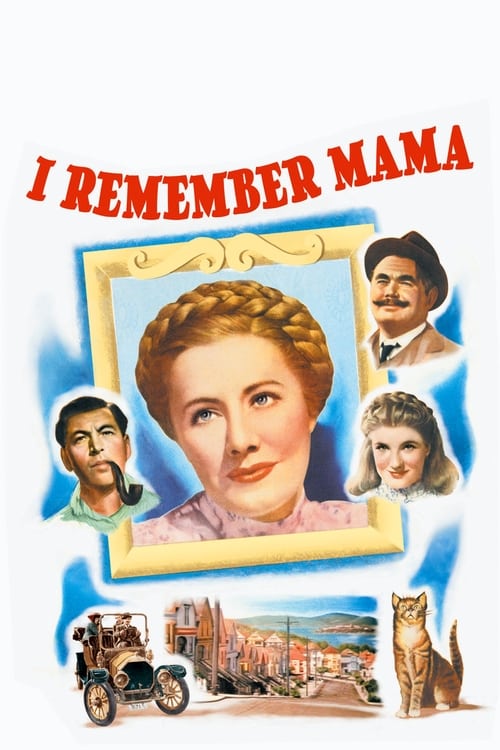
I Remember Mama1948
Both are hymns to the power of emotional connection within families, but I Remember Mama trusts the audience to feel it through lived experience rather than through a performing child's charm.
A warm chronicle of a Norwegian immigrant family in San Francisco, where an adult woman looks back on her childhood and how her mother's quiet strength held everything together. It has The Little Colonel's investment in family reconciliation and its belief in the power of love, but it's told from an adult's perspective about what actually sustained them, not through a child's magical agency.
But It's slower and more meditative than The Little Colonel—less performance, more memory. If you want music and action, this will feel like watching someone's photo album.
People
Cast
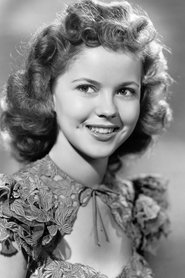 Shirley TempleLloyd Sherman
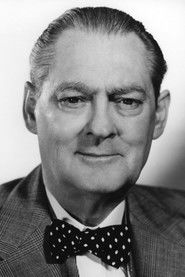 Lionel BarrymoreColonel Lloyd
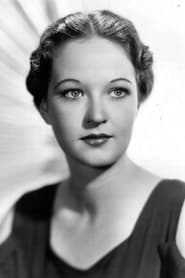 Evelyn VenableElizabeth Lloyd Sherman
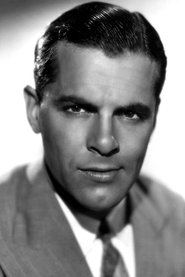 John LodgeJack Sherman
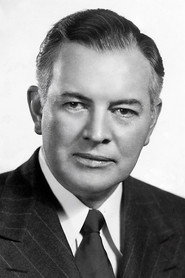 Sidney BlackmerSwazey
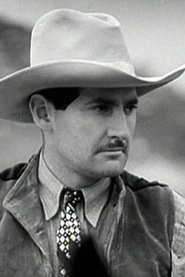 Stephen ChaseHull
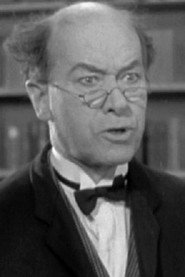 William BurressDr. Scott
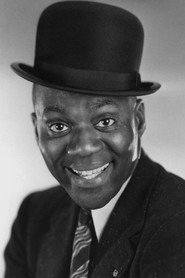 Bill RobinsonWalker
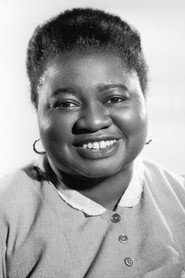 Hattie McDanielBecky "Mom Beck" Porter
- Geneva WilliamsMaria
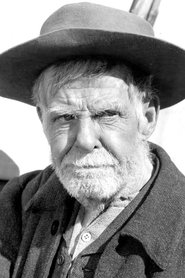 Frank DarienNebler
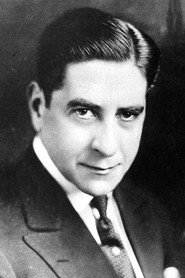 Robert WarwickColonel Gray
Directing
- David ButlerDirector
Writing
- William M. ConselmanAdaptation
- Anne Fellows JohnstonOriginal Film Writer
- William M. ConselmanScreenplay
- Anne Fellows JohnstonStory