
Film
The Littlest Rebel
A 1935 Depression-era musical where Shirley Temple plays a Confederate child trying to save her father from execution during the Civil War. It's a peculiar artifact: earnest, sentimental, with songs and dancing punctuating a story about the South that's fundamentally at odds with modern moral understanding. Watch it as historical document as much as entertainment.
If you liked this
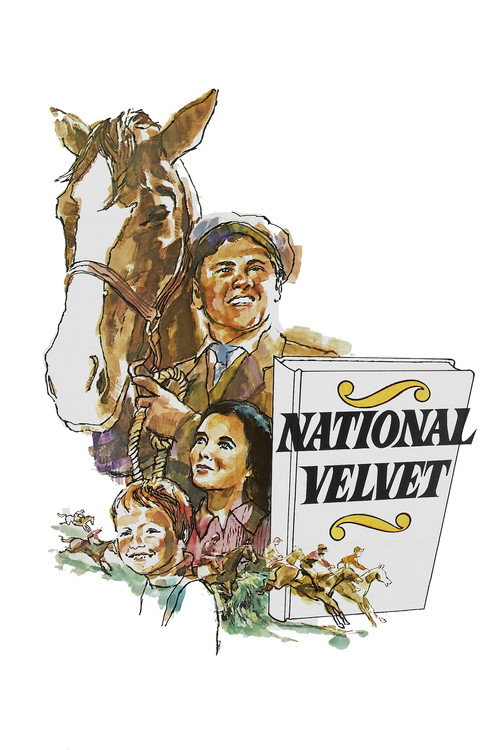
National Velvet1945
Elizabeth Taylor at twelve, a girl determined to ride a horse to glory in the Grand National. Like Temple's best work, it's a child who drives the plot through sheer force of will and charm, with spectacle and heart around her.
But Taylor's talent is undeniable but she's often overshadowed by the horse. Some find the sentimentality cloying compared to what comes later in Taylor's career.
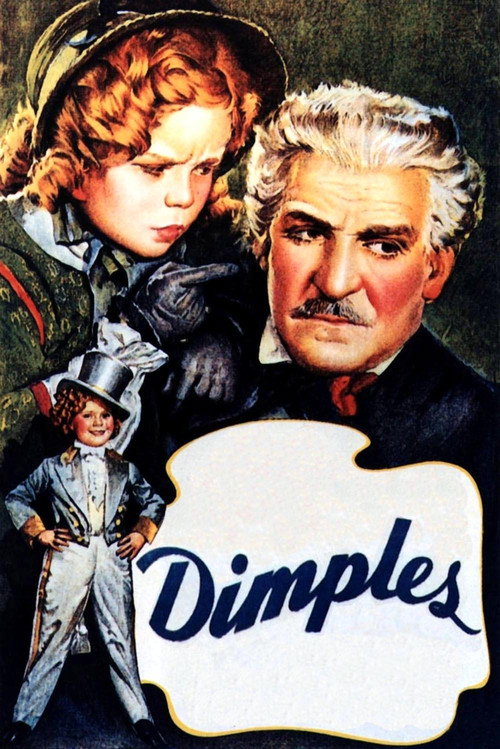
Dimples1936
Another Temple vehicle, this one set in 1840s New York, mixing vaudeville-style entertainment with genuine pathos. If you're drawn to Temple's era, this is peak formula: dancing, charm, a child solving adult problems through appeal.
But The formula is exactly what it sounds like. If you find child stardom performing to be uncomfortable viewing, nothing here will change your mind.
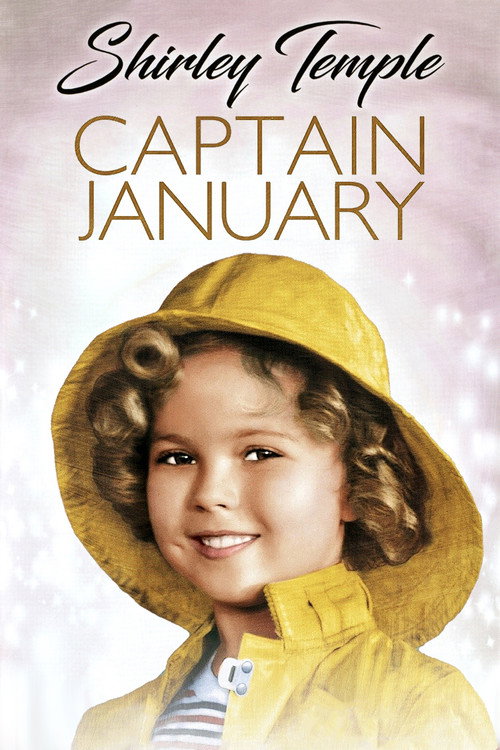
Captain January1936
Temple plays a girl raised by a lighthouse keeper, facing separation from the only parent she's known. The emotional core is real beneath the songs. It captures that specific Temple magic: joy that doesn't erase genuine stakes.
But The plot mechanics creak. You're watching a seventy-five-year-old solution to a problem a modern audience would handle very differently.
Not sure tonight? Get a pick in a minute, starting from The Littlest Rebel
The wildcard
Something you would not have found on your own.
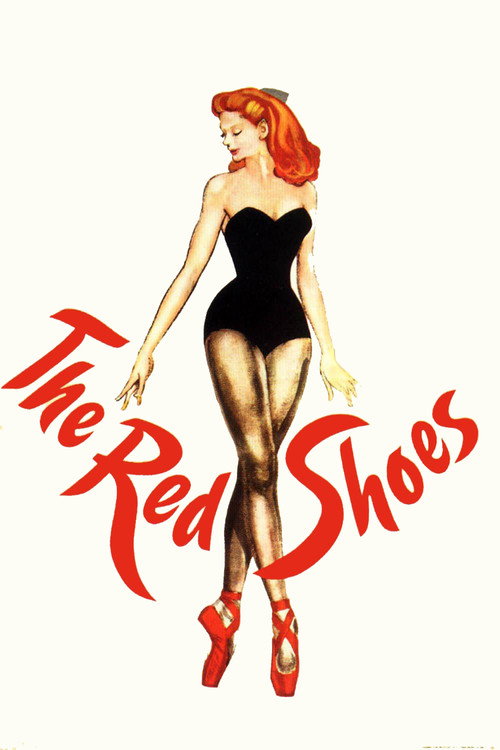
The Red Shoes1948
Both films believe that a young person's charm and will can reshape the world. The Red Shoes asks: what if we're wrong to let them try?
Powell and Pressburger's masterpiece about art, ambition, and the price of genius. Like Rebel, it's structured around a child's or young person's impossible choice between duty and desire. But here the visual language is baroque, adult, and the moral answer is deliberately devastating rather than resolved.
But It's a ballet film about ballet. If classical dance feels precious or inaccessible to you, the film's entire emotional apparatus might feel distant. It's also genuinely tragic, not sentimental.
More like this (8)
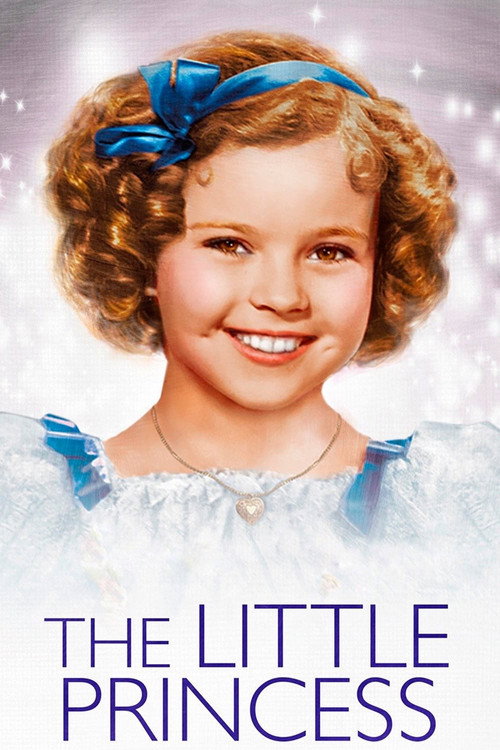
The Little Princess1939
Temple as a well-bred girl reduced to servitude but retaining her dignity and imagination. It's a darker entry in her filmography, technically excellent, with production design that justifies the studio system's resources.
But The fantasy elements feel thin to adult viewers. Children's film of this era often relies on sentimentality doing heavy lifting that story cannot.
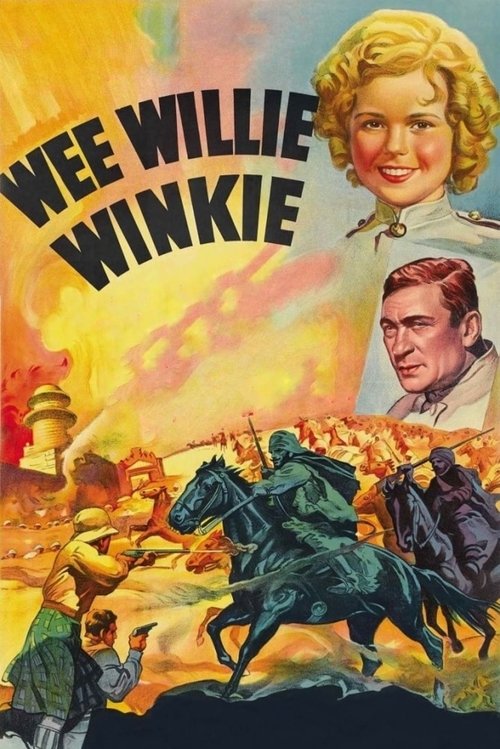
Wee Willie Winkie1937
John Ford directed this Temple vehicle, which means it has an actual visual intelligence beneath the charm. She plays a Scottish regimental mascot. Ford brings documentary sharpness to the Imperial Indian setting, unusual for Temple fare.
But The Empire stuff is dated and uncomfortably framed. Ford's direction cannot fully overcome what the material was built to celebrate.
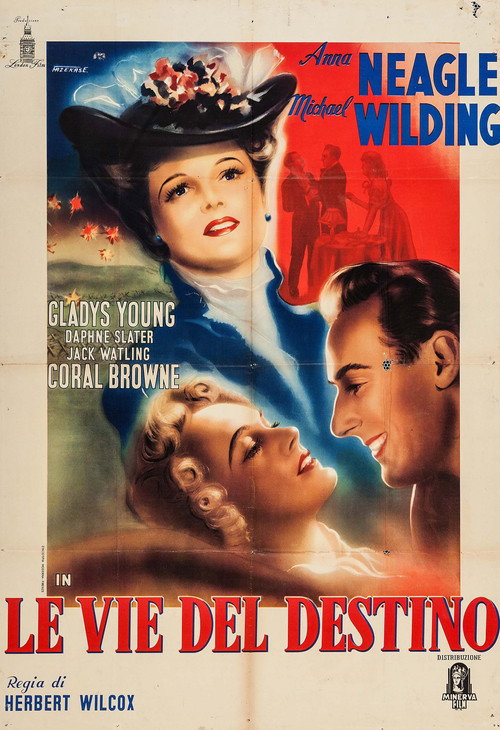
The Courtneys of Curzon Street1947
A post-war British melodrama using a similar structure: spanning decades, family trials, the survival of grace and decency through upheaval. It's what Temple films aspired toward without the child-star machinery.
But It's a British drawing-room drama. If that sounds like dutiful watching rather than pleasure, you're not wrong to be cautious.
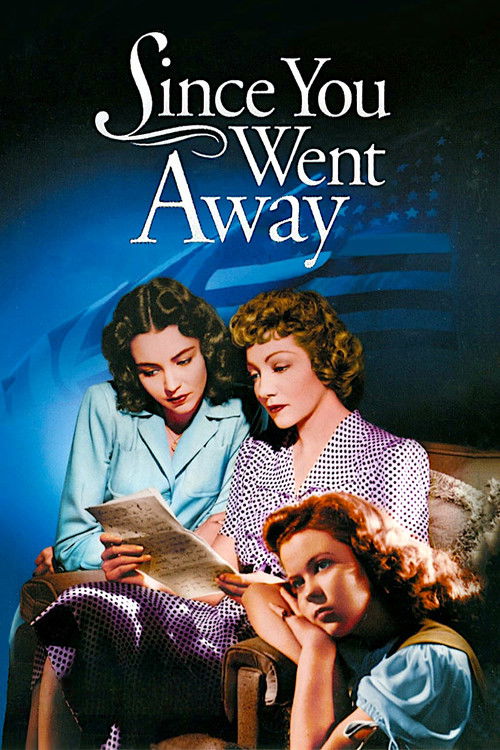
Since You Went Away1944
David O. Selznick's wartime epic about the homefront, with Jennifer Jones and Claudette Colbert managing domestic life while men fight. It shares Temple's earnestness about sacrifice and national purpose, but with adult stakes and romantic complexity.
But At over two hours, it's a slog, and its view of wartime sacrifice feels dated. The soap-opera elements overwhelm the larger vision.
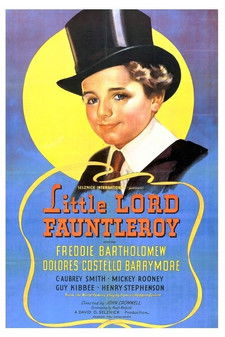
Little Lord Fauntleroy1936
Temple as a boy heir discovering American virtue against British aristocratic stuffiness. It's one of her few films that genuinely engages with class and cultural difference, not just as backdrop but as real friction.
But The gender element is strange to modern viewers. Some find the cross-dressing gimmick more uncomfortable than charming.
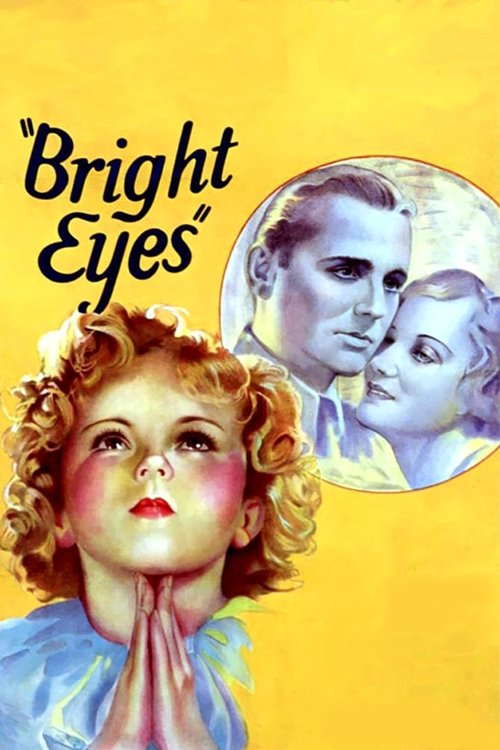
Bright Eyes1934
Her debut vehicle, and maybe the purest expression of why she mattered: a child in a grim situation who sings "On the Good Ship Lollipop" with absolute conviction, and we believe both things at once.
But It's a prototype, which means rough edges. The tonal shifts between joy and institutional grimness feel unintended. Knowing this launched a thousand imitators diminishes it slightly.
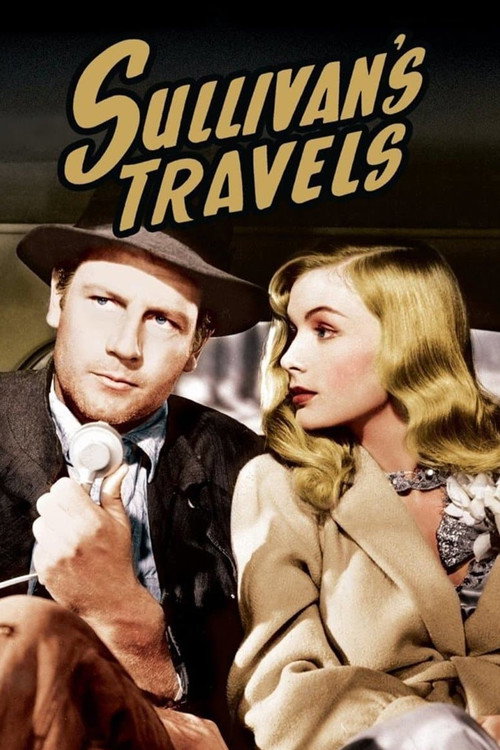
Sullivan's Travels1941
Both are products of 1930s-40s American cinema deciding what it owes to the nation during crisis. Rebel uses a child's innocence to heal; Sturges suggests that innocence is a luxury we manufacture to escape.
A Hollywood director disguises himself as a vagrant to understand suffering and make a socially conscious film. It's a Depression-era work about cinema's relationship to nation, memory, and what entertainment owes to the distressed. Shot in crisp black-and-white, funny and then devastating.
But Preston Sturges' mixture of screwball comedy and genuine misery feels tonal whiplash to some. The film argues for art over conscience, which not everyone agrees with.
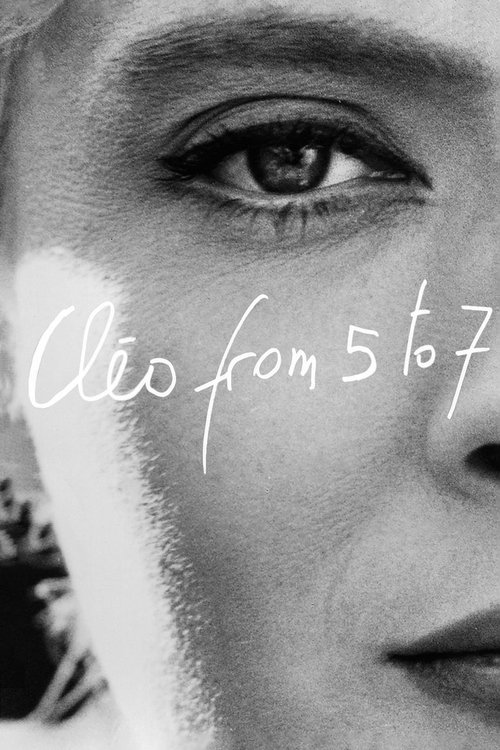
Cléo from 5 to 71962
A complete inversion of Rebel's faith in charm and innocence reshaping reality. Varda suggests reality is indifferent to our desire. Both are about waiting—Virgie for Lincoln's mercy, Cleo for her life back—but one trusts cinema's machinery and one dismantles it.
Agnès Varda's experimental film follows a young woman through Paris in real time as she waits for medical results. No plot machinery, no child star, no sentimentality—just a human being moving through a city, thinking, afraid, alive. It's a rebuke to how cinema had been telling stories.
But Nothing happens by plot standards. It's a mood and an argument, not a narrative. Shot on a tight budget in naturalistic style, it rejects the production values that made Temple films legible.
People
Cast
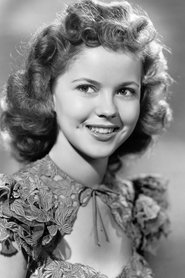 Shirley TempleVirgie Cary
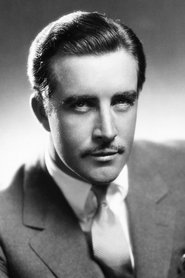 John BolesCaptain Cary
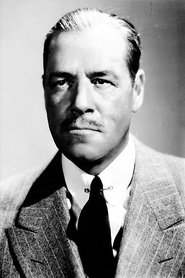 Jack HoltColonel Morrison
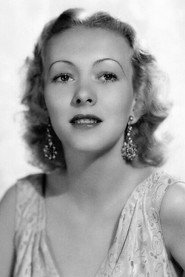 Karen MorleyMrs. Cary
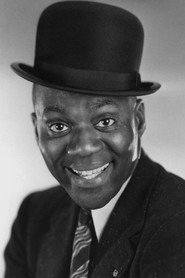 Bill RobinsonUncle Billy
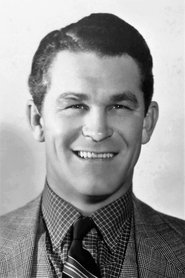 Guinn 'Big Boy' WilliamsSergeant Dudley
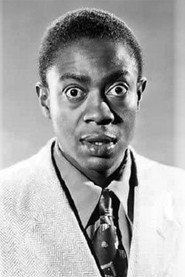 Willie BestJames Henry
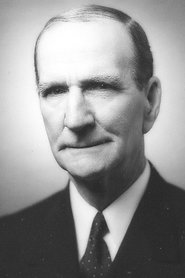 Frank McGlynn Sr.Abraham Lincoln
- Bessie LyleMammy
- Hannah WashingtonSally Ann
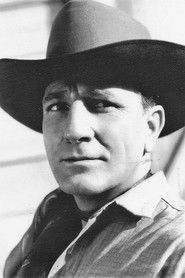 Bud GearyYankee Sergeant (uncredited)
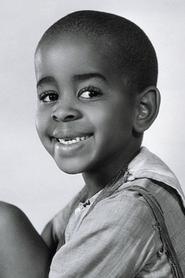 Matthew BeardBlack Boy (uncredited)
Directing
- Booth McCrackenAssistant Director
- David ButlerDirector
Writing
- Edwin J. BurkeScreenplay
- Edward PepleTheatre Play
Production
- Buddy G. DeSylvaAssociate Producer
- Darryl F. ZanuckProduction Manager
Recommended by
Curly Top, Rebecca of Sunnybrook Farm, The Little Colonel, Just Around the Corner