
Film
The Little Princess
Other titles called The Little Princess: the 1997 film.
Shirley Temple's most lavish vehicle: a richly colored Depression-era fantasy about a privileged girl suddenly cast into poverty, searching for her missing father during the Boer War. It's a fairy tale dressed as historical drama—gorgeous, emotionally shrewd, and utterly committed to the idea that goodness and imagination can transform circumstance. For anyone who loves classical Hollywood glamour or wants to understand why Temple was such a phenomenon.
If you liked this
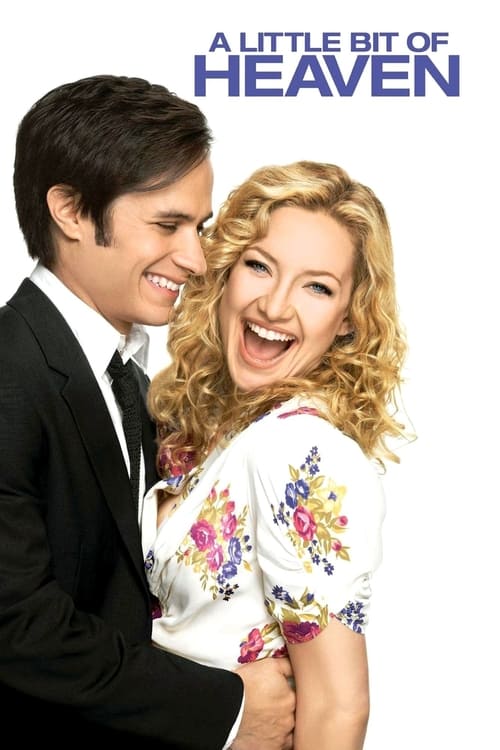
A Little Bit of Heaven2011
A girl facing terminal illness finds solace in imagination and defiant joy. Like Temple's film, it refuses to let hardship flatten wonder, wrapping its darker themes in humor and color.
But The tonal shifts between whimsy and illness can feel jarring, and the sentimentality lands harder than some viewers will welcome.
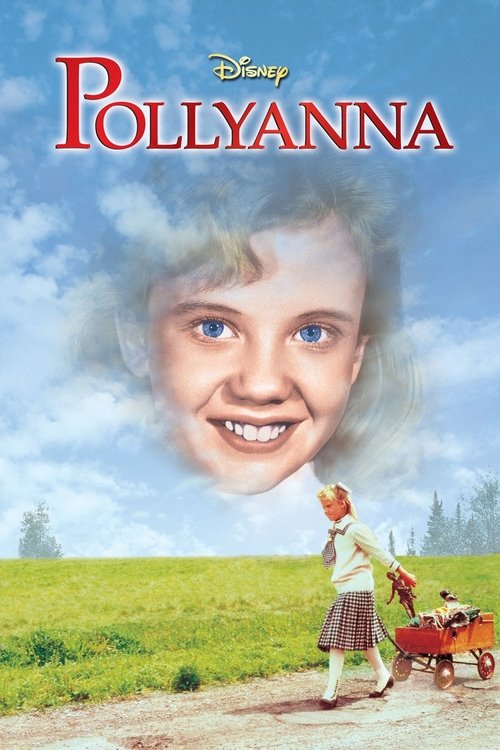
Pollyanna1960
Hayley Mills in Disney's equally optimistic, equally gorgeous Technicolor film. Another orphaned girl using relentless positivity as a superpower, with the same faith in transformation through goodness.
But The saccharine streak is even thicker here. Modern cynicism finds this particular flavor of sunshine exhausting.
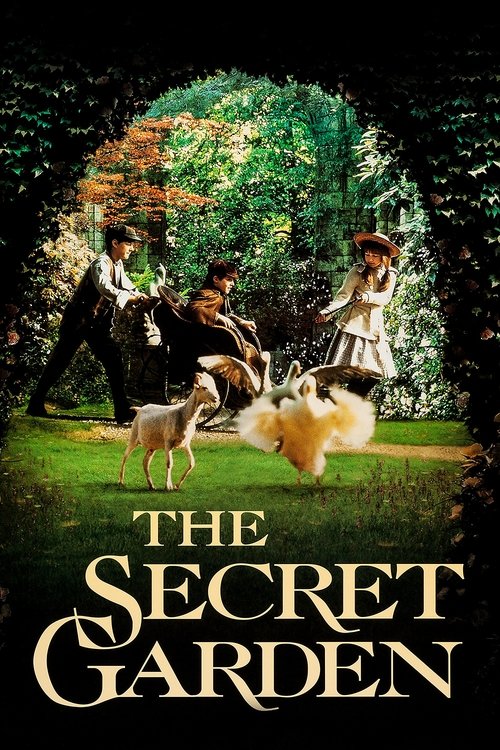
The Secret Garden1993
Another orphaned girl discovering magic in a confined space, with lush production design and a genuine emotional center. Shares the film's belief that imagination and kindness can heal real wounds.
But Darker in mood than Temple's version, and if you want lightness rather than depth, it may feel slow.
Not sure tonight? Get a pick in a minute, starting from The Little Princess
The wildcard
Something you would not have found on your own.
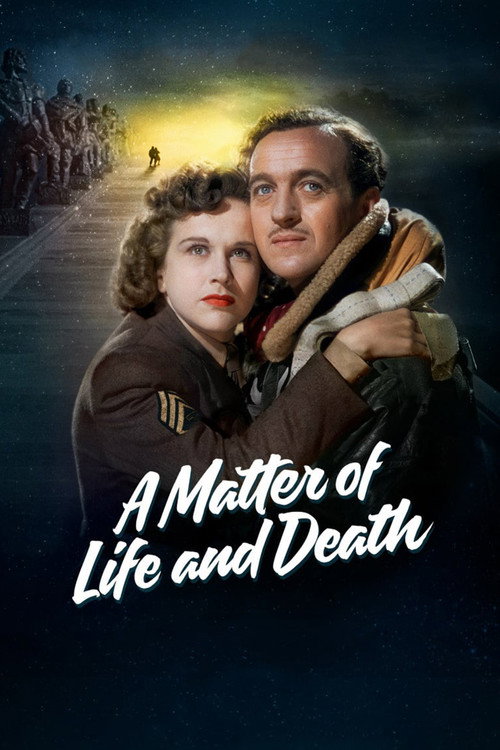
A Matter of Life and Death1946
Both films use Technicolor not as decoration but as moral language: color becomes evidence that the internal and emotional are as real as the physical.
A British Technicolor fantasy where a dead RAF pilot argues for his life before a heavenly tribunal. It shares *The Little Princess*'s belief in the spiritual and emotional power of color itself, and its conviction that love and goodness are real forces in the world.
But It's a philosophical romance aimed at adults, not a children's fantasy. The register is entirely different—grand, sometimes static, occasionally obscure in its rhetoric.
More like this (8)
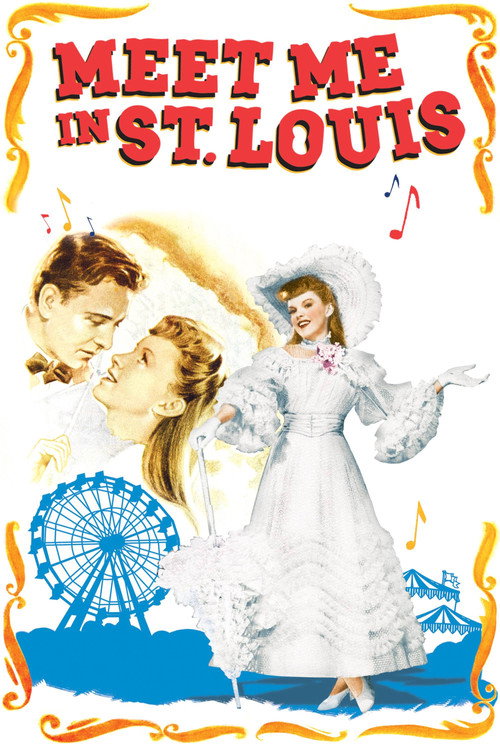
Meet Me in St. Louis1944
Judy Garland's musical fantasy, equally bound to a fantasy version of history. Both films use elaborate production numbers and color to make interior emotional landscapes visible and beautiful.
But It's a musical, and if songs stop your momentum, you'll feel it constantly.
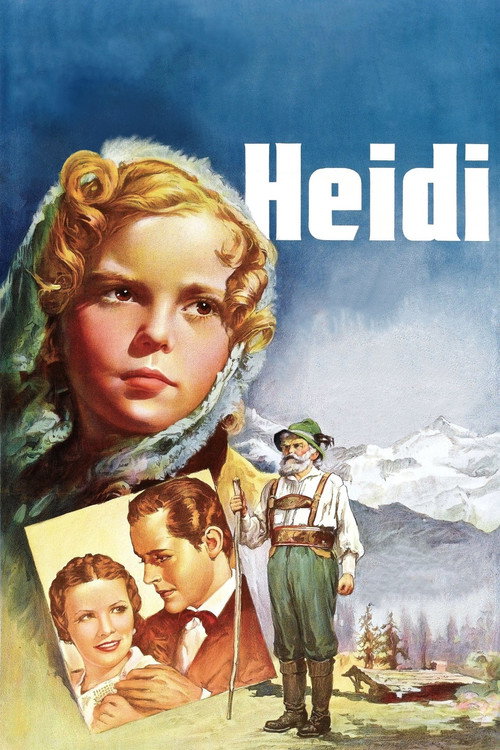
Heidi1937
Shirley Temple herself in another orphan-finds-family story, similarly constructed around a child's moral authority to transform those around her. If you loved this one, the natural next step.
But It covers similar thematic ground so closely you may feel you're rewatching rather than discovering something new.
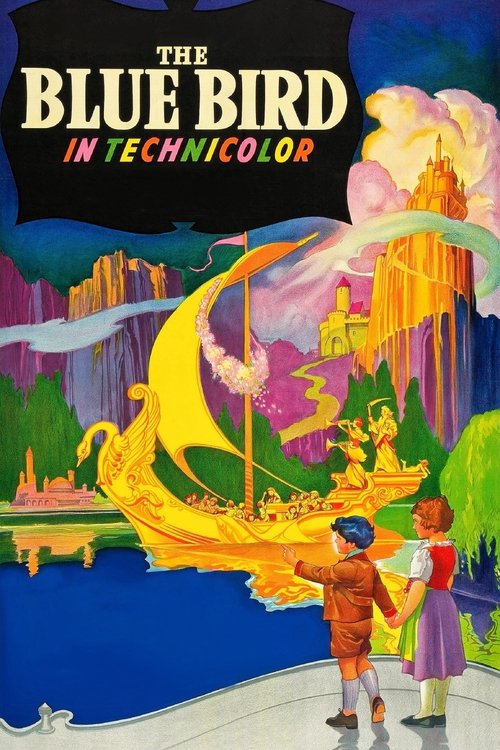
The Blue Bird1940
Another Technicolor fable about children on a quest, with the same production opulence and faith in imagination. Shares the same era's visual language and philosophical optimism.
But It's more overtly fantastical and less grounded, which some find precious rather than enchanting.
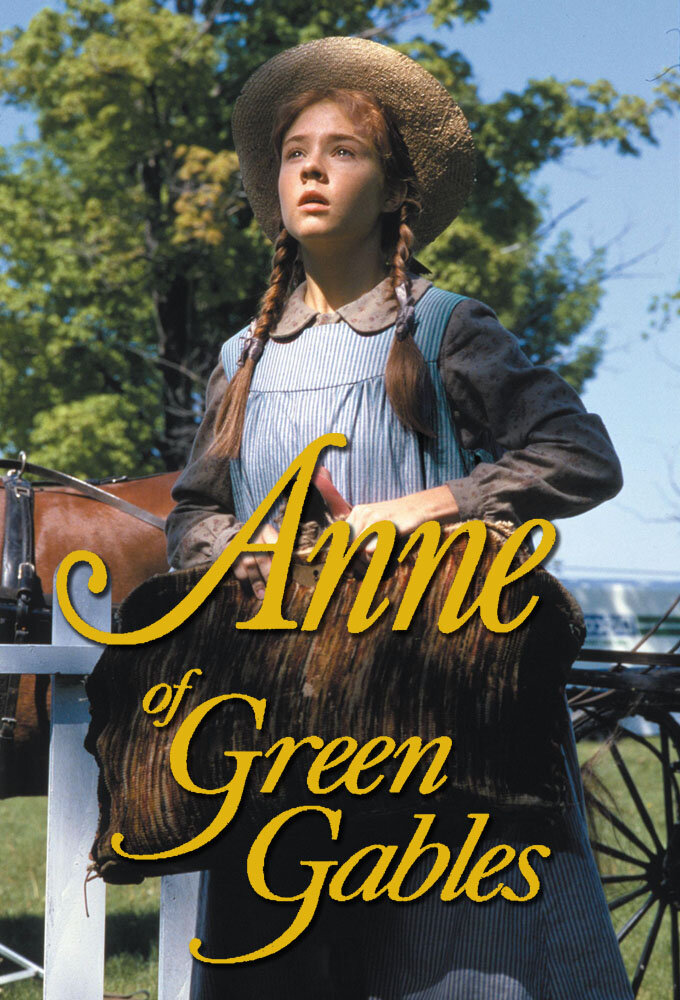
Anne of Green Gables1985
A girl's fierce imagination and moral certainty reshape her world, in a miniseries with genuine production craft. Same emotional DNA as Temple's film: goodness as active, transformative force.
But Substantially longer than the film, and the pacing won't suit everyone's appetite for that particular story.
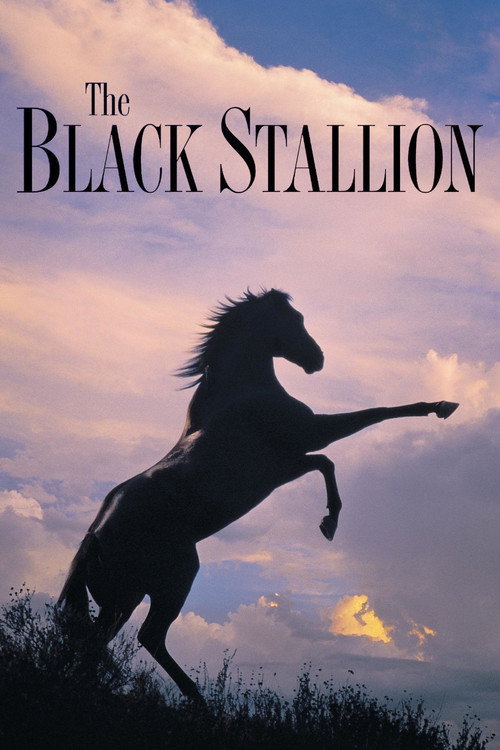
The Black Stallion1979
A child isolated by circumstance forms a bond that heals both of them. Uses landscape and visual beauty as Temple's film uses color—to make inner states visible and moving.
But Sparse dialogue and a slower, more meditative rhythm may feel distant after the chattier energy of Temple's world.
Curly Top1935
Shirley Temple again, in an earlier film that established the formula this one perfects: an orphan whose charm and goodness dissolve obstacles through sheer force of personality and song.
But Earlier and cruder in execution than *The Little Princess*, with less visual sophistication and more saccharine padding.

Rififi1955
Both believe form and visual language can reveal inner states more precisely than dialogue. One ascends through goodness; one descends through crime. Same engine, opposite roads.
A heist film told almost entirely without dialogue, using visual storytelling to make the invisible—trust, loyalty, the weight of consequence—suddenly visible and urgent. An inversion of Temple's method: using form to reveal interior truth rather than using sentiment.
But It's a French noir crime thriller, morally ambiguous and interested in failure. There is no goodness that transforms; only damage that compounds.

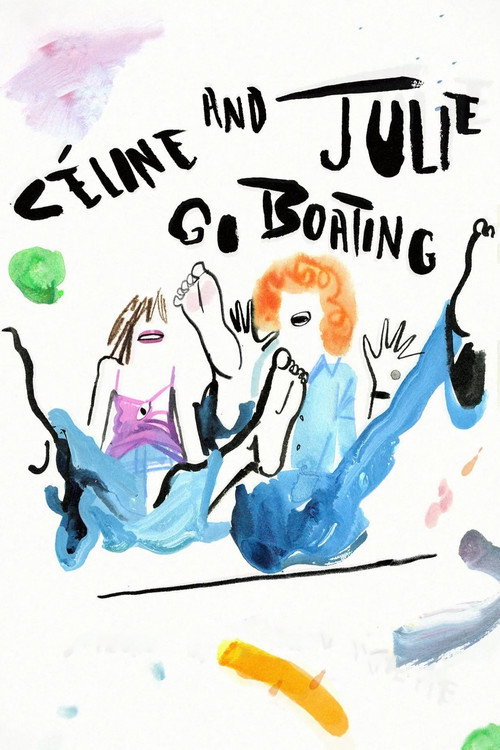
Céline and Julie Go Boating1974
Both locate transformative power in the space between imagination and reality, and both suggest that women and girls can reshape fate through will and creative vision—but this one does it as avant-garde puzzle rather than fairy tale.
A French fantasy where two women slip repeatedly into a mysterious house and its nested stories, slowly remaking its tragedy through imagination and will. Uses the magic-system-as-metaphor approach of *The Little Princess*, but as experimental cinema, not classical narrative.
But It's nearly three hours, deliberately cryptic, and uninterested in closure. It asks you to hold ambiguity and rewarding uncertainty in a way very few films do.
People
Cast
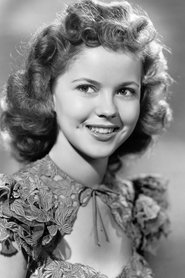 Shirley TempleSara Crewe
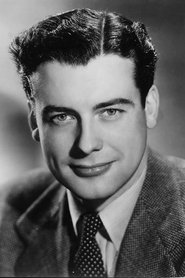 Richard GreeneGeoffrey Hamilton
 Anita LouiseRose
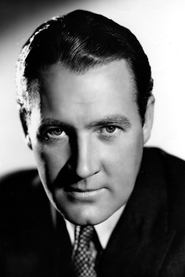 Ian HunterCaptain Crewe
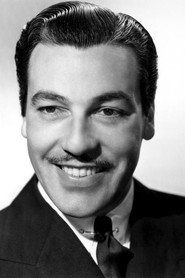 Cesar RomeroRam Dass
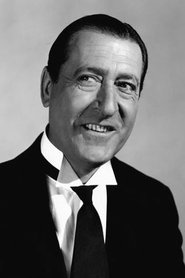 Arthur TreacherBertie Minchin
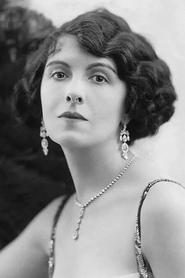 Mary NashAmanda Minchin
- Sybil JasonBecky
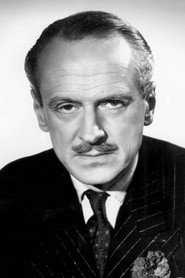 Miles ManderLord Wickham
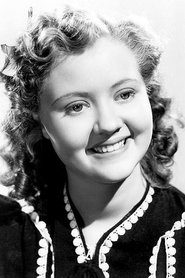 Marcia Mae JonesLavinia
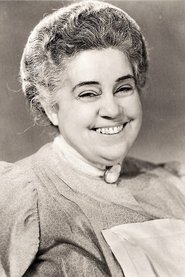 Beryl MercerQueen
- Deidre GaleJessie
Directing
- Walter LangDirector
Writing
- Frances Hodgson BurnettNovel
- Ethel HillScreenplay
- Walter FerrisScreenplay
Production
- Gene MarkeyAssociate Producer
Recommended by
The Secret Garden, Little Women, Captain January, The Littlest Rebel, Just Around the Corner, Little Lord Fauntleroy