
Film
The Little Princess
Other titles called The Little Princess: the 1939 film.
A Russian adaptation of *A Little Princess* set in 1890s London, where a girl orphaned by her father's death undertakes a perilous journey to find him. It's a fairy-tale adventure tinged with real loss—visually sumptuous, emotionally sincere, aimed at children but unafraid of genuine darkness. A film that remembers what the fairy tale is actually about.
Should you watch it?
Watch it if you enjoy a patient, old-fashioned orphan story where imagination and quiet kindness carry the emotion more than busy plotting ever does.
Skip it if you need fast pacing or sharp modern edges; this is earnest and sentimental, with a slow, formal rhythm and a melodramatic streak that can feel heavy.
What it asks of you: It runs under ninety minutes and moves at a measured, unhurried pace, asking you to settle in and let scenes breathe rather than chase them.
Not sure? Find tonight's pick in a minute.
If you liked this
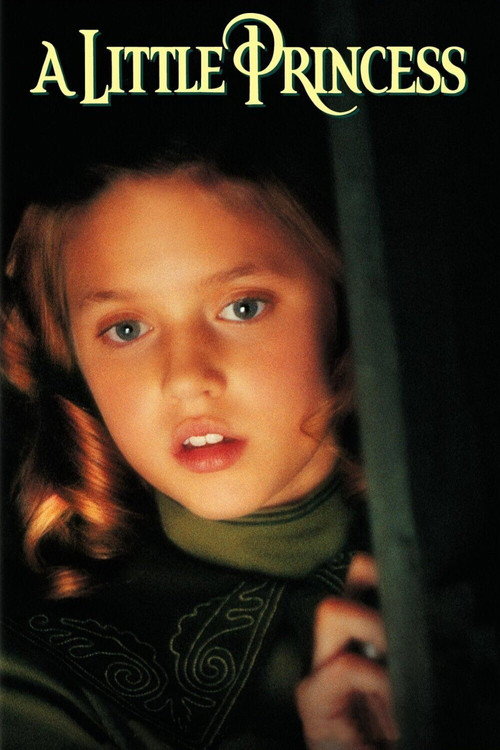
A Little Princess1995
The Frances Hodgson Burnett novel has been adapted many times; this American version by Caroline Goodall is vivid and moving, with a similar orphan-turned-servant narrative and real stakes. A useful comparison point.
But Shot and paced for younger viewers in a way that can feel slightly dated now. Some might find its earnestness unfashionable.
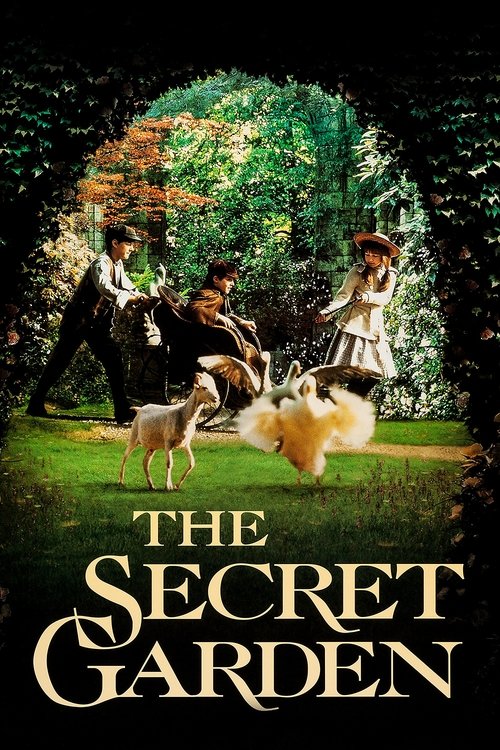
The Secret Garden1993
Agnieszka Holland's adaptation of another Burnett novel shares the Russian film's commitment to visual beauty and emotional truth. Children discovering their own power through kindness and imagination, but nothing saccharine.
But Slower than modern family film. The first half is genuinely sad before hope arrives, which some find hard to sit with.
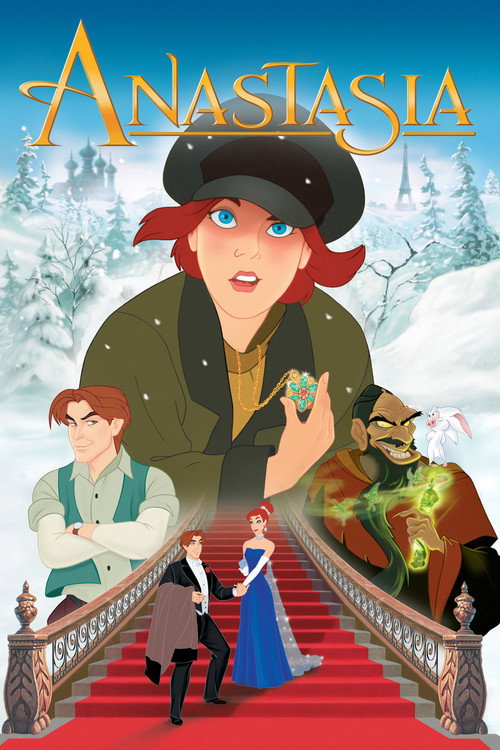
Anastasia1997
The same year, same essential story—a girl alone in a vast city, orphaned, searching for a lost father who might still be alive. Animated, but with similar stakes and a similar journey through hardship to revelation.
But American animation of this era has a particular look and feel that hasn't aged smoothly. Lighter in tone than the Russian film, which shifts the whole emotional register.
Not sure tonight? Get a pick in a minute, starting from The Little Princess
The wildcard
Something you would not have found on your own.
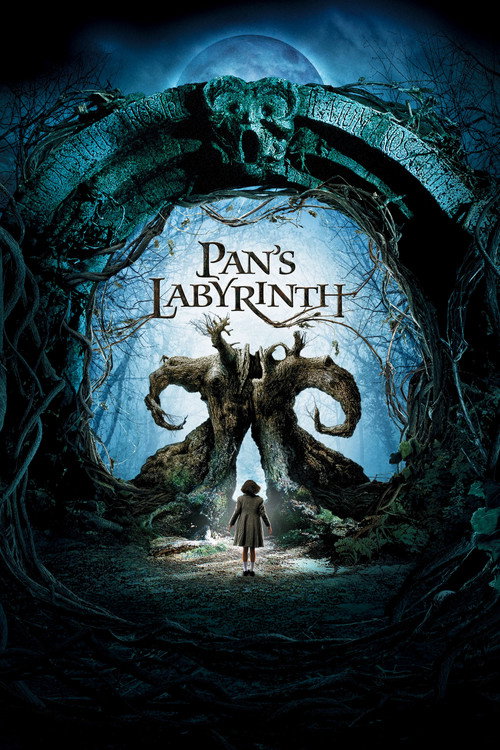
Pan's Labyrinth2006
Both films understand that the fairy tale and the dark world are not opposites but the same story told at different volumes. Magic and loss are woven together, not contradictory.
Guillermo del Toro's masterpiece: a girl's journey through a magical labyrinth during Spanish Civil War fascism. Like this film, it refuses to separate fairy tale from historical pain, using wonder to process real horror without diminishing either.
But Genuinely violent. Not a children's film despite its young protagonist. The ending is bleak in ways some find unbearable. Requires emotional stamina.
More like this (6)
The Night Circus
Erin Morgenstern's novel adapted is about wonder, magic existing alongside real stakes, and a protagonist's journey through a fantastical world. Sumptuous production design and the same refusal to condescend to the audience.
But Long, deliberately paced, and at times dreamlike to the point of abstraction. Not plot-driven; requires patience and surrender.
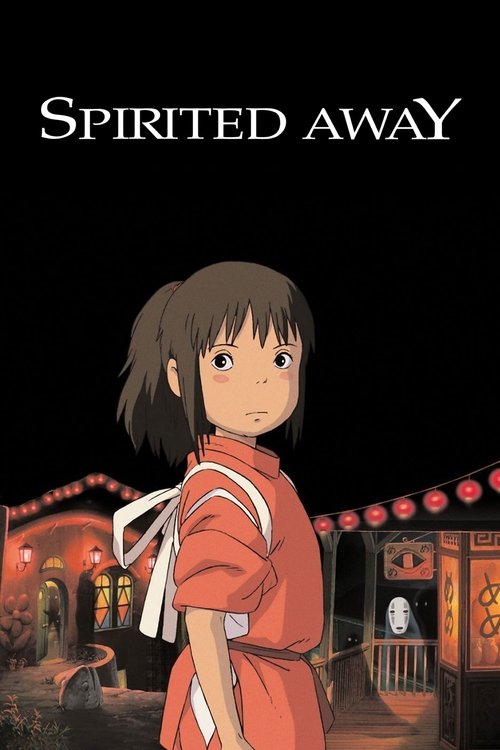
Spirited Away2001
Miyazaki's masterpiece features a young girl orphaned and alone in a strange world, navigating cruelty and magic to find her way home and reclaim her identity. Visually extraordinary and deeply moving.
But Japanese animation; the dubbed version flattens performances. Some scenes are genuinely frightening, even for older children. Not a comfort watch.
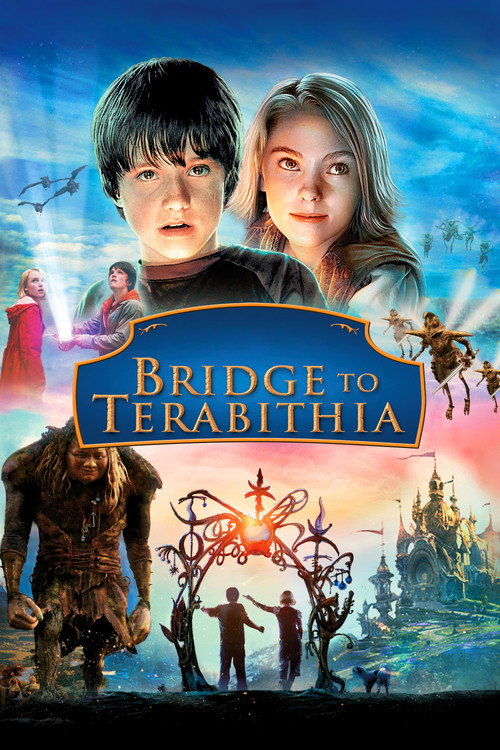
Bridge to Terabithia2007
Children discover imagination and friendship as an escape from real grief and loneliness. Blends fantasy with genuine emotion—the two worlds don't cancel each other out but reinforce each other.
But The tonal shift in the second half catches many off guard. Some find it manipulative; others find it necessary.
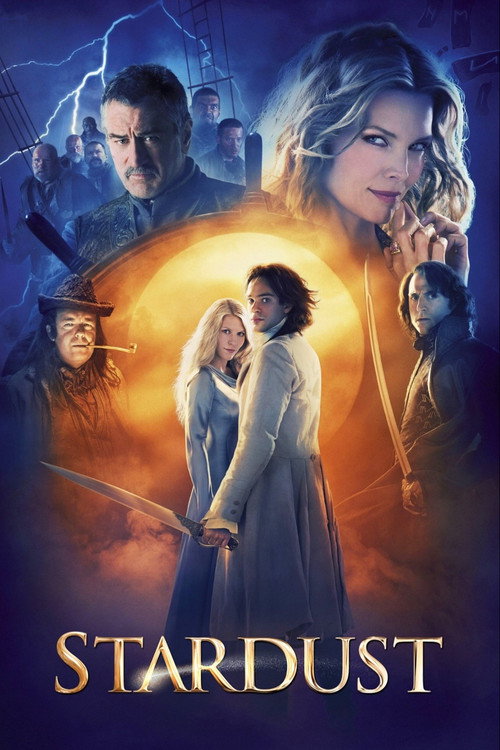
Stardust2007
Neil Gaiman's fairy tale adventure is warm, funny, visually inventive, and unironic about magic and transformation. A journey to find what was lost, with pirates and witches and genuine heart.
But The gender politics and humor are decidedly early-2000s. Lighter and more comedic than this Russian film's particular ache.
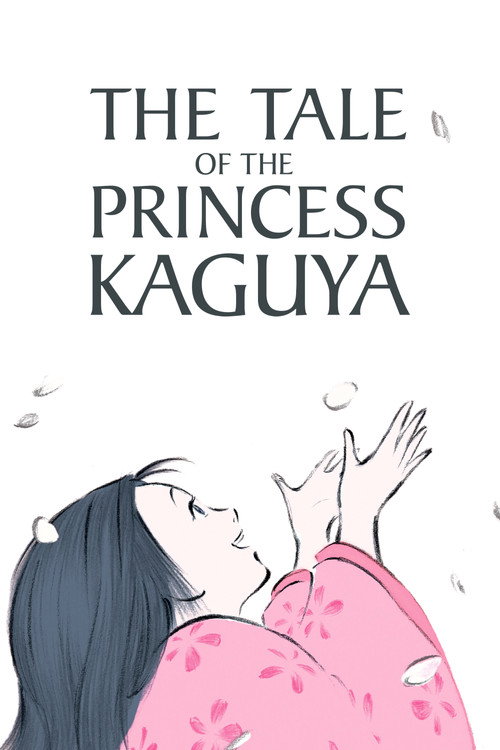
The Tale of The Princess Kaguya2013
Both make fairy tales about real loss rather than escapism. The magic and wonder are precisely what makes the inevitable heartbreak resonate—if the world were mundane, losing it wouldn't matter.
Isao Takahata's hand-drawn animated masterpiece adapts a 10th-century Japanese folktale about a girl who must leave an enchanted world and face the human world's cruelty and loss. Staggeringly beautiful, achingly sad.
But Deliberately paced, poetic rather than narrative-driven. Some find the animation style (deliberately sketchy, unfinished-looking) alienating. A film that requires active watching, not passive viewing.
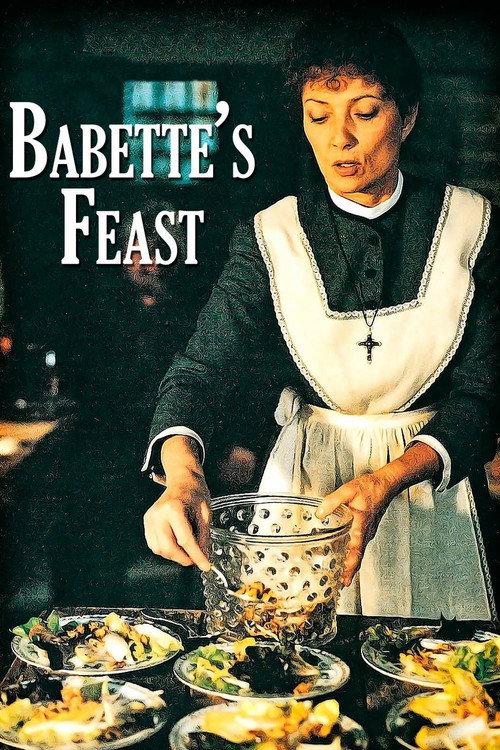
Babette's Feast1987
Both films trust that the deepest human need—to be seen, wanted, loved—matters more than plot. Both are structured like prayers rather than stories, and find transcendence in ordinary moments of connection.
A small, quiet Danish film about grace, abundance, and belonging. A woman finds family not through blood but through care. Like this film's orphan journey, it's about discovering you were loved and cherished all along, just differently than you expected.
But Glacially slow, especially for a modern audience. Minimal plot. Its rewards are spiritual and thematic, not dramatic. Some experience it as boring rather than meditative.
People
Cast
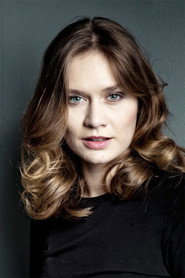
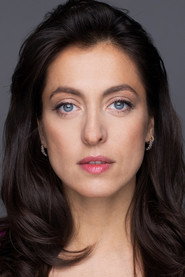 Anastasiya MeskovaSara Crewe
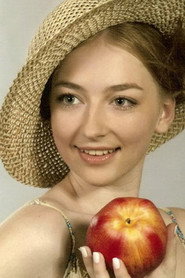
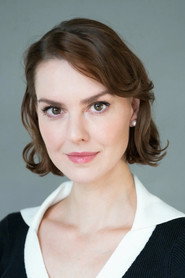 Lyanka GryuBekky
 Alla DemidovaMiss Minchin
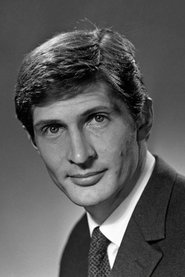
 Aleksey BatalovNarrator

Directing
- Vladimir GrammatikovDirector
Writing
- Frances Hodgson BurnettNovel
- Galina ArbuzovaWriter
- Vladimir ZheleznikovWriter