
Film
The Blue Bird
A lavish 1940 MGM fantasy where Shirley Temple searches for the Blue Bird of Happiness across whimsical, overdetermined sets. Gorgeously artificial and touchingly sincere about childhood wonder, it's a film that knows exactly what it is: a dream-logic journey with talking animals and personified bread. For viewers who delight in theatrical artifice and vintage spectacle.
Should you watch it?
Watch it if you love old-fashioned fairy-tale quests where talking animals and elemental spirits wander through allegorical dreamscapes, and you don't mind a 1940 studio film's stagey, storybook charm.
Skip it if you want brisk pacing or modern special effects; the film moves at a leisurely, episodic clip and its wonder is mostly painted sets and gentle whimsy rather than spectacle.
What it asks of you: About ninety minutes of patience with a loosely strung-together journey, where episodes drift from one vivid tableau to the next and the mood stays light and sweetly earnest.
Not sure? Find tonight's pick in a minute.
If you liked this
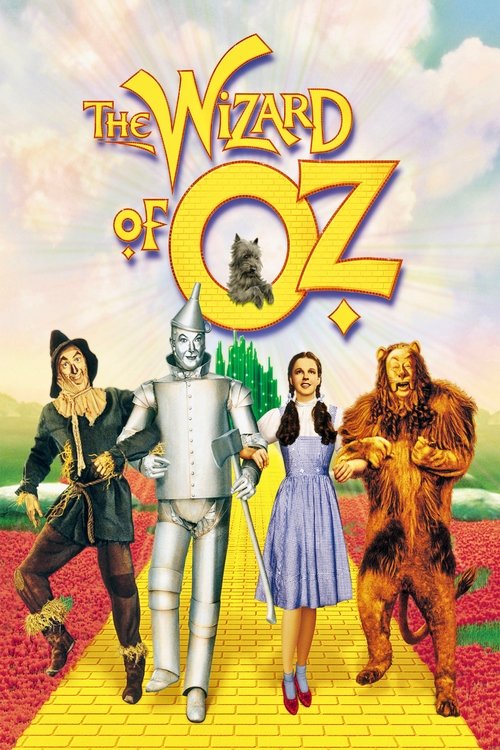
The Wizard of Oz1939
The obvious comparison, but sharper and stranger than memory suggests. Dorothy's journey has the same dreamy logic and colourful otherworldliness, with a similar faith in spectacle to make wonder feel real.
But It's a children's film that adults have remade into mythology. Watching it fresh means resisting decades of cultural weight and reverence.
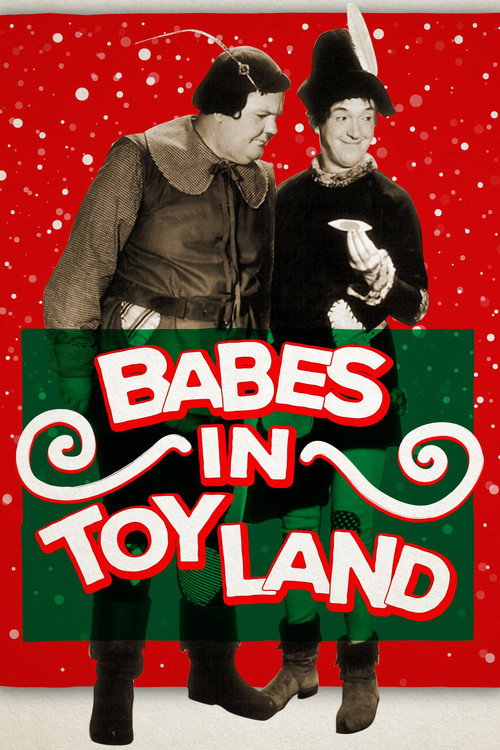
Babes in Toyland1934
Laurel and Hardy navigate a storybook world with the same cheerful artificiality. Less glossy than Blue Bird but equally committed to turning the set design itself into the story.
But The humour is genteel and dated. If you need laughs that land hard, this won't provide them.
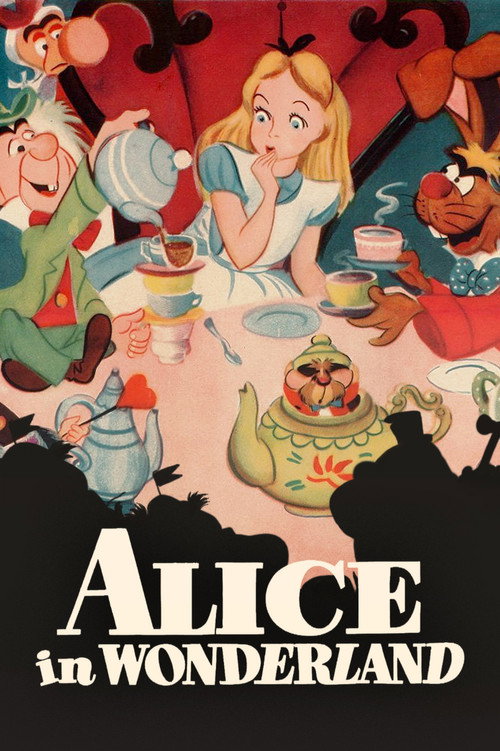
Alice in Wonderland1951
Disney's animated adaptation shares the episodic structure and the logic of dreams—things happen because they're wonderfully strange, not because they make sense. Same commitment to pure whimsy.
But Animation from this era can feel stiff to modern eyes. The pacing is unhurried in ways contemporary viewers sometimes find glacial.
Not sure tonight? Get a pick in a minute, starting from The Blue Bird
The wildcard
Something you would not have found on your own.
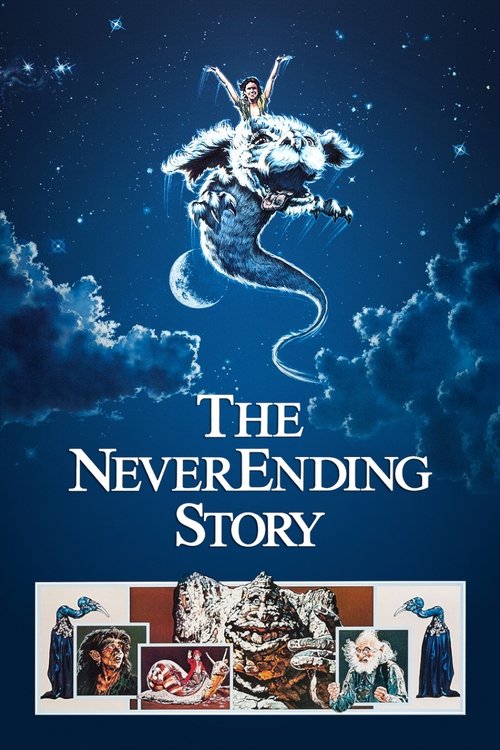
The NeverEnding Story1984
Both films trust that the search itself matters more than finding; both build entire worlds from the commitment to saying 'yes, let's pretend this is real.'
A film about a boy reading a magical story that parallels the film we're watching. Like Blue Bird, it treats the act of believing in fantasy as the real journey, not a backdrop. Built from practical puppetry and painted worlds, it has the same tactile artifice.
But It's long, its pacing is deliberate to the point of testing, and the philosophical undercarriage about imagination and reality can feel heavy-handed.
More like this (8)
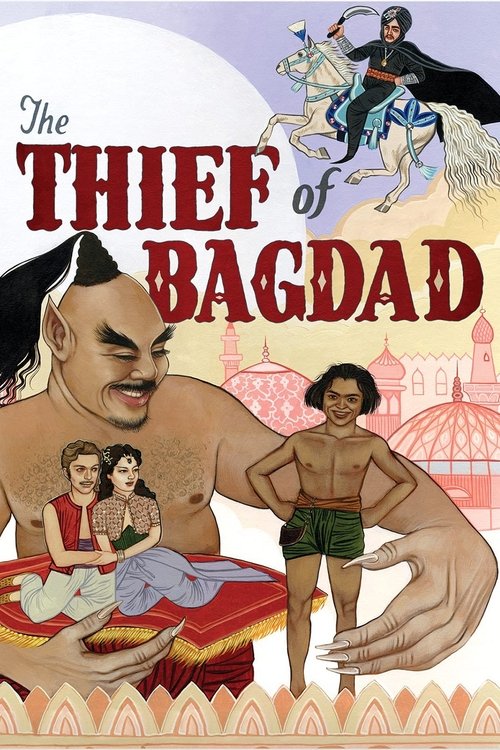
The Thief of Bagdad1940
Released the same year, equally intent on proving that fantasy spectacle can be painted, dressed, and lit into being. Sabu plays a hero on a quest across impossible worlds, with effects that strain against their own limitations—gorgeously.
But It's slow by design, and the romantic subplot feels creaky now. Patience with artifice is required.
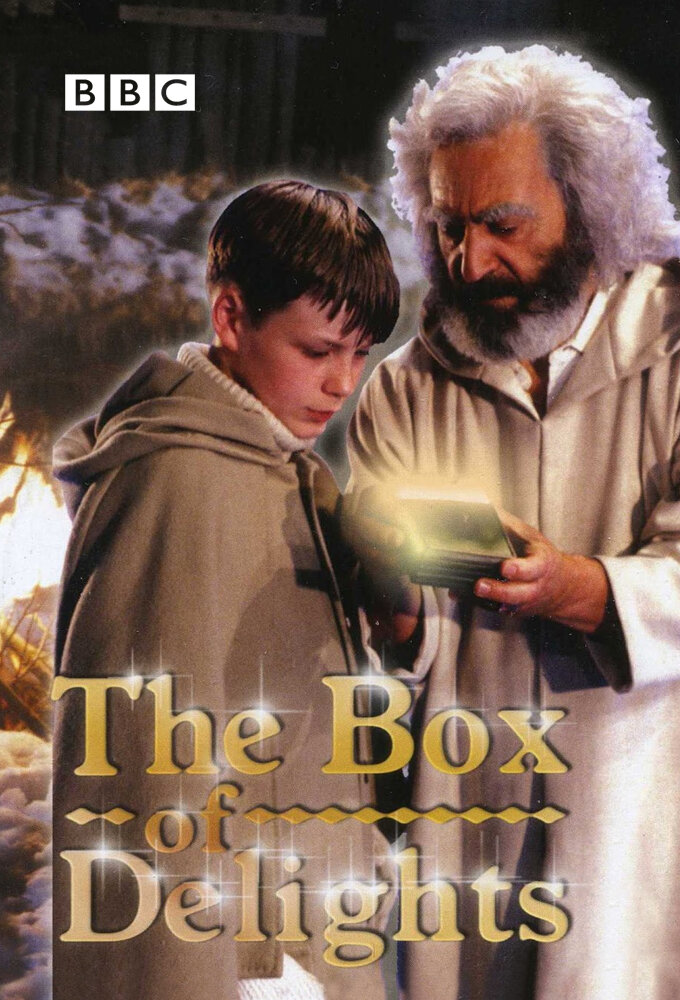
The Box of Delights1984
A BBC Christmas fantasy with the same devotion to theatrical sets and the logic of storybooks. It builds magic from painted flats and practical effects, trusting the viewer's willingness to believe.
But It's British children's television, which means certain tonal adjustments. Also genuinely eerie in places—not what you might expect from something so ornate.
A Midsummer Night's Dream1935
Shakespeare's fairy realm adapted by Warners, complete with choreographed chaos and actors who treat artificiality as a feature, not a bug. The same celebration of managed mayhem.
But Hearing Shakespeare in 1930s theatrical voices is an acquired taste. It can feel campy, which is partly the point, but not everyone cares for that register.
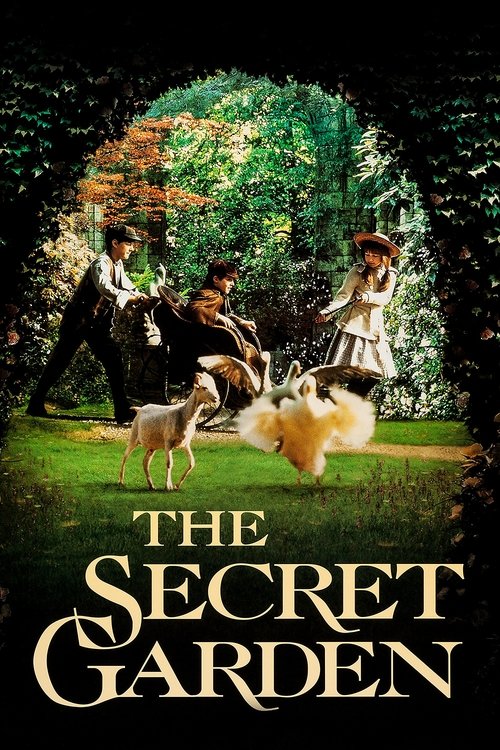
The Secret Garden1993
A children's story about transformation and wonder, but told with restraint and genuine emotion beneath the fantasy. More grounded than Blue Bird but animated by the same faith in magic as accessible and real.
But It pivots toward melodrama in the second half. If you need lightness sustained, it may lose you.
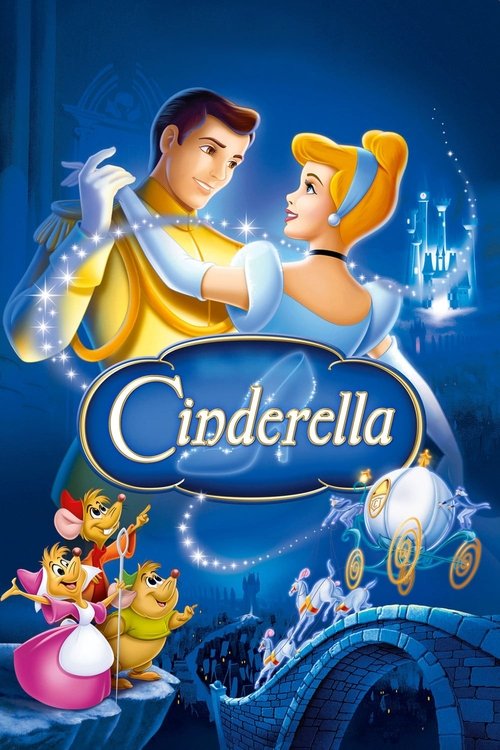
Cinderella1950
Disney's most theatrical animated feature. The ball sequence builds spectacle from design and music in the way Blue Bird builds it from sets. Both understand that fantasy is a craft, not a byproduct.
But It's been seen and discussed to death. You're watching it through layers of cultural commentary. Also, it's explicitly designed not to challenge you.
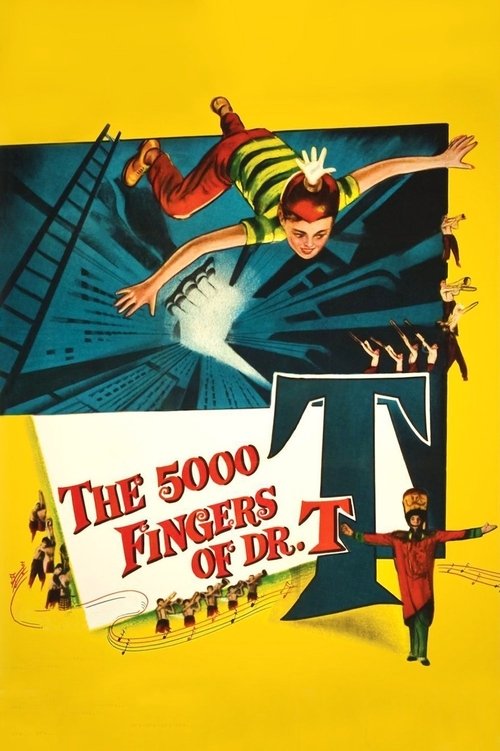
The 5,000 Fingers of Dr. T.1953
Seuss on film: anarchic, brilliantly designed, committed to the logic of dream without explanation or apology. Stranger than Blue Bird but built from the same trust in visual imagination.
But It's genuinely weird, which sounds appealing until it's on screen. Also short on plot, heavy on texture, which frustrates viewers looking for structure.
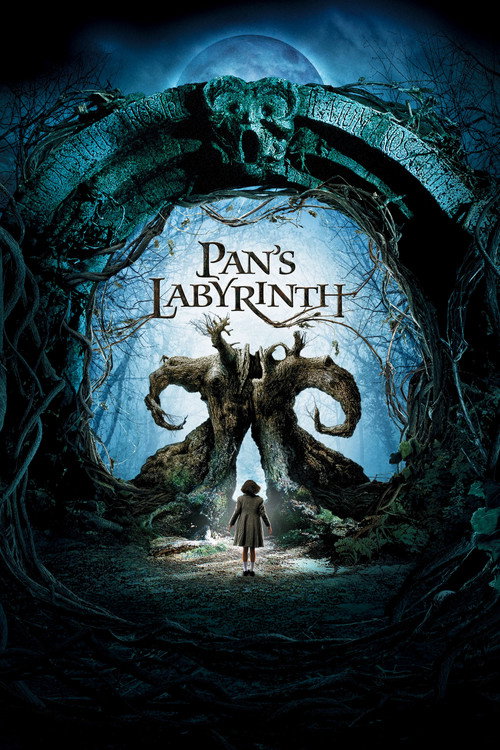
Pan's Labyrinth2006
Both use fantasy quests to explore what childhood needs to believe in order to survive; Blue Bird offers comfort, Pan offers resistance.
A Spanish fantasy about a child's magical journey that uses practical creature design and detailed sets in ways that echo Blue Bird's devotion to visible artifice. But it's far darker—the fairy tale becomes a way to survive horror rather than find happiness.
But It's set during the Spanish Civil War and contains real violence and genuine dread. The tonal shift from whimsy to genuine menace is severe and upsetting.
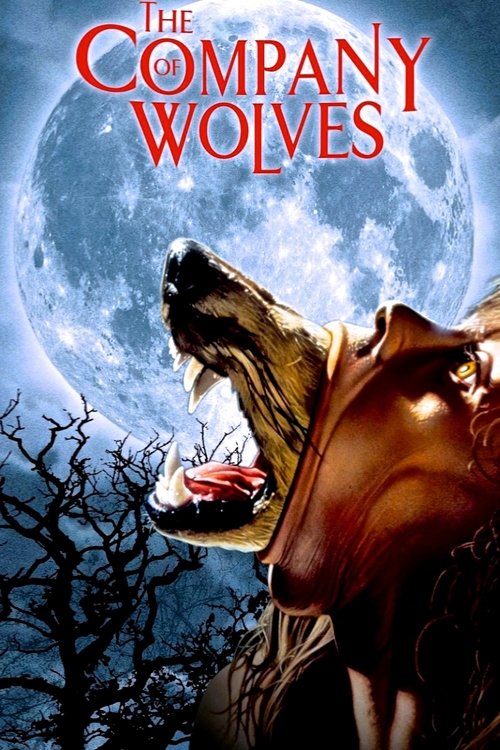
The Company of Wolves1984
Both are films that understand fairy tales as voyages through spaces that follow dream logic rather than narrative logic; both trust that the spectacle itself is the point.
Neil Jordan's film of Angela Carter's story: a fever dream of fairy tales told in a bedroom, each one bleeding into the next. Like Blue Bird's episodic journey, but hallucinatory rather than wholesome. Stunning 1980s practical design and make-up that treats werewolves as another fantasy element.
But It's genuinely unsettling and interested in desire and danger, not comfort. The fairy tales here are warnings, not adventures, and the mood is closer to unease than joy.
People
Cast
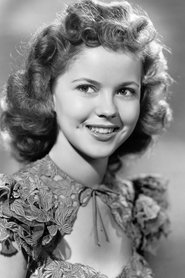 Shirley TempleMytyl
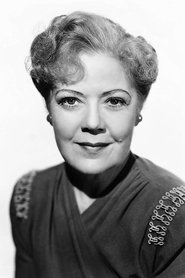 Spring ByingtonMummy Tyl
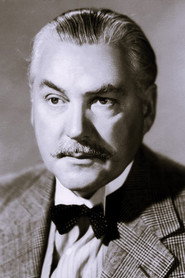 Nigel BruceMr. Luxury
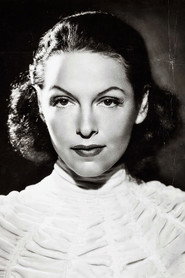 Gale SondergaardTylette
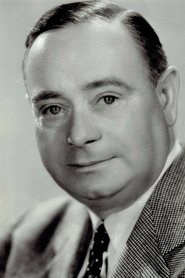 Eddie CollinsTylo
- Sybil JasonAngela Berlingot
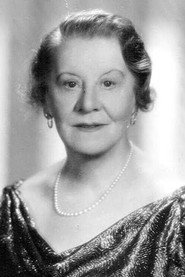 Jessie RalphFairy Berylune
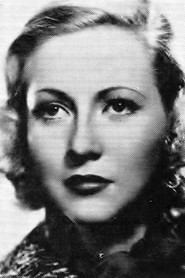 Helen EricsonLight
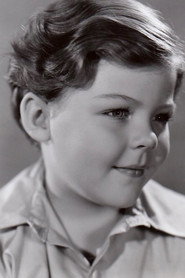 Johnny RussellTyltyl
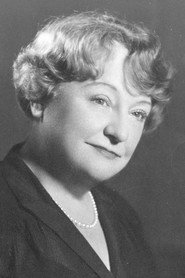 Laura Hope CrewsMrs. Luxury
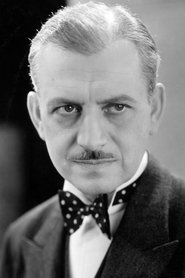 Russell HicksDaddy Tyl
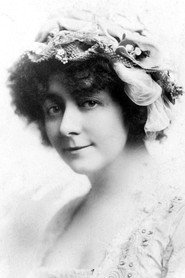 Cecilia LoftusGranny Tyl
Directing
- Walter LangDirector
Writing
- Ernest PascalScreenplay
- Walter BullockScreenplay
- Maurice MaeterlinckTheatre Play
Production
- Darryl F. ZanuckProducer
Recommended by
Bedknobs and Broomsticks, Mr. Peabody and the Mermaid, The Secret Garden, The Little Princess, Just Around the Corner, The Adventures of Tom Sawyer