
Film
Babes in Toyland
Other titles called Babes in Toyland: the 1961 film, the 1986 film.
- Slapstick
- Light-hearted
Laurel and Hardy tumble through a storybook world of nursery rhymes turned into a fully realized fantasy realm, complete with living toys, enchanted forests, and an actual shoe-house. It's pure visual slapstick mixed with genuine charm—less plot-driven than designed as an excuse for elaborate sets and impossible gags. For anyone who loves physical comedy, practical effects, or just wants to see two grown men commit entirely to toy-world logic.
Should you watch it?
Watch it if you enjoy slapstick built on two performers' rhythm, and a storybook world where nursery-rhyme figures are played straight while the villain is more menacing than silly.
Skip it if you want a tight modern plot; this one is a loose run of set pieces, and its sentiment and songs can feel dated and creaky.
What it asks of you: Expect a brisk 78 minutes that moves from scheme to scheme, with the attention going to physical gags and reaction shots rather than to character depth.
Not sure? Find tonight's pick in a minute.
If you liked this
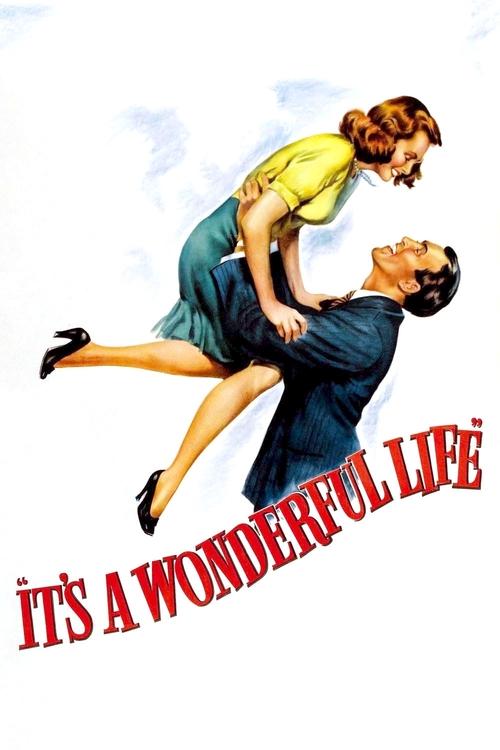
It's a Wonderful Life1946
Capra's masterpiece about ordinary people in a magical setting, where whimsy and sentiment coexist with real stakes. Like Babes in Toyland, it builds a complete world and trusts you to live in it.
But Three-hour runtime and the relentless wholesomeness can feel cloying if you're not in the mood for earnest emotional catharsis.
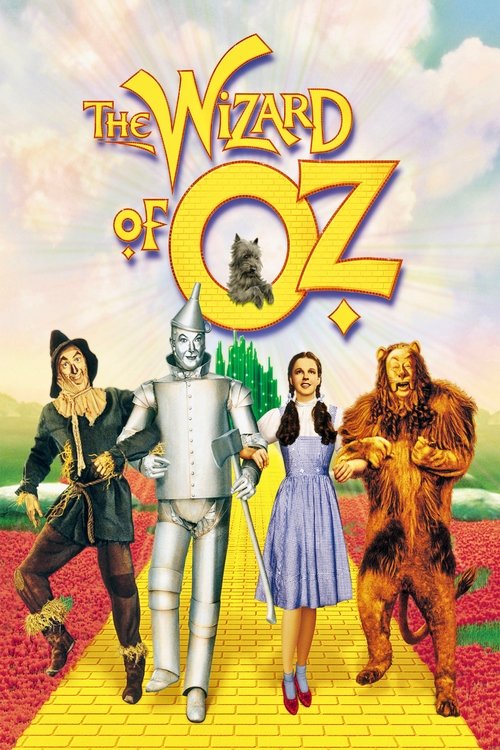
The Wizard of Oz1939
Another fantasy built from storybook logic where everything is heightened and tactile and real. The production design is as much the star as the performances—spectacular sets you can actually see.
But Can drag in the middle, and the emotional beats land differently depending on your age when you first see it.
Singin' in the Rain1952
Physical comedy at its absolute peak, with a script that disappears into pure movement and invention. Every frame is designed to make you smile, and the craftsmanship is staggering.
But If you're resistant to musicals or unbridled joy, this will feel like watching someone else's vacation video.

Not sure tonight? Get a pick in a minute, starting from Babes in Toyland
The wildcard
Something you would not have found on your own.
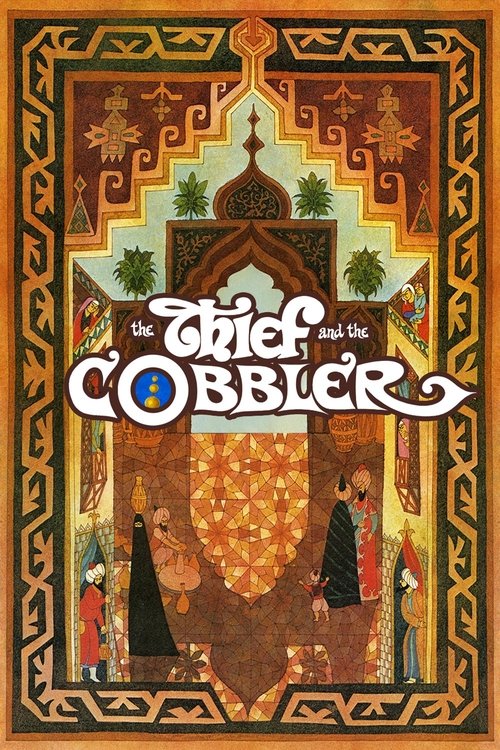
The Thief and the Cobbler1993
Both build entire worlds from storybook logic using whatever production techniques available; both trust visual excess over plot, and both collapse into pure design as the real subject.
An animated fever dream of a fairy tale with designs that came straight out of fever hallucinations—perhaps the most visually lavish fantasy adventure ever made. Pure invention at every frame.
But The narrative is deliberately dreamlike and sometimes incoherent; there's no plot you can grip. Some cuts are incomplete or frustratingly edited.
More like this (8)
The Cabinet of Dr. Caligari1920
Silent German Expressionism with equally warped sets and a nightmarish fairy-tale logic. Proves that fantastical production design was carrying stories long before color film.
But Black-and-white, silent, and genuinely unsettling rather than charming—the tone is the opposite of Laurel and Hardy's warmth.

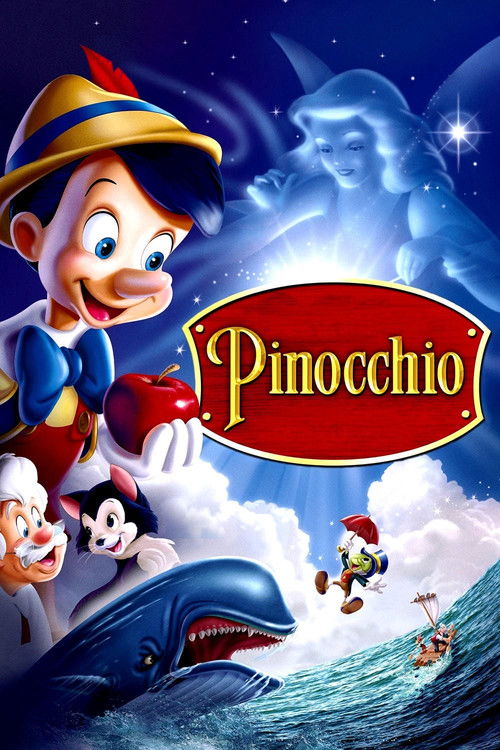
Pinocchio1940
Disney's animated answer to the same impulse: a full world built from puppet-show logic with real menace lurking at the edges. The whale scene alone justifies the runtime.
But Animated feature, so if you're specifically after live-action pratfalls and physical comedy, this substitutes something else entirely.
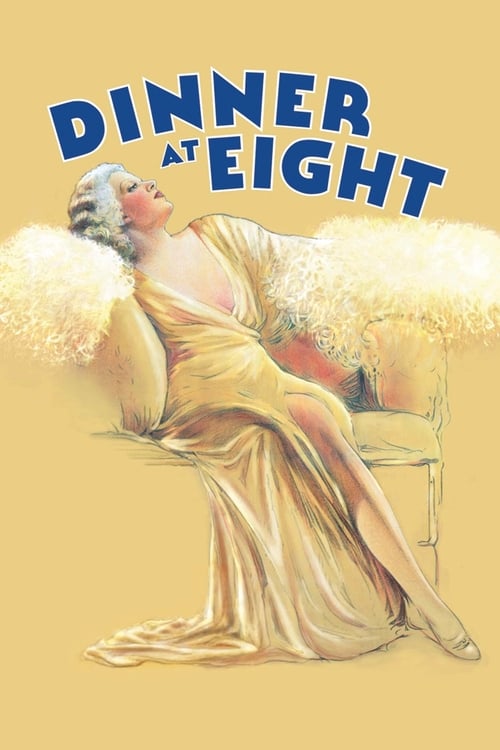
Dinner at Eight1933
A perfectly constructed ensemble comedy made the same year, with interlocking jokes and performances that trust the audience to keep up. Proof that pre-Code Hollywood could be absolutely sharp.
But Wordy and fast-paced in a way that demands attention; there's no visual spectacle to lean on if the dialogue loses you.
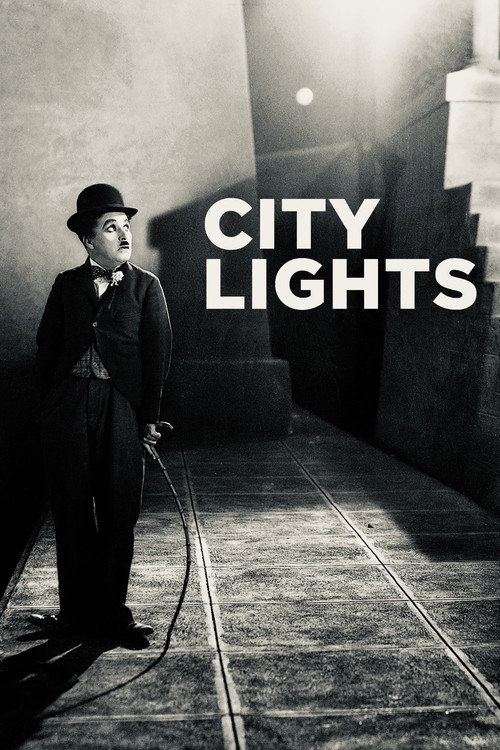
City Lights1931
Chaplin at peak invention, with every gag earned and the sentiment genuine rather than saccharine. Silent comedy that never feels dated because the heart is real.
But Silent film with minimal music; if you need dialogue or a driving plot, this will feel glacially paced.
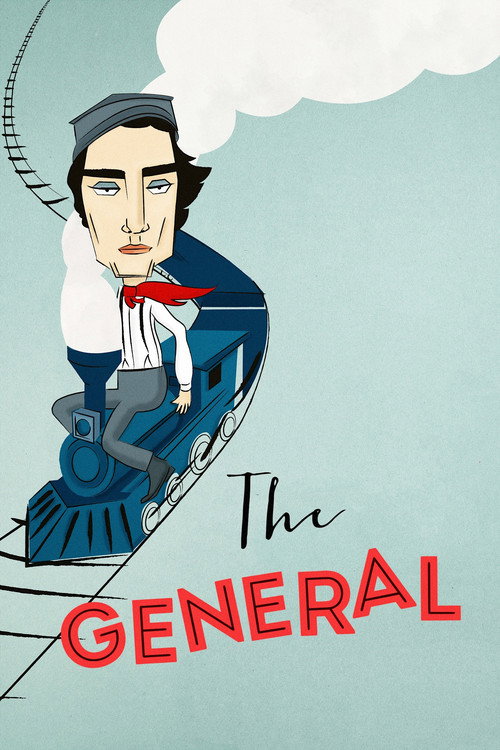
The General1926
Buster Keaton performing impossible feats of physical comedy with a train as his stage. Every shot is calculated, every gag builds on the last. A masterclass in visual storytelling.
But Virtually no plot or character development—it exists purely as a series of escalating stunts, which some find mechanical.
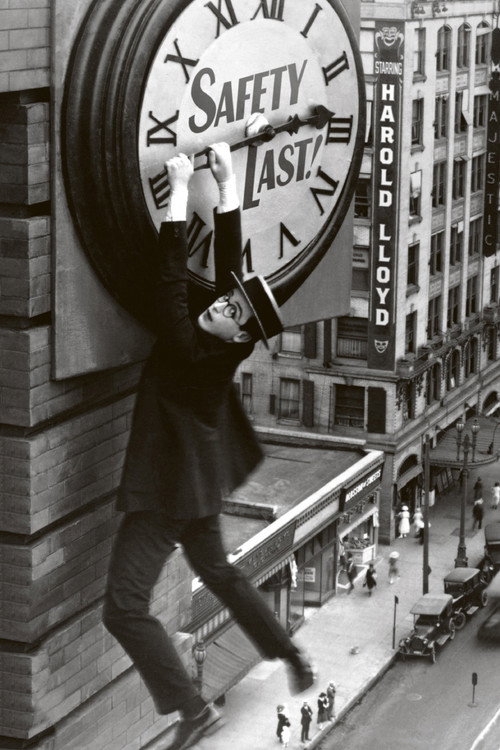
Safety Last!1923
Harold Lloyd climbing an actual building while performing actual stunts, with real consequences hanging over every move. The tension and the comedy are genuinely inseparable.
But Shorter and slighter than you'd expect; most of the impact lives in three minutes of climbing rather than a full world.
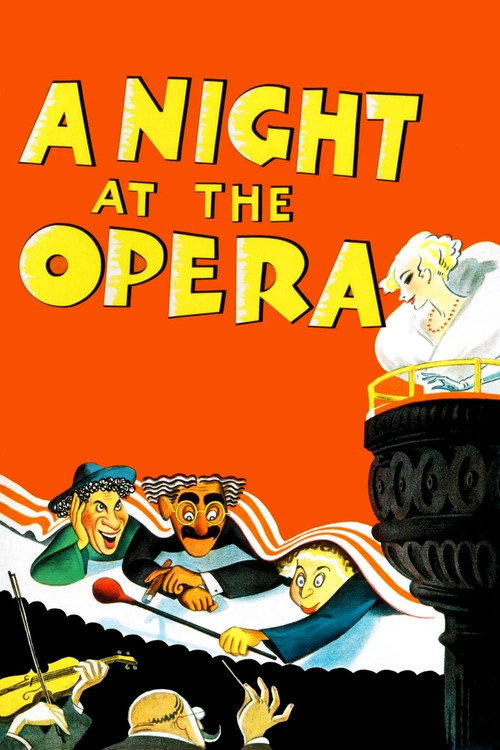
A Night at the Opera1935
Comedy from the same era built on performances rather than script, where the machinery of cinema itself becomes the joke. Both prove that 1930s studio comedy was fundamentally about what bodies could do in space.
The Marx Brothers one year later doing the same job: physical and verbal chaos colliding in an elaborate set piece. If you loved the anarchic energy of Laurel and Hardy, this is the most controlled chaos ever filmed.
But The humor is deliberately mean-spirited and sometimes scatological; absurdism that doesn't resolve into warmth like Babes in Toyland does.
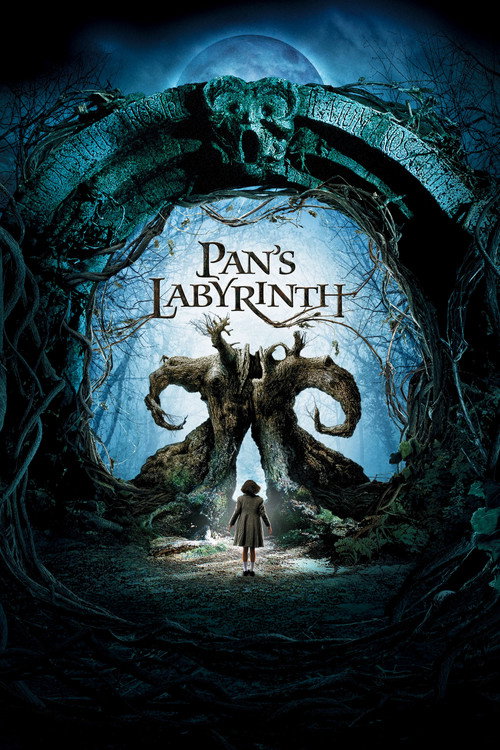
Pan's Labyrinth2006
Both use elaborate practical fantasy worlds as their primary engine, but Guillermo del Toro inverts the mood entirely—same storybook logic, opposite register, making the same design philosophy terrifying instead of whimsical.
A dark fairy tale with the production design ambition of Babes in Toyland but pitched at adults—elaborate, tactile, handmade effects creating a world that feels like a fever dream made concrete.
But Set during the Spanish Civil War with real violence and genuine cruelty; this is children's fantasy aesthetics applied to atrocity, which some find tonally jarring or exploitative.
People
Cast
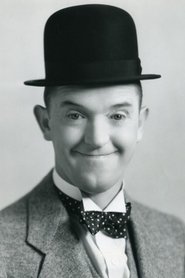 Stan LaurelStannie Dum
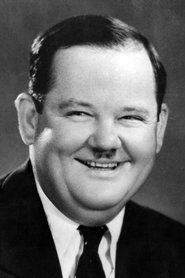 Oliver HardyOllie Dee
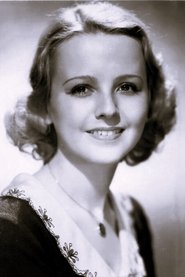 Charlotte HenryLittle Bo Peep
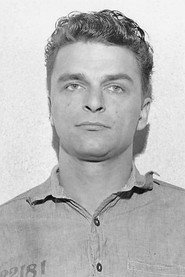 Henry BrandonSilas Barnaby
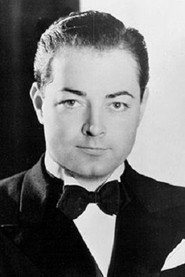 Felix KnightTom-Tom Piper
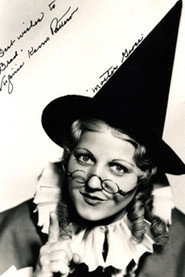 Virginia KarnsMother Goose
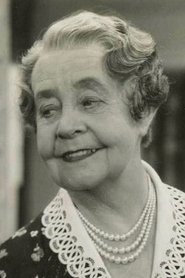 Florence RobertsThe Widow Peep
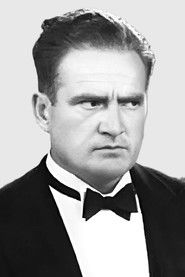 Richard AlexanderKing's Guard (uncredited)
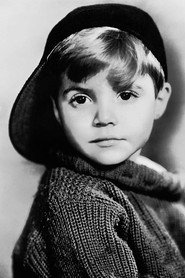 Scotty BeckettSchoolboy (uncredited)
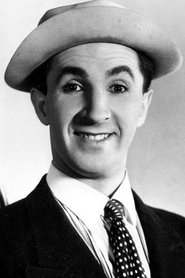 Billy BletcherChief of Police (uncredited)
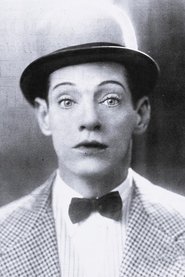 Eddie BordenDemon Bogeyman (uncredited)
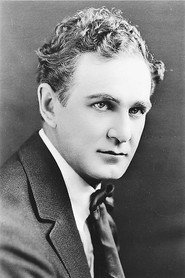 Bobby BurnsTownsman (uncredited)
Directing
- Charley RogersDirector
- Gus MeinsDirector
Writing
- Anna Alice ChapinBook
- Glen MacDonoughLyricist
- Glen MacDonoughOpera
- Victor HerbertOpera
- Frank ButlerWriter
- Nick GrindéWriter
Production
- Hal RoachProducer