
Film
Babes in Toyland
Other titles called Babes in Toyland: the 1934 film, the 1986 film.
- Fairy tale
- Comedy
- Romantic comedy
- Light-hearted
A 1961 Disney musical fantasy where nursery rhyme characters collide in a candy-coloured Toyland. Ray Bolger's villain Barnaby kidnaps the hero to prevent a wedding, triggering slapstick chases and elaborate song numbers. It's pure theatrical whimsy—creaky in places, genuinely inventive in others—aimed squarely at families who enjoy their entertainment colourful and unironic.
If you liked this
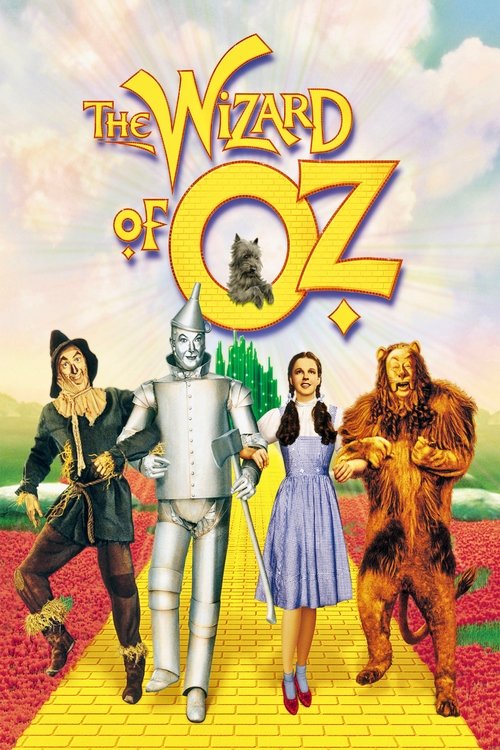
The Wizard of Oz1939
Ray Bolger gives this film its anarchic comic energy just as he did Oz. Both feature impossible worlds built from stagewear and artifice, both are obsessed with getting characters home, both trust their audiences to find wonder in obvious theatre.
But It moves slowly by modern standards and the emotional manipulation—Dorothy's crisis, the Scarecrow's existentialism—can feel heavy-handed if you're not in the mood for earnest sentiment.
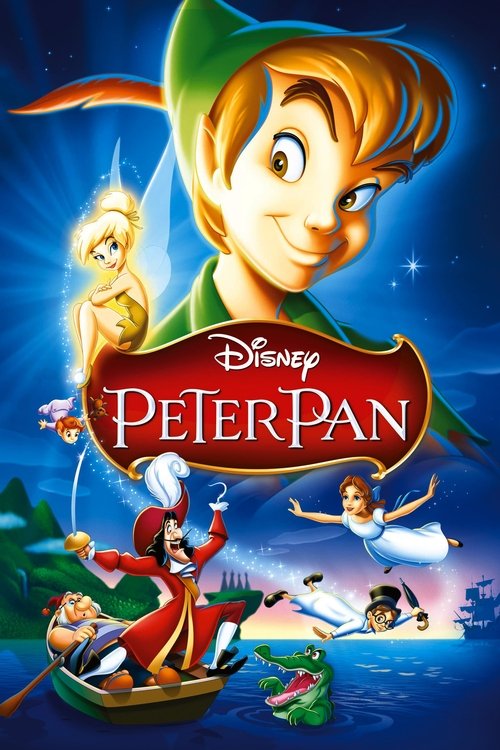
Peter Pan1953
Another Disney fantasy where grown-up production values collide with children's storybook logic. Identical blend of songs, flights of fancy, cartoon irreverence, and a villain who owns the entire enterprise through sheer scenery-chewing charm.
But The pacing can drag between musical numbers, and Captain Hook, for all his fun, overshadows the ostensible heroes. Some find the whole thing cloyingly sweet.
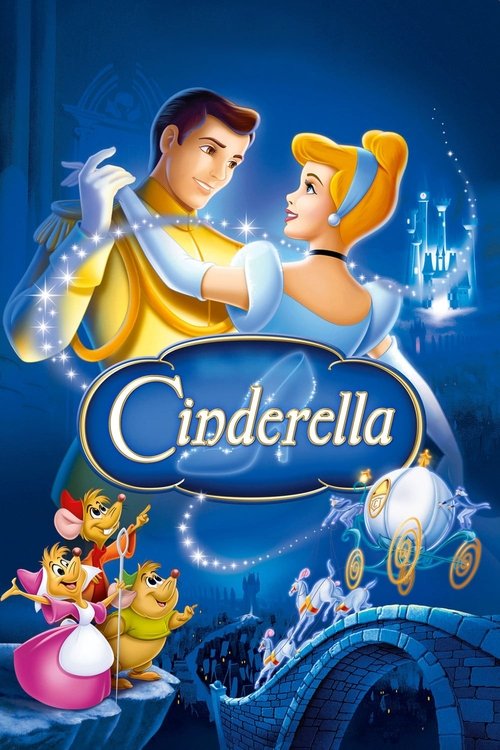
Cinderella1950
Disney's formula at its most confident: fairy tale structure, supporting characters who steal scenes, a villain you love to hate, production design that transports you instantly. The ball sequence justifies the entire film's existence.
But The protagonist is almost passive—things happen to her rather than because of her. If you need active heroes and morally complex stories, this will frustrate you.
Not sure tonight? Get a pick in a minute, starting from Babes in Toyland
The wildcard
Something you would not have found on your own.
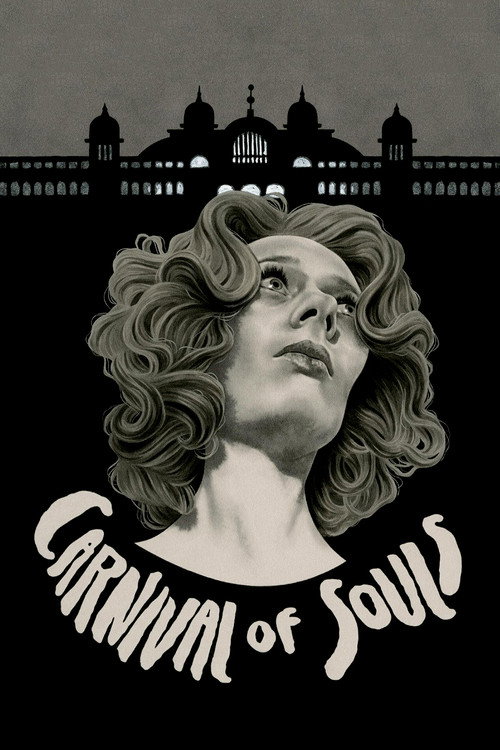
Carnival of Souls1962
Both films use theatrical unreality to suggest the protagonist is caught between worlds—Toyland uses joy and colour, Carnival uses dread and shadow.
A cheap indie horror film shot in real locations rather than painted sets, but it channels the same uncanny energy—a world where normal rules don't apply and the protagonist doesn't quite belong. Both are about journeys through impossible spaces; one is a musical, one is a ghost story.
But It's in black and white, deliberately eerie rather than joyful, and genuinely disturbing in ways that classic Disney never attempts. If you want colour and reassurance, this will unsettle you.
More like this (8)
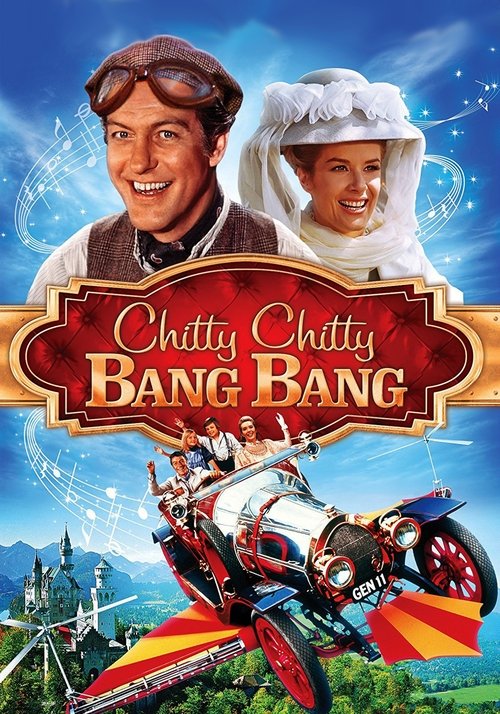
Chitty Chitty Bang Bang1968
Same theatrical exuberance, same willingness to build impossible worlds on a soundstage, same mix of whimsy and mechanical invention. Dick Van Dyke and Sally Ann Howes share Bolger's gift for committed silliness that makes fantasy work.
But It's even longer than Babes in Toyland and stretches its welcome in the middle. The tonal shifts—from cosy family adventure to actual child-stealing—can feel jarring.
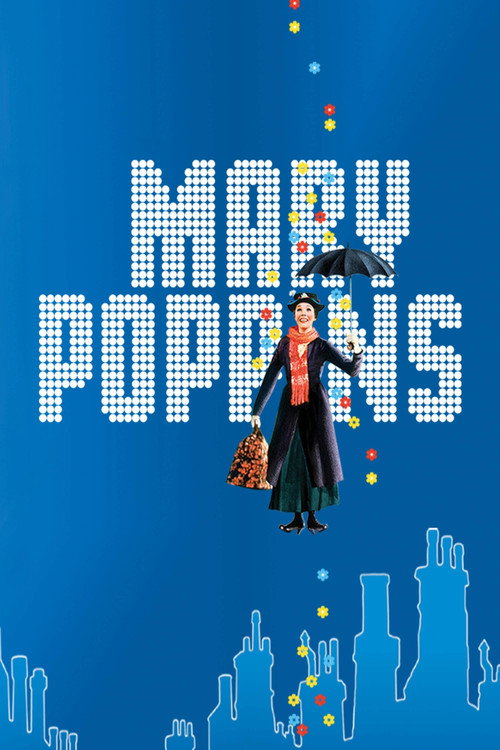
Mary Poppins1964
Julie Andrews and Dick Van Dyke anchor another Disney fantasy with genuine actors doing real acting between the numbers. The set pieces are imaginative without overwhelming the human story at the centre.
But The whimsy is more controlled and less unhinged than Babes in Toyland. If you want pure theatrical abandon, this is too grounded and sensible.
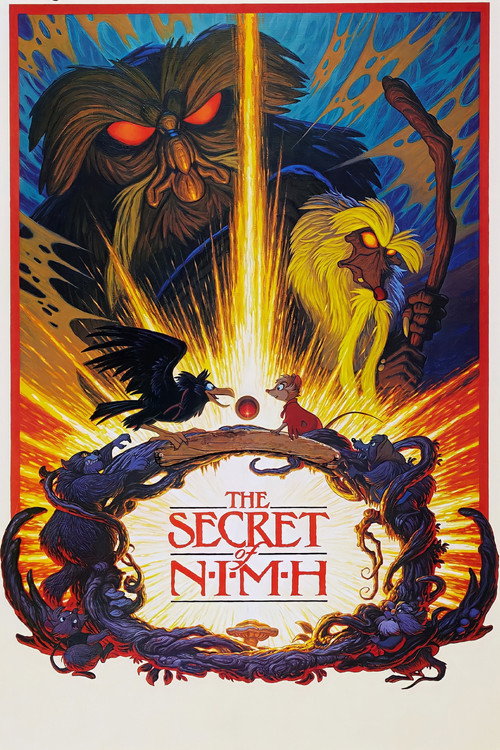
The Secret of NIMH1982
An animated fantasy that trusts its world completely—no winking at the audience, no half-measures. The animation is sumptuous, the stakes feel real, and it has genuine darkness alongside the wonder.
But It's entirely animated when you might want human performers. The plot becomes genuinely complex and occasionally confusing for younger viewers.
Singin' in the Rain1952
Gene Kelly and Donald O'Connor in the musical entertainment of its era at absolute peak confidence. Every song advances plot or character, nothing is extraneous, the joy is completely earned rather than imposed.
But It's a backstage musical about showbiz, which some find insufferably self-congratulatory. The gender politics are vintage 1952 and occasionally awkward.

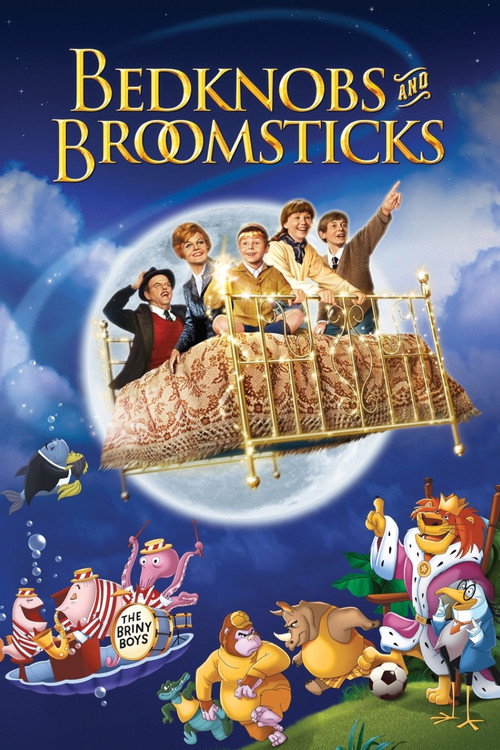
Bedknobs and Broomsticks1971
Angela Lansbury in a Disney fantasy that mixes live action and animation, musical numbers and genuine adventure. It has the same storybook logic as Babes but with more coherent plotting and a warmer emotional core.
But The animated sequence in the middle stops the film cold. Some viewers find Lansbury's preciousness grating, and the WWII patriotism feels dated.
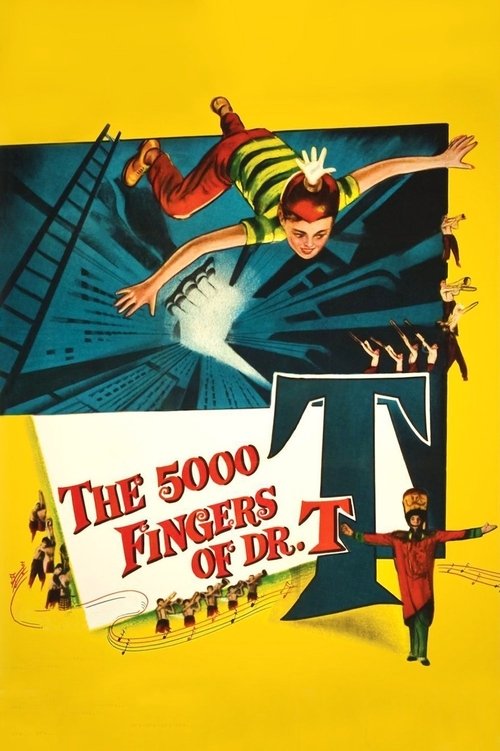
The 5,000 Fingers of Dr. T.1953
Dr. Seuss on a soundstage, which means Technicolor fever dreams and a villain (Hans Conreid) who steals every scene. Commitment to visual surrealism that makes Toyland look almost naturalistic by comparison.
But It's genuinely weird and alienating—the plot dissolves constantly, the tone is unstable, and what's supposed to be whimsy can read as hostility. Not everyone wants their children's entertainment this strange.
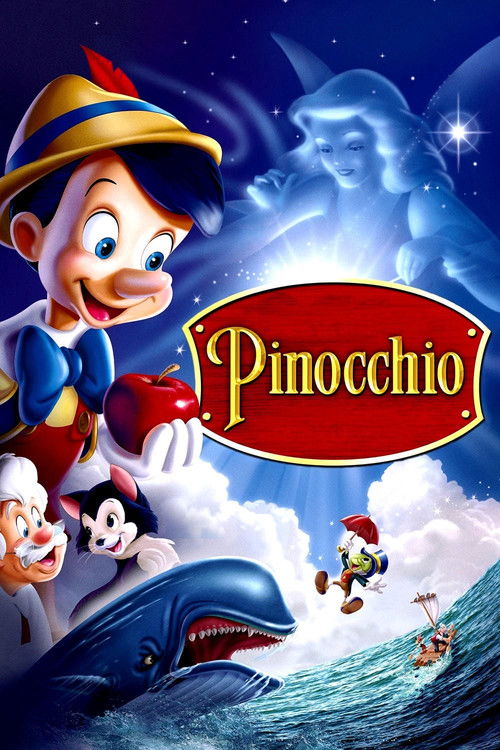
Pinocchio1940
Both place a young protagonist in a dangerous fantasy world where theatrical set-pieces and musical numbers share space with real jeopardy. Both use the artificiality of the world to suggest moral danger.
The darkest, most genuinely strange of Disney's early fantasies. Children literally turn into donkeys, there are real consequences to misbehaviour, and the world is genuinely hostile. It's a musical adventure like Babes, but one where the villains actually win for extended stretches.
But It's bleak in ways that will disturb children who expect their cartoons to be safe. The pacing is deliberate and the tone shifts from playful to genuinely frightening.
The Phantom Carriage1921
Both are films that believe in worlds beyond the naturalistic—Babes is joyful artifice, Carriage is mournful mystery, but both trust that you'll accept their rules and stop asking for realism.
A Swedish silent film where ghosts and supernatural events are treated with complete seriousness, shot with extraordinary visual poetry. It's proof that elaborate theatrical fantasy doesn't need colour or sound or modern distribution to work—pure storytelling through image.
But It's nearly a century old, in Swedish with titles, entirely silent, shot in soft focus. The pacing is glacial by modern standards and the film runs on faith that audiences will sit with images rather than demand constant action.

People
Cast
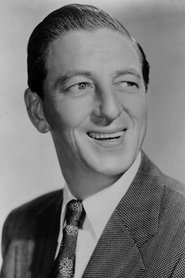 Ray BolgerBarnaby
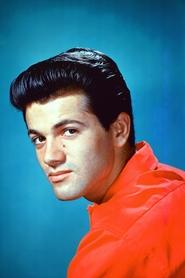 Tommy SandsTom Piper
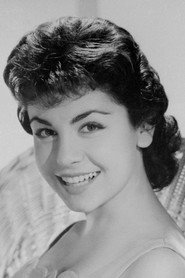 Annette FunicelloMary Contrary
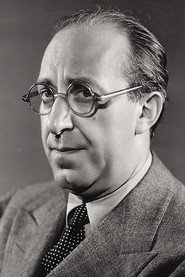 Ed WynnToymaker
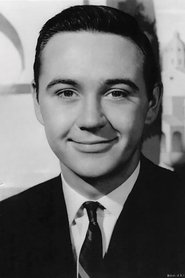 Tommy KirkGrumio
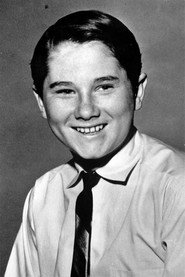 Kevin CorcoranBoy Blue
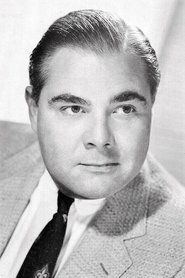 Henry CalvinGonzorgo
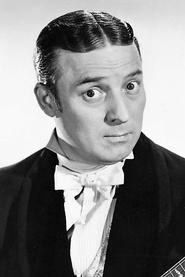 Gene SheldonRoderigo
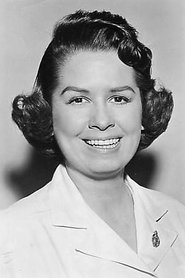 Mary McCartyMother Goose
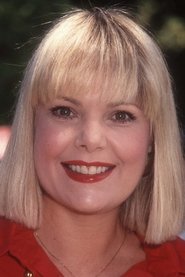 Ann JillianBo Peep
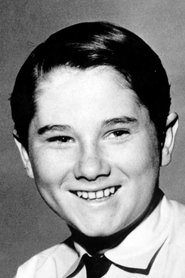 Brian CorcoranWillie Winkie
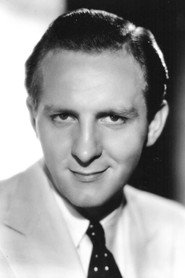 Jack DonohueSylvester J. Goose (uncredited)
Directing
- Austen JewellDirector
- Jack DonohueDirector
Writing
- Glen MacDonoughLyricist
- Glen MacDonoughOpera
- Victor HerbertOpera
- Joe RinaldiWriter
- Lowell S. HawleyWriter
- Ward KimballWriter
Production
- Walt DisneyProducer