
Film
Little Women
Other titles called Little Women: the 1949 film, the 1994 film, the 2019 film.
Katharine Hepburn's 1933 adaptation captures Alcott's beloved novel as intimate drama—a film about becoming yourself, made with remarkable grace. Hepburn dominates as Jo, fierce and unapologetic, while her sisters find their own paths through love, art, and duty. It's tender without being sentimental, funny without undercutting emotion. For anyone who's felt pulled between ambition and belonging.
If you liked this
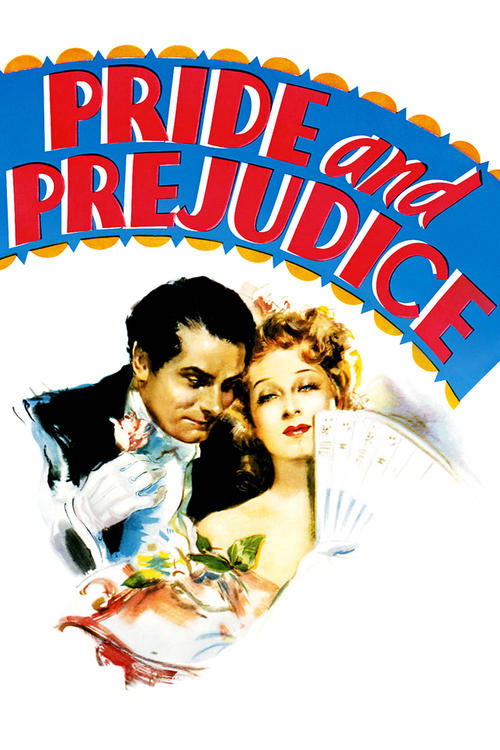
Pride and Prejudice1940
Laurence Olivier and Greer Garson navigate love and independence with wit and chemistry. Another literary adaptation that treats its source with intelligence and lets character drive the entire film.
But The pacing feels theatrical now. If you need plot propulsion over dialogue, this will test your patience.
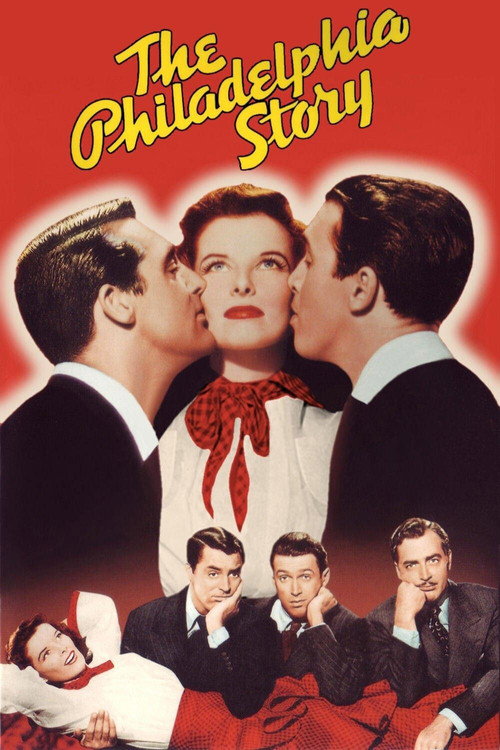
The Philadelphia Story1940
Hepburn again, brilliant and comic, playing a woman who refuses easy definitions of who she should be. It has warmth beneath the screwball energy—real stakes wrapped in champagne and one-liners.
But The romantic resolution might feel retrograde. Some viewers find the ending undermines Hepburn's character.
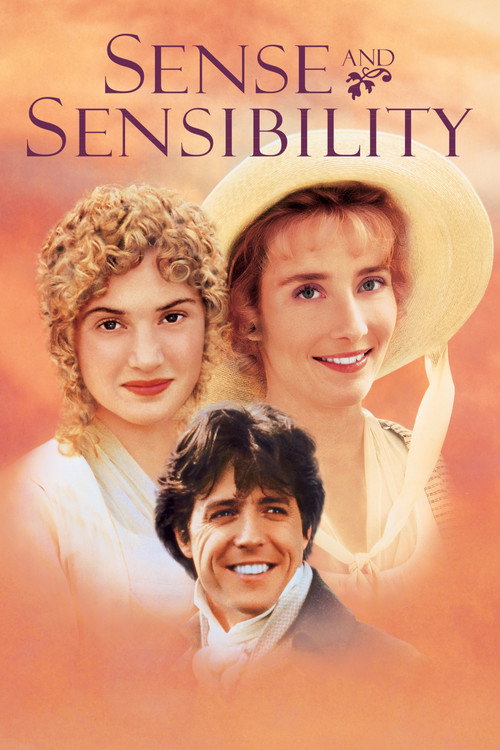
Sense and Sensibility1995
Emma Thompson's adaptation balances humor and heartache the way Alcott does. Four sisters, family struggle, love on uncertain terms—it hits the same emotional register as Little Women without feeling like a shadow.
But It's longer than you'd expect and occasionally gets tangled in subplot. The pacing uneven in places.
Not sure tonight? Get a pick in a minute, starting from Little Women
The wildcard
Something you would not have found on your own.
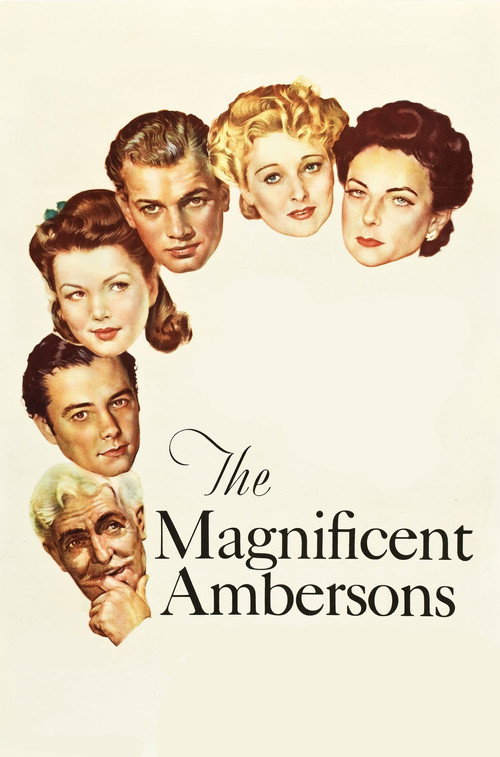
The Magnificent Ambersons1942
Both follow sisters through upheaval and change, but where Little Women finds grace and resilience, Ambersons finds ruin. They're mirror images of the same story.
Welles's tragedy about a family falling through time, watched from within. Like Little Women it's about how sisters and brothers experience loss differently. Formal, devastatingly human, and often overlooked.
But It's fragmented—the studio cut Welles's version. What remains is brilliant but incomplete, which can feel frustrating.
More like this (8)
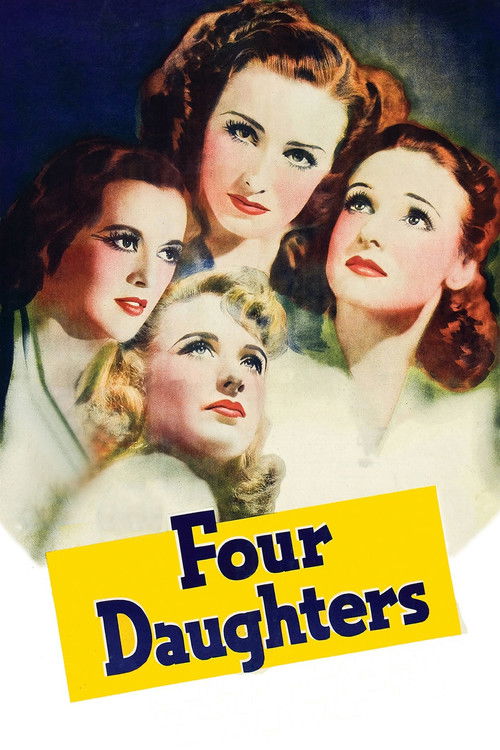
Four Daughters1938
A lively family ensemble with genuine chemistry between the leads. It captures the joy and friction of sisters growing up together without saccharine edges.
But Plot resolves in fairly conventional ways. Some plot threads feel abandoned.
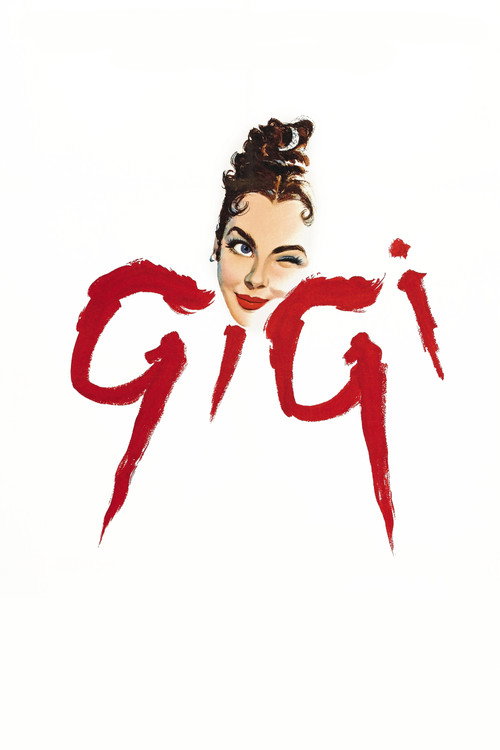
Gigi1958
A young woman navigates her future against family expectation. The musical numbers are gorgeous, and beneath the charm there's a real conversation about agency and choice.
But The tone is whimsical in ways Little Women is not. It feels lighter, less grounded.
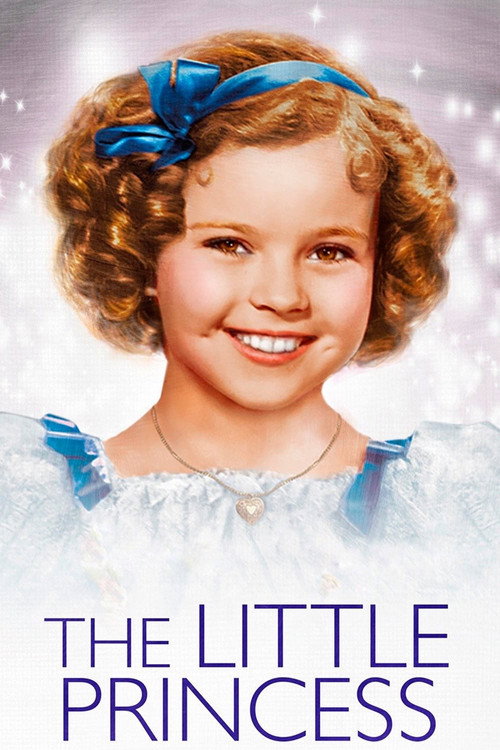
The Little Princess1939
Shirley Temple in a rich, colorful film about a girl refusing to lose her inner life despite hardship. It's sentimental, but with spine—a child surviving with imagination and goodness intact.
But The sentimentality is heavy-handed by modern standards. Technicolor beauty can't quite mask it.
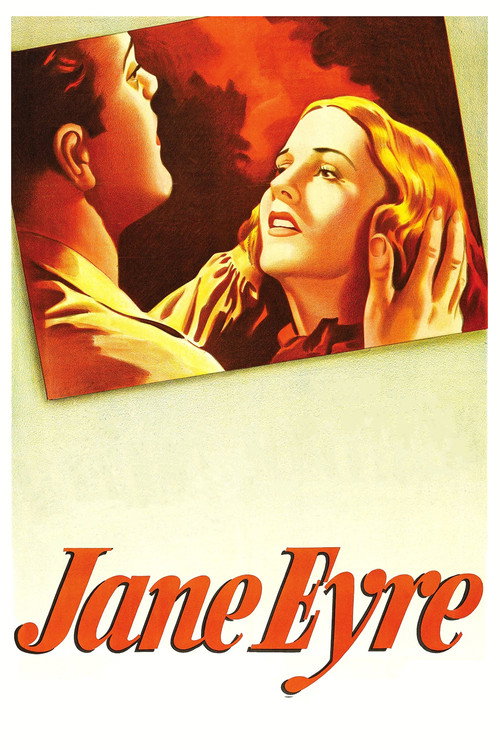
Jane Eyre1943
Orson Welles and Joan Fontaine in a Gothic reimagining, but what matters is Jane's refusal to compromise herself for love. It's Brontë with urgency and genuine darkness underneath.
But The Gothic machinery can feel overwrought. If you prefer restraint, the melodrama will overwhelm.
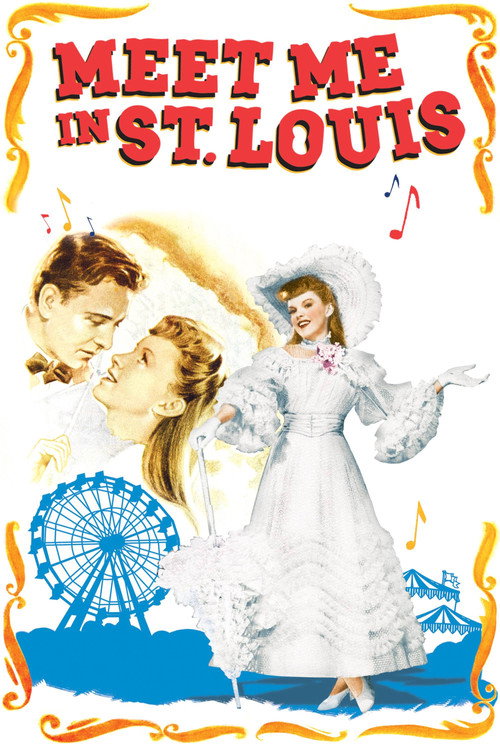
Meet Me in St. Louis1944
Judy Garland anchors a film about family bonds and growing up that's both intimate and visually stunning. It finds melancholy in beauty and never patronizes its characters.
But It's a musical. If that's not your language, the plot moves around the songs rather than through them.
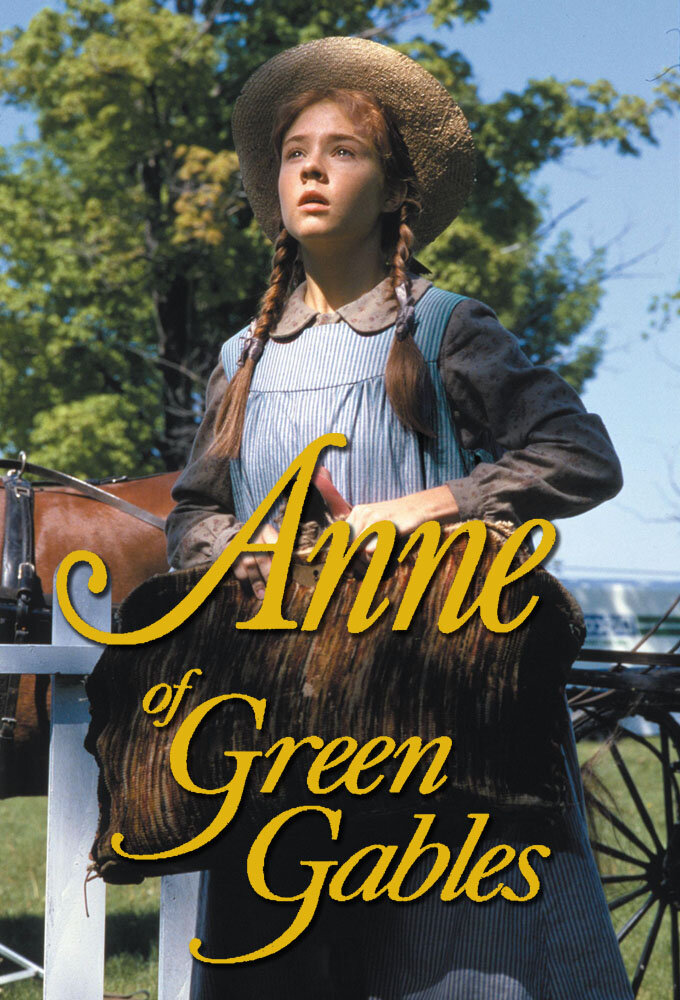
Anne of Green Gables1985
A miniseries that understands Alcott's world—how young women navigate ambition, belonging, and reinvention. It's earnest without apology and gorgeously made.
But The pacing is glacial by modern standards. It requires patience and investment in period detail.
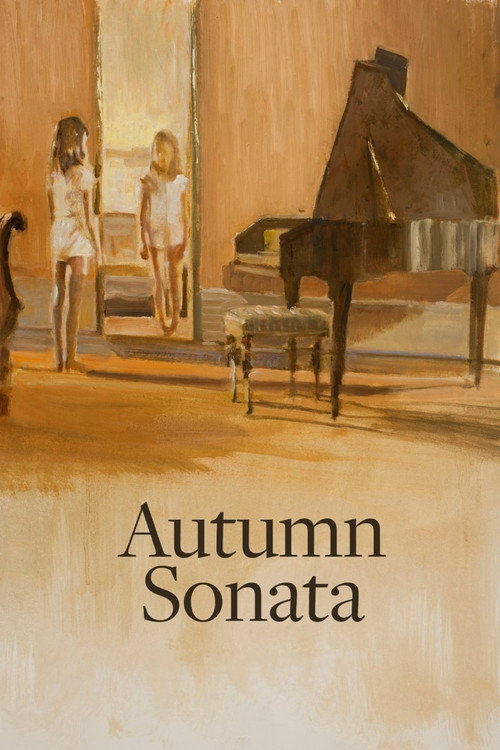
Autumn Sonata1978
Both explore the tension between female ambition and family duty, but Bergman treats it as tragedy and unresolvable conflict, not something solvable by kindness.
Ingrid Bergman and Liv Ullmann in Bergman's meditation on mothers, daughters, and the impossible demands of art and love. It's a two-hander that feels like chamber music—austere, precise, devastating.
But There's no plot in the conventional sense. It's philosophical and confrontational. Many find it cold.
The Ascent1977
Both are about holding onto goodness—virtue as practical survival, not luxury. Little Women shows how kindness creates family; The Ascent shows whether it survives annihilation.
Two Soviet partisans walk toward execution in occupied Belarus during WWII. It's about faith, endurance, and what remains human under absolute pressure. Sculpted in black-and-white, almost abstract in its refusal of sentiment.
But It's punishing and bleak. There's no comfort here, no resolution, no warmth. Some will find it unbearable.

People
Cast
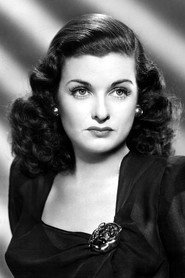 Joan BennettAmy
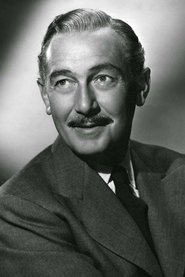 Paul LukasProf. Bhaer
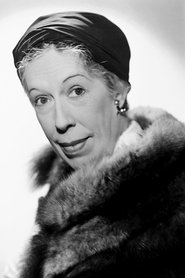 Edna May OliverAunt March
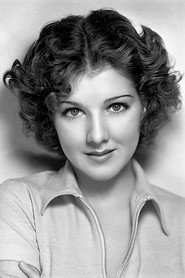 Jean ParkerBeth
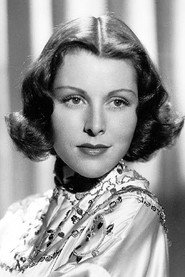 Frances DeeMeg
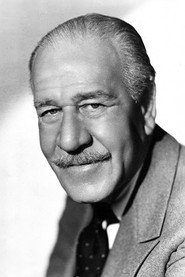 Henry StephensonMr. Laurence
 Douglass MontgomeryLaurie
 John LodgeBrooke
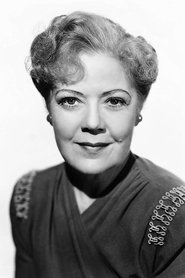 Spring ByingtonMarmee
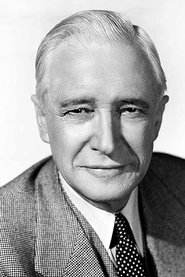 Samuel S. HindsMr. March
- Mabel ColcordHannah
Directing
- Edward KillyAssistant Director
- Mortimer OffnerAssistant Director
- George CukorDirector
- John LodgeOther
- Gale EvansScript Supervisor
Writing
- Louisa May AlcottNovel
- Sarah Y. MasonScreenplay
- Victor HeermanScreenplay
Production
- Kenneth MacgowanAssociate Producer
- Merian C. CooperExecutive Producer
- Del AndrewsProduction Director
- Dorothy DawsonProduction Secretary
- Elizabeth McGaffeyResearcher
- Wallace FoxUnit Manager
Recommended by
Man's Castle, Morning Glory, Anne of Green Gables, Four Daughters, A Woman Rebels, Pollyanna, Finishing School