
Film
Pollyanna
Other titles called Pollyanna: the 1960 film.
- Drama
- Light-hearted
Mary Pickford stars as the unstoppably optimistic orphan whose infectious good cheer transforms a gloomy New England town. This 1920 silent film moves with genuine warmth and comedy, balancing sentimentality with real affection for its characters. A foundational work of American cinema that proves earnestness, done well, never dates.
If you liked this
Breakfast at Tiffany's1961
Audrey Hepburn brings similar luminous optimism to a far more complicated character, finding grace and humor in a woman reinventing herself in the city. The film shares Pollyanna's belief that kindness and style can reshape the world around you.
But The romantic resolution feels dated, and some supporting characters trade in uncomfortable stereotypes that jar against the film's otherwise elegant tone.

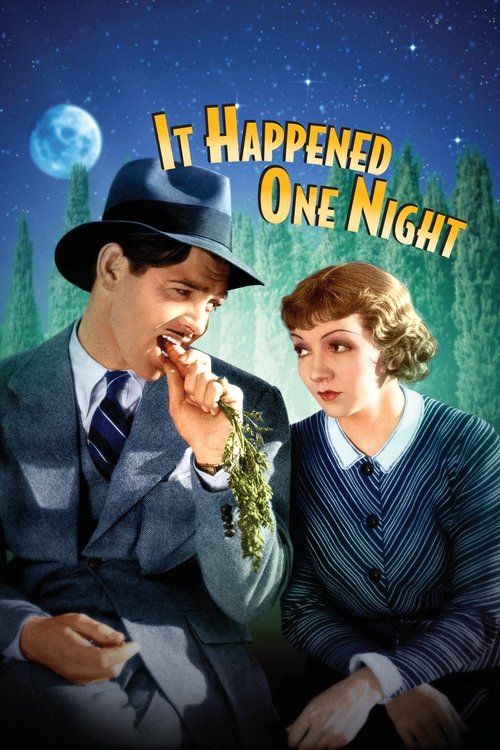
It Happened One Night1934
A screwball comedy where an idealistic woman's enthusiasm gradually melts a cynical man's defenses, traveling cross-country and changing small towns as they go. It has Pollyanna's DNA but with faster pacing and sexual tension.
But The humor relies heavily on class dynamics and gender roles that were already shifting by the 1930s, and it can read as condescending to its female lead in moments.
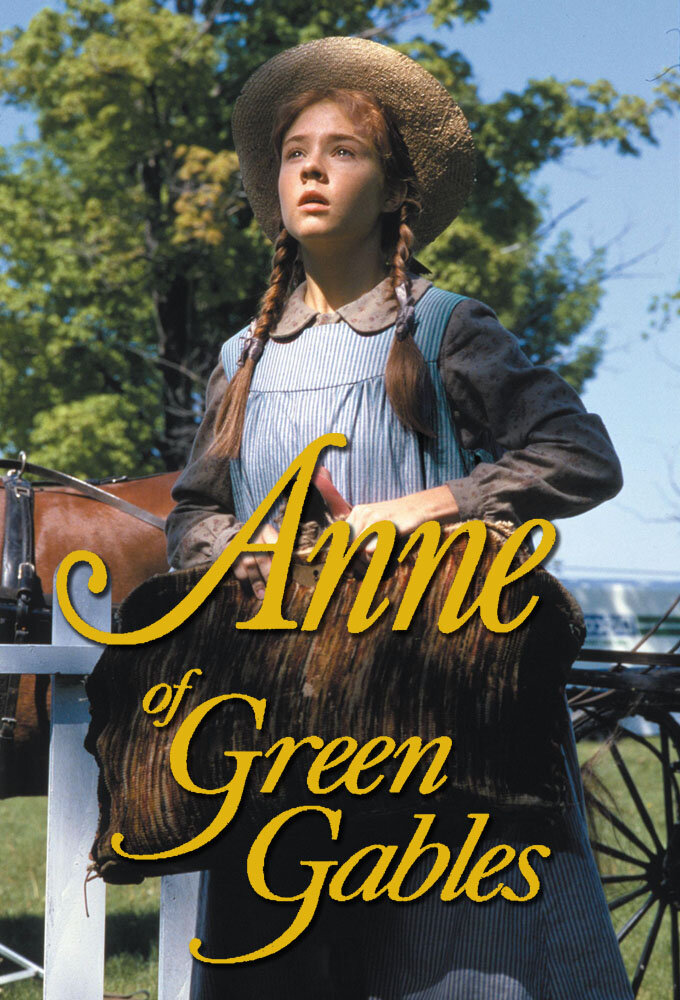
Anne of Green Gables1985
A miniseries about another irrepressibly optimistic orphan girl who transforms a community through sheer force of imagination and goodness. It captures the same spirit of earnest transformation, with richer character development across multiple episodes.
But The pacing is deliberately slow and meditative, which suits the material but won't satisfy anyone looking for plot momentum or modern storytelling rhythms.
Not sure tonight? Get a pick in a minute, starting from Pollyanna
The wildcard
Something you would not have found on your own.
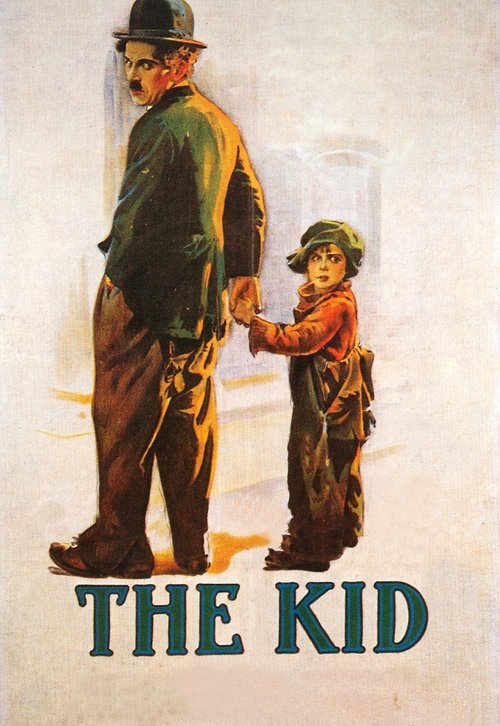
The Kid1921
Both films make their central argument through the presence of an innocent figure whose nature reshapes a community, but Chaplin shows what that costs while Pickford shows what it gains.
Charlie Chaplin's only feature-length silent film is a contemporary of Pollyanna, made just a year later. It shares the same faith in human goodness and the transformative power of connection, but explores it through poverty, loss, and genuine darkness rather than Pollyanna's sunlit optimism.
But The emotional stakes are real and sometimes painful, and the film doesn't offer easy comfort. It requires patience with silent-film pacing and Chaplin's particular brand of sentimentality.
More like this (8)
Singin' in the Rain1952
Gene Kelly and Donald O'Connor embody the same infectious joy that Pickford brings to Pollyanna, transforming a dark Hollywood backstory into something transcendent through sheer exuberance and technical brilliance.
But The plot beneath all that joy is thin, and the film's treatment of its female lead can feel dismissive compared to how much screen time and agency the men command.

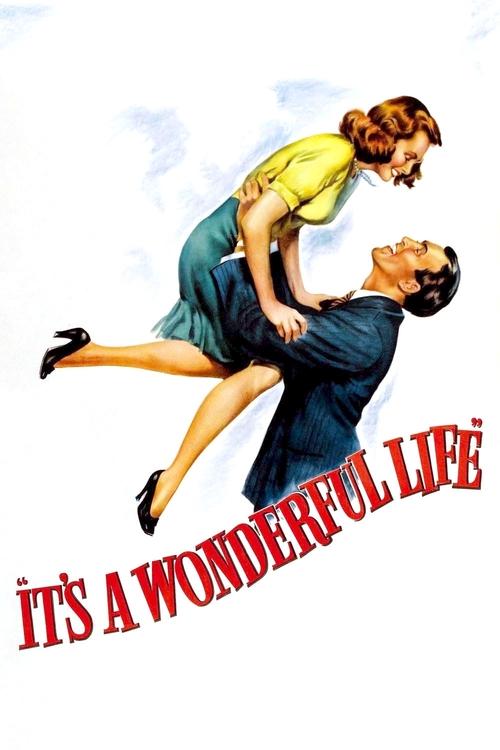
It's a Wonderful Life1946
Both films hinge on a protagonist whose good nature and connections to community are the real plot. This one explores the darker side of that idea—what happens when optimism meets genuine crisis and loss.
But The tonal whiplash from suicide attempt to Christmas morning is jarring, and repeated viewings can make the ending feel manipulative rather than earned.
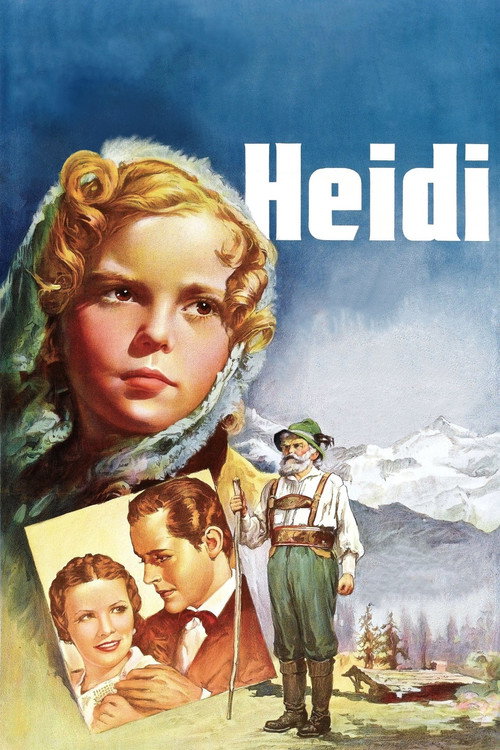
Heidi1937
Shirley Temple plays another orphaned girl whose natural warmth and innocence gradually soften the hardened hearts around her. A gentler, more purely joyful film that shares Pollyanna's core conviction that kindness works.
But The plot mechanics are paper-thin, and the film's charm depends almost entirely on Temple's appeal, which can feel saccharine if you're not in the mood for it.
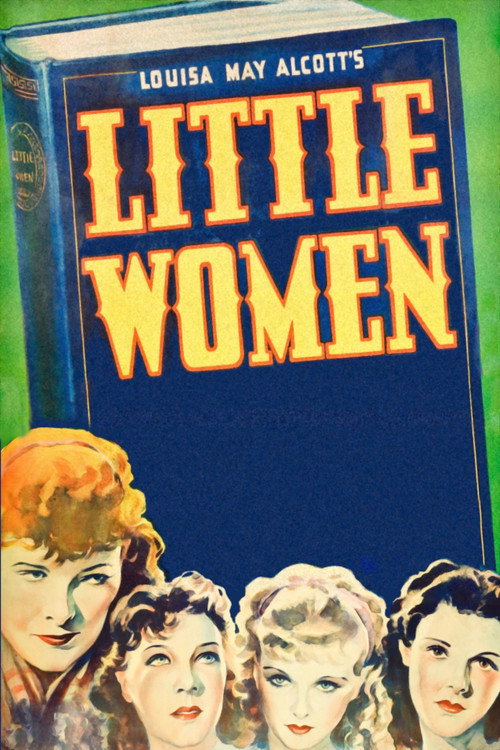
Little Women1933
Katharine Hepburn, Joan Bennett, Paul Lukas, and company bring warmth, humor, and genuine intelligence to a story about a family that chooses goodness and imagination over wealth. Richer than Pollyanna but animated by similar values.
But At nearly two hours, it drags in places, and the romantic subplots feel obligatory compared to the more interesting family dynamics.
The Philadelphia Story1940
Cary Grant and James Stewart orbit Katherine Hepburn's character, each representing different approaches to human connection. Like Pollyanna, it's fundamentally optimistic about people's capacity to change and forgive.
But The class assumptions are pronounced and unexamined, and it can feel like a vehicle for Hepburn's charm rather than a fully realized story.

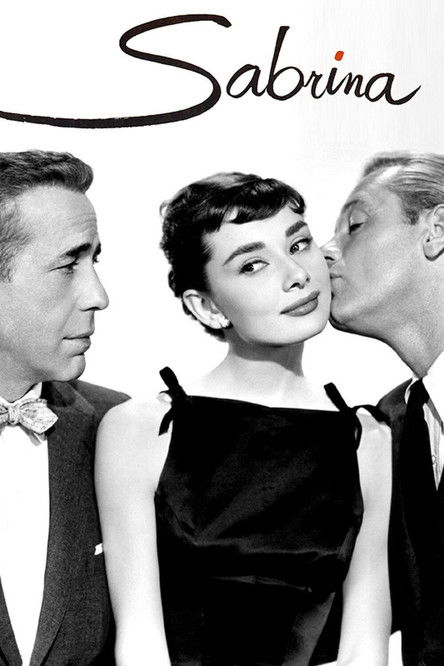
Sabrina1954
Audrey Hepburn's character transforms from servant to sophisticated woman, and in doing so gently reshapes the emotional lives of the men around her. A lighter touch than Pollyanna but with similar faith in the redemptive power of grace.
But The romantic resolution hinges on the female lead choosing between two men, and the film never questions whether she should have to choose at all.
Ikiru1952
Both films argue that individual goodness can reshape the world, but Ikiru shows that argument tested against real mortality and bureaucratic indifference—it's Pollyanna for adults who have suffered.
Kurosawa's masterpiece about an aging bureaucrat who discovers meaning and connection in his final months, approaching every interaction with newfound warmth. A profound meditation on exactly what Pollyanna takes for granted: the power of genuine human attention and kindness.
But It's a slow, quiet film about death and meaninglessness that builds to something transcendent. If you're looking for entertainment rather than transformation, it will feel punishing.

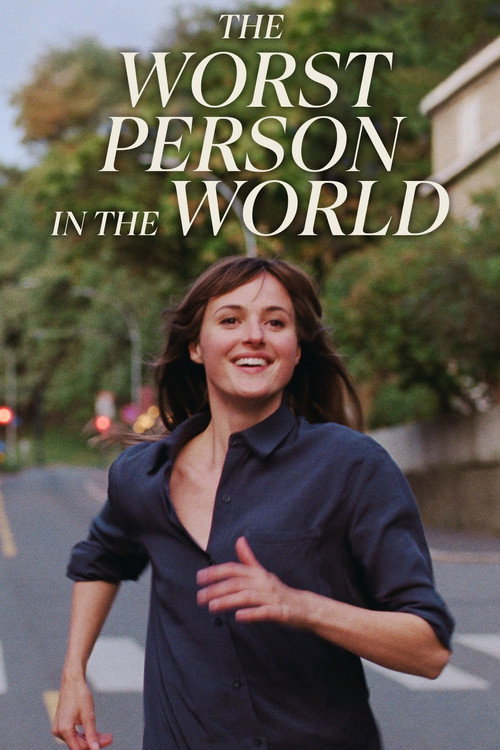
The Worst Person in the World2021
Both films believe in the redemptive power of human connection and the possibility of genuine transformation, but this one shows what that looks like when the protagonist is flawed, uncertain, and fully modern.
Joachim Trier's Norwegian film follows a woman in her twenties navigating love, ambition, and the gap between who she is and who she wants to be. Like Pollyanna, it's fundamentally optimistic about connection and change, but grounded in messy contemporary life, sex, therapy, and real doubt.
But It's in Norwegian with subtitles, runs two hours, and the protagonist's behavior is sometimes frustrating and self-centered. The optimism is hard-won rather than innate, and feels less like sunshine than like survival.
People
Cast
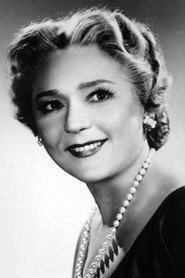 Mary PickfordPollyanna Whittier
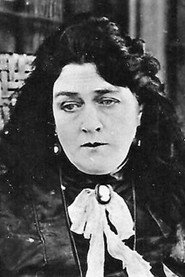 Katherine GriffithAunt Polly Harrington
- Howard RalstonJimmy Bean
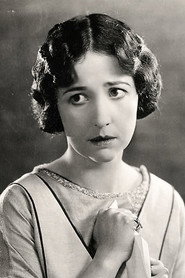 Helen Jerome EddyNancy Thing
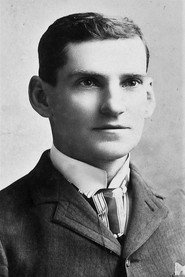 George BerrellOld Tom
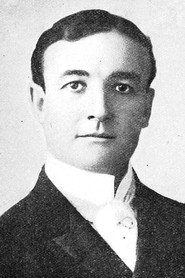 William CourtleighJohn Pendleton
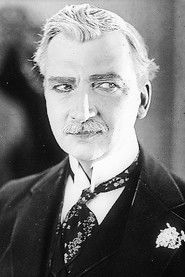 Herbert PriorDr. Tom Chilton
- Wharton JamesRev. John Whittier
- Doc CraneBit Role (uncredited)
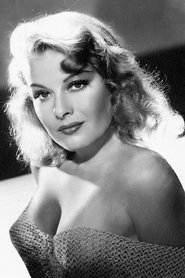 Joan MarshBit Role (uncredited)
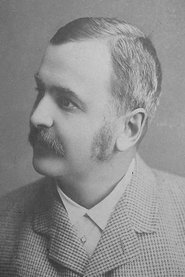 Frederick PetersBit Role (uncredited)
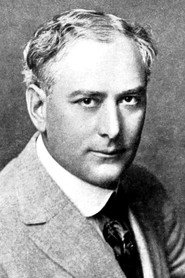 Gordon SackvilleBit Role (uncredited)
Directing
- Alfred L. WerkerAssistant Director
- Paul PowellDirector
Writing
- Frances MarionAdaptation
- Eleanor H. PorterNovel
- Frances MarionScreenplay
Production
- Mary PickfordProducer
- Paul PowellProducer