
Film
The Poor Little Rich Girl
A 1917 silent fantasy-comedy in which a neglected wealthy child escapes into an elaborate dream world. Mary Pickford plays across a complete emotional spectrum—from petulant to luminous—as her character discovers what actually matters. It's whimsical and surprisingly tender, made with astonishing visual invention. For anyone curious how cinema expresses the inner life, or who finds silent comedy moving rather than quaint.
Should you watch it?
Watch it if you enjoy silent-era comedy with a sharp streak of class satire and a child's-eye view of grown-up vanity, where broad physical gags sit beside real loneliness.
Skip it if you need fast pacing or modern dialogue, since the silent storytelling moves slowly and leans on big, exaggerated acting that can feel stagey today.
What it asks of you: Seventy-five minutes and a willingness to read intertitles and settle into an old-fashioned rhythm, with the mood shifting from glossy satire to something tenderer.
Not sure? Find tonight's pick in a minute.
If you liked this
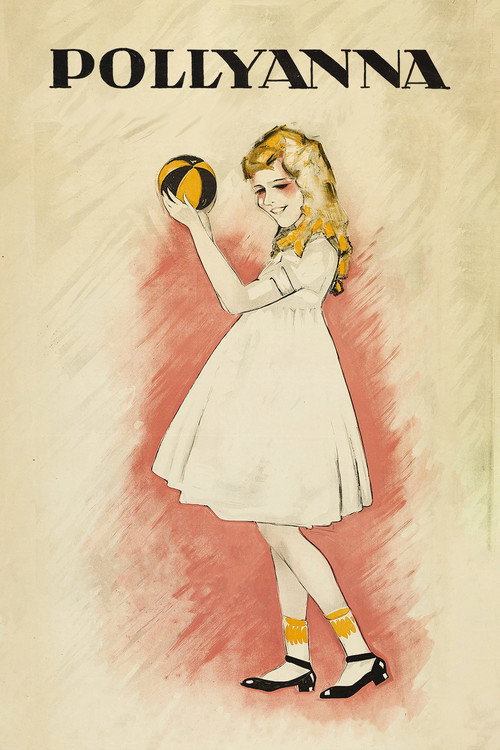
Pollyanna1920
Another Pickford vehicle about a girl who transforms those around her through incurable optimism. Less fantastical than The Poor Little Rich Girl but equally focused on her expressive face and the redemptive power of childlike perspective.
But The relentless positivity can feel suffocating to modern sensibilities, and the pacing drags in stretches.
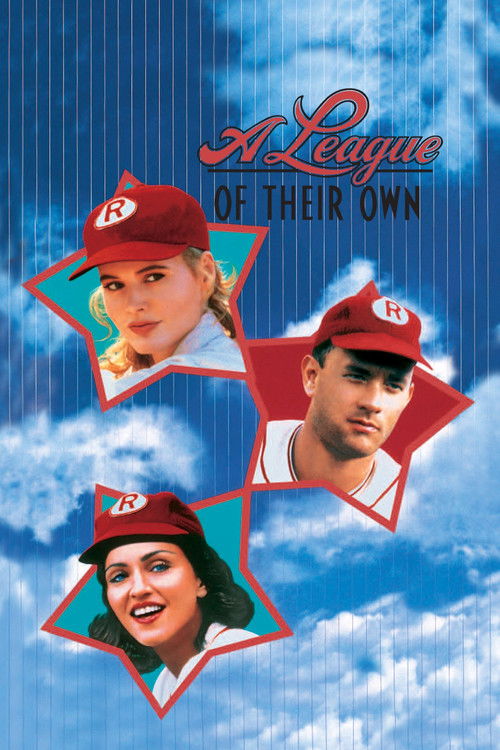
A League of Their Own1992
Not silent, but similarly built on a star's luminous charisma carrying thematic weight. It's about finding your people and reclaiming joy. Tom Hanks and Geena Davis anchor something that could have been saccharine into something genuinely moving.
But The baseball scenes are functional rather than thrilling, and it occasionally lapses into sitcom broadness.
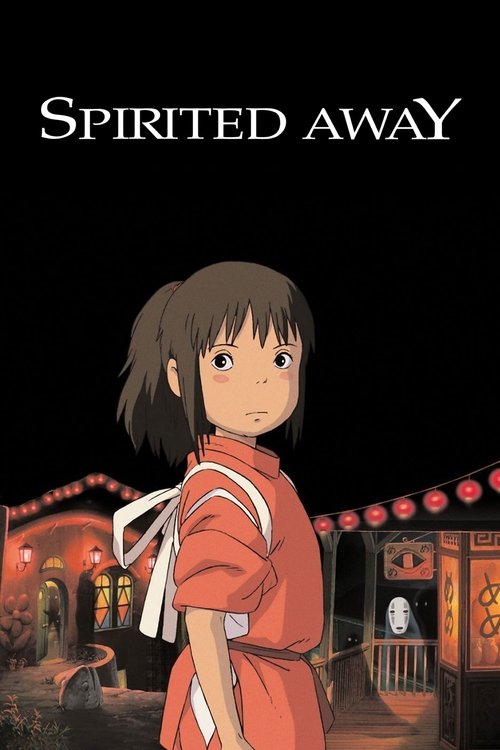
Spirited Away2001
A child protagonist in a dreamlike world that looks nothing like home, learning generosity and naming things for what they truly are. Miyazaki shares Pickford's gift for rendering genuine tenderness without sentimentality, and the visual imagination is boundless.
But It's long (125 minutes) and demands patient attention to follow its mythology. Some find the pacing glacial.
Not sure tonight? Get a pick in a minute, starting from The Poor Little Rich Girl
The wildcard
Something you would not have found on your own.
Paprika2006
Both use fantasy and surrealism as the language for emotional truth. Where The Poor Little Rich Girl moves gently inward, Paprika explodes outward—but both argue that dreams are more honest than daylight.
Satoshi Kon's last feature uses dreams invading reality to explore loneliness and belonging—inverting Gwen's trajectory. It's anarchically beautiful and visually inexhaustible, a carnival that never stops surprising you.
But The dream logic is intentionally confusing, and it demands active engagement. Passivity will lose you in the first ten minutes.

More like this (8)
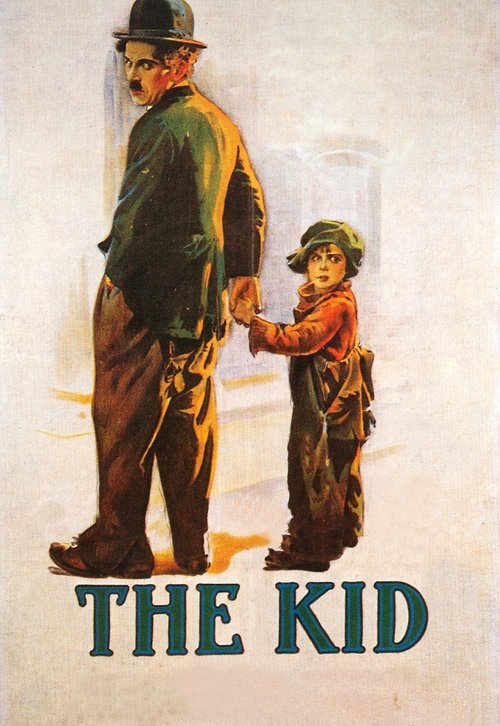
The Kid1921
Chaplin's masterpiece of the era: a man and an orphan boy find each other. Silent cinema at its most emotionally sophisticated, balancing comedy and genuine pathos without ever winking at the audience.
But Chaplin's sentimentality is a sticking point for some viewers. The finale's tonal shift divides people sharply.
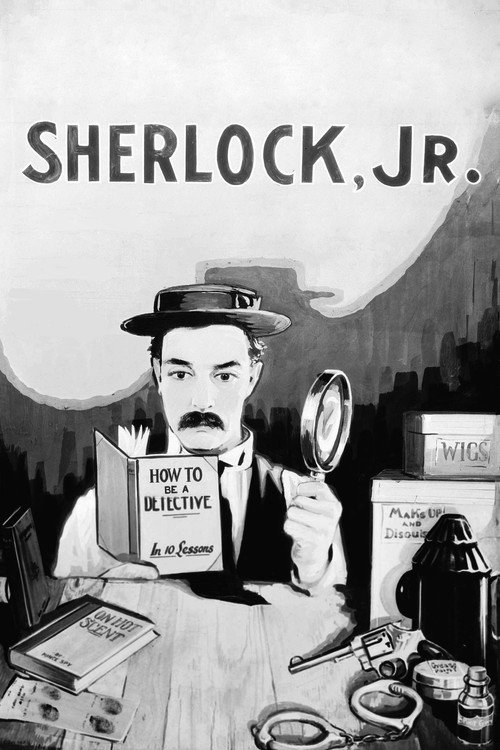
Sherlock Jr.1924
A projectionist dreams himself into a film—a structure echoing Gwen's fantasy. Keaton's invention and physical comedy are unmatched, and the dream sequences are genuinely surreal and magical.
But Keaton's deadpan approach is the opposite of expressive. If you want emotional range, you won't find it on his face.
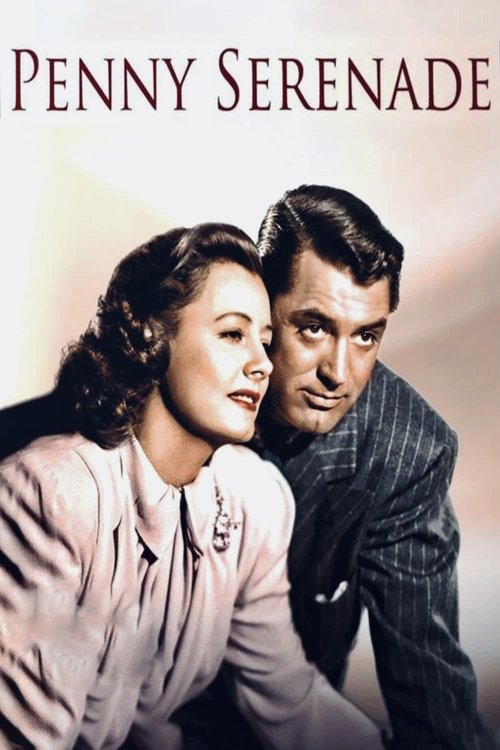
Penny Serenade1941
Cary Grant in the role of his life: a man confronting his failures as a father. It's comedic but profoundly sad, and it proves the silent-film vocabulary of emotional storytelling survived into sound with perfect grace.
But It's grimly sad beneath the early comedy, and the adoption subplot feels dated and problematic now.
Mulholland Drive2001
Lynch's dream-logic exploration of identity and disappointment. Like Gwen's fantasy, it uses unreality to externalize an emotional truth. Bewildering but hypnotic, and it rewards rewatching.
But It's deliberately obscure and resists interpretation. If you need clarity, this will frustrate you for three hours.

Come and See1985
A devastating portrait of a child's loss of innocence and illusions. Shot with visceral power and structured around a child's perspective. It's the anti-fantasy version of what Gwen experiences—reality as nightmare.
But It's harrowing. Not hyperbole: it's one of the most disturbing films ever made, and it stays with you in ways you may not want.

The Red Shoes1948
Powell and Pressburger's supreme achievement: visual splendor in service of a woman torn between art and love. It's a fantasy with the emotional complexity of adult life, gorgeously made and utterly transporting.
But It's operatic and sometimes overwrought. If you resist artifice, the stylization will feel suffocating rather than liberating.

The Florida Project2017
Both films center a child's emotional world and use visual beauty to argue that wonder persists regardless of circumstance. But where Pickford's fantasy is escapist, Baker's realism proves escape isn't necessary—attention and tenderness are available here and now.
A child's eye view of poverty and precarity, told with radiant color and unbroken tenderness. Sean Baker finds dignity and joy in a world of nothing, shot so beautifully you forget you're watching survival. It's Gwen's loneliness from the other side of wealth.
But It's deliberately slow and refuses plot momentum. The ending, while earned, offers no comfort or resolution—just a fade to color.

In the Mood for Love2000
Both use heightened visual style—Pickford's inventive silent-era effects and Wong's chromatic excess—to make loneliness and longing visible. But where Gwen finds resolution and joy through fantasy, these characters find only beauty in their nearness to happiness, forever suspended there.
Wong Kar-wai's meditation on desire and longing in 1960s Hong Kong. Shot in shattering color, every frame is composed like painting. Two people who almost connect, separated by propriety and circumstance. Exquisite and heartbreaking.
But Almost nothing happens by conventional plot standards. The entire film is about temperature and glances. If you need narrative momentum, you'll be frustrated.

People
Cast
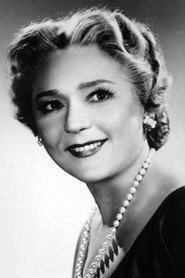 Mary PickfordGwen
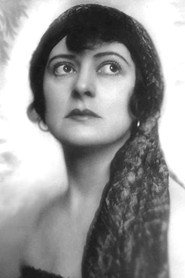 Madlaine TraverseGwendolyn's Mother
- Charles WellesleyGwendolyn's Father
- Gladys FairbanksJane
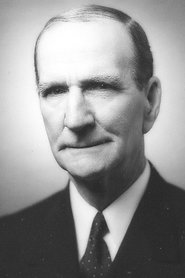 Frank McGlynn Sr.The Plumber
- Emile La CroixThe Organ Grinder
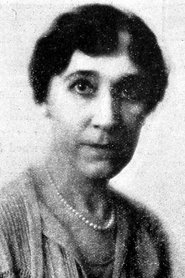 Marcia HarrisMiss Royale
- Marcia HarrisThomas
- Frank AndrewsPotter
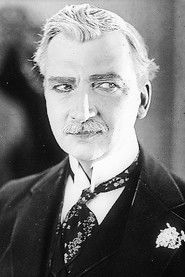 Herbert PriorThe Doctor
- George GernonJohnny Blake
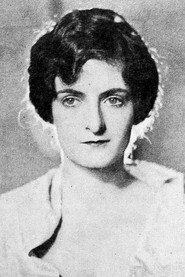 Maxine Elliott HicksSusie May Squoggs (as Maxine Hicks)
Directing
- Maurice TourneurDirector
Writing
- Frances MarionScenario Writer
- Frances MarionWriter
Production
- Adolph ZukorProducer