
Film
Penny Serenade
A 1941 weeper about a couple trying to build a family against heartbreaking odds. Irene Dunne and Cary Grant play it straight—no wisecracking, no deflection—in a film that pivots from romantic comedy setup into genuine grief and resilience. It's for anyone who believes a great film can break your heart and still feel earned.
Should you watch it?
Watch it if you love old-fashioned melodrama where a marriage is tested by small domestic heartbreaks, and you don't mind being wrung out by a tearjerker carried by two stars at their most unguarded.
Skip it if you want brisk plotting or lighter moods, since this is a slow, sentimental two-hour weep that keeps returning to sorrow and rarely lets the mood lift.
What it asks of you: Two full hours of patience, unhurried and emotionally heavy, with long quiet stretches that let each disappointment settle before the next one arrives.
Not sure? Find tonight's pick in a minute.
If you liked this
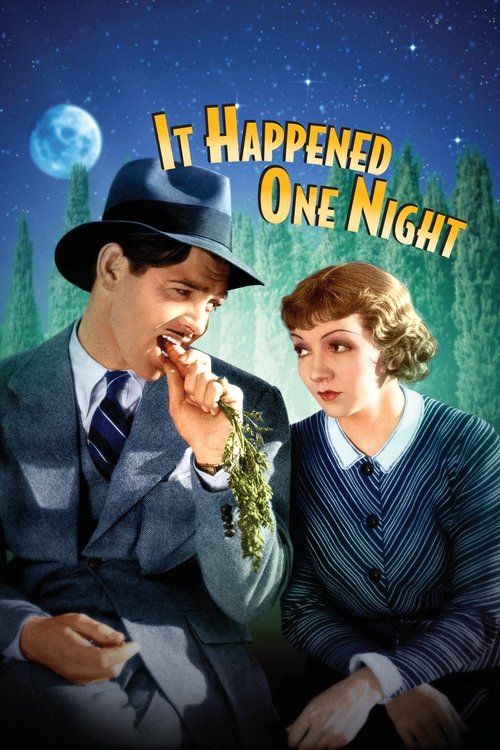
It Happened One Night1934
The template for screwball romance that Penny Serenade's first act echoes, with the same chemistry between leads who spark off each other before life intervenes. Capra's warmth and humor set the standard.
But Once the emotional stakes arrive, it stays lighter than Penny Serenade—you're getting charm over catharsis, and the ending won't devastate you.
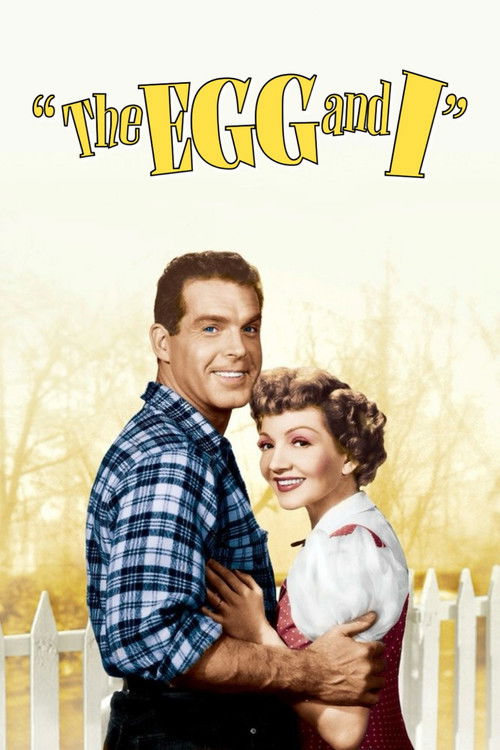
The Egg and I1947
Another Dunne-Grant collaboration about marriage, domesticity, and the gap between romantic fantasy and the real work of building a life together. Similar earnestness, similar willingness to show cracks.
But It's gentler overall—more interested in comedic friction than in grief—so the emotional weight never quite matches what Penny Serenade attempts.
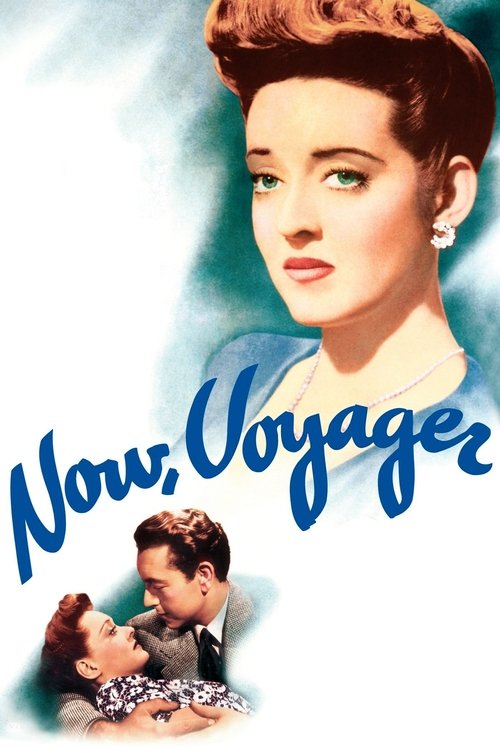
Now, Voyager1942
Bette Davis transforms herself through love and loss, with the same melodramatic sincerity and tear-stained payoff. A woman finding herself through connection and sacrifice, gorgeously shot and unapologetic about its emotions.
But It's deeply tied to its era's ideas about women's fulfillment. The ending, though moving, might feel like resignation dressed up as romance.
Not sure tonight? Get a pick in a minute, starting from Penny Serenade
The wildcard
Something you would not have found on your own.
Brief Encounter1945
Both films argue that marriage is where the real drama lives, not in grand gestures but in the accumulation of small choices, sacrifices, and the unbridgeable gaps between what we want and what we get.
Celia Johnson and Trevor Howard in Noël Coward's masterpiece about an ordinary marriage disrupted by sudden, guilty passion. It's more sophisticated than Penny Serenade and more restrained, but it understands that domesticity contains entire worlds of longing and loss.
But It's British, it's sparse, and it's pessimistic—the affair never even happens. If you want catharsis, you won't find it here; you'll find only the quiet devastation of a life narrowed by duty.

More like this (8)
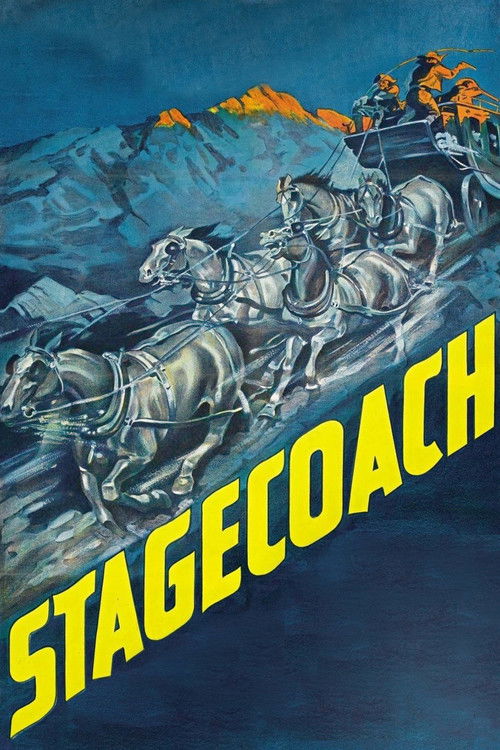
Stagecoach1939
Grant in a different register entirely—tougher, more morally compromised—but working with the same emotional intelligence. Ford's mastery of ensemble drama and character under pressure is flawless.
But It's a Western, not a domestic drama, so the thematic resonance is oblique rather than direct. You're getting a different kind of excellence.
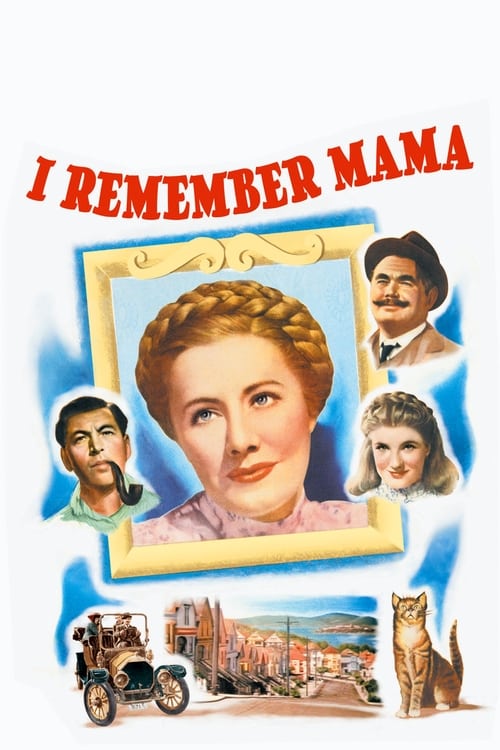
I Remember Mama1948
Barbara Bel Geddes and Irene Dunne again, this time capturing immigrant family life with the same mix of humor, hardship, and unshowy love. It's nostalgic without being saccharine.
But It's an ensemble piece about a whole family, not a marriage story, so the emotional focus spreads thinner than in Penny Serenade.
The Philadelphia Story1940
Grant at his most charming, but in a film interested in what real marriage requires—humor, humility, the willingness to be wrong. It's romantic but not sentimentally so.
But It's fundamentally comic, and the emotional depths are briefer and less wrenching. You're getting sophistication over heartbreak.

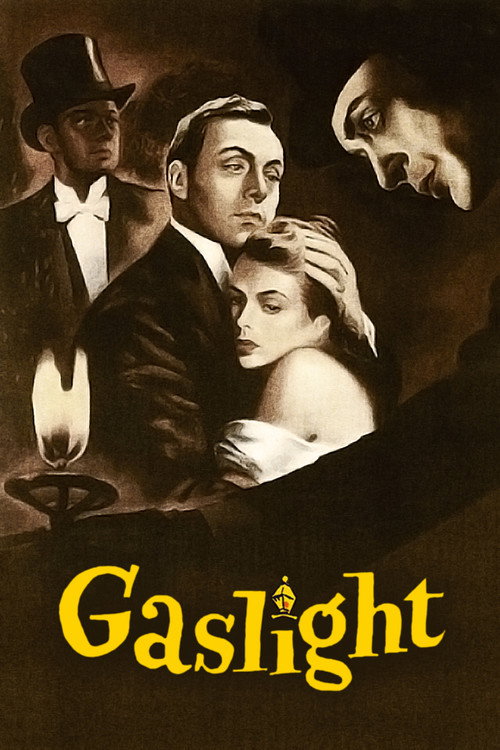
Gaslight1944
Dunne in her most vulnerable role, married to a man who is systematically destroying her sanity. The intimacy is claustrophobic and real, the performances are unbearably honest.
But It's a thriller, not a love story, and what it explores about marriage is toxic and darkly baroque. The tone is wrong if you're seeking Penny Serenade's kind of warmth.
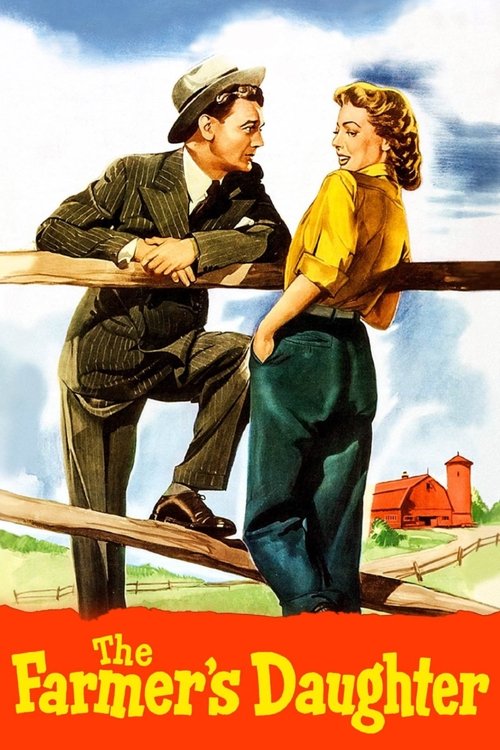
The Farmer's Daughter1947
Loretta Young and Joseph Cotten in a screwball romance that also takes domesticity and class seriously. It's funny and touching without ever winking at the audience.
But The stakes are lower—it's about courtship, not about sustaining love through catastrophe. You're getting the lighter side of the ledger.
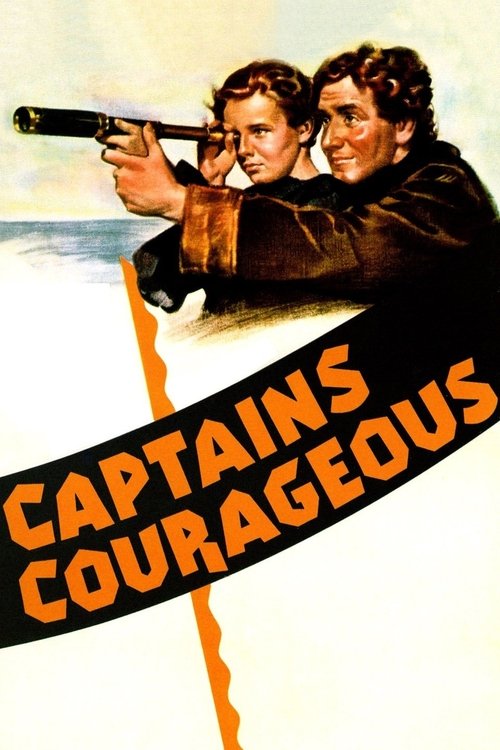
Captains Courageous1937
Spencer Tracy and Lionel Barrymore in a story about a privileged man learning humility and human connection through hardship. It shares Penny Serenade's faith in transformation through love.
But It's an adventure story set at sea, not an intimate domestic drama, so the emotional language is entirely different even if the themes align.
The Best Years of Our Lives1946
Like Penny Serenade, it believes that ordinary domestic life—marriage, parenthood, the struggle to build something stable—is a legitimate subject for serious drama. Both films insist that tenderness is a form of courage.
Three soldiers return from World War II and must rebuild their lives, their marriages, their sense of purpose. It's epic, three hours long, and unafraid to suggest that coming home is harder than leaving. The emotional honesty is staggering.
But It's an ensemble narrative across three men and their families, so no single relationship dominates. The scope can feel sprawling, and some of the plot mechanics feel dated.

Tokyo Story1953
Both films locate their deepest feelings in ordinary family life and trust the audience to understand that a quiet moment over dinner or a child's laugh contains everything that matters. Serenade is American melodrama; Tokyo Story is the opposite, and yet they're after the same emotional truth.
Yasujirō Ozu's quiet masterpiece about aging parents visiting their son and grandchild in postwar Tokyo. No plot, just time passing and small conversations and the way love persists in mundane moments. It's the antithesis of melodrama and somehow more moving.
But It's slow, it's in Japanese, and it's uninterested in dramatic climax. If you need a story that builds to something, you will find this maddening. It asks you to find profundity in silence and in sorrow.

People
Cast
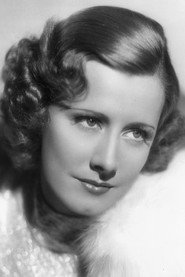 Irene DunneJulie Gardiner
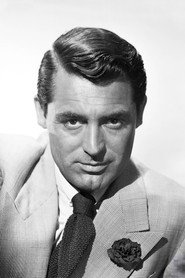 Cary GrantRoger Adams
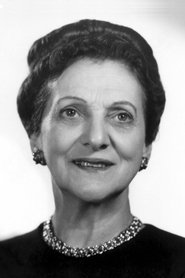 Beulah BondiMiss Oliver
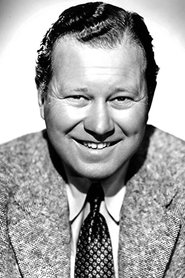 Edgar BuchananApplejack
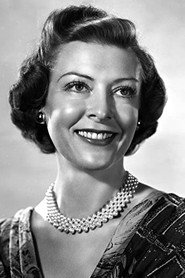 Ann DoranDotty
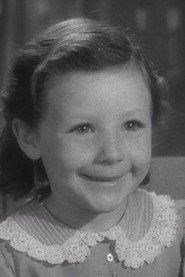 Eva Lee KuneySix-Year-Old Trina
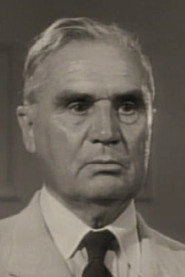 Leonard WilleyDr. Hartley
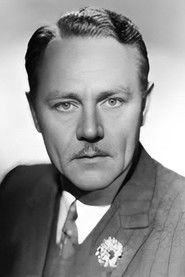 Wallis ClarkJudge
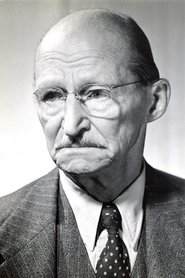 Walter SoderlingBillings
- Jane BiffleOne-Year-Old Trina
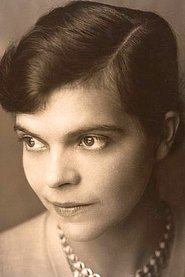 Dorothy AdamsMother in Stalled Car (uncredited)
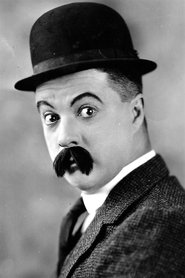 Billy BevanMcDougal (uncredited)
Directing
- Gene AndersonAssistant Director
- George StevensDirector
Writing
- Morrie RyskindScreenplay
- Martha CheavensStory
Production
- Fred GuiolAssociate Producer
- George StevensProducer
Recommended by
While You Were Sleeping, The Catered Affair, Imitation of Life, This Above All, Mom and Dad, Sunday Dinner for a Soldier, The Poor Little Rich Girl, The Great Man Votes