
Film
Mom and Dad
A 1945 melodrama about the fallout when a teenage girl becomes pregnant outside wedlock, told from her family's perspective as they navigate shame, secrecy, and fractured bonds. It's earnest and deeply of its moment—a window into how cruelly different eras treated ordinary human consequence. For viewers curious about how Hollywood handled moral panic before the sexual revolution.
If you liked this
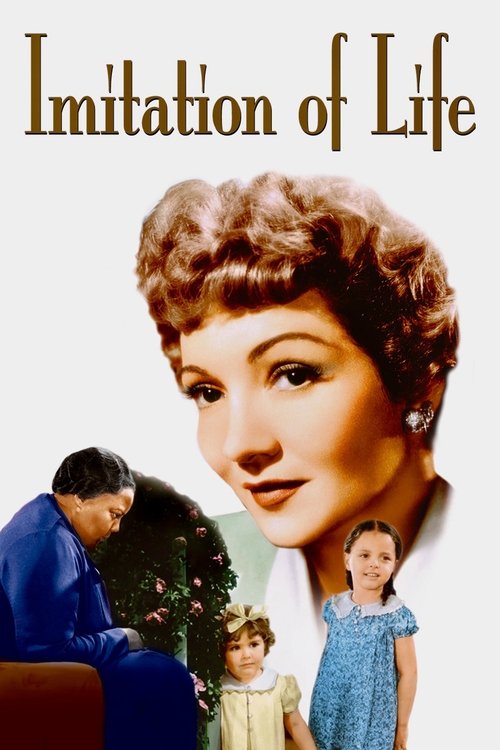
Imitation of Life1934
A prestige melodrama about family secrets and social prejudice that unfolds with similar emotional intensity and moral complexity. Bea Stanwyck and Claudette Colbert anchor a story about women carrying the weight of society's judgment.
But The pacing feels glacial by modern standards, and the racial politics are deeply uncomfortable—it's a period piece in more ways than one.
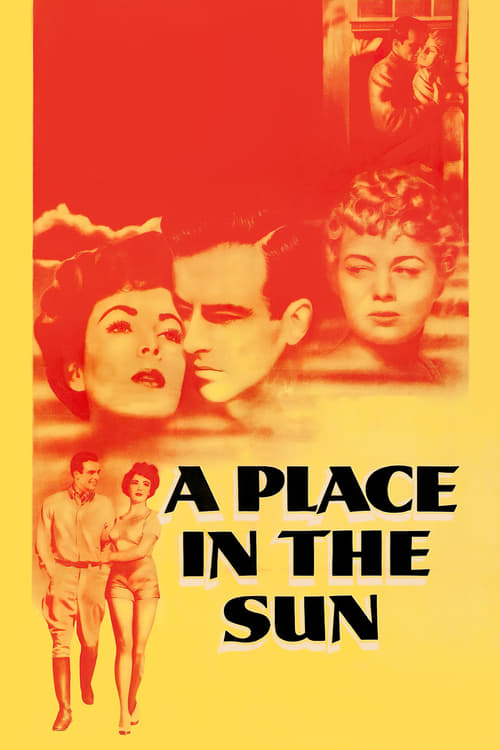
A Place in the Sun1951
Post-war America grappling with class, desire, and the consequences of a young man's choices. It has the same sense of lives upended by a moment of passion, but with Montgomery Clift's anguished interiority and genuine tragic weight.
But It's slow and heavy. The courtroom finale drags, and if you need plot momentum, you'll find yourself restless.
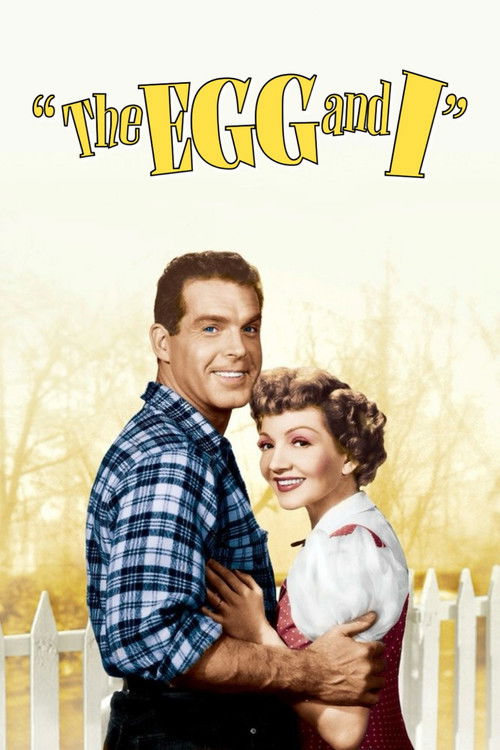
The Egg and I1947
Claudette Colbert again, in a gentler domestic comedy about marriage, family expectations, and finding yourself within rigid social structures. The tone is lighter but the underlying tensions about women's lives are real.
But It's primarily a romantic comedy, so if you're looking for the moral seriousness of *Mom and Dad*, this will feel slight by comparison.
Not sure tonight? Get a pick in a minute, starting from Mom and Dad
The wildcard
Something you would not have found on your own.
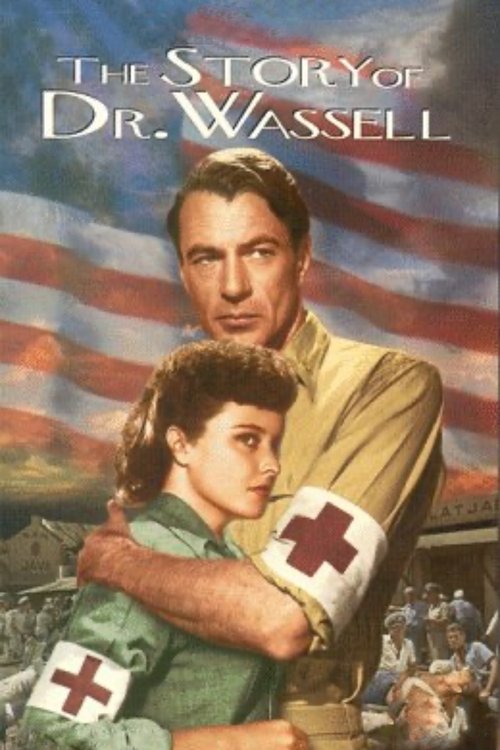
The Story of Dr. Wassell1944
Both are 1944-45 Hollywood films preoccupied with individuals destroyed or diminished by forces larger than themselves; both ask what we owe to duty versus what we owe to ourselves.
A Cecil B. DeMille picture about sacrifice, duty, and the gap between what the world demands and what the heart can bear. It shares *Mom and Dad*'s interest in how individuals are trapped by circumstance and obligation, but here the scale is wartime heroism instead of domestic catastrophe.
But It's a war film in DeMille's grand manner—episodic, propagandistic, and concerned more with spectacle and moral instruction than character depth. The tone is vastly different.
More like this (8)
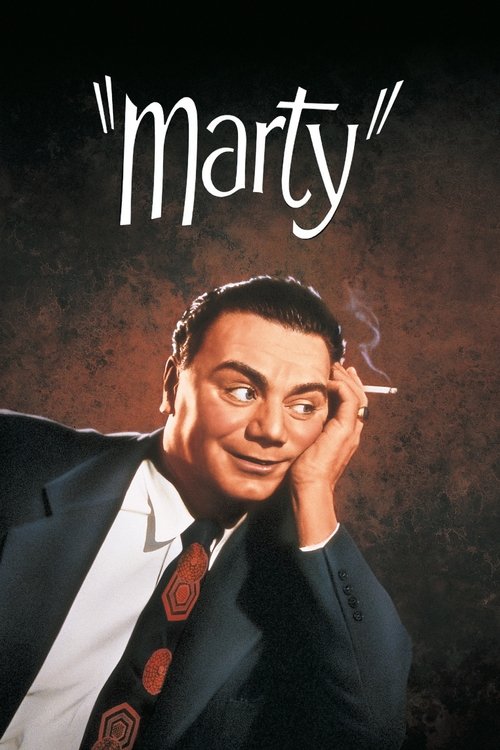
Marty1955
An ordinary person's longing for connection and the family pressure that nearly crushes it. Ernest Borgnine gives a heartbreaking performance about shame and belonging that resonates with the emotional core of your film.
But It's about an unmarried man in his 30s, not a pregnant teenager, so the stakes feel different even though the emotional truth overlaps.
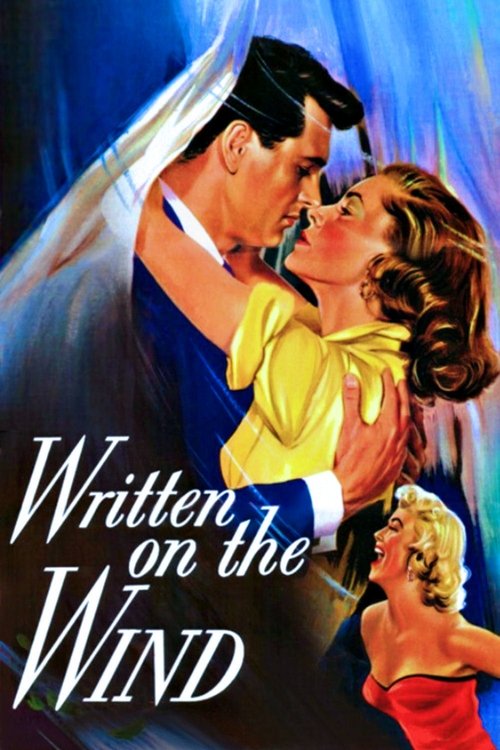
Written on the Wind1956
A Texas family torn apart by secrets, desire, and the gap between appearances and reality. Rock Hudson and Lauren Bacall navigate the same territory of respectability collapsing under its own weight.
But It's more of a psychological thriller with noir elements, so the mood is darker and more baroque than *Mom and Dad*'s earnest realism.
The Best Years of Our Lives1946
Post-war America adjusting to new realities; families fractured and reformed. It has the same documentary quality of how ordinary people carry extraordinary emotional burdens, though the focus is broader.
But It's three and a half hours and ensemble-focused rather than centered on one moral crisis. The scope works against intimacy.

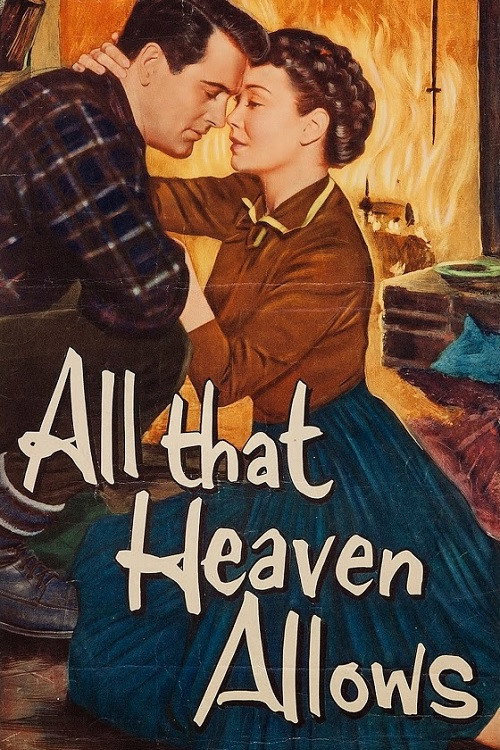
All That Heaven Allows1955
Sirk's melodrama about a widow defying her children's judgment to follow her heart. It's about women refusing to be dictated to by family shame, which is the dark mirror of your film's tragedy.
But It's a Hollywood love story that ends hopefully—if you want to sit with moral ambiguity and punishment, the uplift might feel like a betrayal.
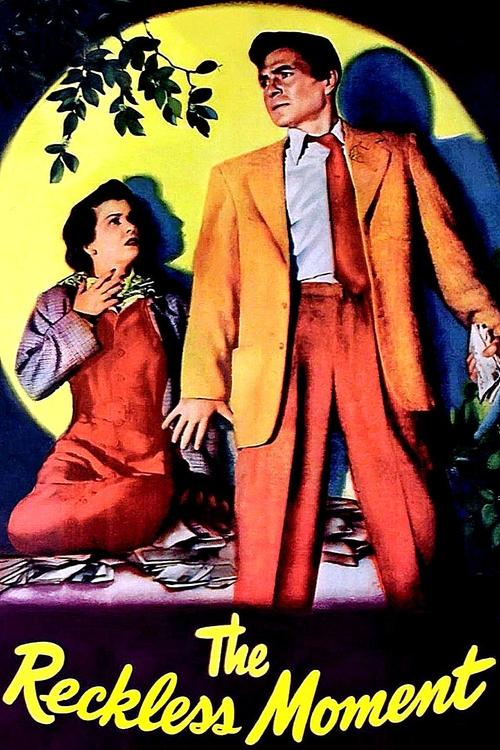
The Reckless Moment1949
A mother protecting her daughter from scandal and the moral compromises that protection demands. Ophüls directs it with such grace that the domestic entrapment becomes almost unbearably poignant.
But It's primarily a thriller with a blackmail plot; the family drama serves that mechanism rather than being the point itself.
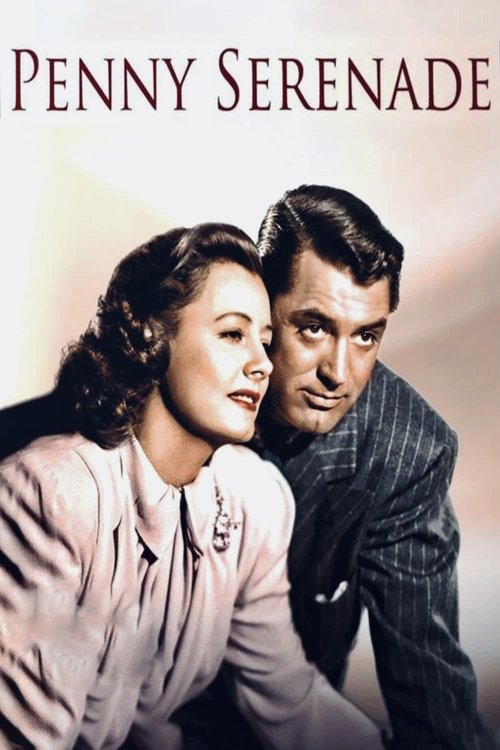
Penny Serenade1941
A marriage tested by loss and the question of whether love survives disappointment. Cary Grant and Irene Dunne bring genuine vulnerability to a story about people damaged by circumstance.
But It's a tearjerker and unashamed about it—if you prefer subtlety, the emotional beats will feel heavy-handed.
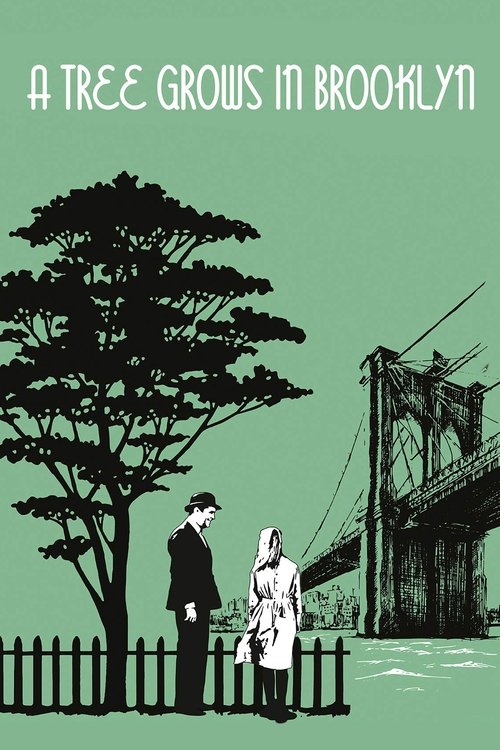
A Tree Grows in Brooklyn1945
Released the same year, both films explore how families respond to young people marked by circumstance; *A Tree Grows in Brooklyn* chooses compassion where *Mom and Dad* chooses judgment, making them almost inverse versions of the same story.
Elia Kazan's tender portrait of a Brooklyn family struggling with poverty, shame, and the question of how you protect children from a world that will wound them anyway. The emotional terrain is similar—family fractured by circumstance—but the mood is lyrical rather than judgmental.
But It's a coming-of-age story with genuine lightness and even joy in it. If you want the full weight of moral condemnation, this film offers grace instead.
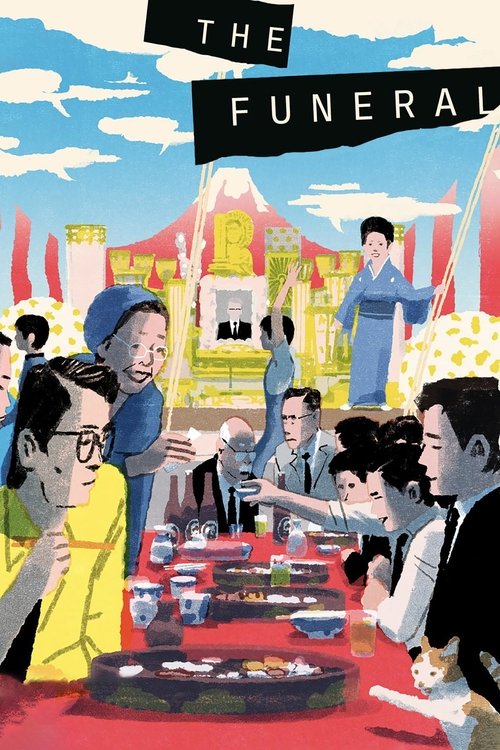
The Funeral1984
Both films use a family crisis—one sexual, one mortuary—as a lens to examine how deeply social performance runs in family life. One is American moral panic from 1945; the other is post-war Japanese critique of that same machinery. They're thematic mirrors across culture and time.
Juzo Itami's dark comedy about a Japanese family gathering for a funeral, confronting masks, pretense, and the gulf between what families present and what they actually are. It has the same documentary eye for how ritual and shame govern family behavior, but finds absurdist humor in the collision.
But It's a Japanese film from 1984, so the cultural context is utterly foreign; the comedy is grotesque and uncomfortable, and if you want straight drama, the comedy will derail you.
People
Cast
 June CarlsonJoan Blake
- Lois AustinSarah Blake
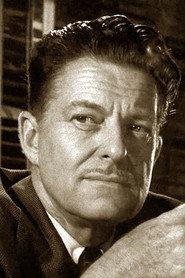 George EldredgeDan Blake
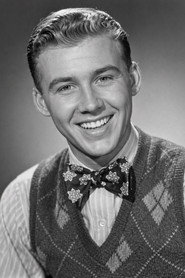 Jimmy ClarkDave Blake
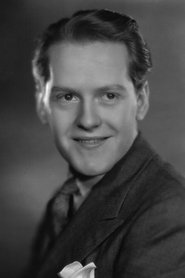 Hardie AlbrightCarl Blackburn
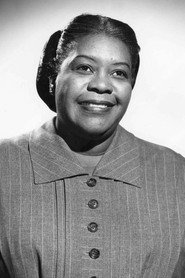 Willa Pearl CurtisJunella
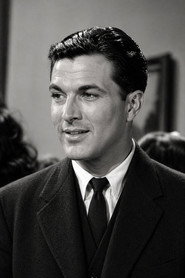 Bob LowellJack Griffith
- Jimmy ZahnerAllen Curtis
- Jane IsbellMary Lou Gardner
- Robert FilmerMcMann
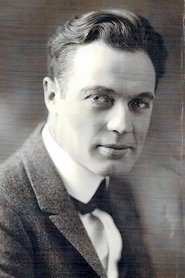 Forrest TaylorDr. John D. Ashley
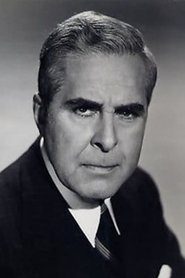 John HamiltonDr. Burnell
Directing
- William BeaudineDirector
Writing
- Kroger BabbScreenplay
- Mildred HornScreenplay
Production
- Lewis G. DowAssociate Producer
- J.S. JosseyProducer
- Kroger BabbProducer
- Barney A. SareckySupervising Producer