
Film
The Story of Dr. Wassell
A 1944 Paramount epic starring Gary Cooper as a real-life Navy doctor who risks everything to smuggle wounded sailors out of Java as the Japanese close in. It's a grand, old-fashioned adventure with romantic interludes—briskly paced, earnest, and designed for audiences who believe in American ingenuity under fire. For fans of wartime heroism told without irony.
If you liked this
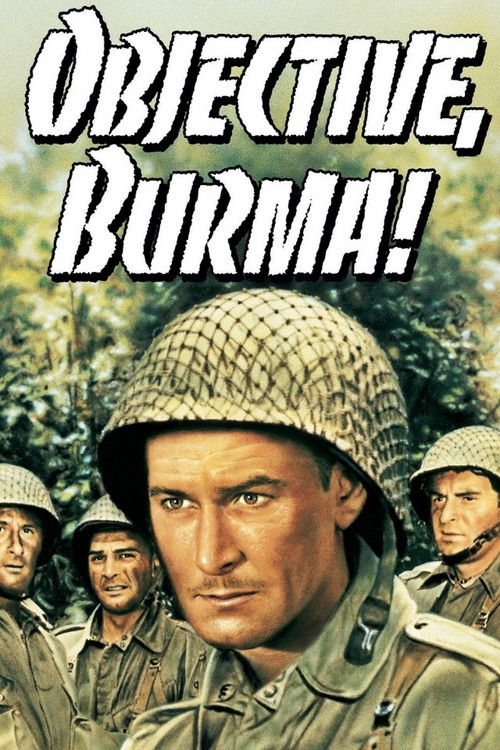
Objective, Burma!1945
Raoul Walsh's intense, propulsive jungle-warfare picture with Errol Flynn leading a commando unit through enemy territory. The action sequences feel lived-in and the moral complications about survival deepen as the film goes on.
But It's a product of its moment—the depiction of Japanese soldiers is dehumanizing, and some viewers find the politics of the picture harder to embrace than its thrills.
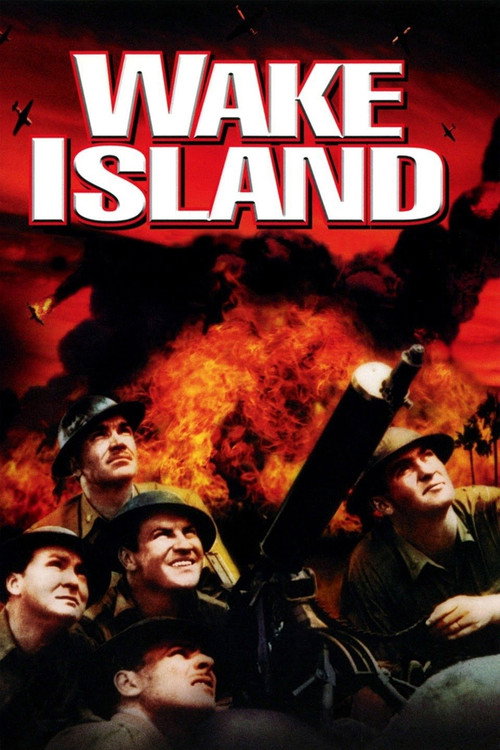
Wake Island1942
A taut, no-nonsense account of the titular atoll's defence, mixing documentary accuracy with Hollywood drama. Brian Donlevy and Robert Preston anchor an ensemble facing impossible odds with grit rather than speeches.
But The pacing is deliberately unglamorous and the film offers no romantic subplot to lighten the mood. It can feel austere compared to more lavish war pictures.
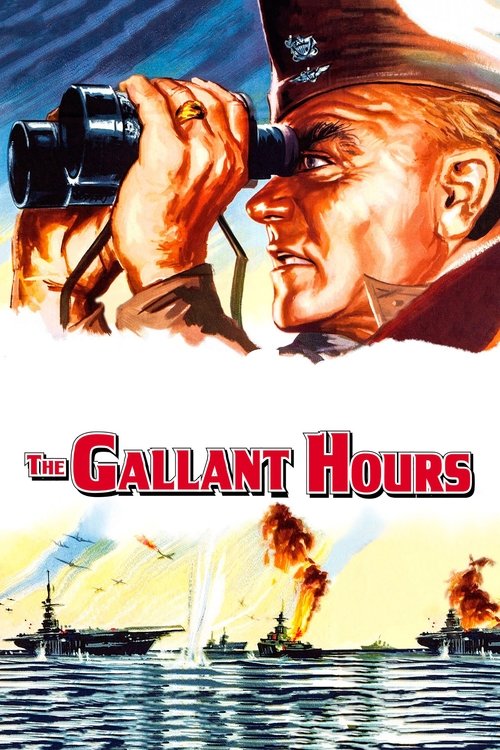
The Gallant Hours1960
James Cagney as Admiral 'Bull' Halsey in a spare, methodical war film that focuses on command decisions and their human cost. Shot in black and white, it's lean and intellectually absorbing in a way that feels modern.
But There's minimal action and no conventional plot arc—it's a portrait of leadership under pressure, which can feel static if you're wanting combat sequences.
Not sure tonight? Get a pick in a minute, starting from The Story of Dr. Wassell
The wildcard
Something you would not have found on your own.
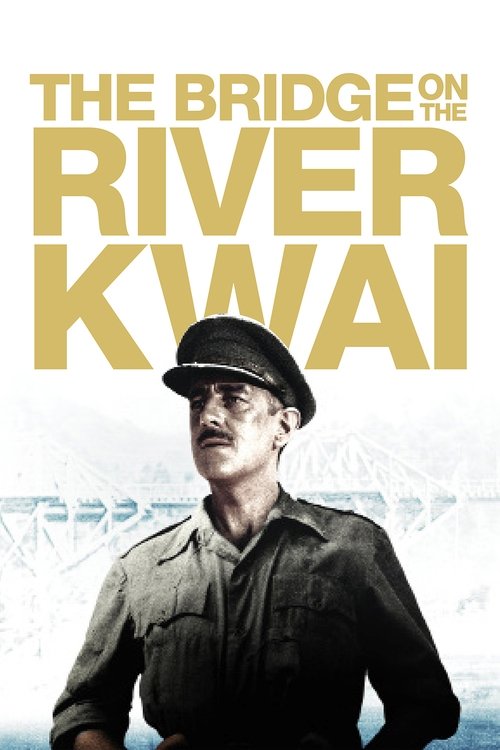
The Bridge on the River Kwai1957
Both are set in the Asia-Pacific theatre during WWII and explore how ordinary men preserve dignity and agency in impossible circumstances. Each asks what honour means when survival is at stake.
David Lean's masterpiece about British POWs in Burma, where obsession with building the perfect bridge becomes a test of will, morality, and the cost of pride. It's an epic that earns every minute of its runtime—humane, thrilling, and devastating.
But It's a long film from a earlier era and the themes are more morally ambiguous than wartime propaganda typically allows. Some find Alec Guinness's character infuriating rather than sympathetic.
More like this (7)
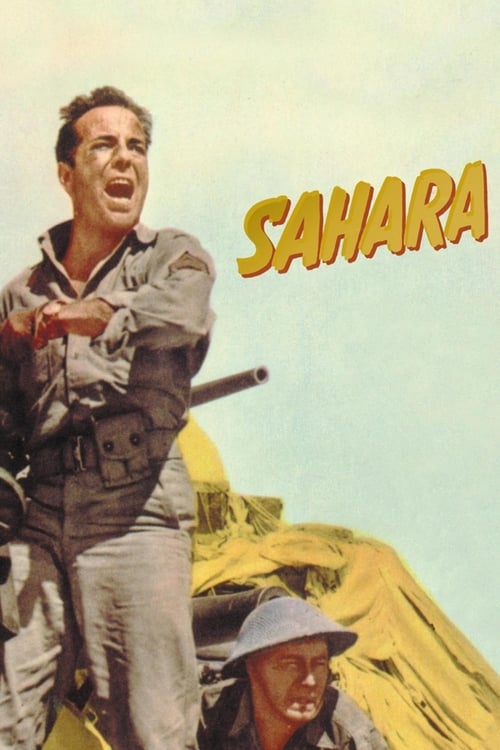
Sahara1943
Humphrey Bogart leads a mixed group of soldiers and prisoners across the desert, bonded by necessity and mutual respect. It's a microcosm of wartime alliance, tense and surprisingly moving about the human element beneath the bullets.
But The political messaging is overt and the romance feels obligatory. Some scenes haven't aged as smoothly as others.
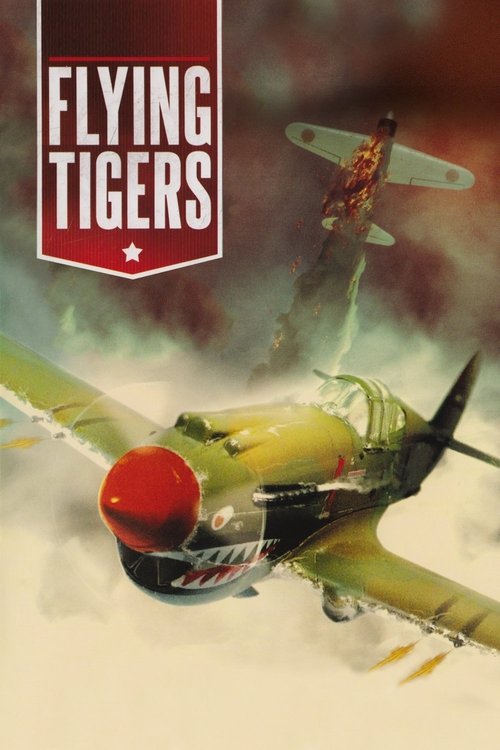
Flying Tigers1942
John Wayne and his American Volunteer Group in China, fighting Japanese planes with charm, camaraderie and just enough character work to make the dogfights land emotionally. It's lean, entertaining, and knows what it is.
But The plot is straightforward to the point of simplicity and the romance subplot is perfunctory. It's built on spectacle rather than depth.
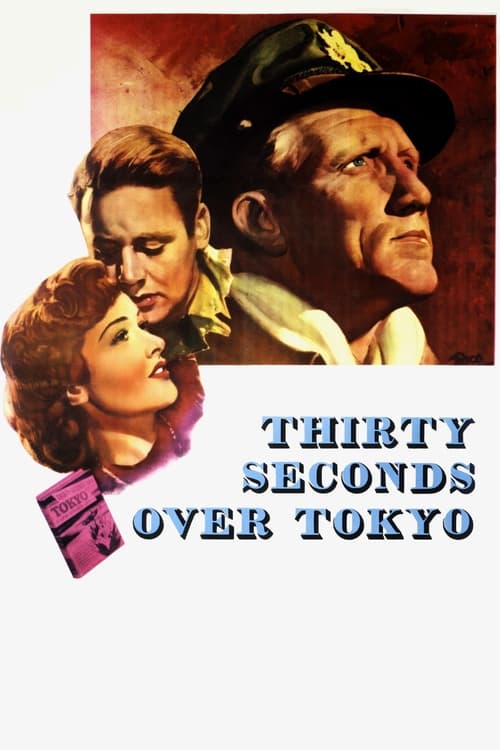
Thirty Seconds Over Tokyo1944
Spencer Tracy and Van Johnson in a meticulous reconstruction of the Doolittle Raid, blending technical detail with the ordeal of survival and escape. The craftsmanship is evident in every frame.
But At two hours-plus, it takes its time establishing every character and preparing for the climactic mission. Modern audiences often find it methodical rather than gripping.
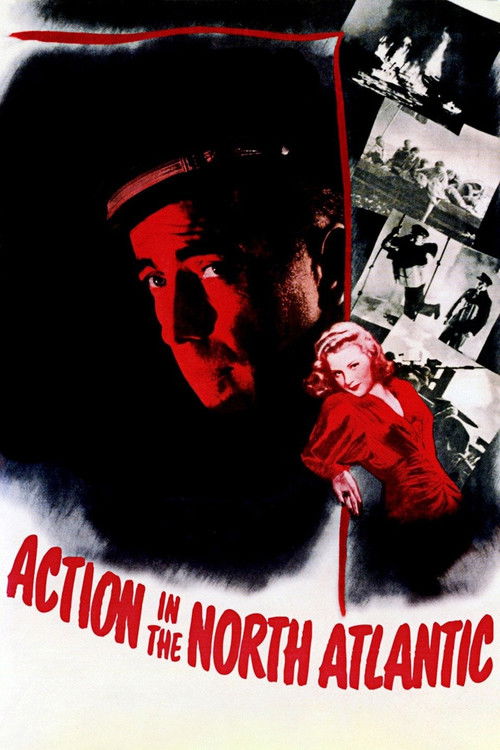
Action in the North Atlantic1943
Humphrey Bogart and Raymond Massey as merchant marine officers convoying supplies across U-boat-infested waters. The submarine attacks are visceral and the film treats ordinary sailors as heroes without sentimentality.
But The second half softens into propaganda messaging and the romantic elements feel forced. The earlier tension gives way to something more predictable.
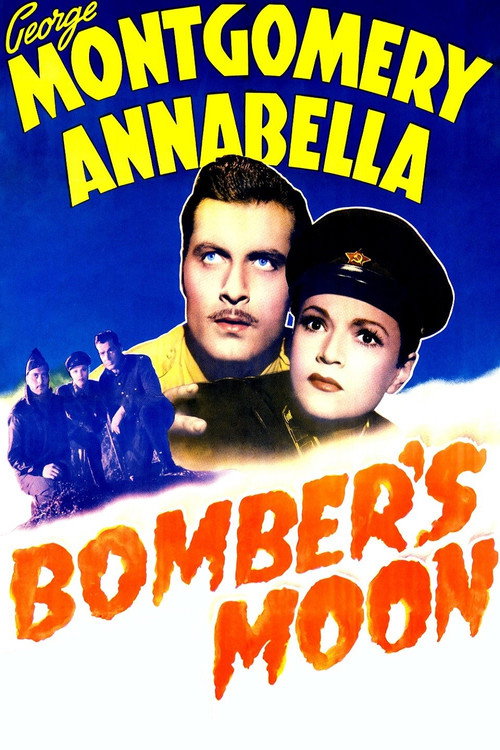
Bomber's Moon1943
George Montgomery as a downed pilot trying to escape occupied France with help from the Resistance. It's efficient, well-acted, and the escape plot has genuine stakes and surprises.
But It's a B-picture compared to the major wartime productions, which means lower budgets and a formulaic structure. Some viewers find it thin compared to the prestige productions.
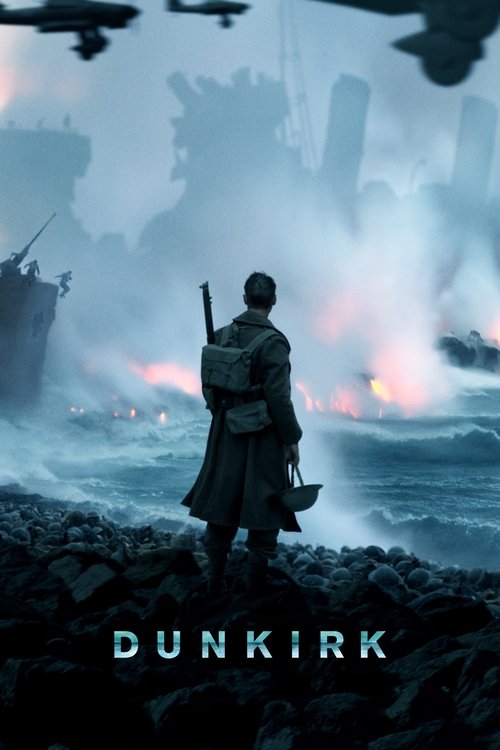
Dunkirk2017
Both centre on desperate evacuation and the logistics of saving lives under enemy fire. Where Wassell is about the moral weight of one man's decision, Dunkirk dissolves the individual into the machinery of mass survival.
Christopher Nolan's fragmented, non-linear account of the evacuation uses multiple timelines to create sustained, almost unbearable tension. It's a war film that prioritizes the sensory experience of chaos and helplessness.
But The fractured narrative makes it hard to follow character arcs and there's minimal dialogue or emotional connection to individuals. It's a technical and visceral experience rather than a dramatic one.
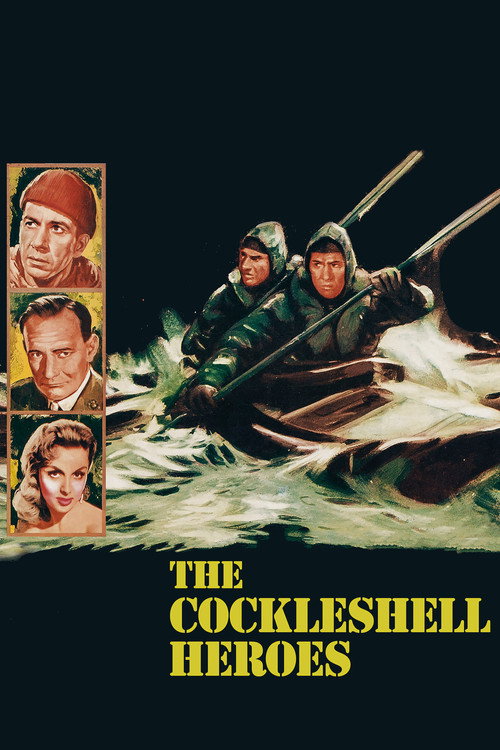
The Cockleshell Heroes1955
Both are based on true stories of small groups operating behind enemy lines with improvisation and courage. The connection is structural rather than thematic—the mechanics of getting people out.
A British commando raid into occupied France told with dry understatement and real tactical ingenuity. It's a heist-film structure applied to wartime: meticulous planning meeting chaotic reality, small unit cohesion tested to breaking point.
But It's a briskly paced British picture without American star power or romantic subplot, and it's more interested in procedure than sentiment. Viewers expecting grand heroics may find it austere.
People
Cast
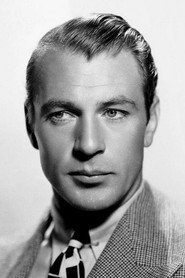 Gary CooperDr. Corydon M. Wassell
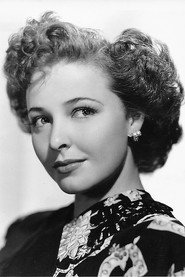 Laraine DayMadeleine
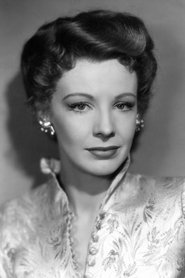 Signe HassoBettina
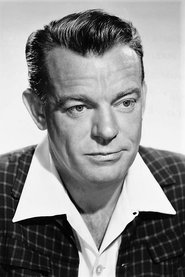 Dennis O'KeefeBenjamin 'Hoppy' Hopkins
 Carol ThurstonTremartini (Three Martini)
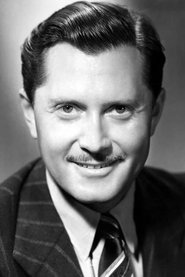 Carl EsmondLt. Dirk Van Daal
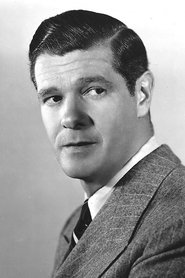 Paul KellyMurdock
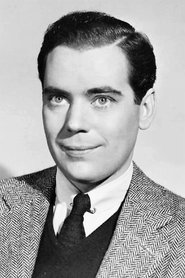 Elliott ReidWilliam 'Andy' Anderson
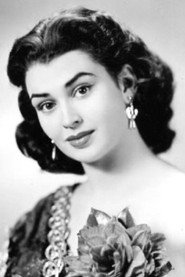 Laurette LuezPretty Javanese Girl
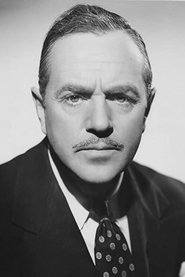 Stanley RidgesCmdr. William B. 'Bill' Goggins
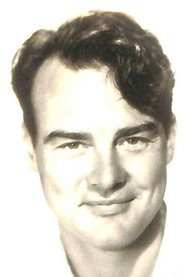 Renny McEvoyJohnny Leeweather
- Oliver ThorndikeAlabam
Directing
- Cecil B. DeMilleDirector
Writing
- Alan Le MayScreenplay
- Charles BennettScreenplay
- Corydon M. WassellStory
- James HiltonStory
Production
- Sidney BiddellAssociate Producer
- Buddy G. DeSylvaExecutive Producer
- Cecil B. DeMilleProducer