
Film
The Gallant Hours
A taut semi-documentary about Admiral Halsey's five-week command during the crucial Guadalcanal campaign. James Cagney brings restless energy to the role, balancing strategic tension with intimate character work. It's a thinking person's war film—more interested in command decisions and moral weight than spectacle. For viewers who want history that breathes.
If you liked this
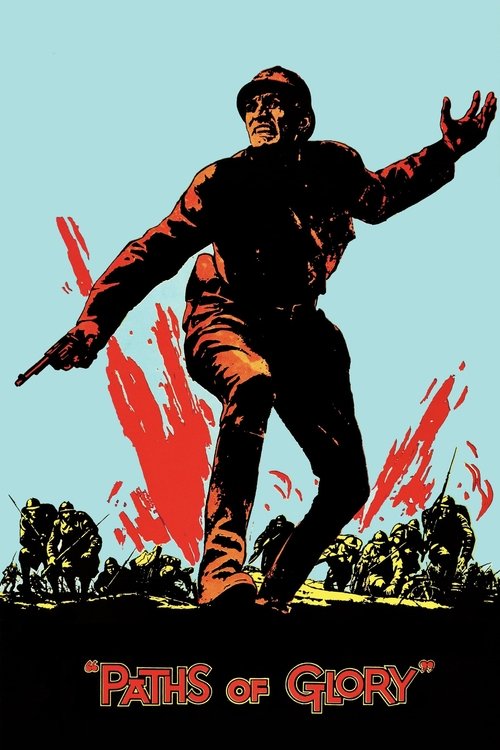
Paths of Glory1957
Kubrick's devastating examination of military hierarchy and the cost of ambition. Like Halsey, it's built on tension between duty and conscience, but with shattering consequences. Perfectly paced.
But It's bleaker than Gallant Hours, and the ending leaves no room for redemption or comfort.
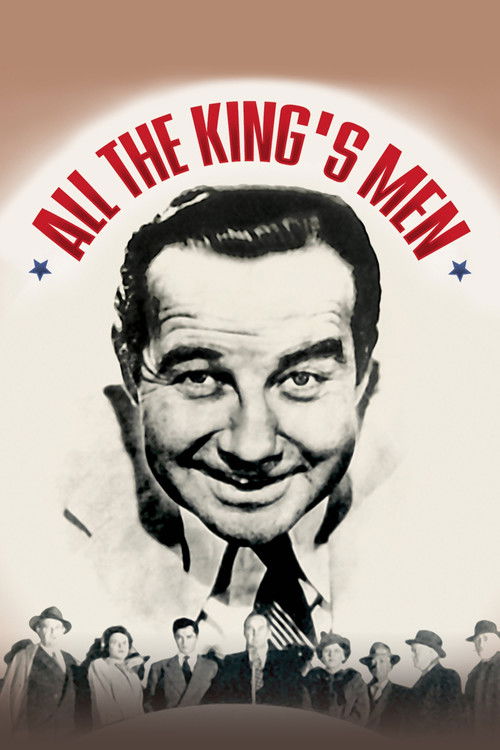
All the King's Men1949
A character study of power—how good men navigate impossible systems, how authority corrupts judgment. The same moral complexity Cagney brings here, but in domestic politics rather than war.
But It's a long, talky film about backroom deals and political maneuvering, not action. Patience required.
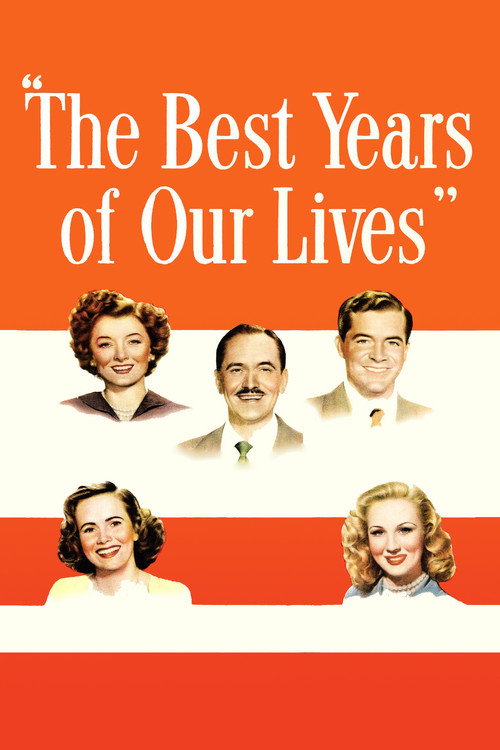
The Best Years of Our Lives1946
Wyler's epic about the weight leadership carries and what happens when the fighting stops. Both films understand that war is administrative and psychological as much as it is military.
But Three and a half hours, and it's primarily about civilians adjusting to peace rather than soldiers in command.
Not sure tonight? Get a pick in a minute, starting from The Gallant Hours
The wildcard
Something you would not have found on your own.
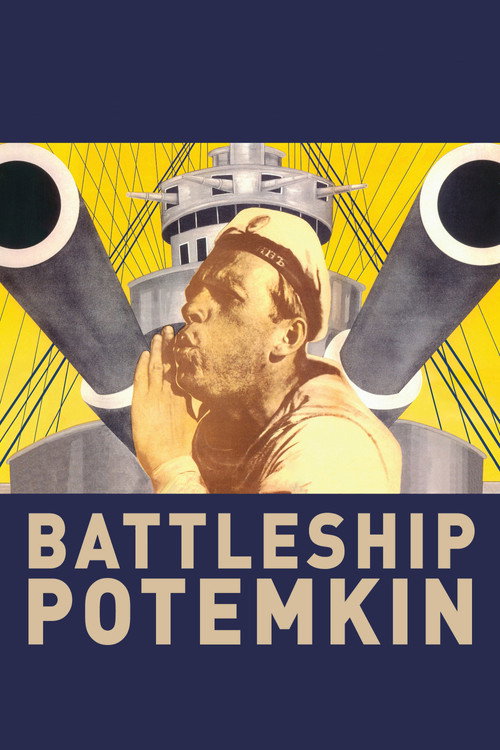
Battleship Potemkin1925
Both films use naval hierarchy as a prism to examine obedience, duty, and the moment when personal conscience collides with institutional order.
Eisenstein's revolutionary Soviet film about a naval mutiny. Structurally it's the opposite of Gallant Hours—grassroots rather than command-level—but both use the Navy to explore authority, loyalty, and what people owe each other when systems fail. Kinetic cinema.
But It's silent, Soviet propaganda from 1925, and its editing is disorienting. Not a comfortable watch, and it demands active attention.
More like this (8)
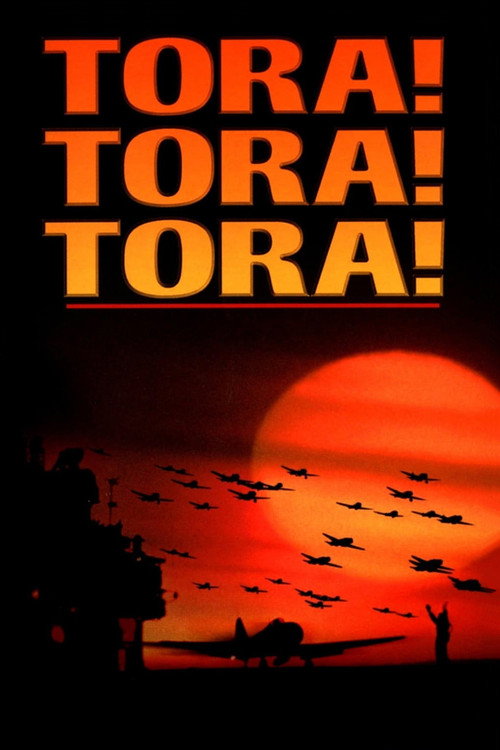
Tora! Tora! Tora!1970
A Japanese and American co-production examining the same Pacific conflict from both sides. Meticulous about how decisions ripple through systems, how intelligence fails, how men respond under pressure.
But The scale is epic rather than intimate; it's more interested in historical accuracy than character depth.
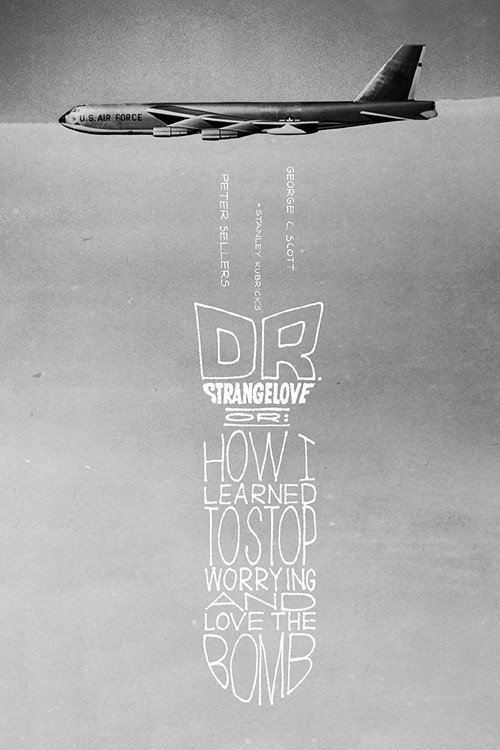
Dr. Strangelove or: How I Learned to Stop Worrying and Love the Bomb1964
Another Kubrick study of power and command under extreme pressure. Gallant Hours plays it straight; this asks what happens when the system itself becomes the enemy. Brilliant on institutional logic.
But It's a dark comedy about nuclear war. The register is completely different—if you want solemnity, this will feel like mockery.
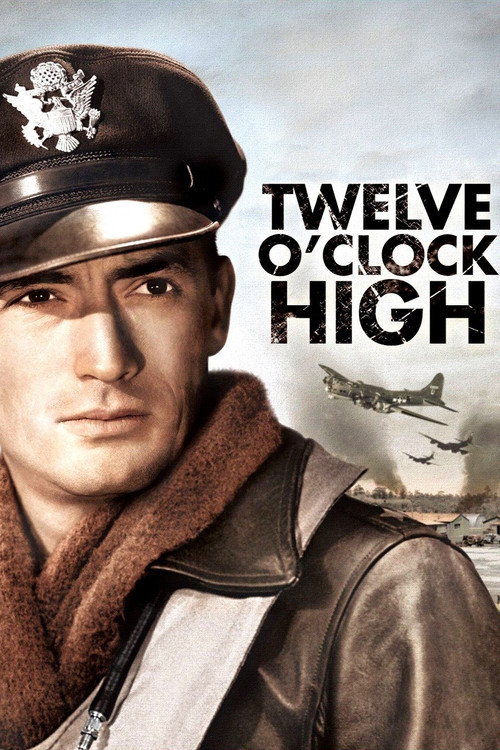
Twelve O'Clock High1949
Gregory Peck as a commander rebuilding morale and managing impossible demands. Understated, focused on the psychology of leadership and what it costs the man at the center.
But It's about the Air Force, not the Navy, and it's more conventional in its storytelling than Gallant Hours.
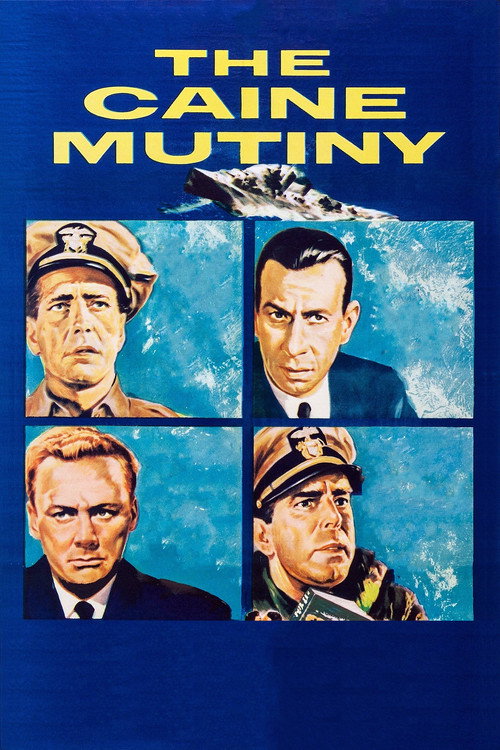
The Caine Mutiny1954
Humphrey Bogart as another naval commander, but one spiraling under pressure. Both films use the Navy as a setting for examining judgment, authority, and the men who have to exercise them.
But It's a courtroom drama masquerading as a war film. If you want action, you're in the wrong place.
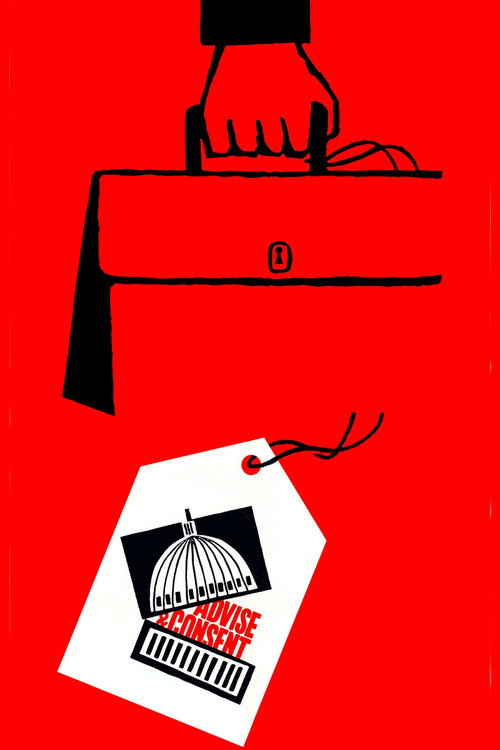
Advise & Consent1962
Otto Preminger's intricate political drama about men in power navigating competing loyalties. The same tension between principle and pragmatism that Gallant Hours explores, just in Congress rather than on ships.
But It's a sprawling, complicated film about institutional process. Not everyone finds Washington procedure as gripping as battle strategy.
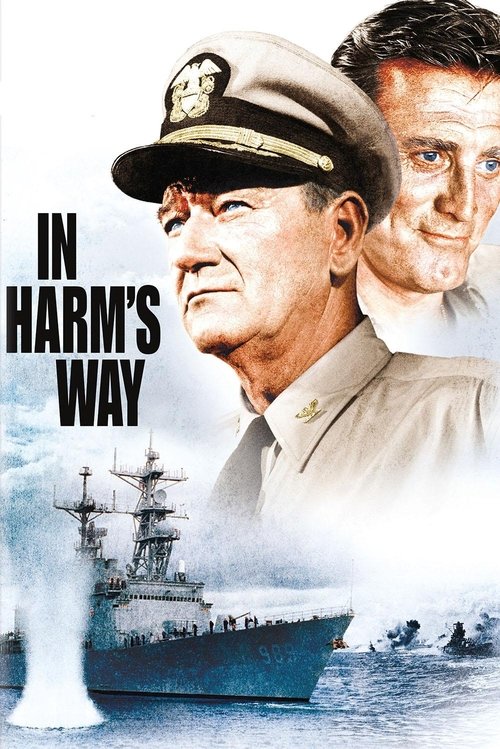
In Harm's Way1965
John Wayne and Otto Preminger reunite for another Pacific War command study. Ambitious in scope, interested in how men carry guilt and make decisions when lives depend on them.
But It's overlong and sometimes overwrought, with a muddled love subplot that feels unnecessary to the core story.
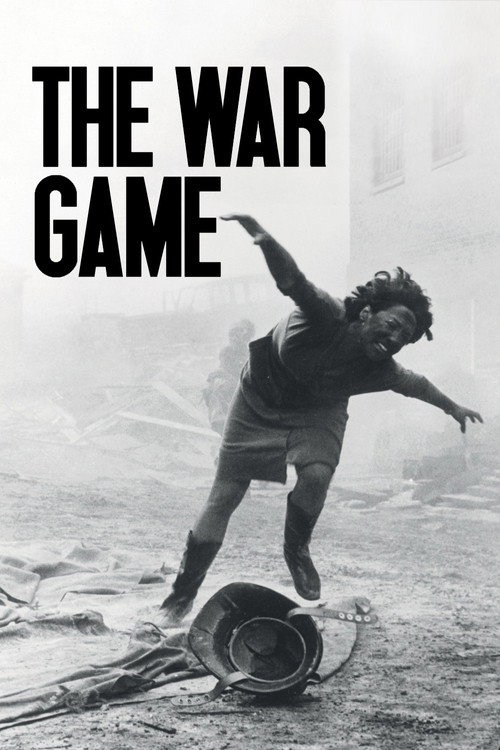
The War Game1966
Both use documentary realism and restrained direction to make abstract military decisions visceral and human. The style is the argument.
Peter Watkins' banned mockumentary about nuclear war using the same semi-documentary style as Gallant Hours—but turned toward the unthinkable. Both films trust the audience to think. Handheld, immediate, terrifying.
But It's a simulation of nuclear annihilation. Bleak doesn't cover it. The BBC was too frightened to air it for decades, and there's a reason why.
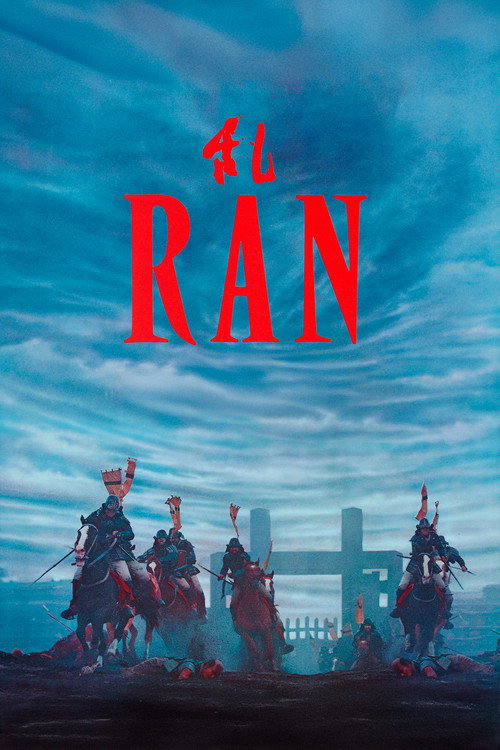
Ran1985
Both films are genuinely tragic—they show men of competence and courage trapped by the very systems they built, unable to pass the torch without destruction.
Kurosawa's epic about an aging warlord surrendering power. Replace the Pacific Fleet with a Japanese castle and you have the same story: how authority held too long rots men and systems. Visually staggering; emotionally devastating.
But It's nearly three hours, in Japanese, and it's a Shakespeare adaptation about feudal hierarchy. Modern war film audiences might find it remote.
People
Cast
 James CagneyAdmiral William 'Bull' Halsey
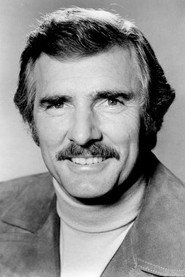 Dennis WeaverAndy Lowe
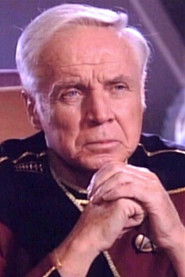 Ward CostelloHarry Black
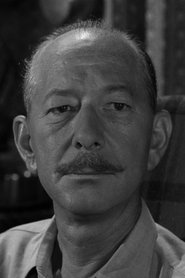 Vaughn TaylorMike Pulaski
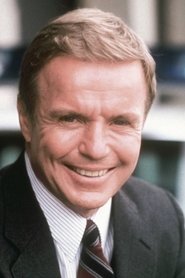 Richard JaeckelRoy Webb
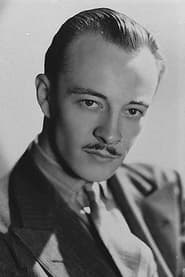 Les TremayneFrank Enright
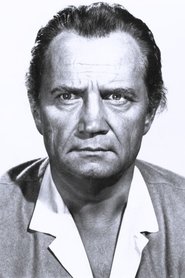 Walter SandeHorace Keys ("Doc")
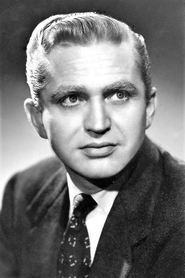 Karl SwensonBill Bailey
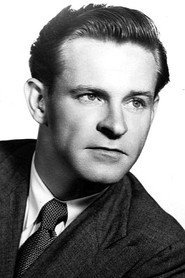 Richard CarlyleFather Gehring
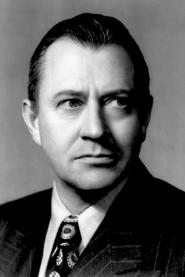 Carl Benton ReidRobert Ghormley
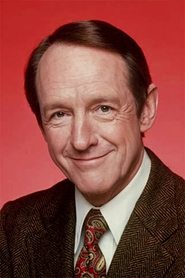 William SchallertThomas G. Lamphier Jr.
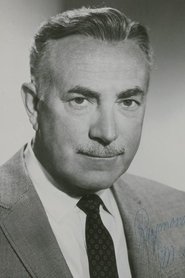 Raymond BaileyVandergrift
Directing
- Joseph C. BehmAssistant Director
- Robert MontgomeryDirector
- Stanley K. ScheuerScript Supervisor
Writing
- Beirne Lay Jr.Screenplay
- Frank D. GilroyScreenplay
Production
- James CagneyProducer
- Robert MontgomeryProducer
- Gene BryantProduction Manager