
Film
In Harm's Way
Otto Preminger's sprawling naval war epic traces one captain's redemption arc across the Pacific, from disgrace at Pearl Harbor to command of a fleet. John Wayne and Kirk Douglas anchor a substantial ensemble through combat sequences, romance subplots, and the grinding logistics of military hierarchy. It's a grown-up war film for patient viewers who want scope and character alongside action.
Should you watch it?
Watch it if you love sprawling wartime ensemble pictures where dozens of small human stories unfold across ships and command rooms, the way Midway or The Longest Day stitch together many lives at once.
Skip it if you want a tight, propulsive war movie; at nearly three hours it moves in long stretches of romance, paperwork and sea-going talk, and the battle scenes arrive in measured doses.
What it asks of you: Settle in for a long, unhurried sit, with patience for slow character threads that gather weight over time, and a tone that swings between brisk melodrama and sober naval business.
Not sure? Find tonight's pick in a minute.
If you liked this
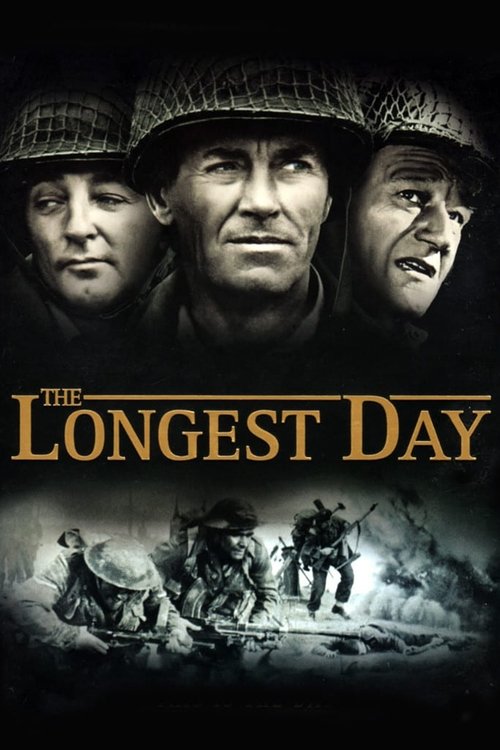
The Longest Day1962
The definitive D-Day epic with an even larger ensemble cast and multiple narrative threads woven through meticulous battle choreography. If you want sprawl and scale with real dramatic weight, this is the gold standard.
But At nearly three hours, it demands sustained attention, and some of the vignettes feel thin compared to the big set pieces.
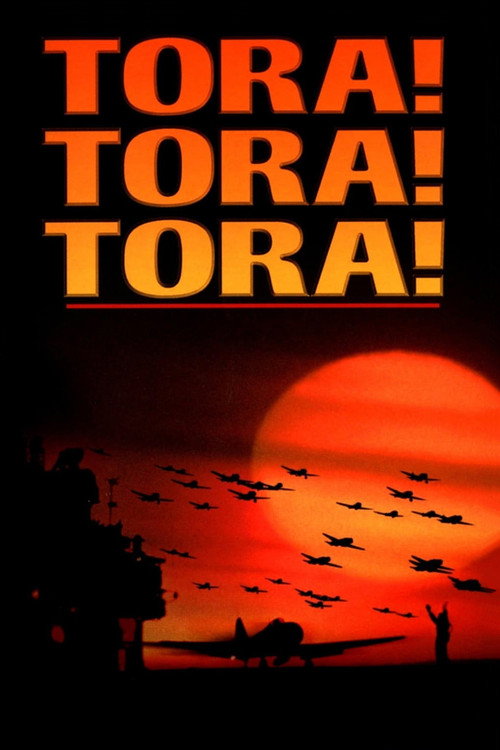
Tora! Tora! Tora!1970
A parallel-perspective reconstruction of Pearl Harbor itself that rivals In Harm's Way for scope and military detail. Japanese and American sides told with equal seriousness and technical precision.
But The dual-language approach and focus on strategic detail over character means it's more procedural than emotionally driven.
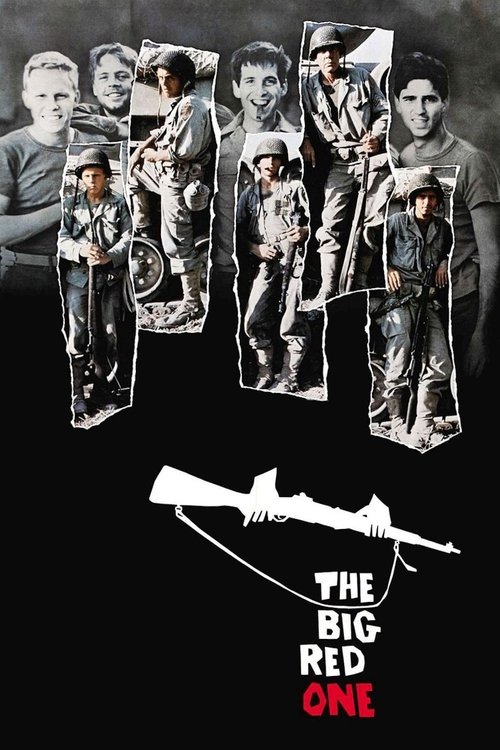
The Big Red One1980
Samuel Fuller's rawer, more chaotic take on infantry war—a sergeant and his squad through North Africa and Europe. Grittier and more humanly disordered than Preminger's orderly command structure.
But The pacing is uneven and some scenes feel undercooked, which suits the subject but tests patience.
Not sure tonight? Get a pick in a minute, starting from In Harm's Way
The wildcard
Something you would not have found on your own.
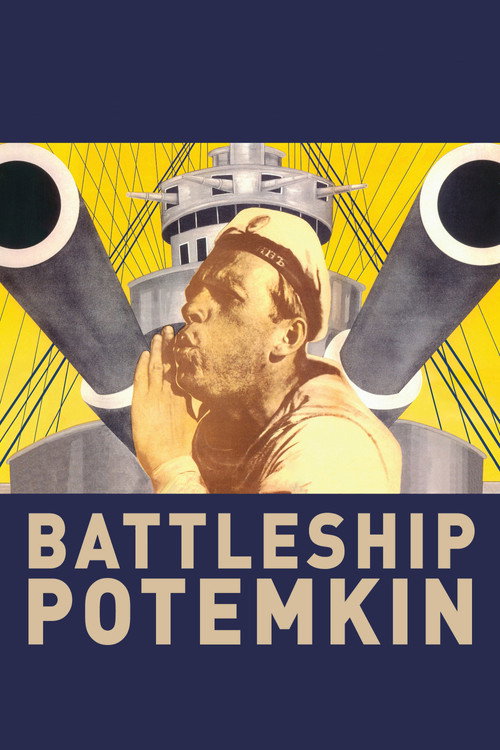
Battleship Potemkin1925
Both explore the tension between individual integrity and military hierarchy, but Potemkin asks if hierarchy itself is the problem.
Eisenstein's Soviet classic about mutiny and hierarchy aboard a warship, told through montage and revolutionary formal innovation. Same DNA as In Harm's Way—command structures, crew dynamics, military authority—but from an entirely opposing political ideology and filmic language. Essential if you want to see what war cinema could do before Hollywood convention locked it down.
But Silent film, agitprop politics, and a visual grammar that demands active watching rather than passive reception. Not restful.
More like this (8)
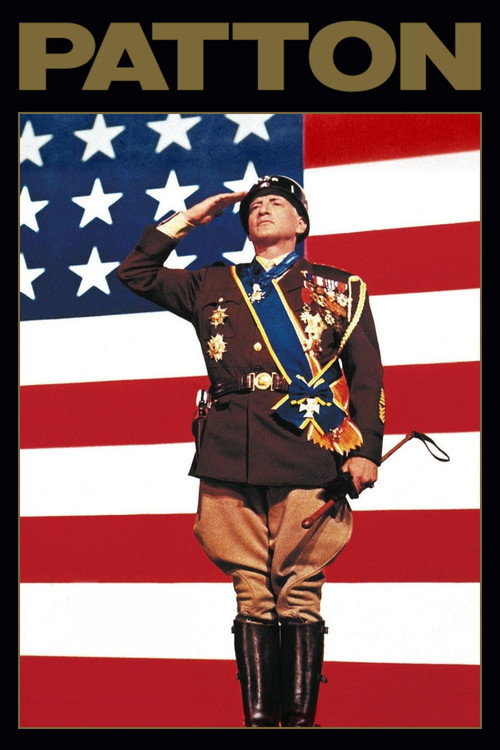
Patton1970
George C. Scott as a larger-than-life general obsessed with proving himself—echoes Wayne's character arc but with more psychological complexity and a film that never stops moving.
But It's aggressively masculine in ways that feel dated, and the protagonist can be exhausting to spend time with.
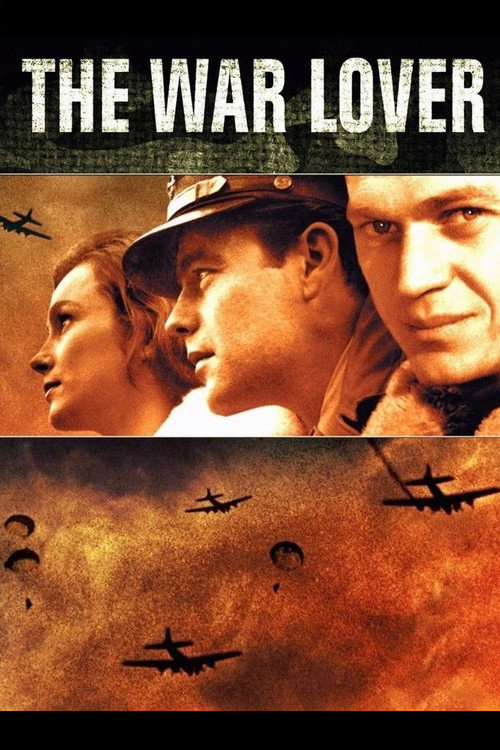
The War Lover1962
Steve Reeves and Robert Wagner as B-17 pilots navigating command, camaraderie, and the addiction to combat. More intimate character study wrapped in war-film machinery.
But The romantic subplots feel obligatory and sometimes overwhelm the military tension that's actually interesting.
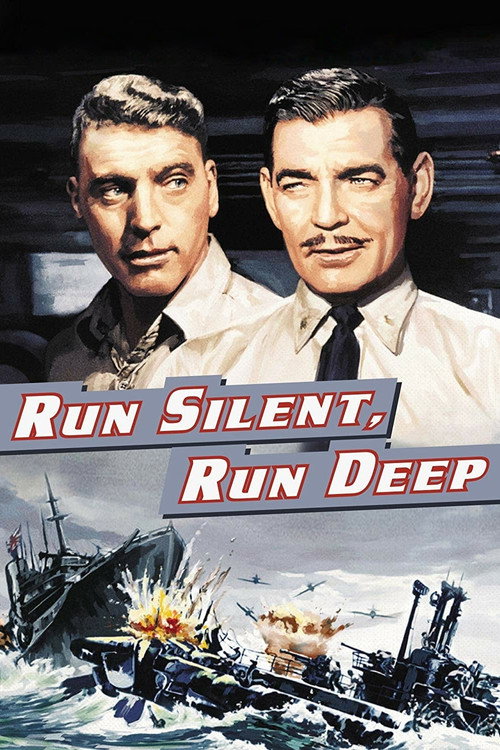
Run Silent, Run Deep1958
Clark Gable and Burt Lancaster on a submarine: claustrophobic, morally murky, and focused on obsession and leadership under impossible pressure.
But The submarine setting is confining in ways some find tedious, and the emotional beats can feel melodramatic.
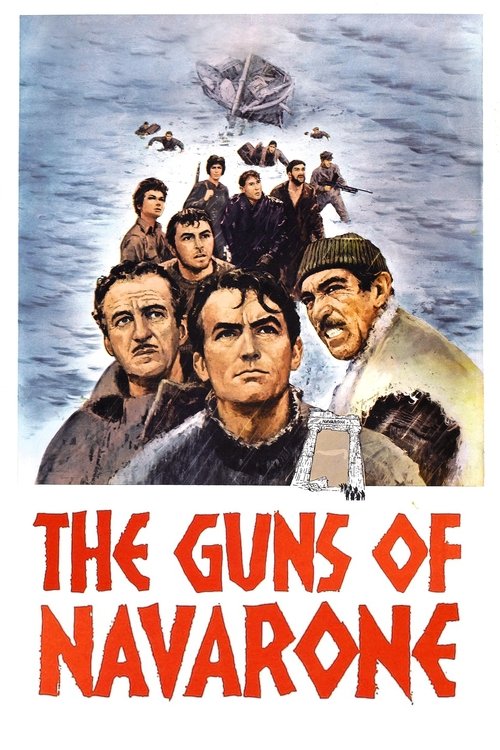
The Guns of Navarone1961
A smaller unit on an impossible commando mission develops real camaraderie across a taut narrative. Adventure-inflected war film that never stops moving or thinking about tactics.
But It's more implausible than In Harm's Way and some of the derring-do strains credibility.
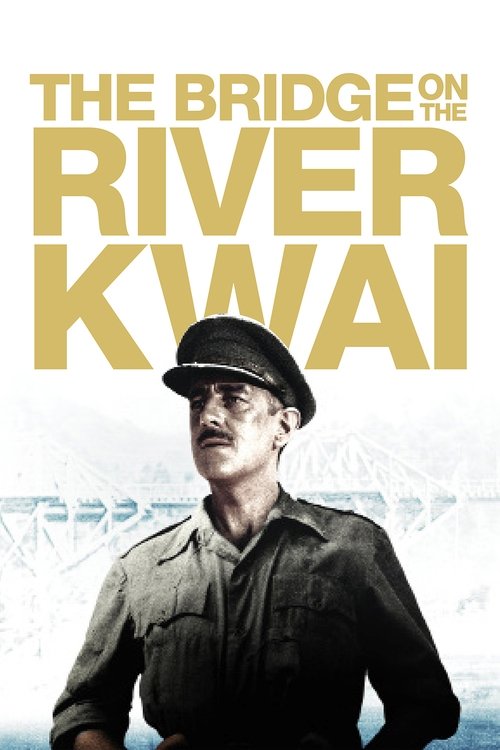
The Bridge on the River Kwai1957
David Lean's masterpiece about obsession, duty, and the moral cost of command. A British commander's descent into dangerous pride mirrors Wayne's redemption arc but goes darker.
But The pacing in the middle hour softens momentum, and some viewers find its treatment of Asian characters dated and uncomfortable.
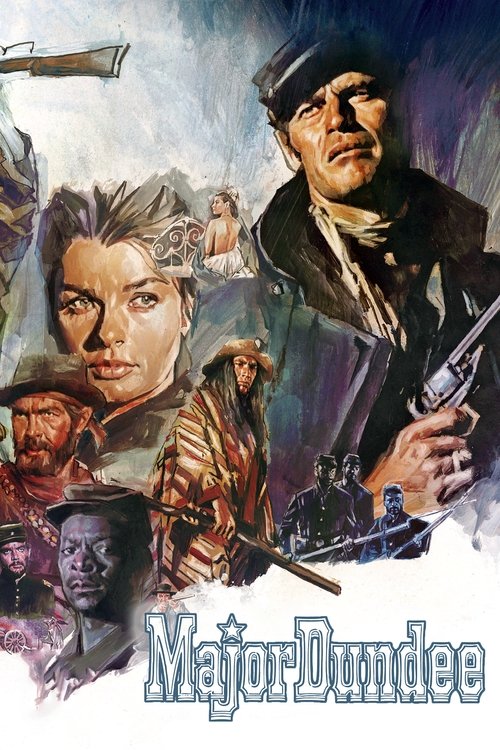
Major Dundee1965
Sam Peckinpah's Civil War film about a command officer assembling an unlikely unit for a cross-border raid. Rough-edged, morally complicated, with real chemistry between leads.
But It's a butchered re-edit of Peckinpah's original vision and some narrative threads remain dangling and unclear.
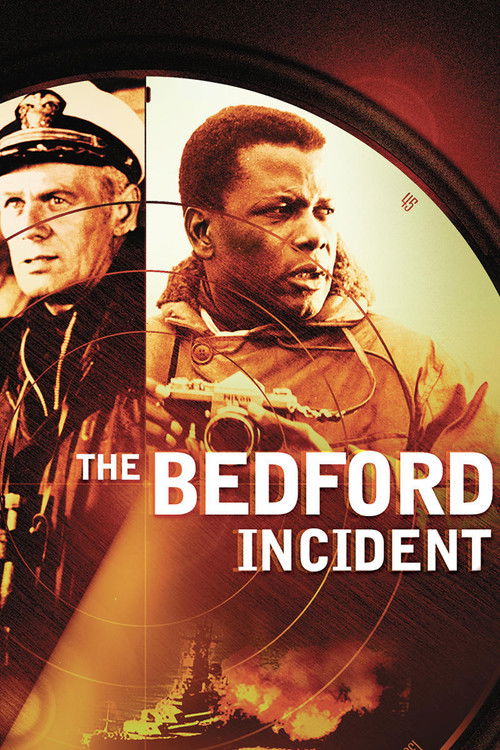
The Bedford Incident1965
Both center on a commander's need to prove himself, but The Bedford Incident asks whether that obsession itself becomes the real enemy.
Richard Widmark as a Cold War destroyer captain obsessed with hunting a Soviet submarine, turning his command into a pressure cooker of paranoia and masculine ego. Tense chamber piece with only one ship and one obsessed man, achieving what In Harm's Way's sprawl attempts: the corrosion of judgment under command.
But The single-setting submarine cat-and-mouse game is claustrophobic and lacks the visual variety of battle sequences. Also genuinely bleak.
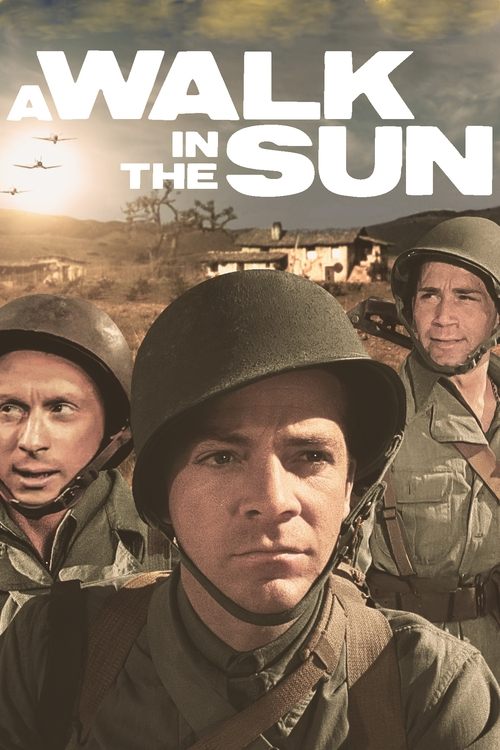
A Walk in the Sun1945
In Harm's Way tells war from the bridge; A Walk in the Sun tells it from the foxhole. Same war, irreconcilable perspectives on what command means.
Norman Milestone's chamber play about an infantry platoon's single-day mission in Italy—all dialogue, strategy, and human friction, zero heroics. What war sounds like from ground level when cameras stop and characters just talk about fear, decision-making, and the weight of following orders you don't fully understand.
But It's deliberately undramatic. No music, no big moments, just men thinking aloud. Many find it slow or boring rather than meditative.
People
Cast
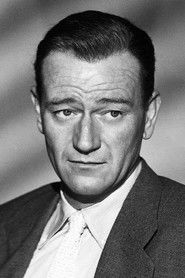 John WayneCapt. Rockwell Torrey
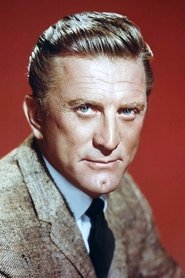 Kirk DouglasCommander Paul Eddington, Jr.
 Patricia NealLt. Maggie Hayes
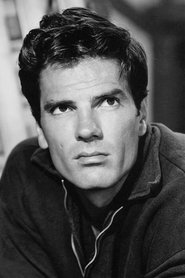 Tom TryonMac McConnell
 Paula PrentissBeverly McConnell
 Brandon De WildeEns. Jeremiah 'Jere' Torrey
 Jill HaworthEns. Annalee Dorne
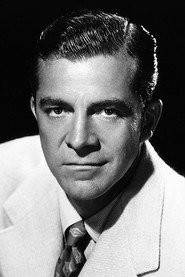 Dana AndrewsAdmiral Broderick
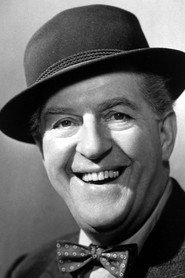 Stanley HollowayClayton Canfil
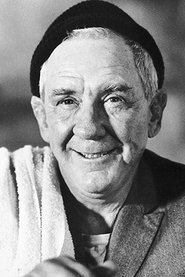 Burgess MeredithCommander Egan Powell
 Barbara BouchetLiz Eddington
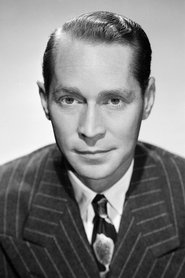 Franchot ToneCINCPAC I
Directing
- Daniel McCauleyAssistant Director
- Howard JoslinAssistant Director
- Otto PremingerDirector
- Michael DavesSecond Assistant Director
Writing
- James BassettNovel
- Wendell MayesScreenplay
Production
- Bill BarnesCasting
- Otto PremingerProducer
Recommended by
Mister Roberts, The Football Factory, December 7th, Run Silent, Run Deep, Command Decision, They Were Expendable, Torpedo Run, Air Force, The Final Countdown, The Gallant Hours, Action in the North Atlantic, Destination Tokyo, Stand by for Action, The Red Ball Express