
Film
December 7th
A 1943 wartime docudrama about Pearl Harbor that blends newsreel footage with expressionist drama. Soldiers' ghosts debate America's preparedness while we watch salvage efforts and military responses unfold. It's propaganda, yes, but crafted with genuine stylistic ambition—less cheerleading than wrestling with shock and failure. For anyone curious about how cinema processed national trauma in real time.
Should you watch it?
Watch it if you want a wartime propaganda piece with real archival texture, where John Ford's documentary eye and stark patriotic conviction matter more than polish, and a half hour is enough to get the point.
Skip it if you need a single fictional protagonist or modern pacing, since this is a pointed, stylized docudrama that leans on ghosts, narration and rallying rhetoric rather than character.
What it asks of you: Roughly half an hour of your attention, and a willingness to accept a blunt, earnest tone that addresses you directly rather than letting you drift into the story.
Not sure? Find tonight's pick in a minute.
If you liked this
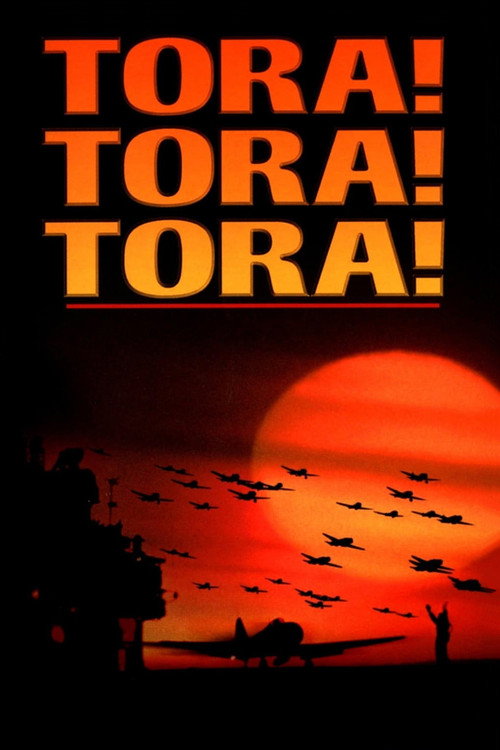
Tora! Tora! Tora!1970
The definitive dramatization of Pearl Harbor from both American and Japanese perspectives. Meticulous, thrilling, and honest about the tactical failures that made the attack possible. Nearly three hours that never waste a moment.
But Its length and procedural detail demand patience. Some find the split perspective dilutes emotional impact rather than deepening it.
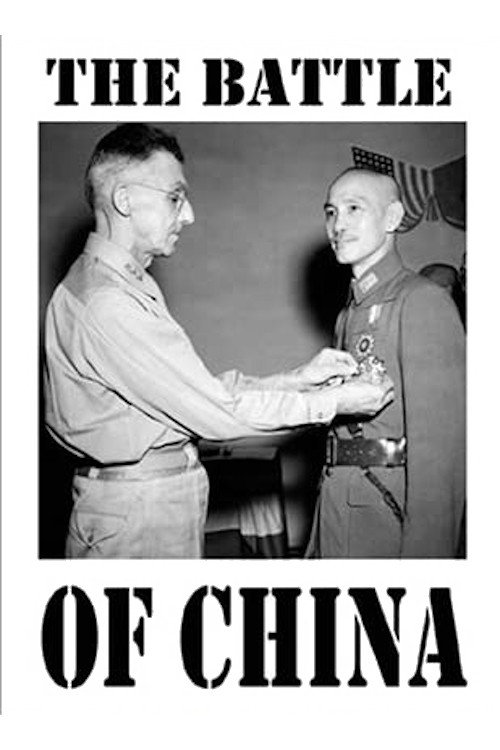
Why We Fight: The Battle of China1944
Frank Capra's companion piece to December 7th, examining the broader Pacific War with the same propagandistic energy but stunning visual composition. Feels like watching history crystallize in real time.
But Dated attitudes and the propaganda mission are unsubtle. At 65 minutes it's still a commitment for what is essentially a long argument.
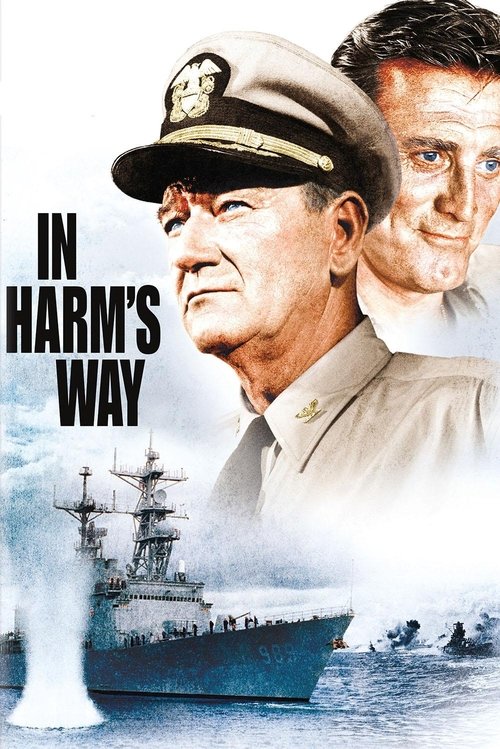
In Harm's Way1965
John Ford's sprawling naval drama set immediately after Pearl Harbor, mixing historical events with invented characters. Captures the chaos and moral complexity of wartime command with Ford's characteristic depth.
But At 165 minutes, it's indulgent even by epic standards. The fictional subplot can feel like padding between the historical set pieces.
Not sure tonight? Get a pick in a minute, starting from December 7th
The wildcard
Something you would not have found on your own.
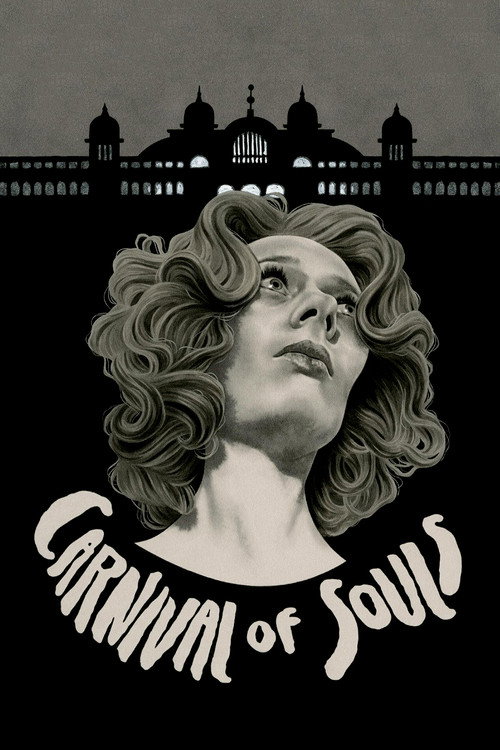
Carnival of Souls1962
Both films deploy ghosts as a formal language for processing trauma. Here it's personal and internal; in December 7th, it's national and rhetorical. Same vocabulary, opposite purposes.
A low-budget horror film where a young woman inexplicably survives a car crash and finds herself haunted by phantom figures. Shot in black-and-white with dreamlike dislocation and creeping dread. Uses ghostly imagery—like December 7th—but to explore psychological rupture instead of patriotic reckoning.
But Shoestring budget shows in every frame. Pacing is glacial and the plot minimal. Some find it pretentious rather than profound, a student film that got lucky.
More like this (6)
Come and See1985
Soviet war film that, like December 7th, uses surrealism and ghosts to convey trauma's psychological weight. Devastating portrait of how war unmakes a person. A masterpiece of form serving emotional truth.
But Relentlessly bleak and graphic. Not cathartic—it's meant to damage you. Some find the style overshadows rather than clarifies the horror.

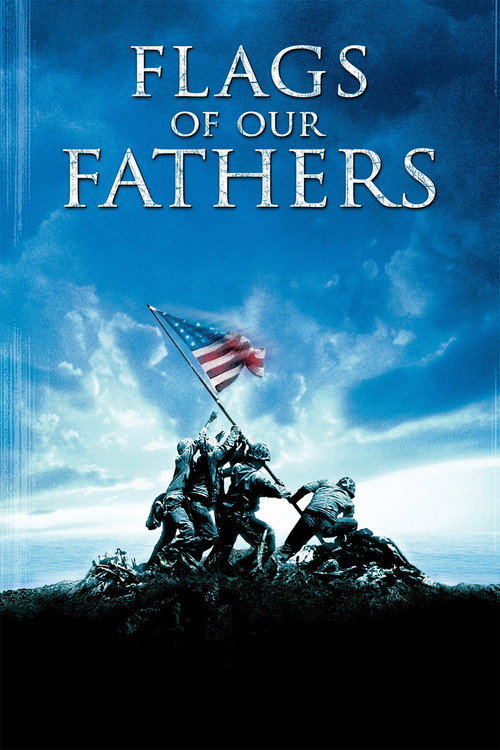
Flags of Our Fathers2006
Eastwood's meditation on how nations mythologize military sacrifice, told through the story of Iwo Jima's flag-raisers. Asks sharp questions about heroism, propaganda, and what we owe the dead.
But Jumps between timelines in ways some find confusing. It's more interested in aftermath than action, which can feel slow if you want war movie excitement.
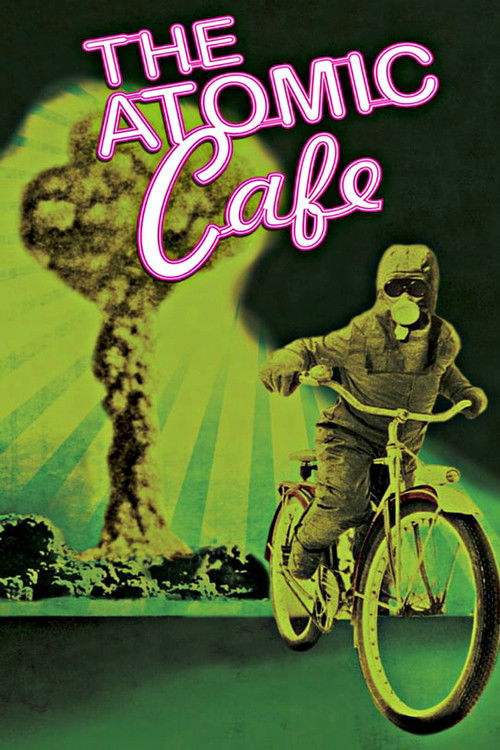
The Atomic Cafe1982
Found-footage collage of American atomic testing and civil defense propaganda from the Cold War era. Darkly funny, eerie, and utterly original. Shows how nations weaponize narrative as much as physics.
But Its avant-garde structure isn't a story. Some find it glib—the humor can feel like punching down at people genuinely afraid. Requires active engagement, not passive watching.
Night and Fog1956
Alain Resnais' 32-minute meditation on the Holocaust, mixing color footage of abandoned camps with archival material. Quieter than December 7th but equally shattering. How do you document the undocumentable?
But The detachment of the approach—eschewing easy emotion—can feel cold. Some argue formalist distance dishonors the subject. Needs silence afterward.

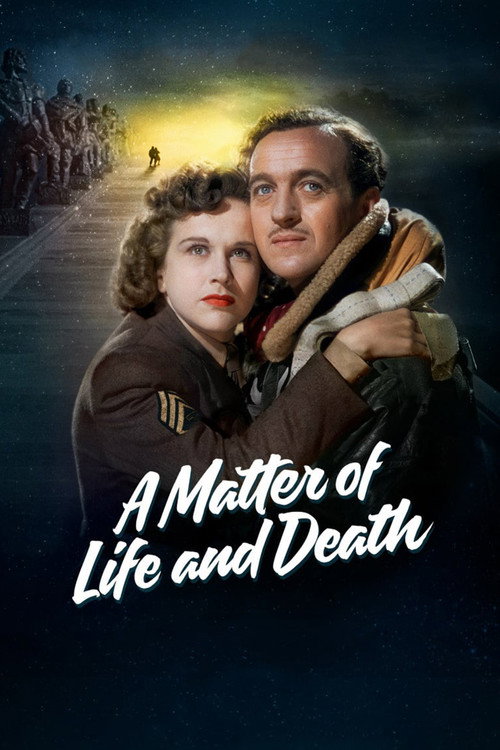
A Matter of Life and Death1946
Powell and Pressburger's Technicolor fantasy-drama about a RAF pilot's trial in the afterlife after Pearl Harbor. Argues for Anglo-American alliance with wit and visual splendor. Propagandistic but creatively alive.
But The fantasy elements and dated patriotic rhetoric feel quaint now. Tone shifts between whimsy and gravity can seem tonally muddled.
Sans Soleil1983
Both use found and new footage to construct meaning rather than simply record it. December 7th bends newsreel toward propaganda; Sans Soleil bends travel footage toward philosophy and memory. Both acknowledge cinema as argument, not window.
Chris Marker's essayistic documentary collage spanning Guinea-Bissau, Japan, Iceland, and memory itself. Narrated by letters, it explores how cinema documents and distorts reality. Playful, mournful, intellectually alive in ways most documentaries aren't.
But No plot, no traditional argument, no clear thesis. It's a poem that refuses to explain itself. Some find it beautiful; others find it indulgent and opaque. Demands you meet it halfway.

People
Cast
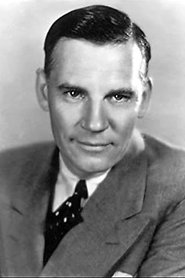 Walter HustonUncle Sam 'U.S.'
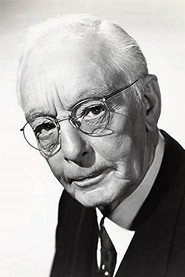 Harry DavenportMr. 'C'
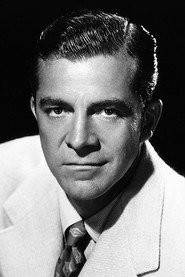 Dana AndrewsGhost of US sailor killed at Pearl Harbor
- Paul HurstWorld War I Ghost Soldier
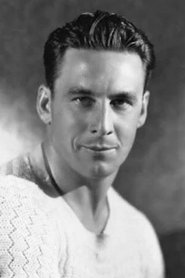 George O'BrienSingle Voice of the Dead Servicemen (voice)
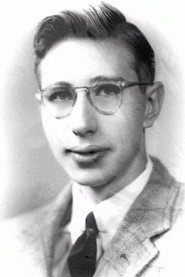 James Kevin McGuinnessNarrator (voice)
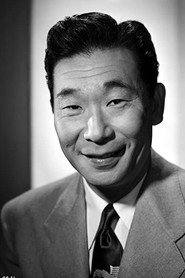 Philip AhnShinto Priest (uncredited)
- Addie AllenSelf (uncredited)
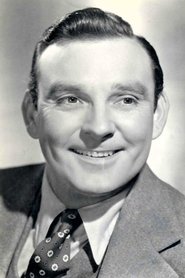 Ralph ByrdReporter (uncredited)
- James ConatyWounded Officer (uncredited)
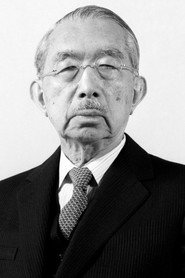 Emperor Hirohito of JapanSelf (archive footage) (uncredited)
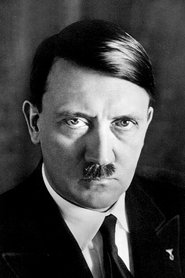 Adolf HitlerSelf (archive footage) (uncredited)
Directing
- Gregg TolandDirector
- John FordDirector
Writing
- Budd SchulbergWriter
Production
- John FordProducer