
Film
Why We Fight: The Battle of China
- Horror
- Very dark
Frank Capra's wartime documentary focuses on Japan's brutal invasion of China, marshalling newsreel footage, vivid animation, and Walter Huston's narration to explain a theatre of war largely invisible to American audiences. It's rousing propaganda—urgent, clear-eyed about atrocity, designed to build support for a distant ally. Essential viewing for anyone studying how cinema shaped wartime public opinion.
Should you watch it?
Watch it if you are drawn to wartime propaganda as a historical object, the way its makers chose images, maps and music to rally a home audience and make a distant conflict feel urgent.
Skip it if you want a balanced, modern account of the Sino-Japanese War, since this is a 1944 American government film with a clear mission and a stern, one-sided voice.
What it asks of you: It runs about an hour and five minutes, moves briskly through maps and archival footage, and expects you to sit with a sustained, earnest lecture rather than a story with characters to follow.
Not sure? Find tonight's pick in a minute.
If you liked this
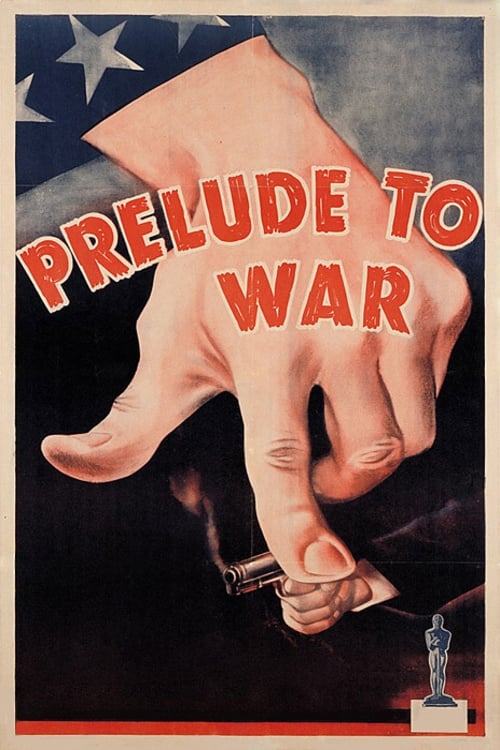
Why We Fight: Prelude to War1942
The first film in Capra's series sets the template: clear-eyed about fascism's rise, visually sophisticated, and genuinely moving. It's the foundation you need before diving deeper.
But Watching 65-minute propaganda from 1942 demands patience with dated techniques and the occasional heavy-handedness of wartime messaging.
Night and Fog1956
Alain Resnais' 30-minute essay on the Holocaust is the opposite of didactic: poetic, unbearably powerful, structured as a series of images that accumulate into moral weight. A masterclass in documentary form.
But It's extremely difficult to watch. The images stay with you—that's the point, but it's not comfortable, and comfort shouldn't be the expectation here.

Come and See1985
Elem Klimov's Soviet film shows the Eastern Front through a child's eyes. It doesn't explain the war; it *shows* you what invasion looks like on the ground, with a visceral power most documentaries can't match.
But It's a fiction film, not a documentary, and it's brutal in ways that can feel gratuitous if you're not prepared. Not recommended lightly.

Not sure tonight? Get a pick in a minute, starting from Why We Fight: The Battle of China
The wildcard
Something you would not have found on your own.
Tokyo Story1953
Capra's film documents Japan as enemy; Ozu's film, made nine years after the war's end, shows Japan as a place where ordinary people are trying to live. They're counterweights—one explains why we fought, the other asks what comes after, and whether understanding survives victory.
Ozu's film is almost unbearably quiet—an elderly couple visit family in postwar Tokyo. Nothing happens; everything matters. It's about loss and continuity, the way life continues after devastation.
But There's no plot. Whole scenes consist of people sitting. If you're watching Capra's documentary for information and momentum, this will feel like it's refusing to move.

More like this (5)
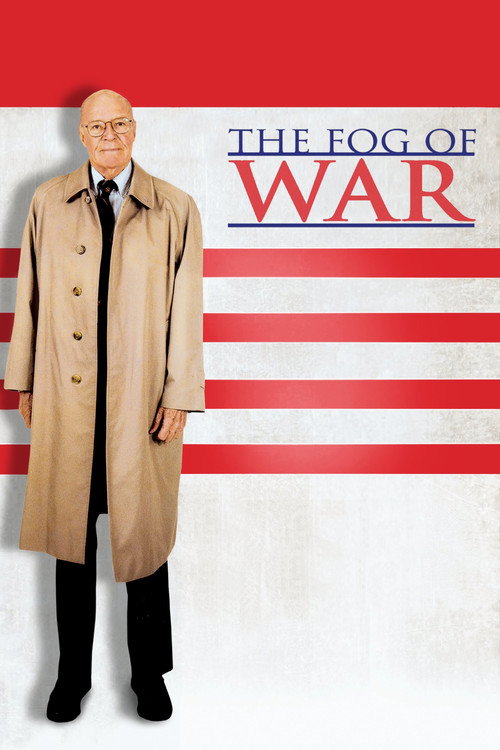
The Fog of War2003
Errol Morris interviews Robert McNamara about his role in World War II and Vietnam. It's a meditation on how we understand and misunderstand conflict, with gorgeous visual storytelling.
But Morris' style is mannered, and McNamara is a divisive figure. You may find yourself frustrated by his perspective or by the film's refusal to judge.
Shoah1985
Claude Lanzmann's nine-hour Holocaust documentary consists almost entirely of testimony and landscape. It's an act of witness that changed what documentary could be: patient, haunting, uncompromising.
But Nine hours, mostly of people talking or empty fields. If you need action or traditional structure, this will test you. But that's precisely why some people consider it essential.

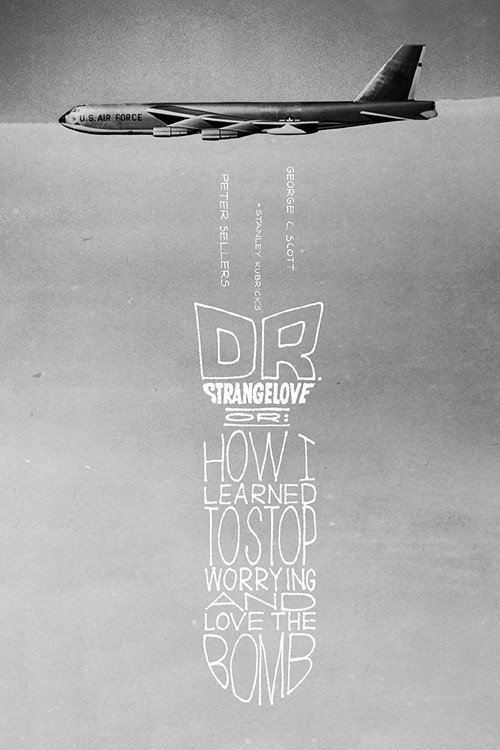
Dr. Strangelove or: How I Learned to Stop Worrying and Love the Bomb1964
Kubrick's black comedy about nuclear brinkmanship uses satire to articulate something true about how governments think about war. It's hilarious and genuinely unsettling.
But The humour is deliberately cold and the film moves fast. If you need your comedy warm or your messages explicit, this won't land.
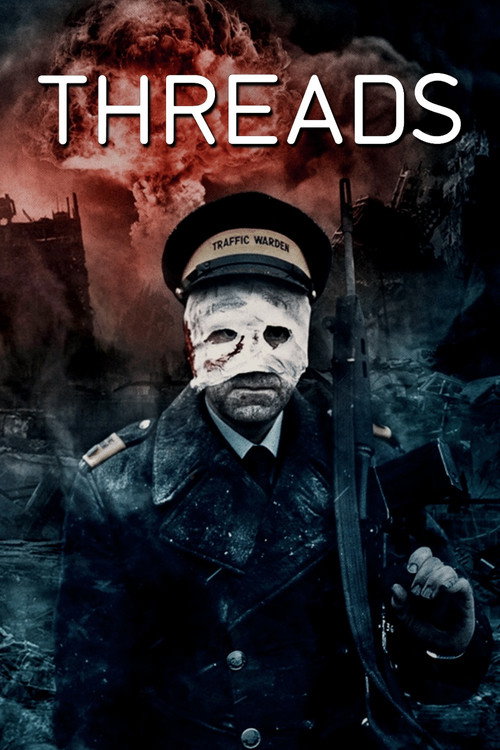
Threads1984
This British nuclear drama follows an ordinary Sheffield family as a Cold War conflict escalates. It's less interested in spectacle than in the bureaucratic and human failure that leads to annihilation.
But It's relentlessly bleak and the production design is deliberately unglamorous. For many viewers, it's too depressing to be engaging.
The Best Years of Our Lives1946
William Wyler's three-hour portrait of soldiers returning home is intimate and expansive. It's propaganda of a different sort—the dream the war was supposedly fought for—but executed with genuine humanity.
But It's long and sentimental, and its vision of American life is now obviously incomplete. The emotional register may feel dated.

People
Cast
 Anthony VeillerNarrator
 Walter HustonAbraham Lincoln
Directing
- Anatole LitvakDirector
- Frank CapraDirector