
Film
Why We Fight: Prelude to War
Capra's masterful wartime propaganda addresses American soldiers directly: here's why democracy matters, here's what fascism actually is, here's why we fight. Montage, archive footage, and Walter Huston's narrator build an argument as much as a case. Essential history and essential cinema, inseparable.
Should you watch it?
Watch it if you are drawn to wartime propaganda as a historical artifact, the way its makers assembled newsreel, maps and cartoon-like arguments to sell a cause, and you want to see how persuasion was built out of archive footage.
Skip it if you want a neutral, even-handed account of 1930s Europe; it argues its side openly, leans on rhetoric and loaded comparisons, and can feel like a lecture delivered at full volume.
What it asks of you: It runs about fifty-three minutes and rarely lets up, with a narrator pressing one point after another, so it wants steady attention rather than a relaxed evening's background viewing.
Not sure? Find tonight's pick in a minute.
If you liked this
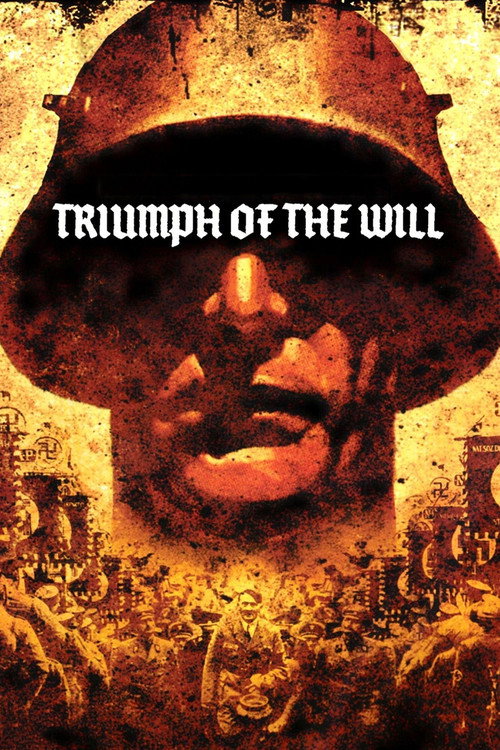
Triumph of the Will1935
Leni Riefenstahl's Nazi propaganda film—the thing Capra was essentially arguing against. See the enemy's own vision of itself, terrifying and seductive. Understand what democracies were up against.
But It's visually stunning in service of evil, which makes watching it morally queasy. Some find that discomfort unbearable rather than instructive.
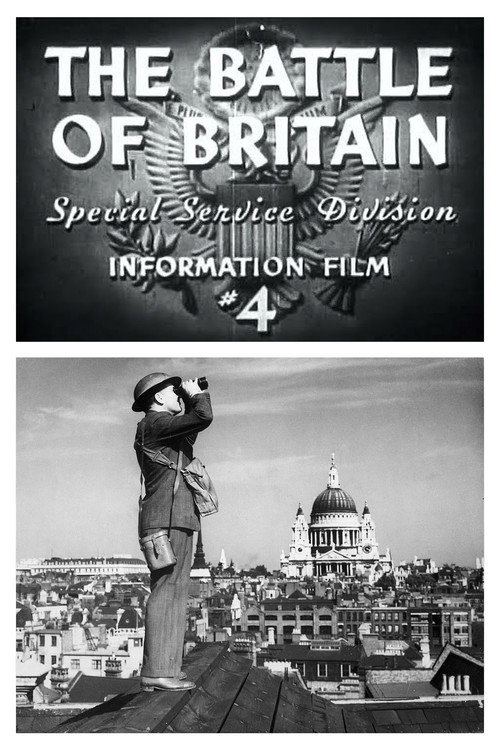
Why We Fight: The Battle of Britain1943
Another Capra-era documentary about standing against fascism, but focused on the RAF's actual aerial combat. Thrilling, specific, and made while the war was still being won—the stakes feel real.
But Less polished and philosophical than Prelude to War. More technical, less sweeping. Some find it dry.
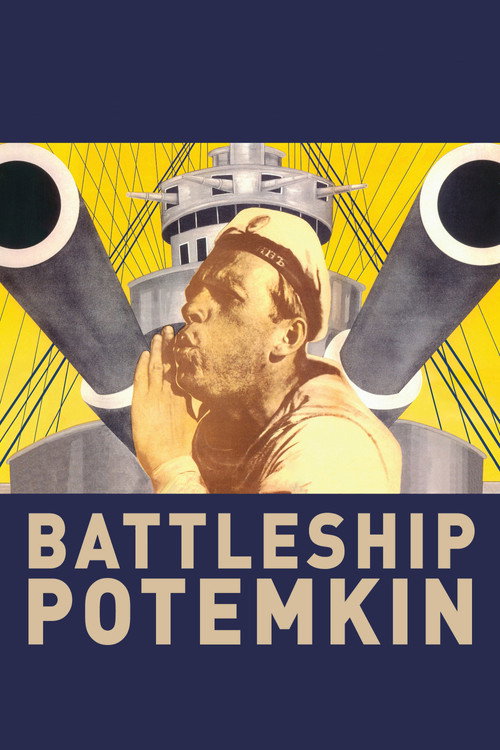
Battleship Potemkin1925
Eisenstein's revolution-era masterpiece about rebellion against tyranny. The montage techniques Capra uses here were pioneered by Eisenstein. Understanding the lineage deepens both films.
But Silent, formally experimental, and motivated by Soviet rather than American ideology. It's a ancestors' film, not a contemporary one. Requires patience.
Not sure tonight? Get a pick in a minute, starting from Why We Fight: Prelude to War
The wildcard
Something you would not have found on your own.
Come and See1985
Prelude makes the argument for sacrifice in the abstract. Come and See shows you the sacrifice itself, in the bodies of children. Together they're the full conversation about what war actually is versus what nations tell you it is.
Elem Klimov's Belarusian film about a teenage boy conscripted into the Soviet army during the Nazi invasion. It's the answer to Prelude to War's noble abstractions: here's what actually happens to the people you're asking to fight. Unbearably powerful, utterly necessary.
But It's a two-hour ordeal. Apocalyptic, dehumanizing, and structurally designed to break you. Not a film to 'enjoy.' Many cannot finish it. If Prelude is the case for war, this is the cost.

More like this (6)
The Best Years of Our Lives1946
William Wyler's three-hour epic about what American soldiers came home to. Made shortly after the war ended, it shows what the fight was actually for—not abstractions, but the texture of home.
But It's long, slow, and emotionally heavy. The melodrama can feel dated. Some viewers find postwar domestic drama less gripping than wartime suspense.

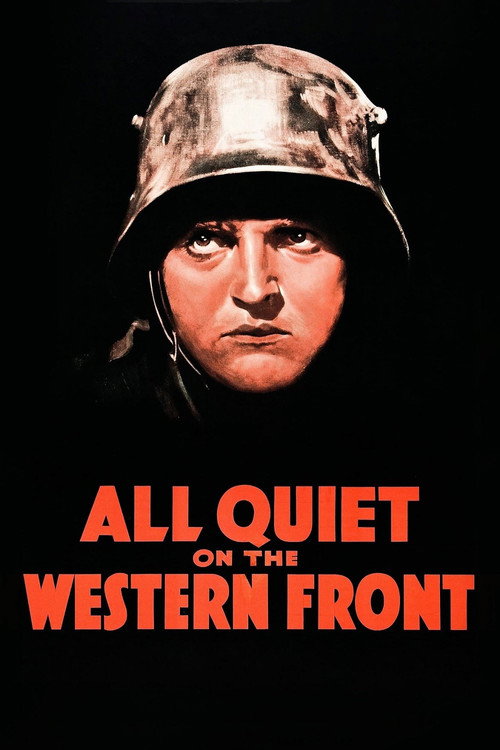
All Quiet on the Western Front1930
Lewis Milestone's German antiwar classic predates WWII and argues against all nationalism and military glory. It's what Prelude to War had to argue *against*—the pacifist position that made the 1930s so difficult.
But It's bleak, repetitive, and offers no heroic consolation. The specific tragedy of WWI can feel historically distant now. Some find it punishing rather than clarifying.
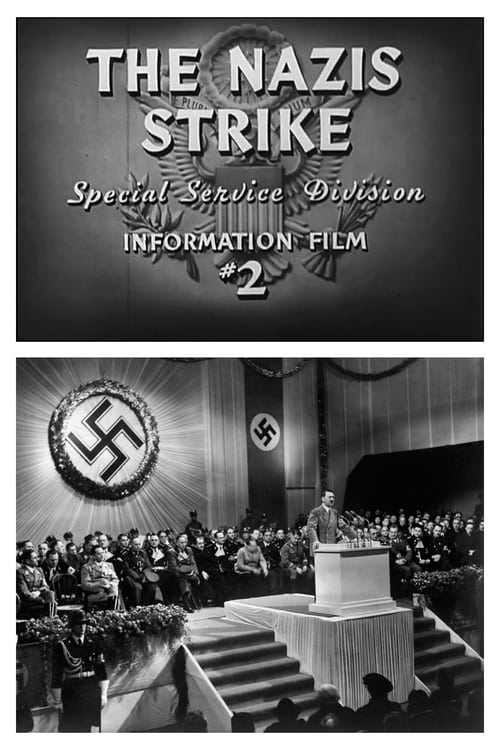
Why We Fight: The Nazis Strike1943
The second film in Capra's series, deepening the argument with more detail about German aggression. If Prelude hooks you, this pushes further into the weeds of geopolitics and strategy.
But It covers much of the same ground as the first film. Repeats can feel repetitive. Less novelty for viewers who've already seen Prelude.
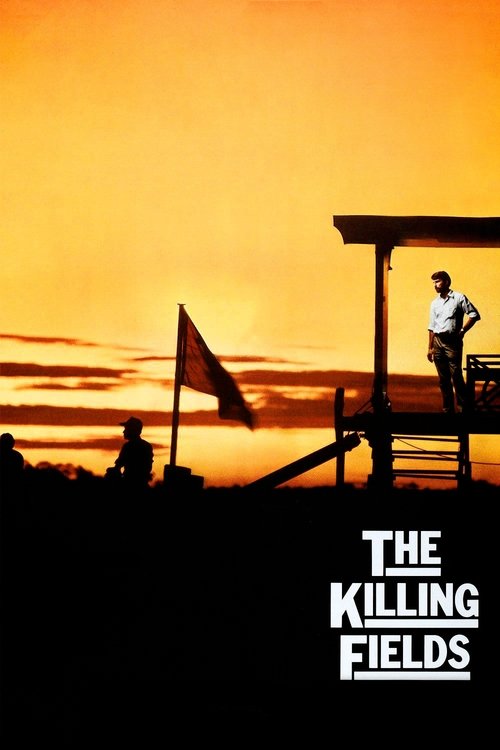
The Killing Fields1984
Roland Joffé's account of the Cambodian genocide—a modern film that reminds you why anti-totalitarian arguments still matter. It's Prelude's warnings made flesh, decades later, in a different place.
But Graphically brutal and deeply depressing. Made as recent history, not distant propaganda. Some find it too vivid, too immediate to process comfortably.
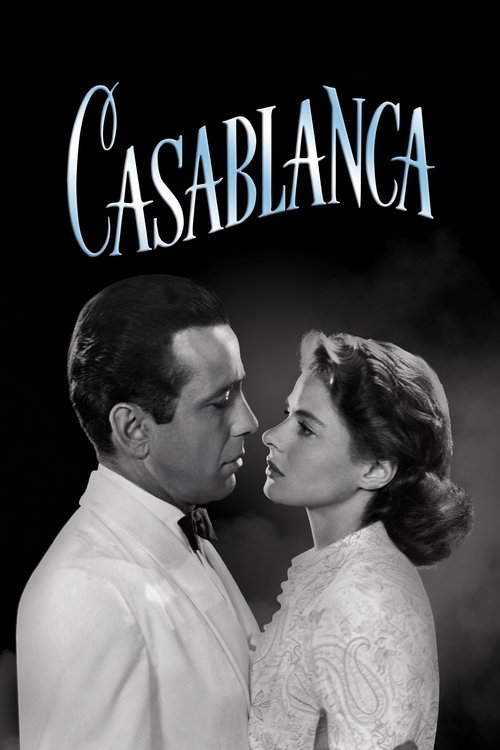
Casablanca1943
Released the same year as Prelude to War, it's the other side of the argument: not abstract civic duty, but why ordinary people choose sides. Bogart choosing the Resistance over love—that's Prelude as drama.
But It's a romance first, a war film second. If you want argument rather than story, the emotional plot can feel like it's dodging the point.
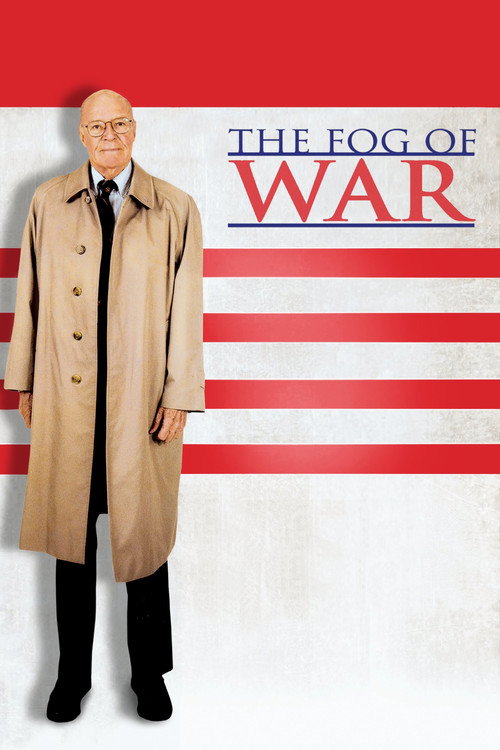
The Fog of War2003
Errol Morris's documentary of Robert McNamara reflecting on WWII strategy and Vietnam. It's a late-career reckoning with the kind of thinking Capra was promoting—asking whether those decisions held up.
But Abstract, philosophical, sometimes rambling. Morris's style is mannered and not for everyone. Some find it self-important and wish it were more direct.
People
Cast
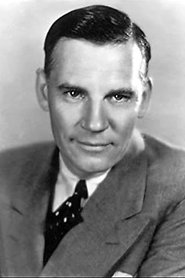 Walter HustonSelf - Narrator (voice)
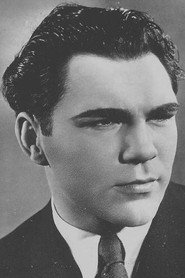 Max SchmelingSelf - German paratrooper (archive footage)
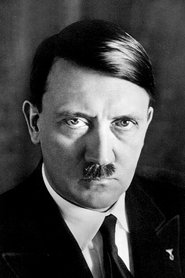 Adolf HitlerSelf
Directing
- Anatole LitvakDirector
- Frank CapraDirector
Production
- Anatole LitvakAssociate Producer
Recommended by
Starship Troopers, Captain America: The First Avenger, Why We Fight: The Battle of Britain, Why We Fight: The Battle of China, The Fighting Lady