
Film
Why We Fight: The Battle of Britain
Frank Capra's 1943 wartime documentary focuses on Germany's bombing campaign against Britain and the failed invasion plan that followed. Made for American audiences, it assembles newsreel footage, maps, and narration into an urgent case for Allied victory. Gripping as propaganda, fascinating as history, and surprisingly sophisticated in how it marshals emotion and argument.
Should you watch it?
Watch it if you love wartime propaganda as a historical artifact, the way official films argued with their audience, mixing newsreel footage, maps and stern narration to rally a nation.
Skip it if you want a dramatic story with characters you follow, since this is a 53-minute argument built from archive footage and a narrator who speaks for the whole film.
What it asks of you: It asks for close attention to rhetoric rather than emotion, sitting through one hour of brisk, unsubtle persuasion with the patience to notice how it is put together.
Not sure? Find tonight's pick in a minute.
If you liked this
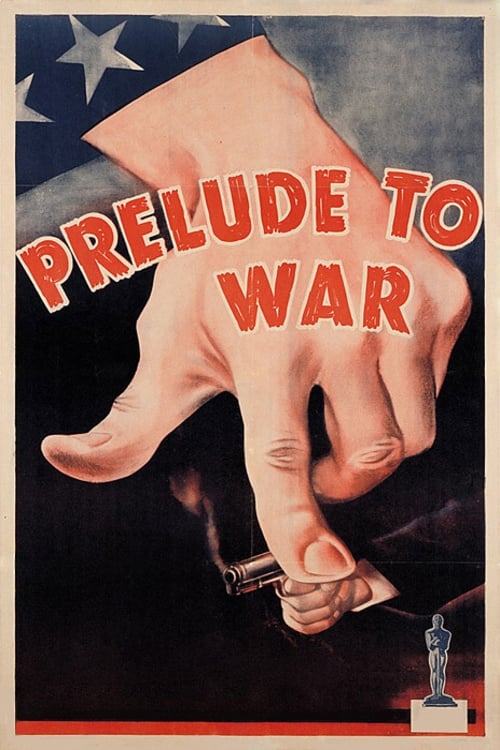
Why We Fight: Prelude to War1942
The first film in Capra's series, establishing the entire framework. It traces the rise of fascism with the same visual clarity and moral certainty, making this one's themes click into place. Essential context.
But Propaganda this direct can feel didactic and dated. The editing is relentless, designed to *convince* you rather than invite you to think, which some find exhausting.
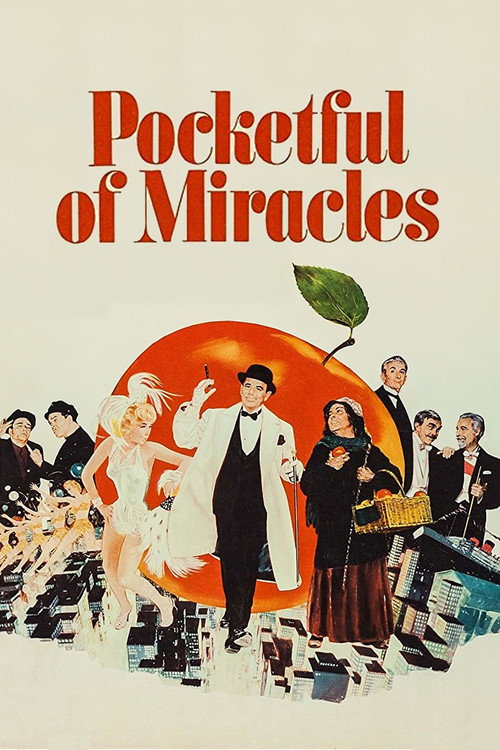
Pocketful of Miracles1961
Capra's last feature and a surprising joy—sentimental, funny, and full of warmth about ordinary people helping each other. Completely different in tone but shares his faith in human decency and community.
But It's sugary. If you can't abide sentiment, Glenn Ford and Bette Davis in a gently comedic crime story won't convert you.
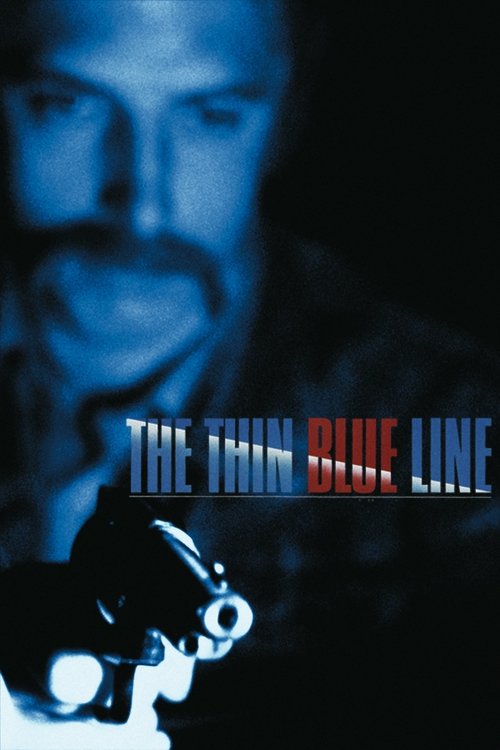
The Thin Blue Line1988
Errol Morris's documentary about a wrongful murder conviction uses archival material and animation with surgical precision to rebuild a crime. Like Capra, it trusts montage and evidence to make an argument, but here the stakes are one man's life.
But It's a legal procedural, not a war story. If you want spectacle rather than investigation, it will feel slow and cerebral.
Not sure tonight? Get a pick in a minute, starting from Why We Fight: The Battle of Britain
The wildcard
Something you would not have found on your own.
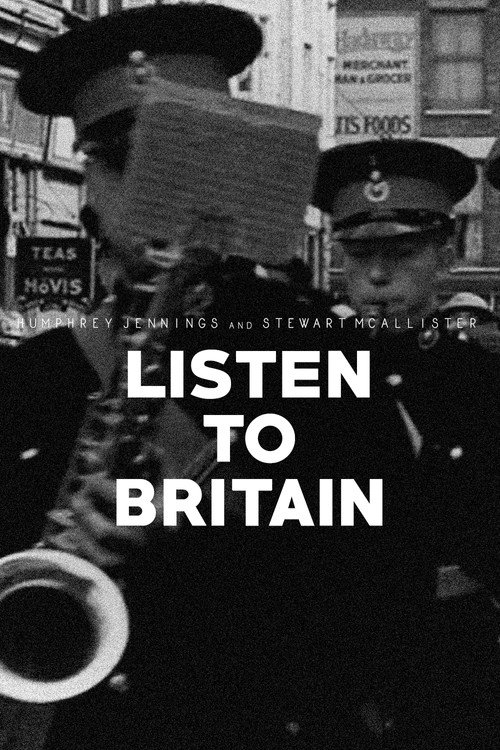
Listen to Britain1942
Both made for wartime American and British audiences about the British war effort, but Jennings trusted poetry and mood over persuasion—the inverse of Capra's direct address.
Humphrey Jennings's 19-minute film captures wartime Britain through sound and image with almost no narration—birdsong, factory work, music hall, military training, ordinary life under strain. It's lyrical where Capra is rhetorical, showing rather than telling.
But Barely twenty minutes and barely a plot. If you need narrative drive or explicit argument, this will feel formless and slow.
More like this (7)
Night and Fog1956
Alain Resnais's 30-minute essay on the Nazi concentration camps is the definitive testimony. Archival footage, colour cinematography of the empty camps, and Jean Cayrol's narration create something unbearably powerful.
But It documents the Holocaust. This is not entertainment. It requires you to bear witness to atrocity.
The World at War1973
Thames Television's 26-episode documentary series remains unsurpassed. Made by people who'd lived through the war, it uses firsthand testimony and rare footage to tell the entire Second World War story with clarity and depth.
But It's a commitment—26 hours. You cannot dip in casually. And the pacing, while authoritative, belongs to 1970s television, not streaming-era brevity.
Dunkirk2017
Nolan's film captures the escape from Dunkirk with formal brilliance—three timelines, no wasted frame, sound design that puts you in the chaos. It's the opposite of Capra's approach but equally compelling about the same war.
But It's deliberately fractured and demanding. If you want a straightforward narrative, the puzzle-box structure will frustrate you.
Come and See1985
Elem Klimov's Soviet film follows a teenage partisan during the German invasion of Belarus. It's visceral, hallucinatory, and utterly unlike any war film you've seen—the opposite of distant documentary observation.
But It's genuinely traumatic. This is not reflective or safe. The violence and horror are unbuffered and will stay with you.

Shoah1985
Claude Lanzmann's 9.5-hour documentary interviews survivors and perpetrators, with no archival footage—just testimony and silence. It redefines what documentary can do and achieve by its very refusal of the easy image.
But Nearly ten hours of people talking. No music, no visual relief, no narrative arc. This tests patience as rigorously as it tests understanding.
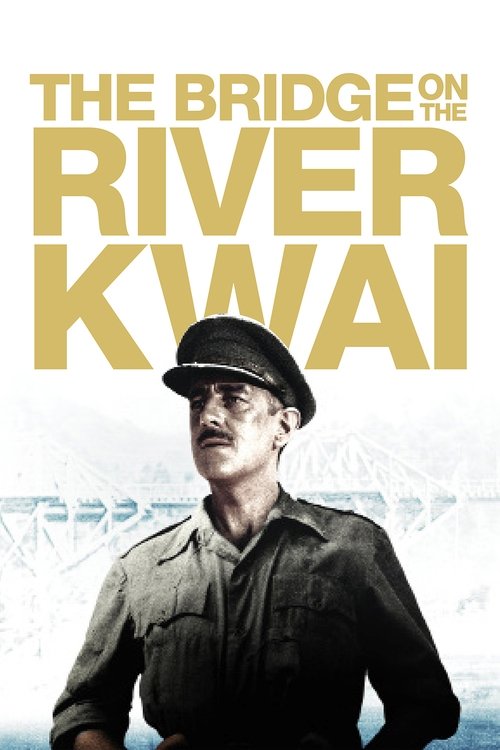
The Bridge on the River Kwai1957
David Lean's epic is a masterpiece of suspense and moral ambiguity. A British POW camp commander becomes obsessed with building a bridge perfectly, blurring duty, madness, and collaboration in ways far subtler than propaganda allows.
But At over two and a half hours and made for 1950s cinema, it moves at a pace that can feel stately. The politics are also complicated in ways some find troubling.
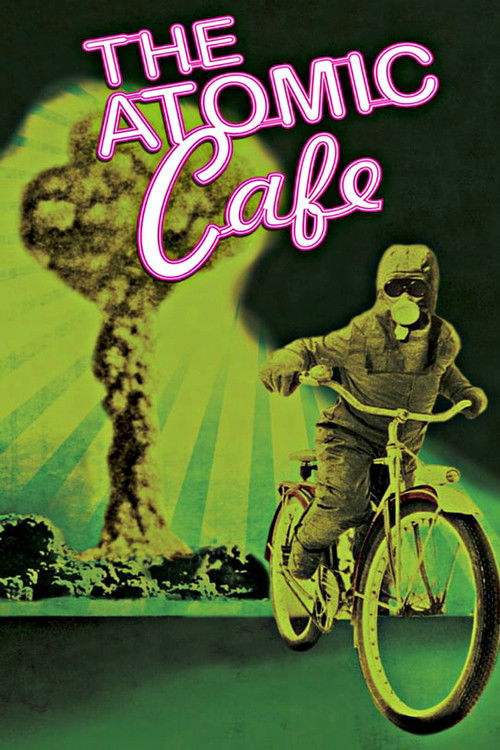
The Atomic Cafe1982
Like Capra, it uses found footage and narration to shape argument, but it deconstructs propaganda rather than deploying it—asking what the machinery of persuasion reveals when turned back on itself.
Kevin Rafferty and Jayne Loader's documentary about Cold War atomic anxiety is constructed entirely from government films, newsreels, and educational shorts. It's deadpan, unsettling, and brilliantly funny—propaganda examined by juxtaposing more propaganda.
But The humour is pitch-black and the politics are vertiginous. If you need clarity rather than discomfort, the film's method will seem cynical and muddled.
People
Cast
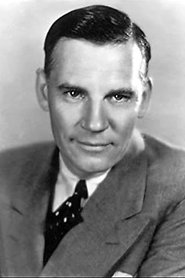 Walter HustonNarrator
 Frieda InescortNarrator
- John B. HughesNarrator
Directing
- Anthony VeillerDirector
- Frank CapraDirector