
Film
The Fighting Lady
A 1944 wartime documentary following a newly built American aircraft carrier and its pilots into combat against Japan. Directed by William Wyler and shot in actual combat zones by Navy photographers, it's a visceral record of naval warfare in the Pacific—tense, authentic, and urgent. For anyone interested in WWII history, documentary filmmaking, or how wars were documented in real time.
If you liked this
December 7th1943
Frank Capra's propaganda documentary about Pearl Harbor, shot partly in color, combines newsreel footage with dramatization. It's the companion piece to *The Fighting Lady*—both shaped how Americans understood the Pacific War.
But The messaging is unabashedly propagandistic and the dramatic sequences feel stagey by modern standards.
The War Lord1965
Ken Burns' sprawling documentary series uses archival footage, letters, and photographs to construct an intimate portrait of WWII. It shares *The Fighting Lady*'s commitment to showing the war through soldiers' eyes.
But Eighteen hours is a significant commitment, and the pacing is meditative rather than cinematic.
The Memphis Belle1944
Another Wyler wartime documentary, this one following a B-17 bomber crew over Germany in color. It has the same immediacy and technical brilliance as *The Fighting Lady*, plus remarkable aerial photography.
But At 43 minutes, it's very short, and combat footage can feel repetitive if you're not invested in the technical details.
Not sure tonight? Get a pick in a minute, starting from The Fighting Lady
The wildcard
Something you would not have found on your own.
The Dam Busters1955
Both films treat military operations as technical problems requiring mastery and courage. Both show soldiers as professionals executing plans, not heroes stumbling through chaos.
A British dramatization of Operation Chastise, shot with technical precision and a documentary-like attention to procedure. Like *The Fighting Lady*, it shows warfare as engineering, logistics, and split-second decisions under fire.
But It's a British production made a decade later, so the perspective and emotional register are quite different from American wartime propaganda.
More like this (6)
Objective, Burma!1945
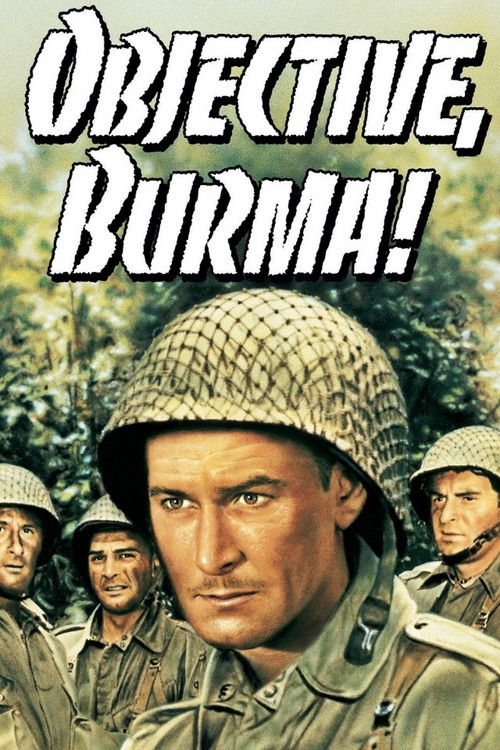
Raoul Walsh's combat film follows soldiers through a brutal campaign, mixing newsreel-style realism with character drama. It has the urgency of wartime filmmaking that *The Fighting Lady* shares.
But Some sequences are reconstructed rather than documentary, and the pacing occasionally lurches.
The Battle of San Pietro1945
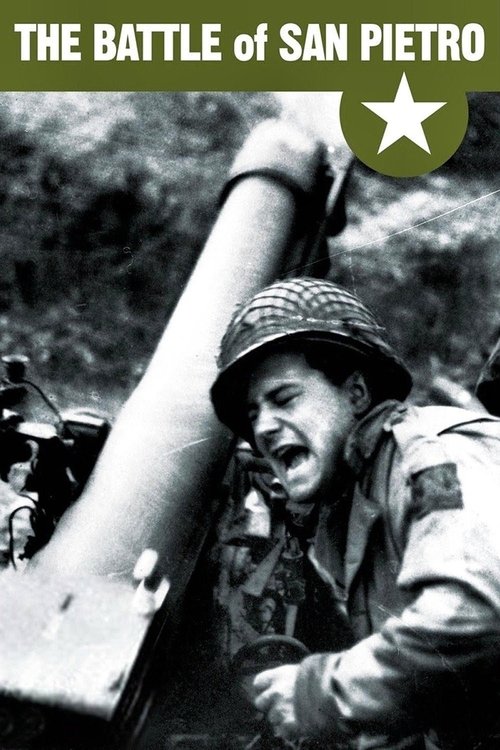
John Huston's Army Signal Corps documentary shows the human cost of the Italian campaign through unflinching footage of combat and casualties. It's more psychologically complex than most wartime documentaries.
But It's bleak and unsparing, and some viewers may find it too graphic even by modern standards.
Why We Fight: Prelude to War1942
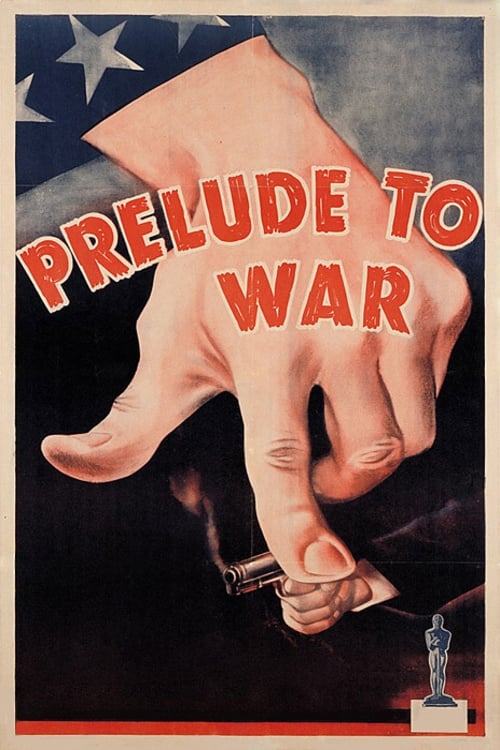
Frank Capra's first propaganda film uses animation, newsreel, and editing to explain the roots of the war. It's a window into how documentarians framed the conflict for American audiences.
But The rhetorical strategy is obvious and sometimes crude, and it hasn't aged gracefully as cinema.
Hellcats of the Navy1957
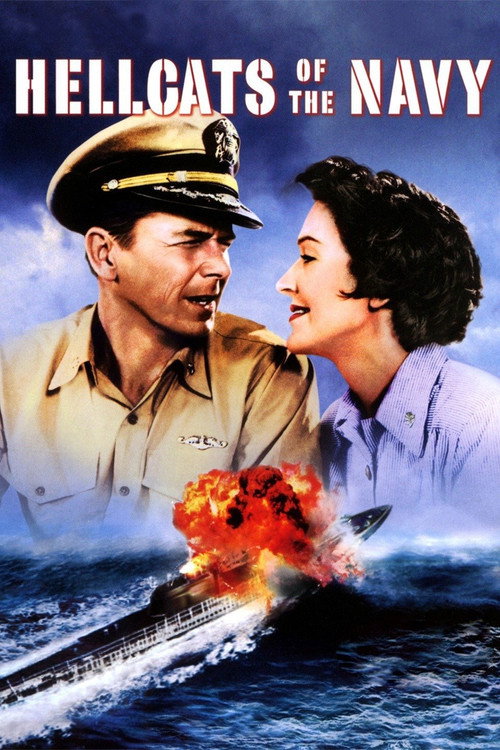
Ronald Reagan and Nancy Davis star in this submarine warfare drama. It's a Cold War-era fictional spin on the same theaters *The Fighting Lady* documented.
But It's a B-movie with creaky plotting, and the romance subplot sits awkwardly against the war action.
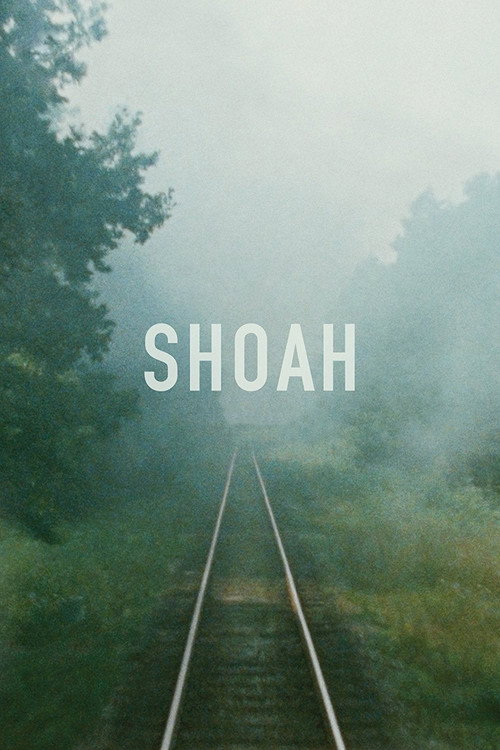
Shoah1985
Both are documentaries made by filmmakers determined to show what happened without fictional mediation. Both believe the camera's presence and the witness's voice are enough.
Claude Lanzmann's nine-hour Holocaust documentary uses interviews and archival material to construct testimony. It represents the opposite pole of *The Fighting Lady*—slow, patient, reflective—but shares the commitment to bearing witness through film.
But It is extremely long, emotionally demanding, and focused on atrocity rather than military action, making it a very different experience.
Come and See1985
Both present combat as an overwhelming sensory and moral experience. Both refuse to beautify or sentimentalize what they show. Both ask the viewer to witness without looking away.
Elem Klimov's Soviet film follows a teenage partisan through the devastating war on the Eastern Front. It has the visceral, unblinking quality of *The Fighting Lady*—you are watching something real and terrible unfold.
But It's in Russian, extremely brutal, and psychologically punishing. The style is expressionistic rather than documentary, which may feel jarring if you're expecting reportage.

People
Cast
 Charles BoyerNarrator (French version)
 Robert TaylorNarrator
- John S. McCainHimself
- Joesph J. ClarkHimself (as Jocko)
- Dixie KieferHimself (as Dixie)
Directing
- Edward SteichenDirector
- William WylerDirector
Writing
- Eugene LingWriter
- John S. MartinWriter