
Film
Why We Fight: The Nazis Strike
Frank Capra's 1943 wartime documentary traces the ideological and military roots of Nazi Germany from Bismarck forward, arguing that aggressive expansionism was baked into German state-building itself. It's didactic, urgent, and shaped by wartime conviction—designed to convince Americans why their sacrifice mattered. Essential viewing for understanding how official narrative gets constructed, and how persuasion worked when the stakes felt existential.
If you liked this
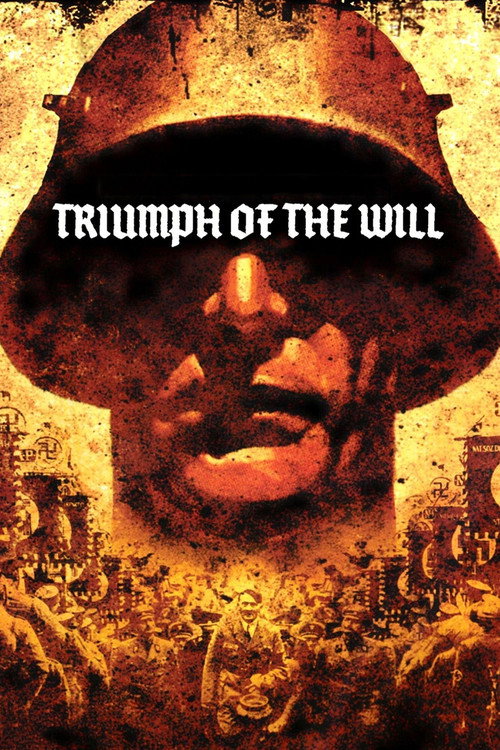
Triumph of the Will1935
Leni Riefenstahl's infamous Nazi spectacle documentary, made on the other side. Watching both reveals how the same machinery—editing, music, framing—manufactures consent for opposed causes. Essential for understanding propaganda as technique.
But Deeply uncomfortable. You're watching the enemy's own vision of itself, which means confronting genuine artistry in service of atrocity. Some find that complicity harder to stomach than outright polemic.
The Fog of War2003
Errol Morris interviews Robert McNamara about Cold War decision-making and the gap between intention and outcome. Like Capra, it shows how nations justify themselves—but with the weight of retrospect, doubt, and a witness who lived the consequences.
But Slow and conversational. The power is in nuance and silence, not montage and momentum. If you want action, this isn't it.

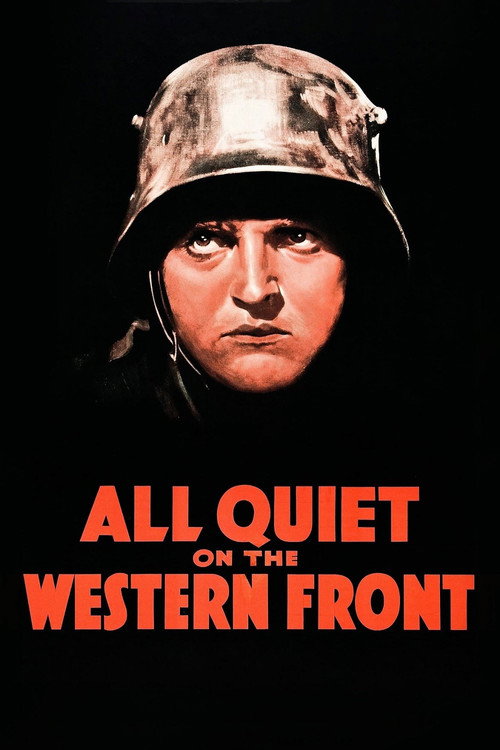
All Quiet on the Western Front1930
A fictional counterweight: the First World War from a German soldier's perspective, showing how ordinary men got fed into the machine. It offers the human cost that Capra's geopolitical analysis doesn't touch, and explains why some were vulnerable to Nazi promises.
But Bleak and repetitive by design. The horror becomes almost abstract through accumulation. Some viewers find that effect numbing rather than powerful.
Not sure tonight? Get a pick in a minute, starting from Why We Fight: The Nazis Strike
The wildcard
Something you would not have found on your own.
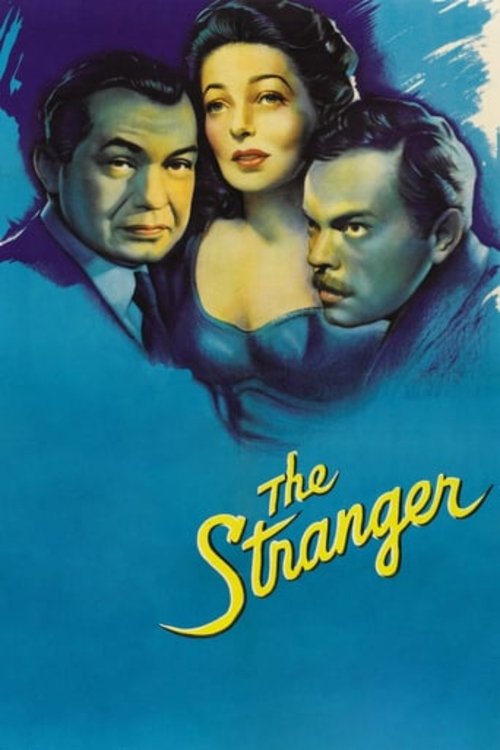
The Stranger1946
Both use cinema to argue that fascism is a spiritual and structural corruption, not just a military threat—and both believe ordinary people need to *see* it to understand it.
Orson Welles' film about a Nazi war criminal hiding in small-town Connecticut. Where Capra built an external case for war, Welles shows what happens when that enemy is *inside*—a paranoid, architectural thriller that's also a meditation on the impossibility of hiding or moving on. It's the domestic shadow of Capra's geopolitics.
But It's a B-movie thriller underneath, not a documentary. The plotting is sometimes clunky and it lacks the moral weight of more serious treatments. Also: Welles' direction is uneven here—he was on his way out.
More like this (6)
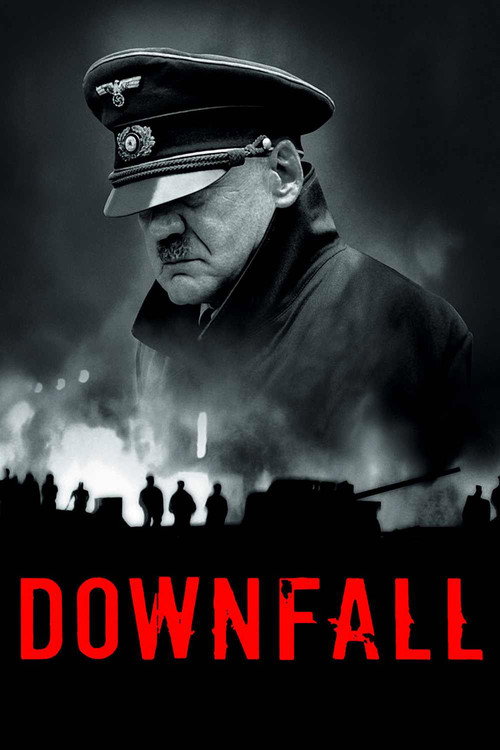
Downfall2004
A German film about Hitler's final days, made with unflinching sobriety. It complicates the enemy narrative by showing the bunker as a place of fractured people and failed humanity, not cartoon evil—which makes the stakes feel more real than any polemic.
But Sympathetic portrayal of Nazi figures makes some uncomfortable. It refuses simple moral categories, which can feel like a dodge if you're not ready for that ambiguity.
The Act of Killing2012
A documentary about Indonesian mass murderers who've never been tried, asked to recreate their own killings. It's about propaganda, memory, and how perpetrators narrate themselves—a mirror-image inquiry into how stories get told and what happens when they go unchallenged.
But Genuinely disturbing and morally queasy. You watch men mime atrocities with pride. It asks hard questions about complicity and witnessing, and there's no comfortable position in that room.

Come and See1985
Elem Klimov's Soviet-Belarusian war film follows a boy recruited into the Red Army. It's the antithesis of propaganda—a howl of grief and nihilism that shows what war actually does to the human spirit, in images you won't forget.
But Violently disturbing. Not in a sensational way—in a soul-scraping way. It's one of the hardest films ever made. Watch only if you're prepared to be genuinely shaken.

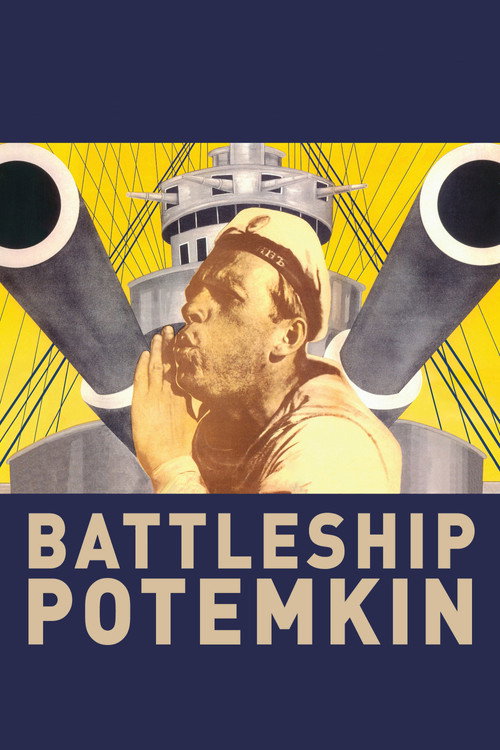
Battleship Potemkin1925
Eisenstein's Soviet montage classic, made as propaganda for the revolution. It shares Capra's belief in cinema's power to shape thought, but through pure visual rhythm rather than argument. Technically astounding and historically crucial.
But The politics are heavy-handed and the pacing feels antiquated now. If you need narrative momentum or character development, this will frustrate you—it's pure ideology dressed as spectacle.
Grave of the Fireflies1988
Both are *about* how to make people understand a war they didn't live through, but Takahata inverts Capra's faith in argument and propaganda—he argues that only feeling, not reasoning, gets you to the truth.
Isao Takahata's animated film about two Japanese children surviving the firebombing of Tokyo. It's a wartime documentary of sorts—meticulous and real—but told through animation and from the Japanese civilian perspective. It does what Capra didn't: it lets you grieve the people on the 'other side,' without forgiving anything.
But Devastating. It's beautiful and will destroy you. If you're watching this for historical clarity rather than emotional reckoning, the film's power might feel manipulative rather than clarifying.

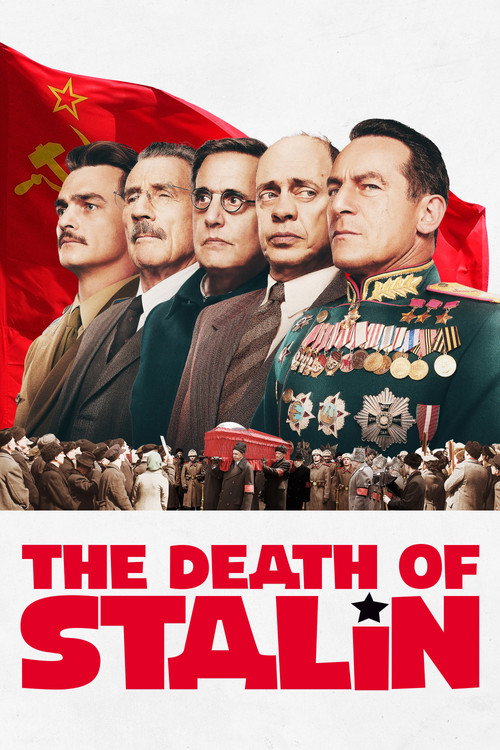
The Death of Stalin2017
Both use cinema as an argument about power and belief, but Iannucci shows what happens when you're *inside* the machine making the propaganda—when the people persuading you are as trapped as the people watching.
Armando Iannucci's black-and-white Soviet power-struggle comedy made after Capra's death. It's a propaganda-film parody that shows how 'Why We Fight' rhetoric works on the inside too—how state machinery manufactures myth and narrative, often absurdly. It's Capra's argument about persuasion, but weaponized against itself.
But Satirical and cynical in ways that might feel flippant about totalitarianism. Also: formally strange and tonally volatile. If you want to feel moved by moral clarity, this will feel like a dodge.
People
Cast

 Walter HustonNarrator
Directing
- Anatole LitvakDirector
- Frank CapraDirector