
Film
The Stranger
Other titles called The Stranger: the 1967 film, the 2014 film, the 2020 series (Quibi).
A taut post-war thriller about a War Crimes investigator tracking a Nazi war criminal hiding as a small-town professor in Connecticut. Orson Welles directs and plays against type as a sinister intellectual, while Edward G. Robinson pursues him with quiet determination. It's lean, efficient storytelling—no excess, just the slow tightening of suspicion. For anyone who loves vintage spy craft and moral reckoning.
Should you watch it?
Watch it if you enjoy a slow-burning hunt where suspicion creeps through an ordinary town and every polite smile carries a little dread, the way classic noir builds menace from quiet rooms.
Skip it if you want modern pacing or a fast plot; this one lingers over conversations and atmosphere, and its 1940s studio polish can feel stagey to viewers used to tighter edits.
What it asks of you: Under ninety-six minutes, it asks for patience with dialogue-heavy scenes and a willingness to sit with mounting unease rather than waiting for big set pieces.
Not sure? Find tonight's pick in a minute.
If you liked this
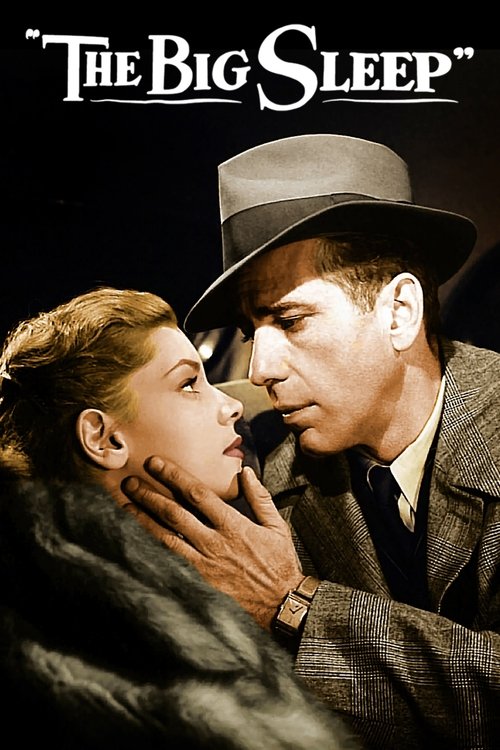
The Big Sleep1946
Released the same year, this Bogart-Bacall classic has the same post-war sensibility and atmospheric noir tension. A private investigator navigates corruption and hidden motives with style and danger lurking beneath every conversation.
But The plot is genuinely confusing—even the filmmakers disagreed on who killed whom. If you need clarity, you'll be frustrated.
The Killers1946
Another 1946 gem with Burt Lancaster: a boxer's death unravels into past sins and betrayal. It has the same sense of reckoning with the past and the same fatalistic inevitability that haunts The Stranger.
But It's elliptical and jumps in time. Casual viewers expecting a straightforward crime story will find it disorienting.

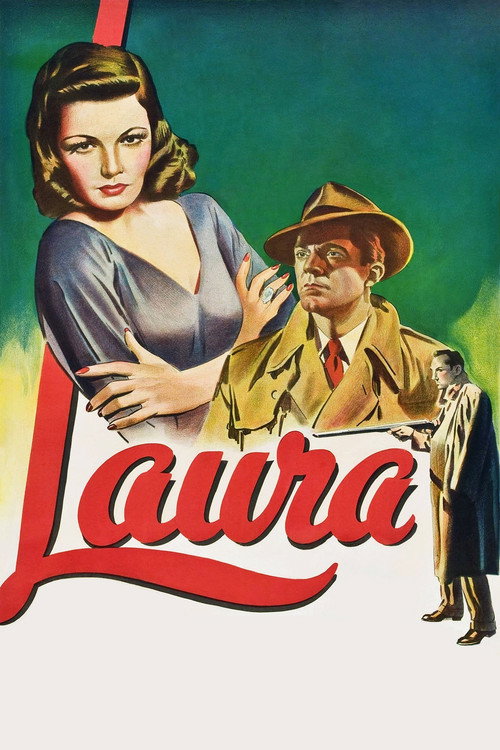
Laura1944
A detective investigating a murder discovers obsession and deception in the city's upper reaches. The atmosphere is thick, the mystery rewarding, and the final twist lands perfectly. Pure noir craft.
But The pacing is deliberate—1940s deliberate. Some will find it slow; others will call it elegant.
Not sure tonight? Get a pick in a minute, starting from The Stranger
The wildcard
Something you would not have found on your own.
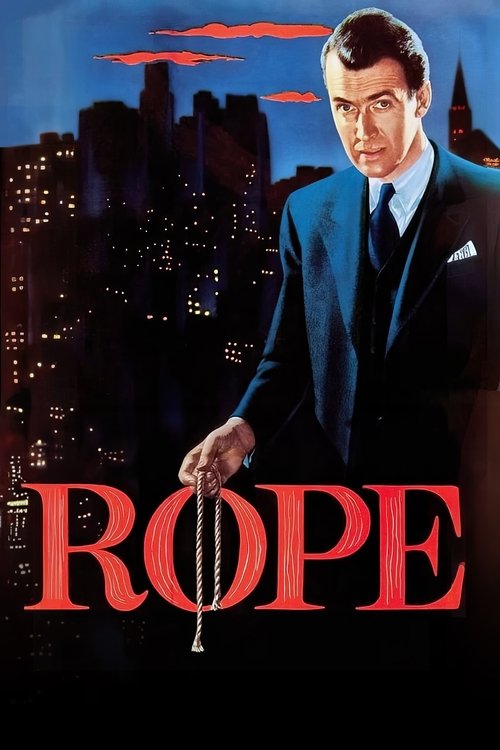
Rope1948
Both films hinge on a killer hiding in plain sight within a respectable facade. Rope traps you in the killer's space; The Stranger traps you in the pursuit. Both ask: how can evil be invisible?
Hitchcock's audacious two-hander about two men who murder a classmate and host a dinner party while his body hides in plain sight. It's a real-time chamber piece in a single apartment, building unbearable psychological tension.
But It's claustrophobic and theatrical—the entire film in one room with minimal cuts. The extreme artificiality of the staging may feel mannered rather than thrilling.
More like this (8)
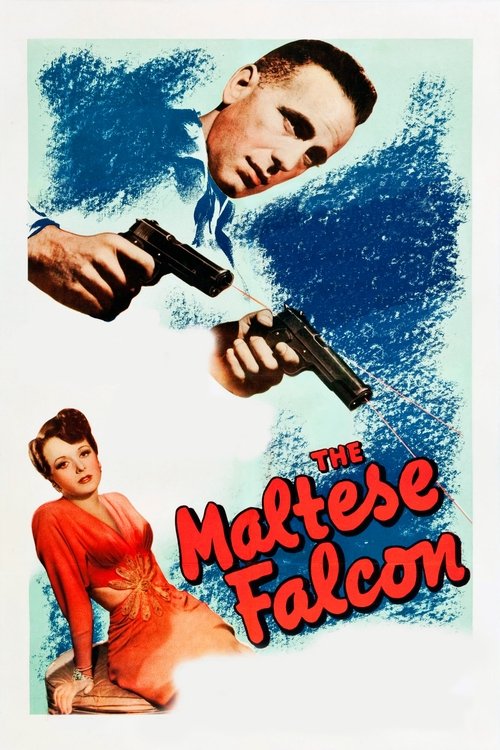
The Maltese Falcon1941
Bogart as a hard-boiled detective circled by criminals and liars. It has the same structure—a search through layers of deception—and the same moral clarity about who is dangerous and why.
But It's over eighty years old and shows its age visually. The plot hinges on a MacGuffin that's barely developed.
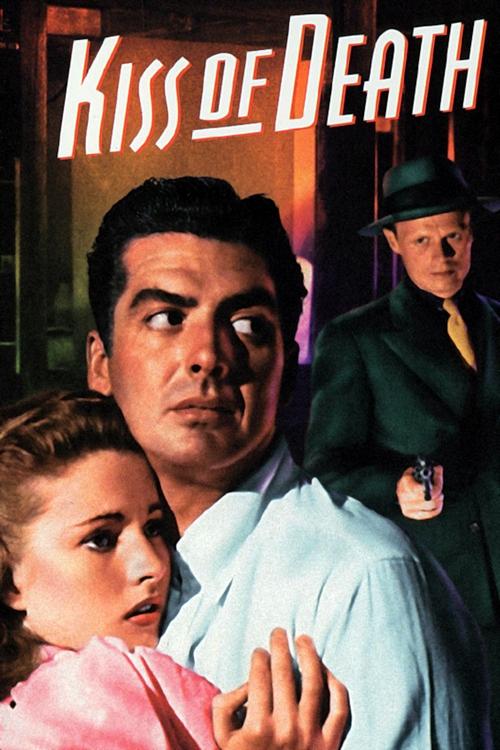
Kiss of Death1947
A gritty crime thriller about an informant caught between the law and the mob, with Richard Widmark's psychotic killer stealing every scene. It's ugly, honest, and utterly compelling.
But It's darker and more violent than The Stranger. The tone is brutalist; it doesn't offer comfort.
The Third Man1949
A masterpiece of post-war paranoia. An American in Vienna searches for a friend in a city carved into zones, where everyone is suspect and morality is negotiable. Welles appears here too, unforgettably.
But It's longer and more baroque than The Stranger. Some find it self-consciously artistic; others find the zither score irritating.

The Asphalt Jungle1950
A heist film that invented the template. Multiple perspectives, intricate planning, the slow collapse of a criminal scheme. It's methodical and absorbing, driven by character rather than spectacle.
But Very little shooting, lots of talking. Heist fans wanting action will be disappointed.

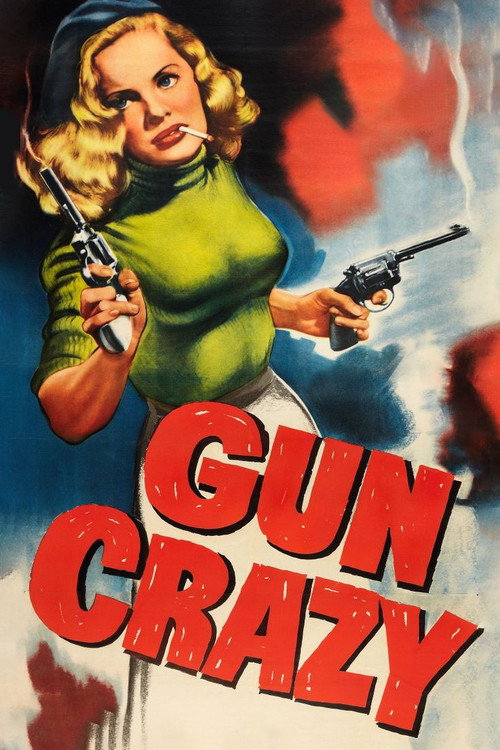
Gun Crazy1950
A bonnie-and-clyde-before-Bonnie-and-Clyde about two damaged people spiraling into crime. It's violent, intimate, and surprisingly modern in its psychology.
But It's genuinely bleak. There are no good people here, and the film doesn't ask you to like anyone.
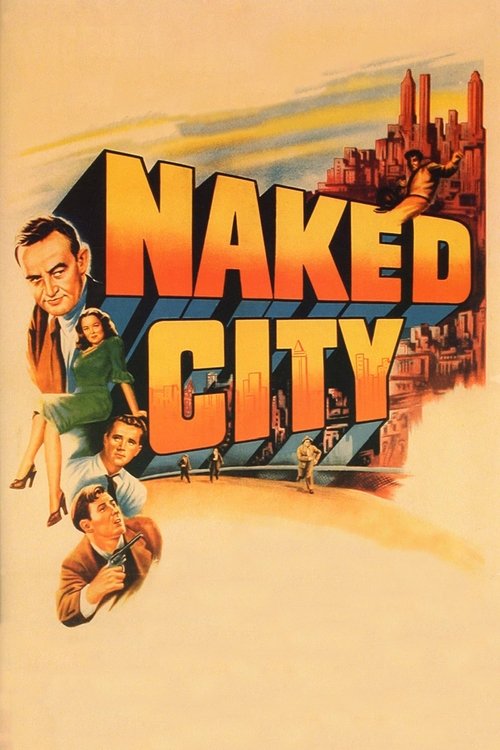
The Naked City1948
A police procedural shot on the streets of New York, following a homicide investigation through the city's underworld. It's documentary-like and immersive—you feel the place.
But It's slow and methodical. Modern audiences used to faster cutting will find it plodding.
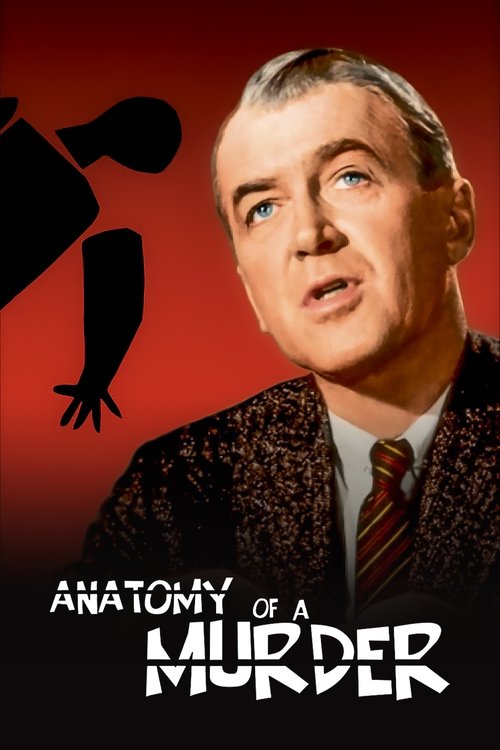
Anatomy of a Murder1959
Both are about the pursuit of a hidden criminal, but Anatomy goes deeper into motive and moral culpability. Where The Stranger asks 'where is he?', Anatomy asks 'what does guilt even mean?'
A sprawling courtroom drama about a lawyer defending a man accused of murder, where the investigation leads through moral ambiguity and competing truths. It's intelligent, witty, and wrestles with justice itself rather than mere plot resolution.
But It's nearly three hours, mostly dialogue, set in a small Michigan town. The central crime involves sexual assault, which some will find distressing; others will find the frank discussion dated.
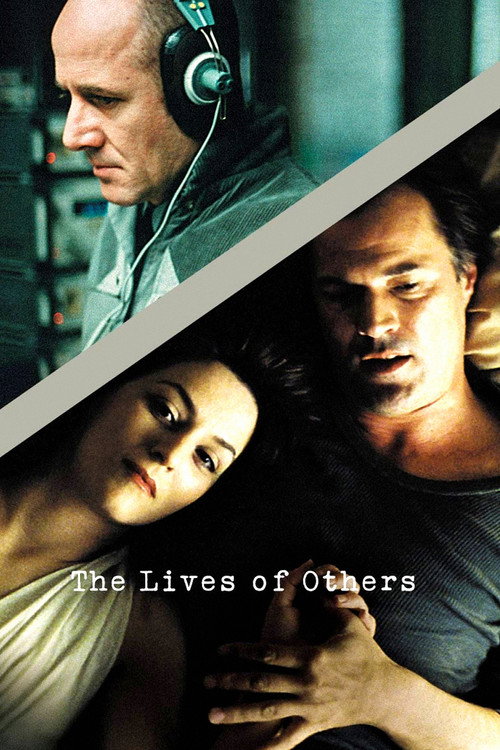
The Lives of Others2006
Like The Stranger, it's about a man tasked with hunting evil, but The Lives of Others reverses it: the hunter becomes humanized by proximity to his prey. Both explore whether evil corrupts those who pursue it.
A Stasi secret policeman is assigned to spy on a playwright and his girlfriend. As he listens to their intimate moments, his own conscience awakens. It's a masterpiece about surveillance, state power, and the possibility of moral redemption in an immoral system.
But It's in German with subtitles. It's slow and interior—the drama is often silent. The politics may feel distant if you have no investment in Cold War history.
People
Cast
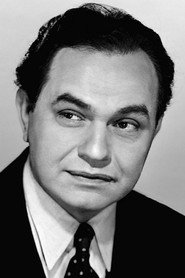 Edward G. RobinsonFederal Agent Wilson
 Loretta YoungMary Longstreet
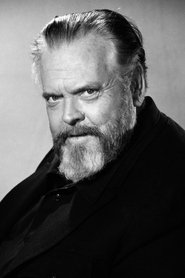 Orson WellesProf. Charles Rankin
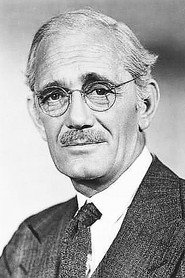 Philip MerivaleJudge Adam Longstreet
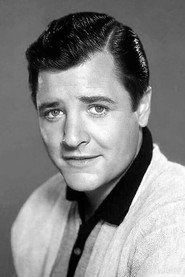 Richard LongNoah Longstreet
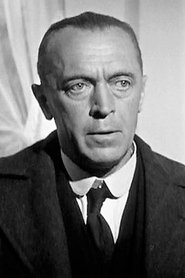 Konstantin ShayneKonrad Meinike
 Byron KeithDr. Jeffrey Lawrence
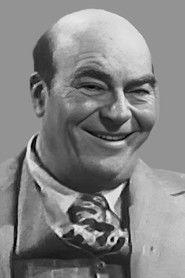 Billy HouseMr. Solomon Potter
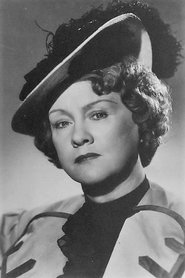 Martha WentworthSara
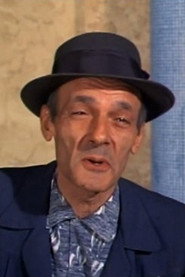 David BondStudent (uncredited)
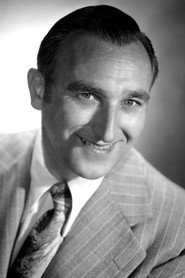 John BrownPassport Photographer (uncredited)
- Neal DoddMinister (uncredited)
Directing
- Jack VoglinAssistant Director
- Orson WellesDirector
Writing
- Decla DunningAdaptation
- Victor TrivasAdaptation
- John HustonCo-Writer
- Orson WellesCo-Writer
- Gladys HillDialogue
- Victor TrivasOriginal Story
- Anthony VeillerScreenplay
Production
- James C. PrattAssistant Production Manager
- John HustonProducer
- Sam SpiegelProducer
- Bernard McEveetyProduction Manager
Recommended by
Henry: Portrait of a Serial Killer, Dragonwyck, Why We Fight: The Nazis Strike, The Window, A Woman's Face, The Man They Could Not Hang, Conflict, The Night Visitor, Dear Murderer, The Seventh Sin, The Accused, I'll Be Seeing You, The Private Affairs of Bel Ami, The Franchise Affair, Shock, Cloak and Dagger, The Match King, Deadline at Dawn, Vigil in the Night, Internes Can't Take Money