
Film
Dear Murderer
A postwar British thriller about a husband who discovers his wife's infidelity and methodically plans what he believes is the perfect murder. It's a taut, cynical piece of noir that trades American city streets for London drawing rooms, all constraint and barely-suppressed rage. For fans of psychological crime drama who appreciate craft over spectacle.
Should you watch it?
Watch it if you enjoy postwar British thrillers built on talky, sly cat-and-mouse between a cuckolded husband and the police, where the fun is in watching a clever plan take shape.
Skip it if you need brisk suspense; this runs on slow, wordy scenes and a stiff, genteel tone more than on tension.
What it asks of you: Roughly ninety minutes, unhurried in its build, and it wants you to sit with the characters' quiet calculations rather than wait for big set pieces.
Not sure? Find tonight's pick in a minute.
If you liked this
Rope1948
Hitchcock's real-time chamber thriller about two men hiding a body. Confined spaces, intellectual arrogance, and mounting dread. If you loved the claustrophobia and moral rot in Dear Murderer, this takes the pressure even further.
But Filmed almost entirely in one room. For some viewers that constraint becomes monotonous rather than thrilling, especially across 80 minutes.

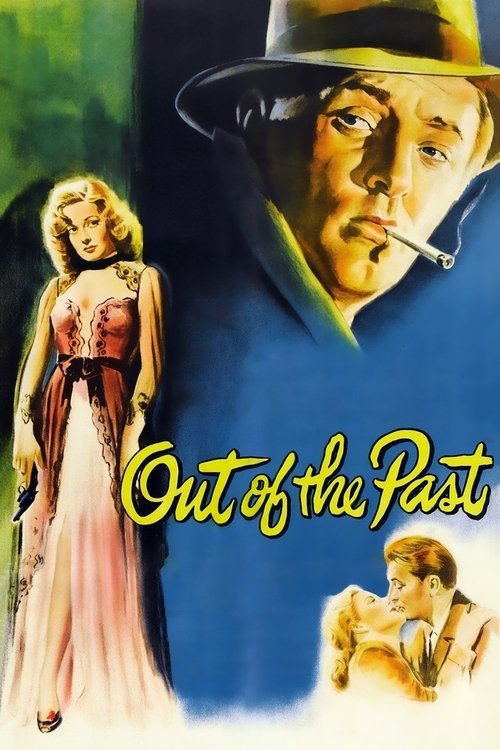
Out of the Past1947
The definitive American noir: betrayal, femme fatales, and a man caught in a web he can't escape. It has the same fatalistic worldview and exquisite cynicism about desire and deception that makes Dear Murderer so bitter.
But The plot turns on information withheld from the audience. Some find the narrative structure frustrating rather than elegant.
In a Lonely Place1950
A Hollywood noir about a volatile man suspected of murder, exploring whether he's actually guilty. It shares Dear Murderer's fascination with the gap between appearance and reality, and what violence lurks beneath polite surfaces.
But Bogart's character is genuinely difficult to like, which can make the film feel punishing rather than engaging.

Not sure tonight? Get a pick in a minute, starting from Dear Murderer
The wildcard
Something you would not have found on your own.
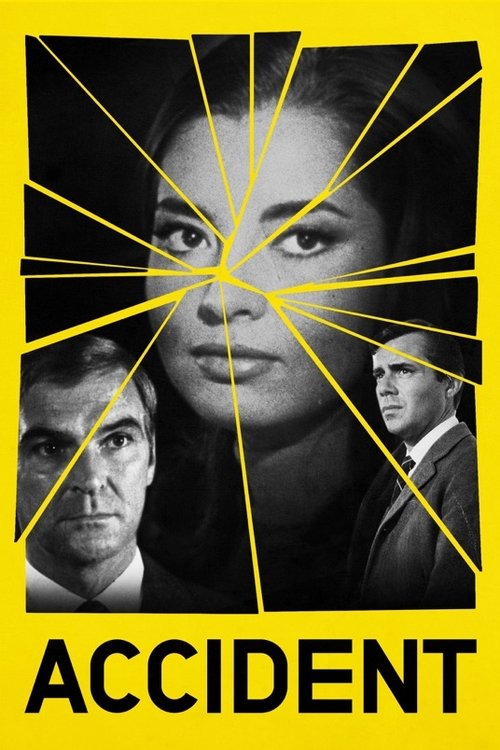
Accident1967
Both explore how educated, seemingly civilized men convince themselves their acts are rational. Both argue that intelligence is no shield against self-deception or ruin.
Joseph Losey's masterpiece about an Oxford don whose casual cruelties and intellectual games lead to catastrophe. It's Dear Murderer's moral universe—the assumption that clever people can contain and control consequences—but filmed in dreamy, Pinter-inflected slow-burn.
But It's oblique to the point of seeming cold, and the plot is deliberately buried. Viewers seeking clarity or conventional drama will find it infuriating.
More like this (8)
The Third Man1949
Post-war Vienna, moral ambiguity, a murder that isn't what it seems. Carol Reed's masterpiece has the same skepticism about justice and the same shadowy, corrupted world as Dear Murderer, but on a grander scale.
But It's methodical and baroque—some find it slow, and the zither score hasn't aged kindly for everyone.

The Asphalt Jungle1950
Huston's heist film that redefined crime cinema. Precise planning, moral decay, characters justifying their own crimes. The DNA is identical to Dear Murderer, just aimed at theft rather than murder.
But It's an ensemble piece, so no single character dominates. If you want one person's interior life, you won't find it here.

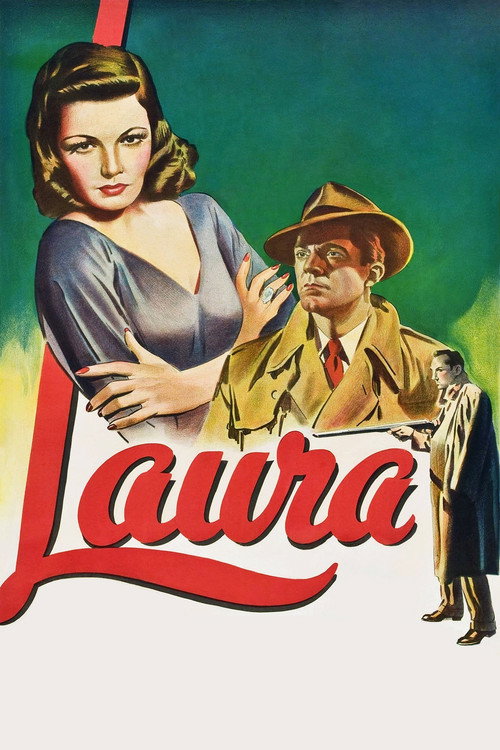
Laura1944
A detective investigating a murder discovers his suspect is alive—and he's already fallen for her photograph. Elegant, disorienting, obsessed with desire and deception. That same twisted logic at play.
But The twist depends partly on a gimmick that some viewers find contrived or dated.
The Killers1946
Two assassins arrive in a small town to kill a man; the rest is flashbacks unraveling why. It shares the postwar disillusionment and the idea that past crimes always catch up, just told backwards.
But The fractured timeline can feel choppy, and Burt Lancaster was less experienced then—some find him a weak center.

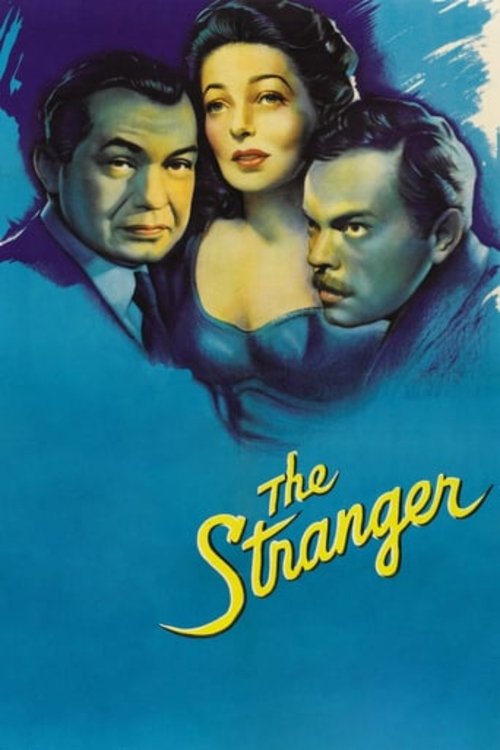
The Stranger1946
Orson Welles as a Nazi fugitive living a respectable American life. Paranoia, hidden identity, the rot beneath bourgeois normalcy. Same idea as Dear Murderer: what masks do ordinary people wear?
But Welles's direction is uneven, and the film loses momentum once the secret is revealed rather than deepening the tension.
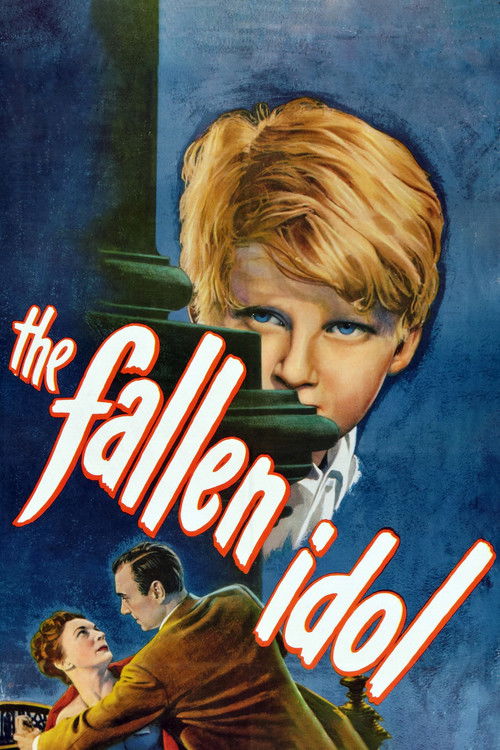
The Fallen Idol1948
A boy witnesses a death and misinterprets what he saw. Carol Reed again—another meditation on how perspective warps truth, how the innocent and guilty alike can seem damned. Quieter than Dear Murderer but kindred.
But It's slow and deliberately oblique. If you want narrative clarity, you'll spend the runtime frustrated.
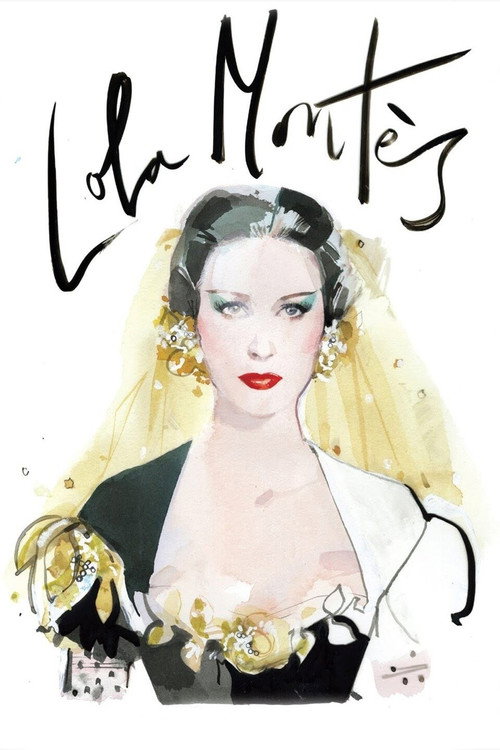
Lola Montès1955
Both are about the stories men tell themselves about women—and the damage those stories cause. Both use circular structure to suggest that people don't learn from their own betrayals.
Max Ophüls's melodramatic, visually sumptuous film about a courtesan and her lovers, told in fractured flashback. It shares Dear Murderer's obsession with betrayal and the gap between public surfaces and private rot, but through glamour and heartbreak rather than crime.
But It's gaudy, emotionally overwrought, and structurally dizzying. Viewers seeking restraint or psychological subtlety may find it exhausting.
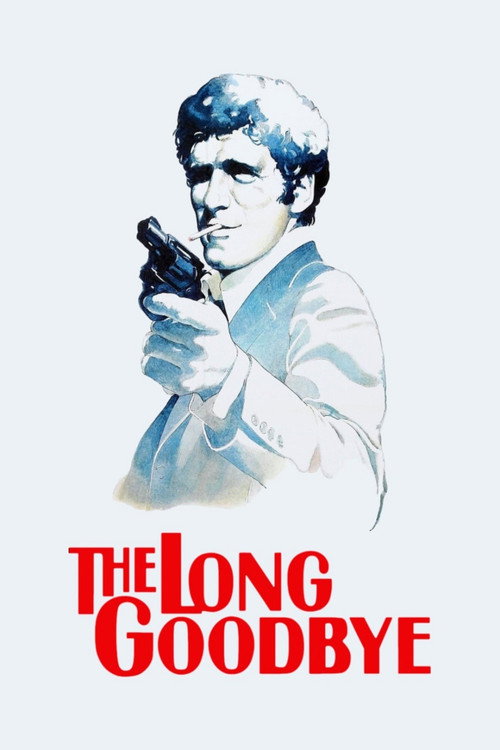
The Long Goodbye1973
Both feature men trying to solve murders and discovering the real crime is the way we betray those closest to us. Both argue that loyalty is more dangerous than guilt.
Robert Altman's weary, digressive Marlowe film—a man drawn into a friend's murder case in 1970s LA. It has Dear Murderer's skepticism about justice and guilt, but filtered through hangover-era confusion and the sense that the past always catches up wearing a new face.
But It's deliberately anti-climactic and ruminative. If you want a thriller to thrill, this will feel like watching someone wake up hungover.
People
Cast
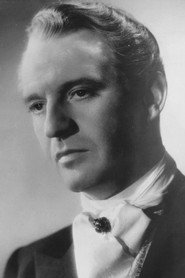 Eric PortmanLee Warren
 Greta GyntVivien Warren
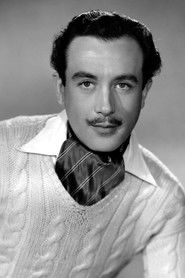 Dennis PriceRichard Fenton
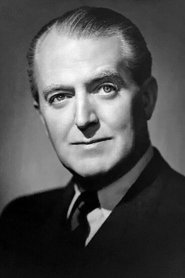 Jack WarnerInspector Penbury
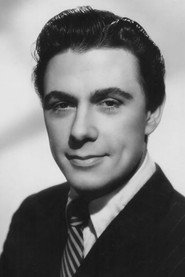 Maxwell ReedJimmy Martin
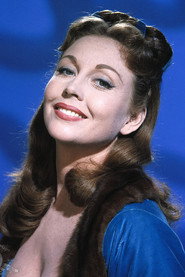 Hazel CourtAvis Fenton
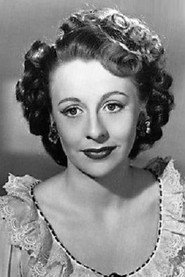 Jane HyltonRita
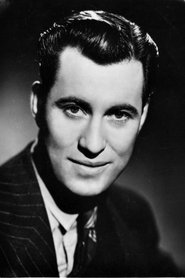 Andrew CrawfordSergeant Fox
- Charles RolfePrison Warden
- Hélène BurlsCharwoman
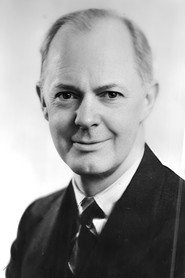 Ernest ButcherHall Porter
- Judith CarolAmerican Secretary
Directing
- Alf KeatingAssistant Director
- Winifred DyerContinuity
- Arthur CrabtreeDirector
- Hal GriverSecond Assistant Director
- Bert BattThird Assistant Director
Writing
- Muriel BoxScreenplay
- Peter RogersScreenplay
- Sydney BoxScreenplay
- St. John Legh ClowesTheatre Play
Production
- Sydney BoxExecutive Producer
- Billy AsherLocation Manager
- Betty E. BoxProducer
- Antony DarnboroughProducer's Assistant
- Fred GunnProduction Manager
- Betty CallaghanPublicist