
Film
The Fallen Idol
A child's innocent admiration for a charismatic butler unravels into something far darker when he stumbles upon an adult secret. Carol Reed's 1948 masterpiece transforms a London townhouse into a moral maze, seen through a boy's confused eyes. It's a thriller that operates by restraint, where the most devastating moments happen in glances and silences. Absolutely gripping, utterly humane, and the blueprint for every film about how children witness corruption.
Should you watch it?
Watch it if you love films seen through a child's eyes, where a grown-up world of half-truths and misread looks carries real dread, and you don't mind a slow build to get there.
Skip it if you want a brisk thriller with a clear villain, since this is more about a boy's confused loyalties than about chases or clues.
What it asks of you: Ninety-six unhurried minutes, seen mostly from a child's height, with long silences and adults talking past one another; attention pays off more than speed.
Not sure? Find tonight's pick in a minute.
If you liked this
The Third Man1949
Carol Reed's follow-up, set in post-war Vienna with Orson Welles and Joseph Cotten. Similar architecture of lies and moral compromise, but on a grander, more visually operatic scale. The zither score alone justifies the watch.
But It moves between high intrigue and philosophical debate in ways that can feel stagy. Some find the pacing deliberate to the point of testiness.

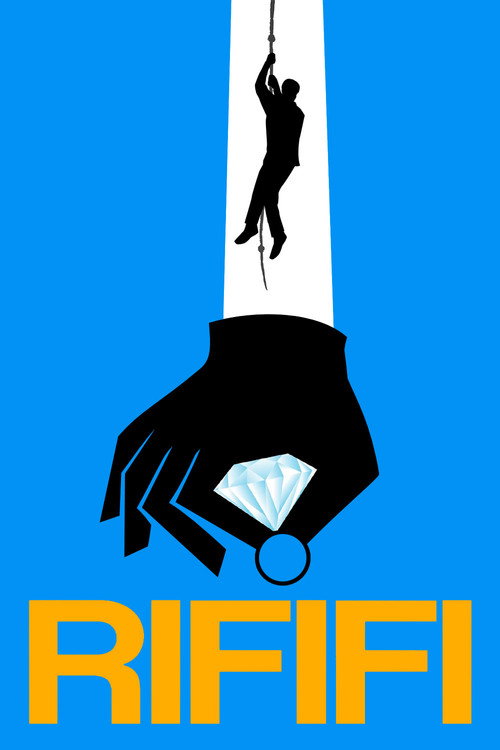
Rififi1955
Jules Dassin's jewel-heist masterpiece told almost entirely without dialogue. Like The Fallen Idol, it trusts you to understand everything through action and glance. A pulse-racing exercise in what cinema can do when it stops talking.
But The silent sequences, however brilliant, demand active attention. Not a film to half-watch while your phone buzzes.
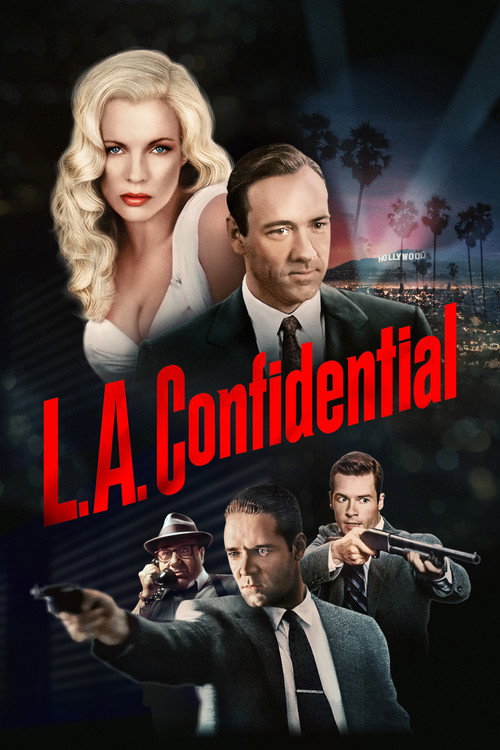
L.A. Confidential1997
Curtis Hanson's LAPD noir where every character is compromised and nobody's hands are clean. The same moral texture as Reed's film but translated to 1950s Los Angeles with immaculate style and performance.
But It's muscular and sometimes brutal. The violence isn't gratuitous but it lands hard, which isn't for everyone.
Not sure tonight? Get a pick in a minute, starting from The Fallen Idol
The wildcard
Something you would not have found on your own.
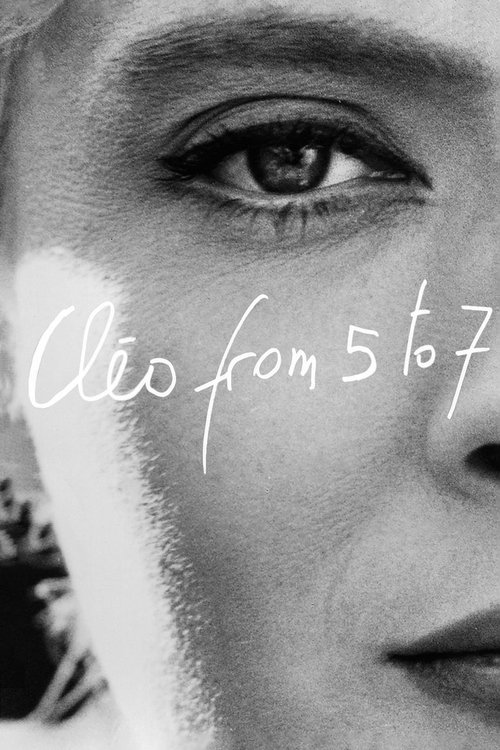
Cléo from 5 to 71962
Both films locate their drama entirely in the interior life of an observer. Reed shows a child's confused understanding; Varda shows a woman's moment-by-moment consciousness. Both argue that watching itself is the story.
Agnès Varda follows a woman through 90 minutes of real time in Paris as she awaits test results. No plot, no revelation—just presence and perception. Like The Fallen Idol, it's about how consciousness registers the world. A masterpiece of watching and being watched.
But It's essentially a woman walking around Paris for an hour and a half. There is no external plot. If that sounds boring, it will be.
More like this (7)
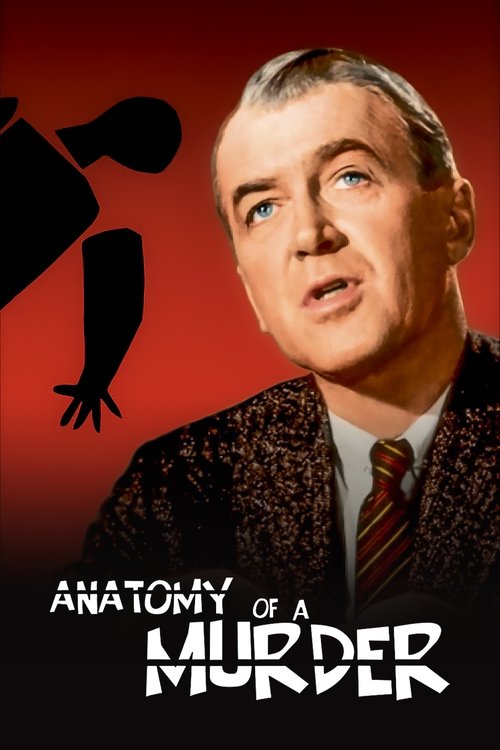
Anatomy of a Murder1959
Otto Preminger's courtroom drama where the truth dissolves the closer you look at it. Like The Fallen Idol, it shows us how adults obscure what they've done and how the search for facts can lead anywhere but clarity.
But It's a procedural that takes its time. Nearly three hours of deliberation, cross-examination, and talk. Patience required.
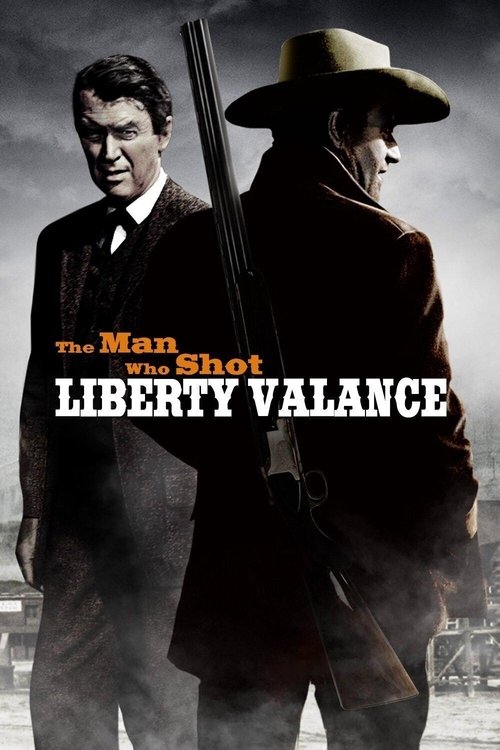
The Man Who Shot Liberty Valance1962
John Ford's meditation on the legends we build to cover our compromises. A senator must confront the lie that built his career. Same DNA as The Fallen Idol: how we live with what we know about those we admire.
But It's elegiac and slow, shot in black-and-white on obvious sets. Ford's late style isn't for viewers wanting visual dynamism.
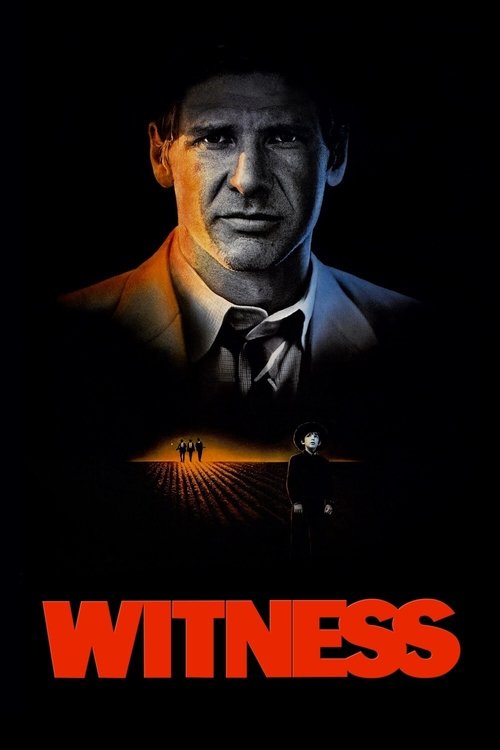
Witness1985
Peter Weir's thriller also centers a child's dangerous knowledge of adult corruption. Harrison Ford goes into hiding in an Amish community while protecting a boy. Tense, beautifully composed, and genuinely moving about the cost of witnessing.
But The romance subplot grows intrusive by the second half. Some scenes coast on sentiment rather than earning it.
The Killing1956
Kubrick's racetrack heist told in fractured chronology, each character a thread in a scheme unraveling through human weakness. The moral texture is similar: smart people making small choices that compound into disaster.
But The narration feels dated now. Some viewers find it clumsy compared to the visual storytelling happening beneath it.

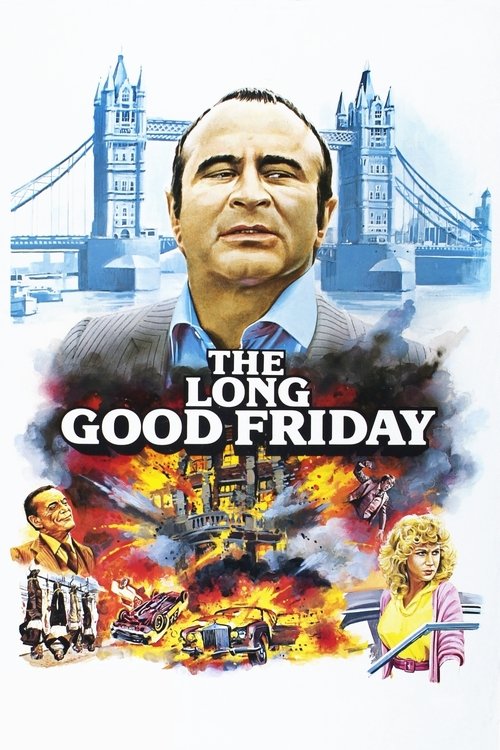
The Long Good Friday1980
John Mackenzie's explosive crime thriller with Bob Hoskins at his most ferocious. A crime boss's empire collapses in a single night through betrayal and misunderstanding. Visceral where The Fallen Idol is restrained, but the same machinery of revelation.
But It's aggressively British and very of its moment. The slang and politics date it, which can create distance.
The Night of the Hunter1955
Both films place children at the center of an adult's deception and moral sickness. But where Reed is controlled and precise, Laughton is baroque and expressionistic. Same theme, opposite register—a reminder that The Fallen Idol's restraint is a stylistic choice, not the only truth.
Charles Laughton's only directorial effort, a fever dream of a thriller where a predatory preacher hunts two children for hidden money. Shot in stark black-and-white, formally daring, deeply strange. It feels like a nightmare made visible, baroque and terrifying.
But It's operatic and sometimes campy. The tonal registers don't always align. If you need realism, this will feel mannered and excessive.

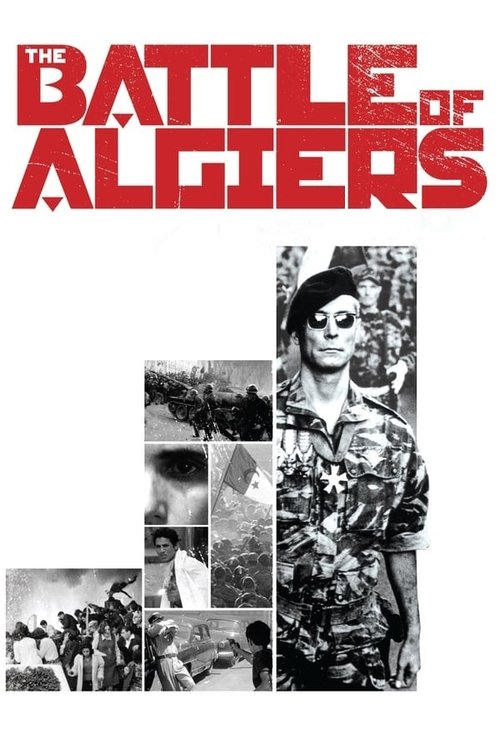
The Battle of Algiers1966
Both films are interested in moral complexity under pressure—how good people compromise, how systems corrupt. The Fallen Idol shows it through a household; Pontecorvo shows it through a revolution. One is intimate; one is structural. Both insist that complicity is the real subject.
Gillo Pontecorvo's docudrama about the Algerian revolution, shot like a found documentary with non-professional actors. Brutally clear-eyed about how violence begets counter-violence, how ordinary people become instruments. A political thriller that operates through empathy, not sides.
But It depicts torture, execution, and terror attacks with unflinching directness. It won't let you look away or feel comfortable. Some find it propagandistic; others find it unsparing in ways that hurt.
People
Cast
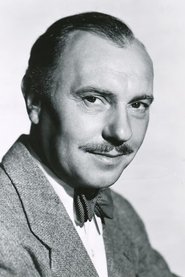 Ralph RichardsonBaines
 Michèle MorganJulie
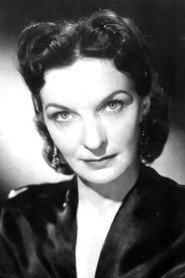 Sonia DresdelMrs. Baines
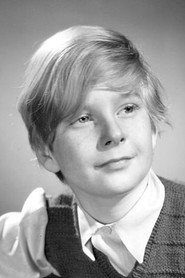 Bobby HenreyPhillipe
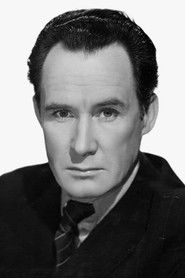 Denis O'DeaInspector Crowe
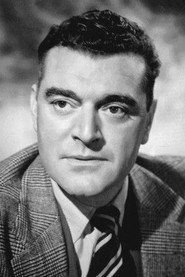 Jack HawkinsDetective Ames
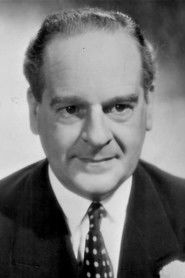 Walter FitzgeraldDr. Fenton
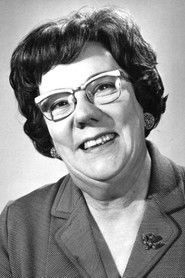 Dandy NicholsMrs. Patterson
 Joan YoungMrs. Barrow
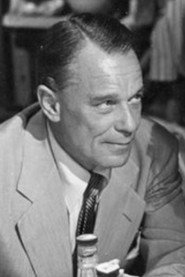 Karl StepanekFirst Secretary
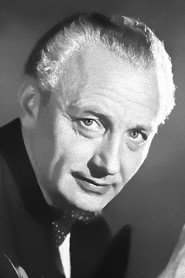 Gerard HeinzAmbassador
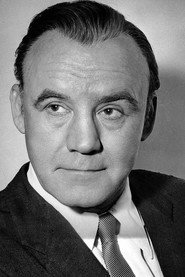 Torin ThatcherPoliceman
Directing
- Guy HamiltonAssistant Director
- Peggy McClaffertyContinuity
- Carol ReedDirector
Writing
- Graham GreeneScreenplay
- Graham GreeneShort Story
Production
- Philip BrandonAssociate Producer
- Alexander KordaExecutive Producer
- Carol ReedProducer
- Hugh PercevalProduction Manager