
Film
Vigil in the Night
A 1940 hospital drama where a devoted nurse sacrifices her career to protect her sister's fatal error. It's a quiet, character-driven study of loyalty, duty, and the cost of silence—the kind of film that trusts you to sit with moral complexity rather than resolve it neatly. For anyone drawn to stories about women choosing between principle and love.
If you liked this
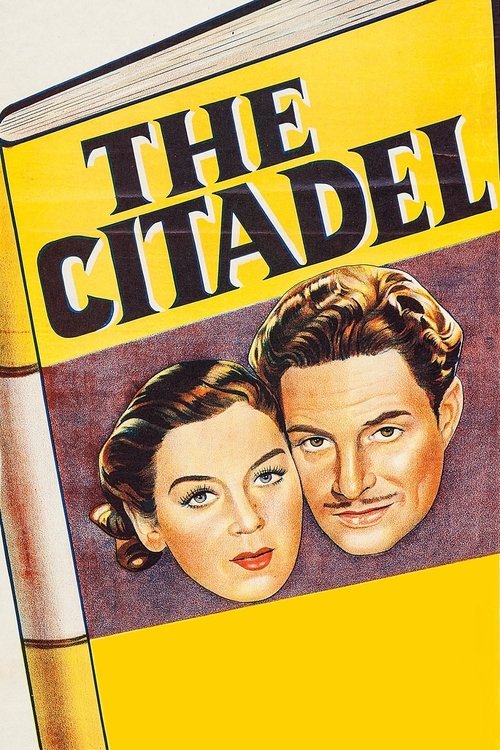
The Citadel1938
A doctor confronts his own compromises in medicine and marriage. Spencer Tracy is magnificent, and like Vigil it examines how good people rationalize bad choices with unflinching clarity.
But It's slower than modern medical dramas, and Tracy's character isn't always likeable—which is entirely the point, but not everyone's evening.
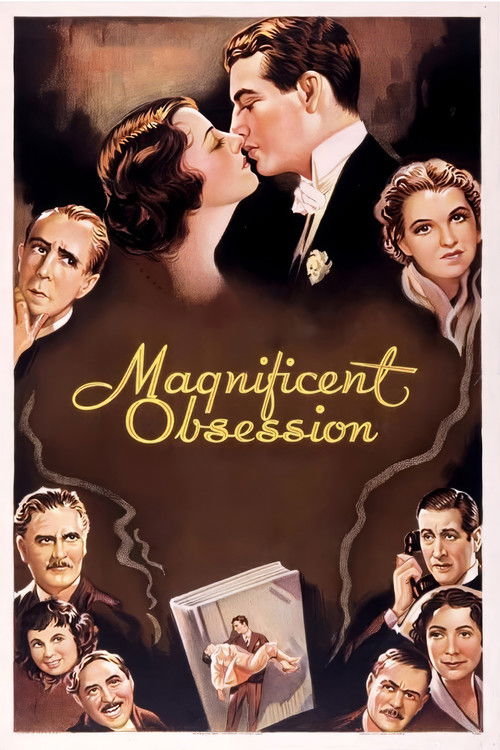
Magnificent Obsession1935
Another Carole Lombard performance about sacrifice and hidden guilt, with the same lean emotional intelligence. A woman gives up everything for love—but the film asks if she should have.
But The melodrama edges can feel dated, and Lombard's self-erasure might frustrate viewers who want her character to push back harder.
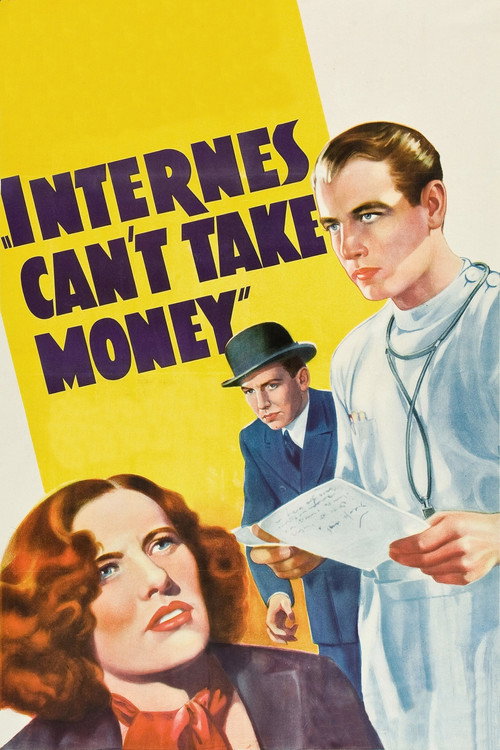
Internes Can't Take Money1937
The first Dr. Kildare film, and it shares Vigil's interest in the ethics of medical practice. Good doctors making hard choices under pressure, with real consequences.
But It's a procedural first, drama second. If you're hoping for deep character work over plot, this leans the other way.
Not sure tonight? Get a pick in a minute, starting from Vigil in the Night
The wildcard
Something you would not have found on your own.
Ikiru1952
Both films use professional duty and family loyalty as mirrors to ask what we owe ourselves versus what we owe others. Neither lets either side win.
A Japanese bureaucrat discovers he's dying and examines his life's meaning—what has he protected, and at what cost? Like Vigil, it's about someone facing the weight of choices made quietly, without fanfare or redemption offered.
But It's long, meditative, and the first half watches a man shuffle papers in an office. Patience is not optional, and subtitles require attention you might not have tonight.

More like this (7)
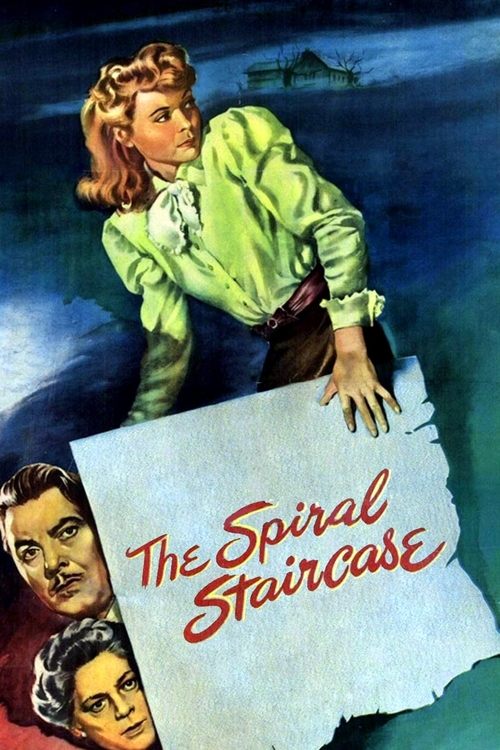
The Spiral Staircase1946
Another story of a woman's silence—here a mute nurse at the centre of danger. The film builds paranoia and moral tension in ways that echo Vigil's exploration of duty versus safety.
But It's a psychological thriller, not a quiet character study. The genre mechanics might pull you out if you came for intimacy.
A Tree Grows in Brooklyn1945
A portrait of women coping with family shame and poverty. Like Vigil, it respects ordinary people making impossible choices without sentimentalizing them.
But It's a family saga, not a single moral crisis. If you want the pressure-cooker intensity of Vigil, this diffuses it across decades.

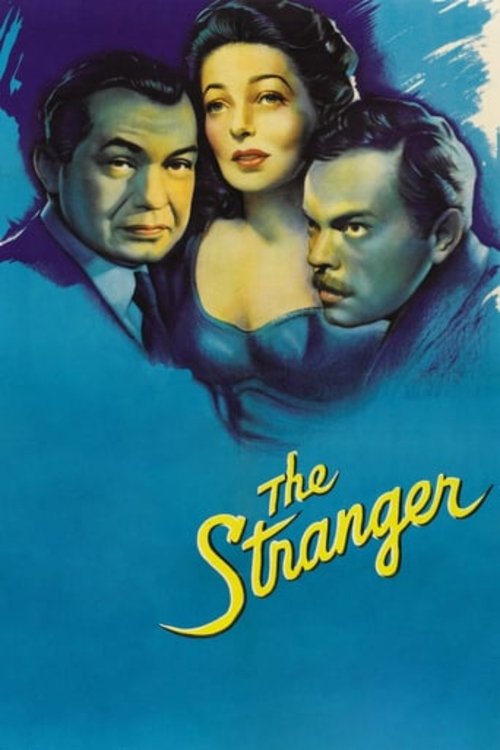
The Stranger1946
Orson Welles as a Nazi hiding in plain sight. It shares Vigil's fascination with people who know guilty secrets and must decide whether to speak—here with higher stakes and darker implications.
But It's a thriller with real violence. The intimate moral questioning gets subsumed into hunt-and-capture plot mechanics.
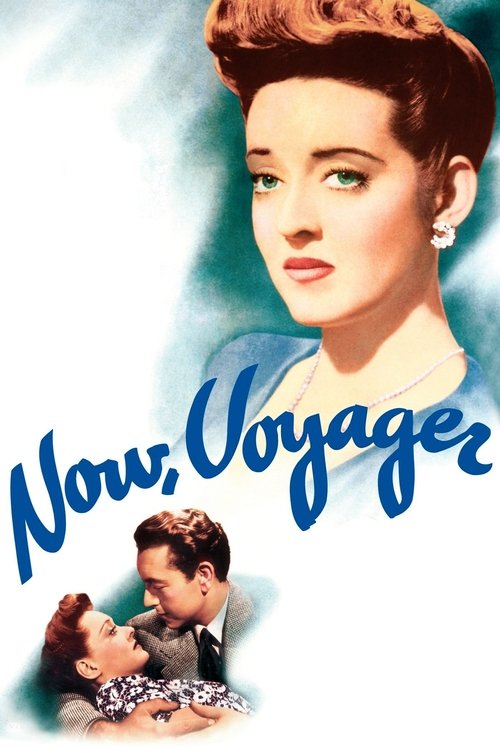
Now, Voyager1942
Bette Davis transformed by love and duty. Another film about a woman who sacrifices happiness for what she believes is right, shot with the same psychological precision as Vigil.
But It's more romantic and melodramatic. If you prefer restraint and ambiguity, this film resolves things more conclusively than you might like.
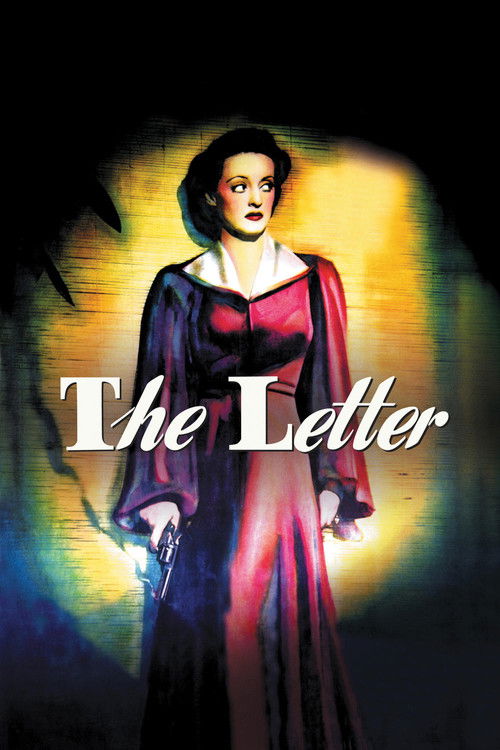
The Letter1940
Released the same year, this Bette Davis film also concerns a woman keeping a fatal secret. Both films trust the audience to judge, never let the protagonist off easy.
But It's a murder mystery, which gives it momentum Vigil doesn't have. The plot machinery might feel manipulative if you want pure character study.
The Killing of a Sacred Deer2017
Both explore how a medical error spirals outward, ruining lives. Both ask whether covering up the truth is mercy or cowardice, and refuse to provide a comfortable answer.
A surgeon and his family face a moral reckoning after a past surgical mistake. Modern, unsettling, and it strips Vigil's core moral question down to its most brutal form: what do you owe for someone else's error?
But It's deliberately, almost intolerably tense. The pacing is glacial and the ending is bleak in ways that make Vigil look like a romantic comedy by comparison.

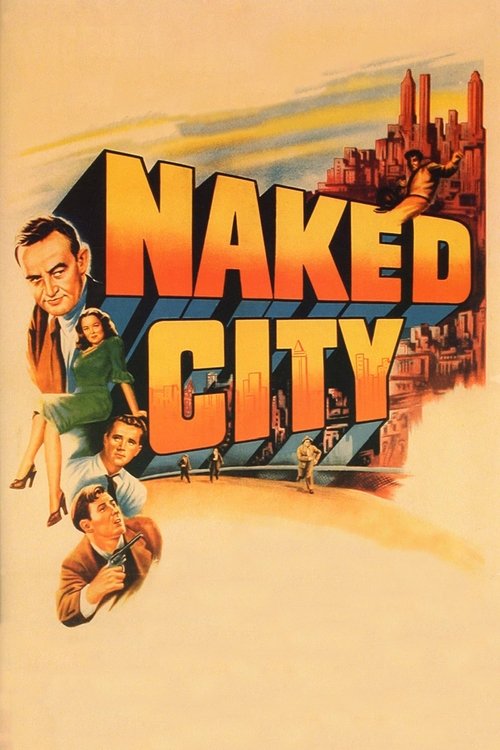
The Naked City1948
Both are interested in institutional loyalty—whether to hospital or police department—and how personal attachment conflicts with professional truth-telling. Both see the consequences as ordinary, not dramatic.
Shot on the streets of New York with documentary realism, it follows a detective investigating a murder in the city's underbelly. It's about people deciding what to report and what to hide, seen through a completely different genre lens than Vigil.
But It's a noir, so the moral questions are dirty and compromised, not intimate. If you want psychological nuance over gritty procedure, this feels shallow by design.
People
Cast
 Carole LombardAnne Lee
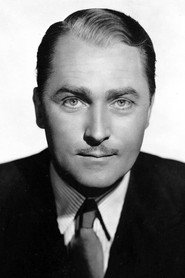 Brian AherneDr. Robert S. Prescott
 Anne ShirleyLucy Lee
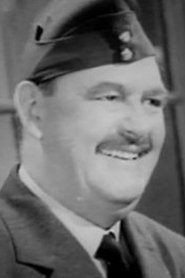 Julien MitchellMatthew Bowley
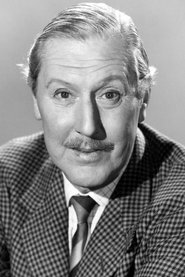 Robert CooteDr. Caley
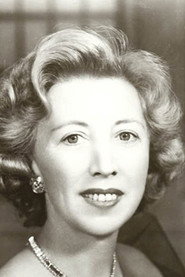 Brenda ForbesNora Dunn
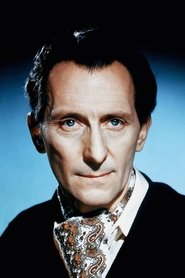 Peter CushingJoe Shand
 Rita PageGlennie
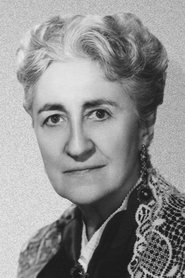 Ethel GriffiesMatron East
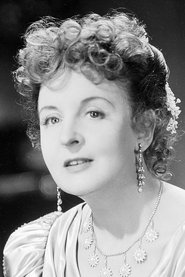 Doris LloydMrs. Martha Bowley
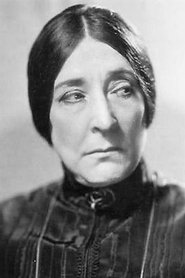 Emily FitzroySister Gilson
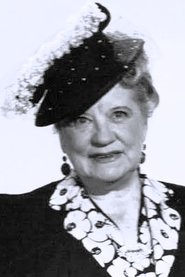 May BeattyMrs. Merchant - Prescott's Housekeeper
Directing
- Sydney M. FogelAssistant Director
- George StevensDirector
Writing
- A.J. CroninNovel
- Fred GuiolScreenplay
- P.J. WolfsonScreenplay
- Rowland LeighScreenplay
Production
- George StevensProducer