
Film
Internes Can't Take Money
A 1937 melodrama where a young doctor falls for a widow searching for her kidnapped child, drawn into underworld violence to help her. It's swift, emotionally direct, and powered by Barbara Stanwyck's warmth and urgency. For anyone who loves pre-war Hollywood's willingness to mix romance, crime, and real desperation without irony.
If you liked this
Marked Woman1937
Stanwyck's contemporary, Bette Davis leads a group of hostesses testifying against the mob. Sharp, angry, and genuinely thrilling—it understands the specific courage required of ordinary women facing powerful men.
But The pacing is leisurely by modern standards, and the final resolution feels engineered rather than earned.

The Killers1946
A boxer's murder spirals outward to reveal betrayal and resignation. Siodmak brings noir inevitability to a similar moral landscape, and the structure—starting with death, working backward—gives ordinary desperation a mythic weight.
But It's darker and more fatalistic than *Internes*; if you want hope, this movie doesn't have much.

Angels with Dirty Faces1938
Cagney and Bogart as childhood friends on opposite sides of the law, with the church as mediator. It captures that same tension between criminality and redemption, and asks whether sacrifice can outweigh sin.
But The ending is didactic and the morality gets explicit in a way that can feel heavy-handed.

Not sure tonight? Get a pick in a minute, starting from Internes Can't Take Money
The wildcard
Something you would not have found on your own.
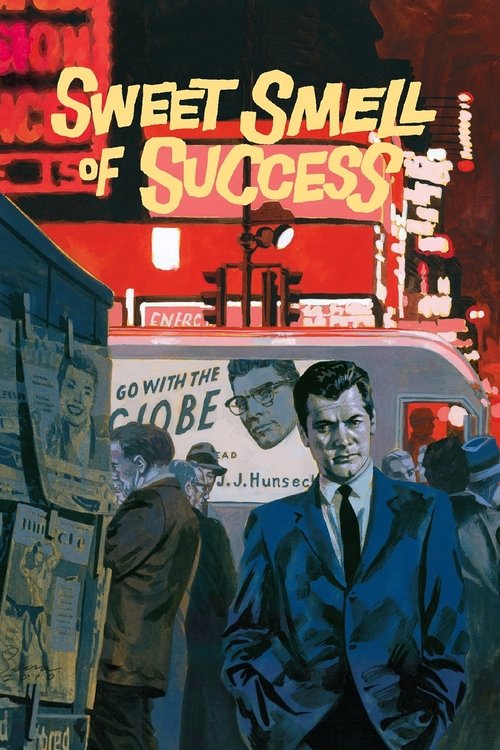
Sweet Smell of Success1957
Both pivot on a good person drawn into moral compromise through romantic or personal loyalty; both ask whether you can help someone without becoming complicit in their world.
A press agent and columnist destroy each other through manipulation and innuendo. Like *Internes*, it uses physical attraction and moral compromise as plot engines, but Mackendrick shoots it in a hallucinogenic noir fever. The corruption here is total and stylish.
But It's more interested in language and texture than character psychology; the cynicism is so absolute it can feel exhausting.
More like this (7)
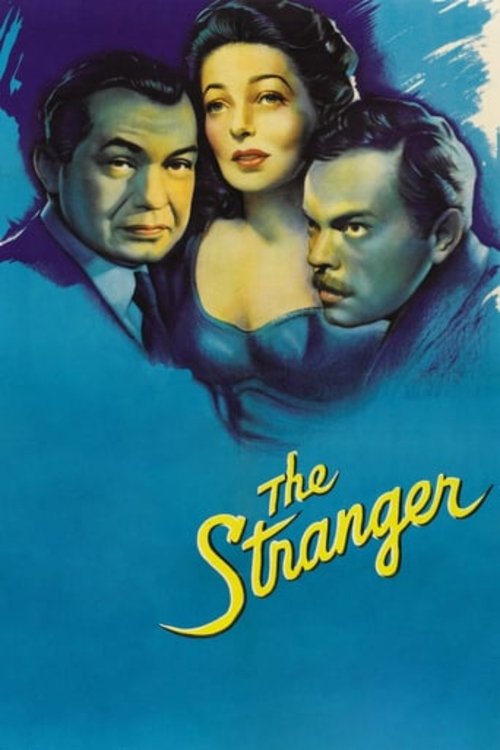
The Stranger1946
Orson Welles hides a Nazi war criminal in small-town America. Like *Internes*, it concerns a good person discovering evil at close range and having to act. The dread builds slowly and the betrayal cuts deep.
But It's bleaker and more intellectually rigorous; there's no romantic redemption, only complicity and exposure.
In a Lonely Place1950
A screenwriter accused of murder leans on his neighbor for an alibi. Bogart and Gloria Grahame circle each other with suspicion and attraction—a relationship corroded by doubt, gorgeously shot.
But It moves toward tragedy rather than resolution, and affection cannot save either character.

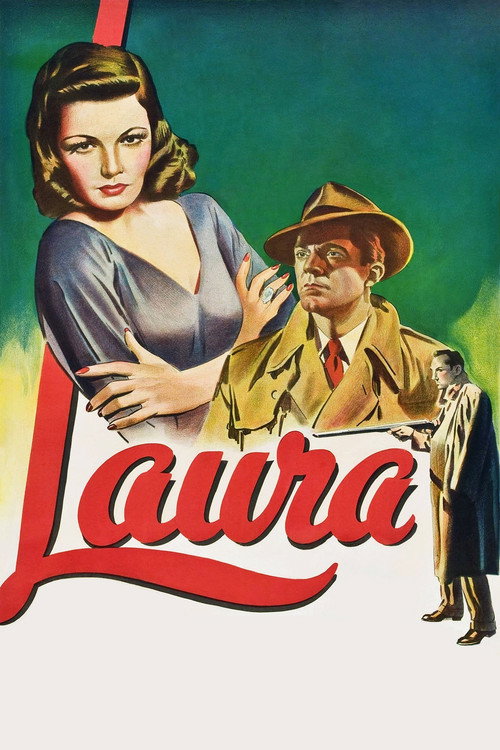
Laura1944
A cop falls in love with the portrait of a murdered woman—desire, obsession, and mystery intertwine. Preminger's restraint makes the emotional stakes feel true; the plot twists serve the character, not vice versa.
But By modern standards it moves slowly; patience with mood over action is required.
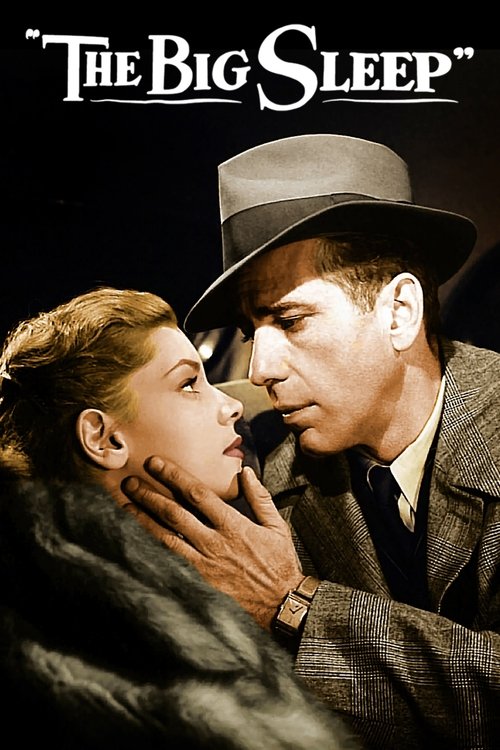
The Big Sleep1946
Bogart and Bacall trade desire and mistrust while Marlowe untangles a blackmail scheme. The plot barely holds together, but the chemistry and the cynicism are intoxicating.
But It's genuinely hard to follow; Chandler's original novel was deliberately incoherent and Hawks leaned into it.
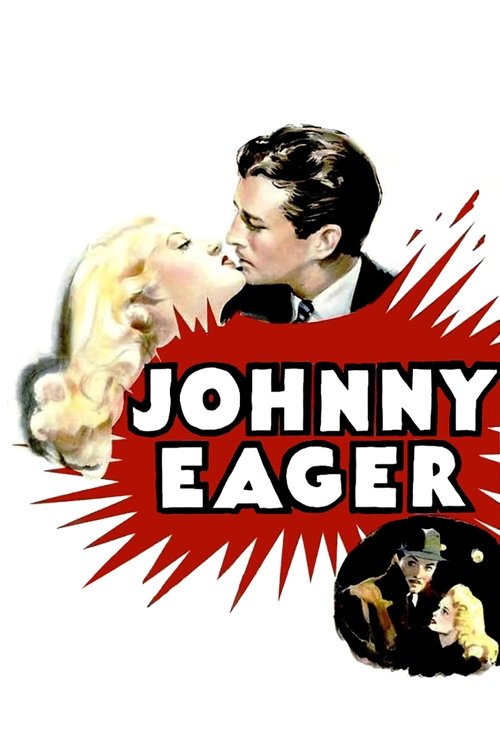
Johnny Eager1941
Robert Taylor plays a mobster who seduces an heiress to launder money through her trust. It's trashy and urgent, with genuine erotic tension and a moral collapse filmed without judgment.
But The plotting is crude and the psychology is adolescent; it's a sensational potboiler, not a serious drama.
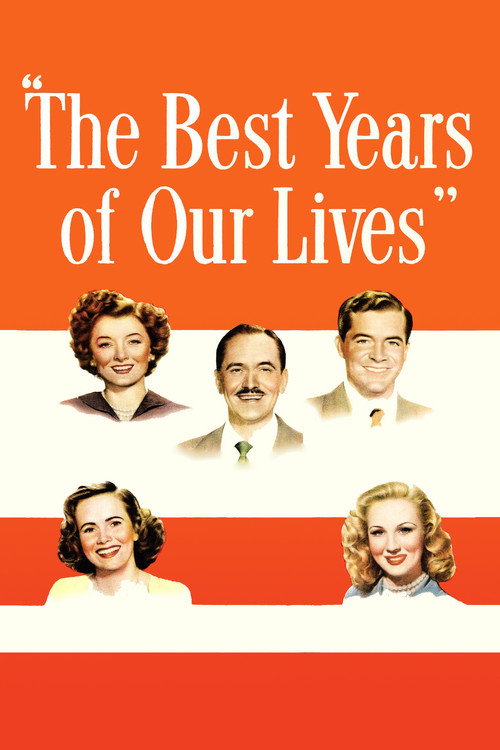
The Best Years of Our Lives1946
Both films believe ordinary people have a capacity for goodness that survives contact with systems designed to crush it. Both center on the specific pain of lost children and the lengths people go to to recover them.
Three soldiers return from World War II and struggle to rebuild lives fractured by war and poverty. Wyler gives their grief and resilience a documentary weight. The baby subplot echoes *Internes*' desperation, but here it's rooted in collective national recovery.
But It's nearly four hours and deeply sentimental; the pacing is glacial and the optimism can feel unearned.
In the Mood for Love2000
Both films pour erotic intensity into brief scenes and trust the audience to feel what's unsaid. Both understand that proximity and secrecy generate desire, and that acting on it changes everything. Both end in separation.
Wong Kar-wai's Hong Kong masterpiece: two neighbors discover their spouses are having an affair and fall in love with each other instead, wordlessly. Shot in saturated color and cigarette smoke, it's a fever dream of longing and restraint. Love here is visual and melancholic, never resolved.
But It's abstract and decorative; if you want plot or dialogue or character explanation, it refuses to provide them.

People
Cast
 Barbara StanwyckJanet Haley
 Joel McCreaJimmie Kildare
 Lloyd NolanHanlon
 Stanley RidgesDan Innes
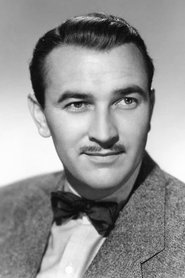 Lee BowmanWeeks
- Barry MacollumStooly Martin
 Irving BaconJeff
 Steve PendletonJones (as Gaylord Pendleton)
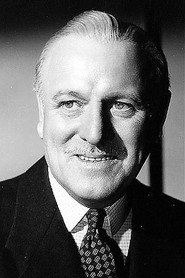 Pierre WatkinDr. Fearson
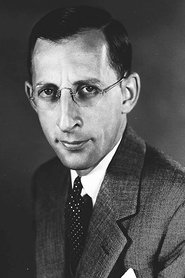 Charles LaneGrote
 James BushHaines
 Nick LukatsInterne
Directing
- Roland AsherAssistant Director
- Alfred SantellDirector
Writing
- Rian JamesScreenplay
- Theodore ReevesScreenplay
- Max BrandStory
Production
- Benjamin GlazerProducer