
Film
Marked Woman
A legal thriller where five nightclub hostesses testify against a mob boss—a rare 1937 film that treats women as active agents in their own justice rather than damsels. Bette Davis commands every frame with fierce intelligence, Bogart crackles with moral ambiguity, and the violence is shockingly direct for its era. Utterly modern in spirit.
If you liked this
In a Lonely Place1950
Humphrey Bogart as a volatile screenwriter suspected of murder, wrestling with his own nature and society's judgment. Ray's masterpiece of paranoia and damaged masculinity, shot through with genuine erotic tension and moral complexity.
But The femme lead exists mainly to orbit Bogart's self-destruction, and the film's darkness can feel suffocating—there's no relief valve, just mounting dread.

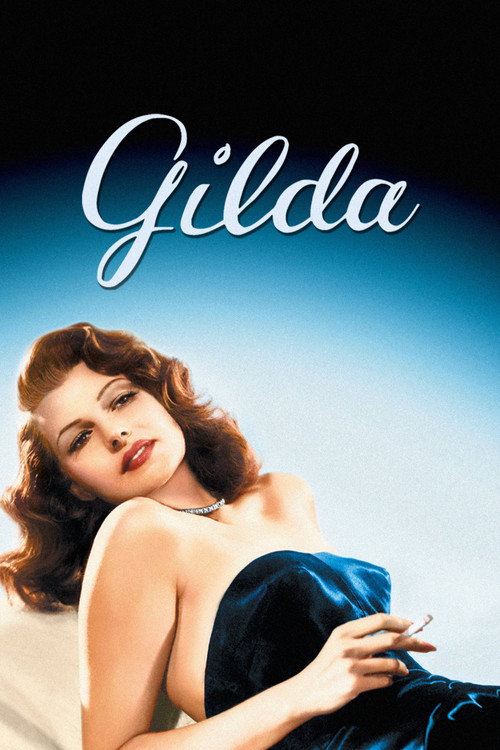
Gilda1946
Rita Hayworth as a woman who refuses to be what men want her to be, opposite Glenn Ford's bitter, possessive ex-lover. Gorgeous, sexually charged, and bracingly honest about how men punish women for their own desire.
But The plot is thin and takes a long time to crystallize. If you're watching for structure, you'll be disappointed; you have to want the mood and the performances.
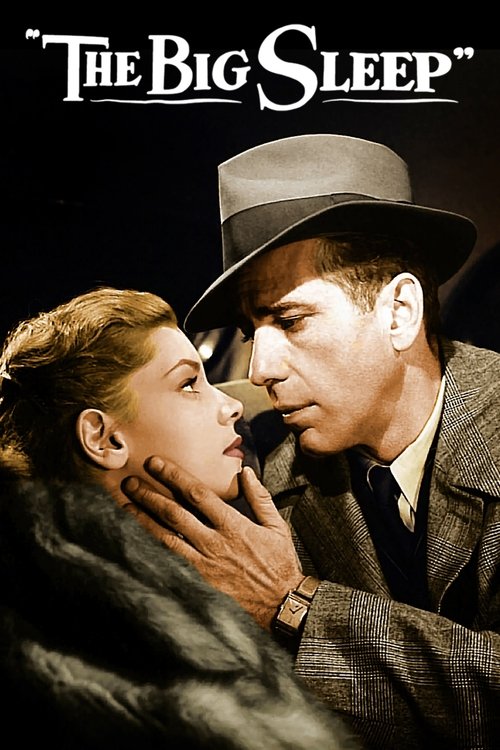
The Big Sleep1946
Bogart and Bacall in a murder investigation so intricate that even the filmmakers lost track of the plot—but it doesn't matter, because the banter and chemistry are intoxicating. Hawks directs like he's daring you to look away.
But The mystery is genuinely confusing and the resolution feels arbitrary. Going in expecting a tight whodunit will frustrate you.
Not sure tonight? Get a pick in a minute, starting from Marked Woman
The wildcard
Something you would not have found on your own.
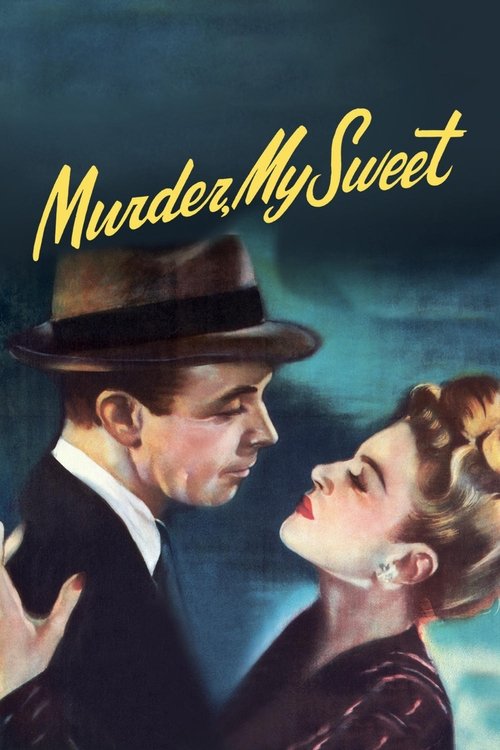
Murder, My Sweet1944
Both center women in criminal underworlds who refuse victimhood, and both use nightclub settings as metaphors for the corruption of desire and the price of survival.
Dick Powell—a song-and-dance man—as a hard-boiled detective navigating a nightclub world of violence and exploitation. The tonal shift from Powell's musical career is complete and convincing, and the film's visual language is among the most beautiful noir ever made.
But The plot is genuinely convoluted and requires active attention; if you check your phone, you'll lose the thread and won't recover it.
More like this (8)
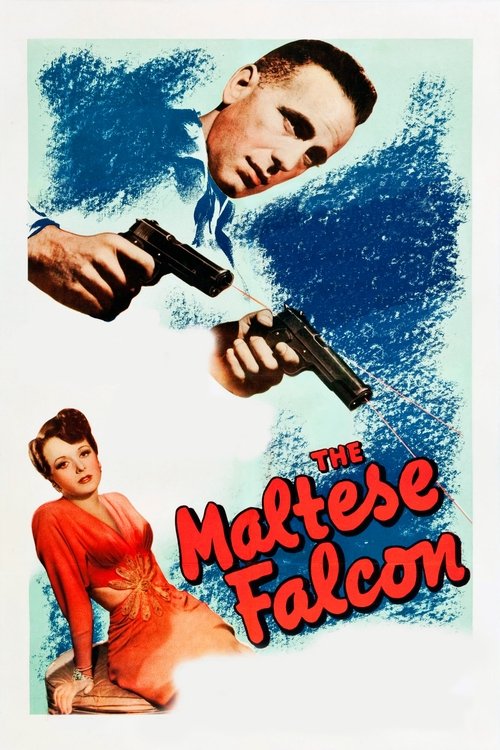
The Maltese Falcon1941
Bogart's Sam Spade in the template for every noir detective who followed: morally flexible, quick-witted, up against a criminal empire. Huston's direction is crisp, and the ensemble cast crackles with barely suppressed violence.
But It's foundational and therefore familiar; if you've absorbed noir through osmosis, you may find it feels like a museum piece rather than a discovery.
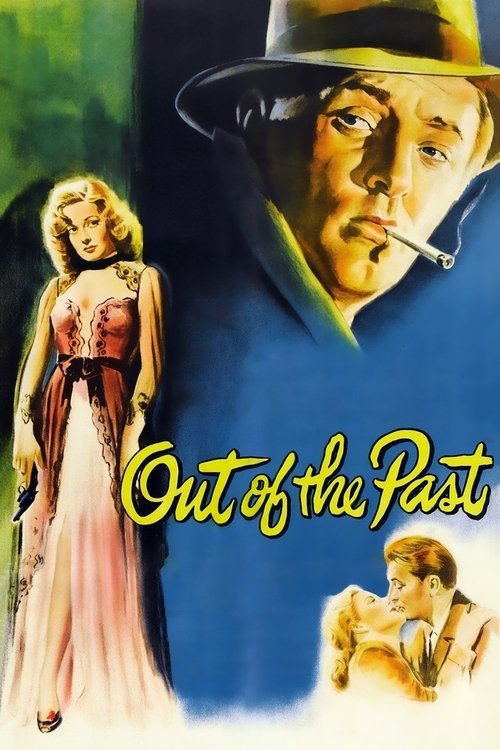
Out of the Past1947
A small-town gas station attendant dragged back into the underworld by a femme fatale. The visual language is hypnotic—shadows, rain-slicked streets—and the story spirals with the inevitability of Greek tragedy.
But It moves slowly and assumes you're okay with gorgeous shots that don't advance the plot. The pacing rewards patience and punishes impatience.
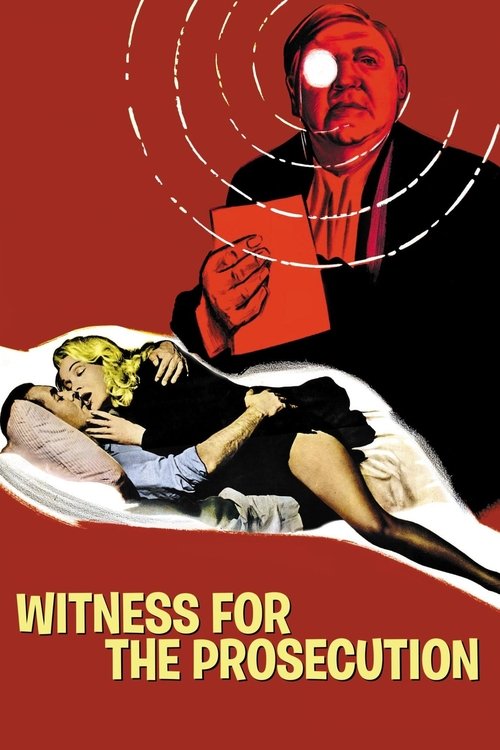
Witness for the Prosecution1957
Billy Wilder's courtroom thriller with Tyrone Power, Marlene Dietrich, and a twist that genuinely lands. A woman's testimony becomes the hinge on which a murder case turns, and the film doesn't cheat you on the revelation.
But The middle act drags through procedural detail before the finale kicks in. It's earnest about the law in ways that can feel dated and slow.
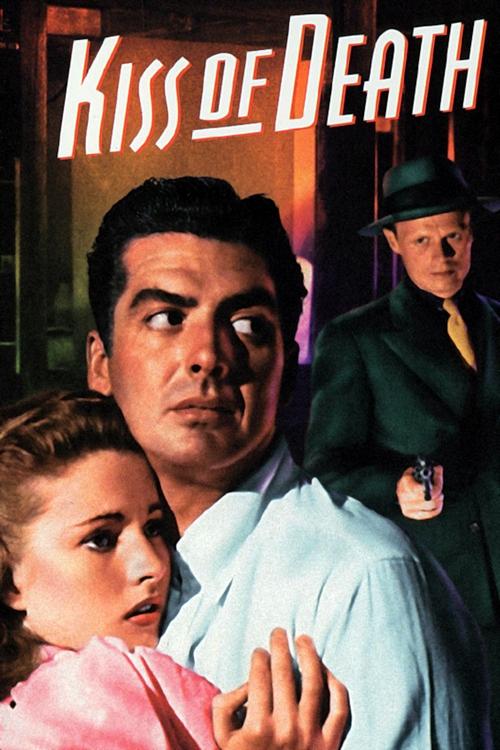
Kiss of Death1947
Victor Mature as an ex-con trying to go straight, forced to inform on a genuinely terrifying gangster (Richard Widmark in a scene-stealing debut). Brutal, funny, and surprisingly modern in its moral calculus.
But Some of the supporting performances are ham-fisted, and the ending makes a sudden lunge toward redemption that undercuts the film's harder edges.
The Killers1946
Robert Siodmak's adaptation of Hemingway's short story, with Ava Gardner as a woman so magnetic that a boxer throws away his life. The film unravels the reasons why through brilliant non-linear storytelling.
But The second half shifts tone and focus away from the murder itself, which some find structurally messy. It's also not quite as tight as its reputation suggests.

The Asphalt Jungle1950
Huston's heist film that defined the template: a careful plan, a diverse criminal ensemble, and the particular way that each person's moral weakness brings the job down. The city is a character itself.
But The ensemble structure means no single character gets deep focus, and if you want emotional investment in one person's journey, you won't find it.

I, Daniel Blake2016
Both are about powerless people testifying against systems larger than themselves, and both refuse to let that powerlessness be the end of the story. The tone is entirely different—one is thirties thriller, one is modern realism—but the spine is identical.
Ken Loach's film about a man and woman ground down by bureaucratic indifference in modern Britain. It has the same moral urgency as *Marked Woman*—ordinary people standing against systems designed to crush them—but updated to our welfare-state failures.
But It's depressing and offers no catharsis, only slow erosion. The righteous anger can feel like a sermon rather than a story, and the film never lets you off the hook.

Contempt1963
Both examine how women move through male-dominated systems—in one, organized crime and the legal system; in the other, cinema and marriage—and both ask what it costs a woman to be seen, used, and then cast aside.
Godard's film about a marriage dissolving on a film set, shot in brilliant color and split-screen. It's about the power dynamics between people, the gaze, and who owns a woman's labor and body—themes that run through *Marked Woman*.
But It's an essay disguised as a narrative, and if you want plot momentum or emotional clarity, you'll find it frustrating and mannered. Godard is interested in ideas more than feelings.

People
Cast
 Bette DavisMary Dwight Strauber
 Humphrey BogartDavid Graham
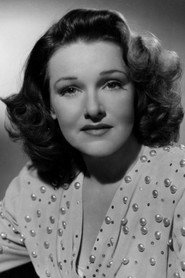 Lola LaneDorothy "Gabby" Marvin
 Isabel JewellEmmy Lou Eagan
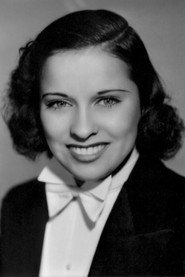 Rosalind MarquisFlorrie Liggett
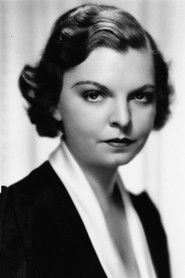 Mayo MethotEstelle Porter
 Jane BryanBetty Strauber
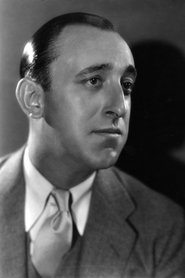 Allen JenkinsLouie
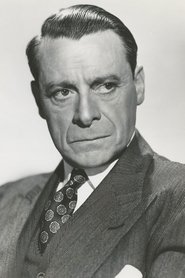 Eduardo CiannelliJohnny Vanning
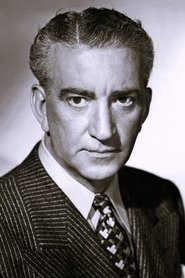 John LitelGordon
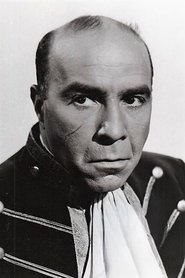 Ben WeldenCharlie Delaney
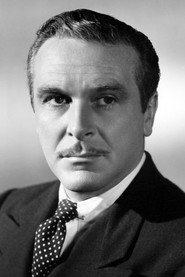 Damian O'FlynnRalph Krawford
Directing
- Richard MayberyAssistant Director
- Michael CurtizCo-Director
- Lloyd BaconDirector
- Eddie LarkinSecond Assistant Director
Writing
- Al DubinLyricist
- Harry WarrenLyricist
- Abem FinkelScreenplay
- Robert RossenScreenplay
Production
- Louis F. EdelmanAssociate Producer
- Jack L. WarnerExecutive In Charge Of Production
- Hal B. WallisExecutive Producer
- Jack L. WarnerExecutive Producer
- Louis BaumUnit Manager
Recommended by
The Bad Sister, Sinners' Holiday, Payment on Demand, Mr. Skeffington, Three on a Match, Dance, Fools, Dance, One in a Million, Armored Car, Internes Can't Take Money