
Film
Three on a Match
A 1932 Warner Bros. potboiler that reunites three childhood friends and watches their lives splinter in different directions. In sixty-three taut minutes, it moves from schoolyard innocence to addiction, crime, and desperation with the propulsive momentum of early Depression cinema. Sharp-edged and unsentimentally dark.
Should you watch it?
Watch it if you like tight, fast-talking pre-Code melodrama where three women's lives are sketched in quick cuts and the moral consequences arrive with little sermon.
Skip it if you want warmth or a character to settle into, since this one is brisk, hard-edged, and keeps its people at arm's length.
What it asks of you: Hour and change, and it moves quickly: few scenes linger, so you stay alert and piece together who wants what from the dialogue.
Not sure? Find tonight's pick in a minute.
If you liked this
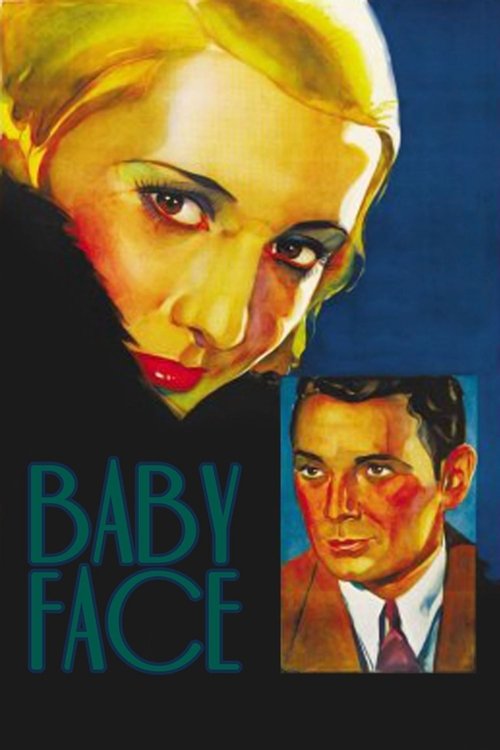
Baby Face1933
Barbara Stanwyck plays a woman who leverages her sexuality to claw up the financial ladder. Same year, same studio, same coiled energy and moral complexity wrapped in pre-Code audacity.
But It's nakedly cynical about ambition and desire—there's no redemption arc, just ruthless momentum. The seduction scenes are frank for the era but brief by modern standards.
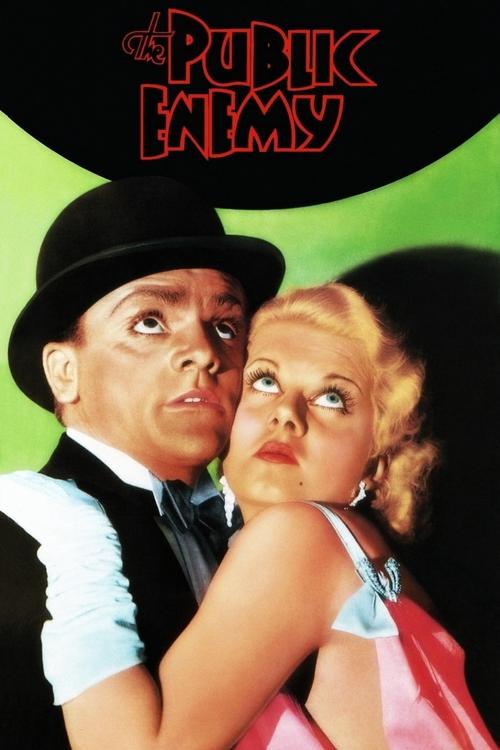
The Public Enemy1931
James Cagney's rise and fall through organized crime hits the same register of swift, inexorable descent. It has the same savage momentum and refusal to soften its criminals into heroes.
But The violence is sudden and brutal. It moves fast enough that you might miss dialogue; early sound recording is sometimes muddy.
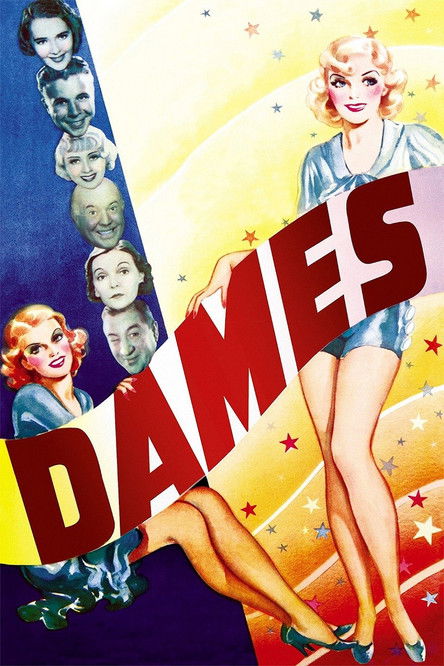
Dames1934
Another Warner ensemble piece where women's choices—ambition, desire, scandal—create the friction and drama. The tone is lighter, but the underlying anxiety about female independence is the same.
But It's a musical, and the musical numbers can derail the plot momentum. If you're in the mood for relentless momentum rather than spectacle, it's a detour.
Not sure tonight? Get a pick in a minute, starting from Three on a Match
The wildcard
Something you would not have found on your own.
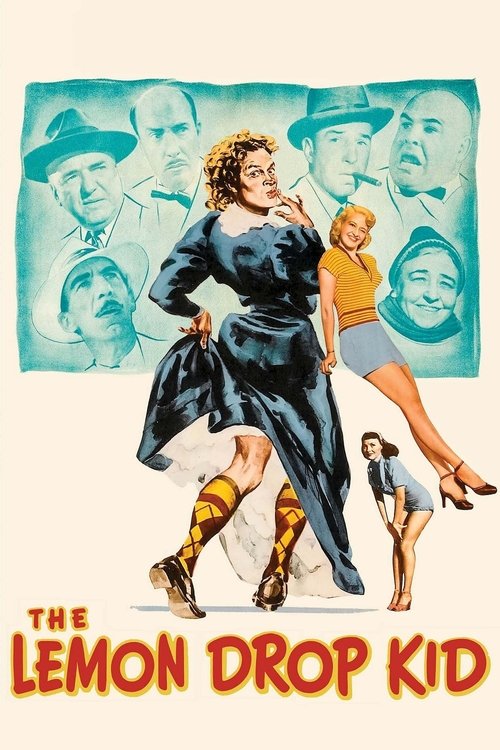
The Lemon Drop Kid1951
Both films hide a brutal view of human nature and circumstance inside lighter-seeming frameworks, then reveal the cost of indifference and ambition with quiet, devastating efficiency.
Bob Hope film that seems like a fluffy comedy until the third act, when it quietly becomes about people using and discarding each other for survival. The same moral squalor, but filtered through vaudeville timing and wisecracks—a completely different register from Three on a Match, but the same bones underneath.
But It's a comedy, so the audience around you will expect laughs. When the darker machinery kicks in, the tonal whiplash can feel jarring, and Hope's persona doesn't give you permission to take it seriously.
More like this (7)
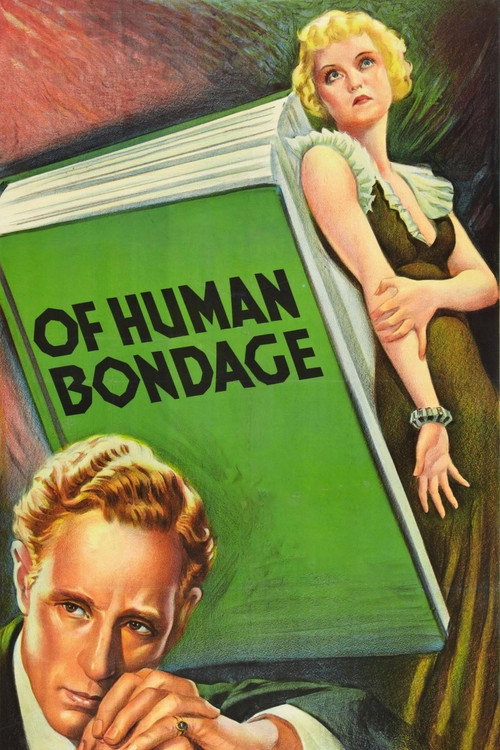
Of Human Bondage1934
Bette Davis (here too) plays a woman whose carelessness and self-destruction pulls others down with her. Same tragic fatalism, same refusal to explain or excuse her character's choices.
But It's longer and slower-paced, and the male lead's passivity can feel exhausting. The class dynamics are heavy-handed by modern standards.
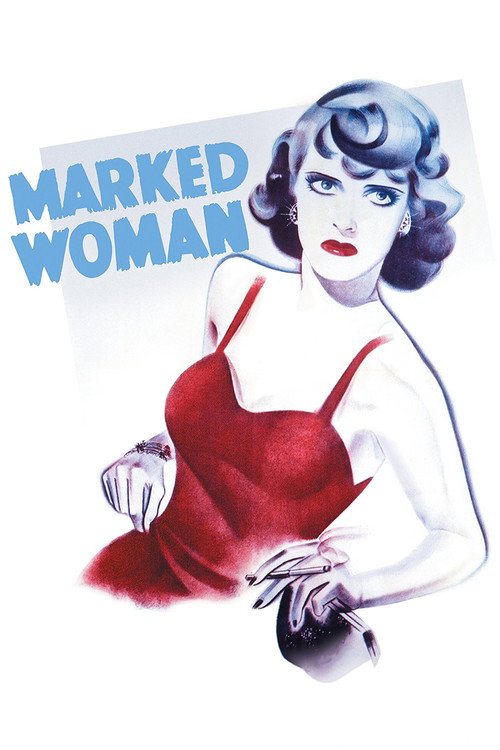
Marked Woman1937
Bette Davis as a woman trapped between the law and the underworld, forced into complicity. It has the same noir DNA and the same interest in how circumstances corner decent people.
But The crime plot is thin; it's really a character study, and if you want mystery or suspense, it won't deliver it.
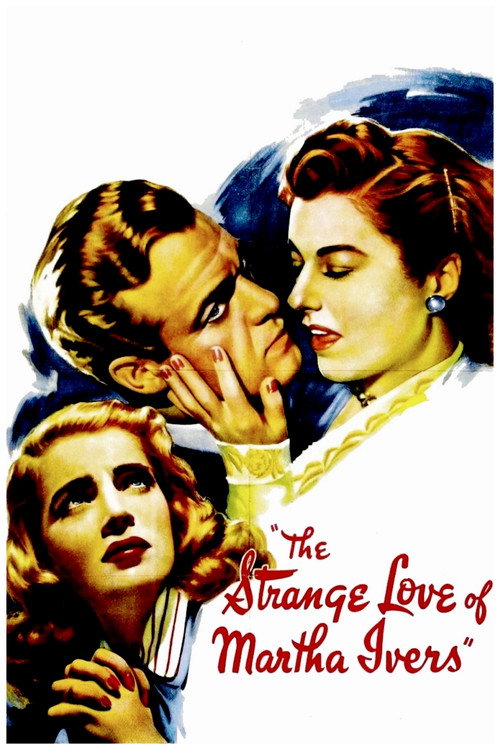
The Strange Love of Martha Ivers1946
Three people bound together by a childhood trauma that none of them can escape. The structure echoes Three on a Match: reunion, revelation, destruction.
But It's a full film noir, so the pace is deliberate and the mood is unrelentingly bleak. Barbara Stanwyck's character is actively monstrous in ways that might alienate you.
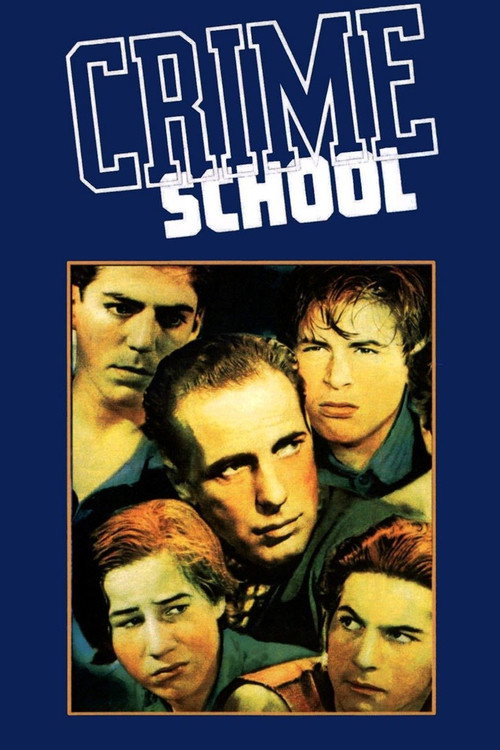
Crime School1938
Warner Bros. again, exploring how circumstance and environment shape three young lives. It has the studio's gift for pace and the same interest in socially determined fates.
But It's more earnest and less cynical than Three on a Match, so it feels like a softening of the premise. The reform-school setting is dated.
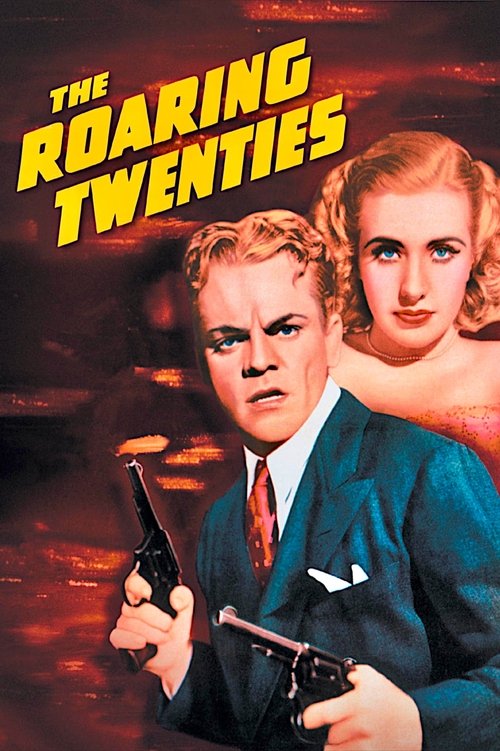
The Roaring Twenties1939
Three friends whose bond fractures as Prohibition transforms them. Cagney, Bogart, and Priscilla Lane in a film that traces the same arc from camaraderie to betrayal and ruin.
But It's much longer and more expansive—the economy of Three on a Match's narrative gets lost in the sprawl. The ending is heavy-handed.
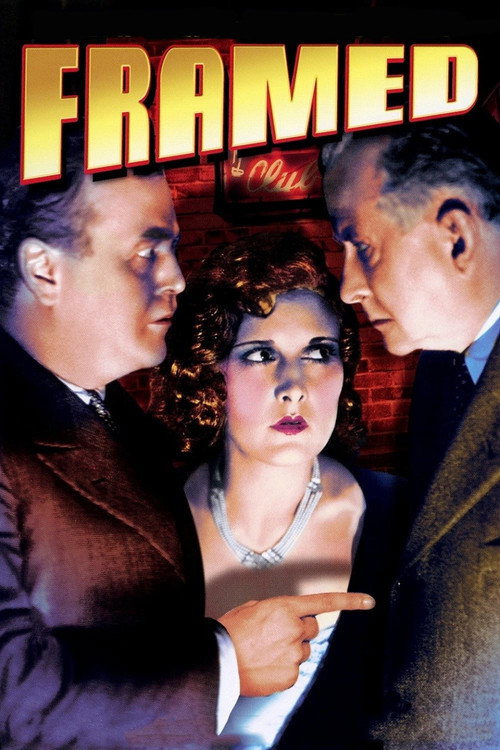
Framed1930
Early Warner crime melodrama with the same sharp dialogue and fatalistic view of how lives get derailed. Fast and unpretentious.
But It's a B-picture, and the plot mechanics are paper-thin. You're watching it for tone and performance, not story; if you need plot, skip it.
In a Lonely Place1950
Both films are interested in how attractive, capable people self-destruct through small moral compromises that accumulate into character. But where Three on a Match shows you the wreckage, In a Lonely Place makes you sit with the person as they realize what they've become.
Humphrey Bogart as a man whose charm and ambition mask something corroded underneath. A character study of moral erosion that moves through intimacy and betrayal with the same cold clarity as Three on a Match, but it's a full noir—more psychological, less melodramatic.
But It's a lengthy meditation on a man's inner life; the plot is secondary. If you want crime drama momentum, this substitutes moral investigation for it.

People
Cast
 Joan BlondellMary Keaton
 Ann DvorakVivian Revere
 Bette DavisRuth Westcott
 Virginia DavisMary Keaton as a Child
 Anne ShirleyVivian Revere as a Child
 Betty CarseRuth Westcott as a Child
 Warren WilliamRobert Kirkwood
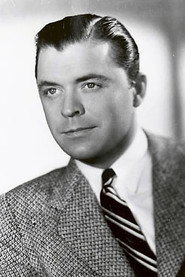 Lyle TalbotMichael Loftus
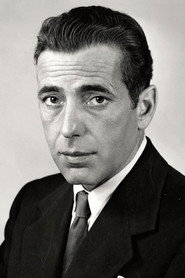 Humphrey BogartHarve
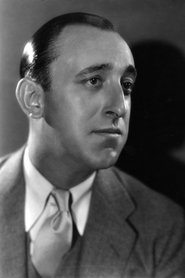 Allen JenkinsDick
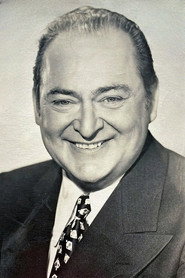
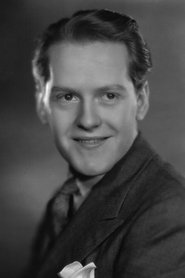 Hardie AlbrightPhil
Directing
- Mervyn LeRoyDirector
Writing
- Lucien HubbardScreenplay
- John BrightStory
- Kubec GlasmonStory
Production
- Rufus Le MaireCasting
- William ForsythCasting Assistant
- William MayberyCasting Assistant
- Darryl F. ZanuckProducer
- Samuel BischoffProducer
- Raymond GriffithSupervising Producer