
Film
Sinners in the Sun
A 1932 pre-Code romance where a New York fashion model navigates the attentions of two very different men—a working garage mechanic and a wealthy cad. It's fleet, sharp, and gorgeously shot, with the kind of casual cynicism about love and money that vanished once the censors tightened their grip. For anyone curious about what Hollywood looked like before propriety strangled it.
If you liked this
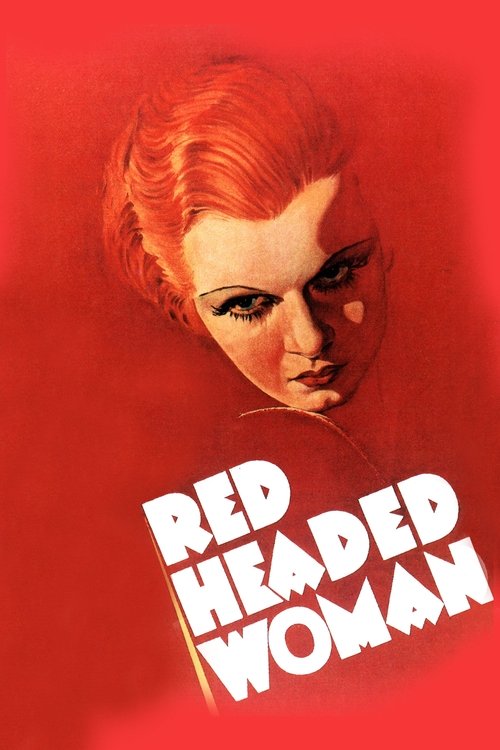
Red-Headed Woman1932
Jean Harlow as a gold-digger navigating sex, ambition, and social climbing with wicked humor. Pre-Code audacity in every frame, and Harlow's performance crackles with intelligence and charm that makes her far more sympathetic than she has any right to be.
But The moral framework is genuinely alien now—the 'rules' feel arbitrary, and the ending plays by logic that requires you to squint at the period to forgive it.
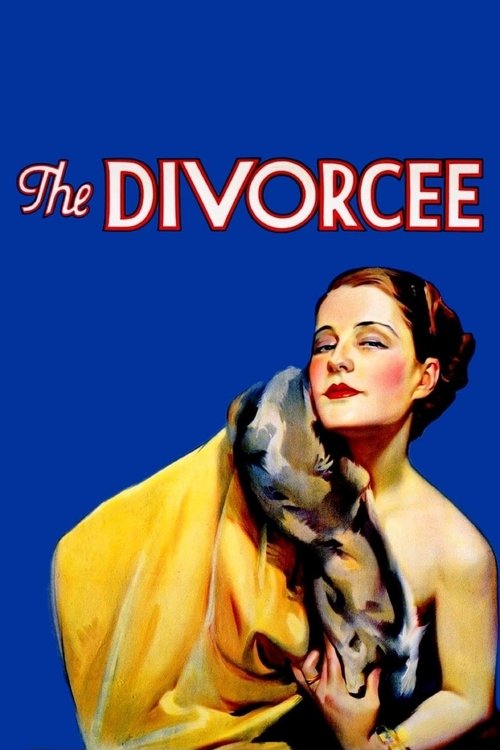
The Divorcee1930
Norma Shearer plays a woman who refuses to be shamed after her husband's infidelity, taking her own lovers and refusing to apologize. It's a startlingly modern argument about female autonomy, wrapped in beautiful production design and genuine romantic tension.
But At 113 minutes it moves slowly by modern standards, and the early Technicolor softens the edges of what should be a sharper film.
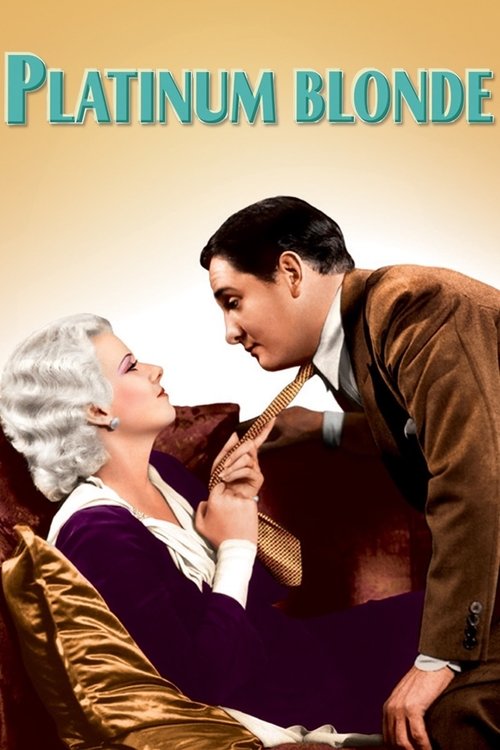
Platinum Blonde1931
Jean Harlow again, but as a spoiled heiress learning to value a working man who loves her for real. It's romantic comedy DNA, shot with Capra's briskness, and the banter between Harlow and Robert Williams has actual sting to it.
But The class-consciousness reads as wish-fulfillment now—the working man wins the girl through integrity and good humor, which is sweet but not how the world actually worked, even then.
Not sure tonight? Get a pick in a minute, starting from Sinners in the Sun
The wildcard
Something you would not have found on your own.
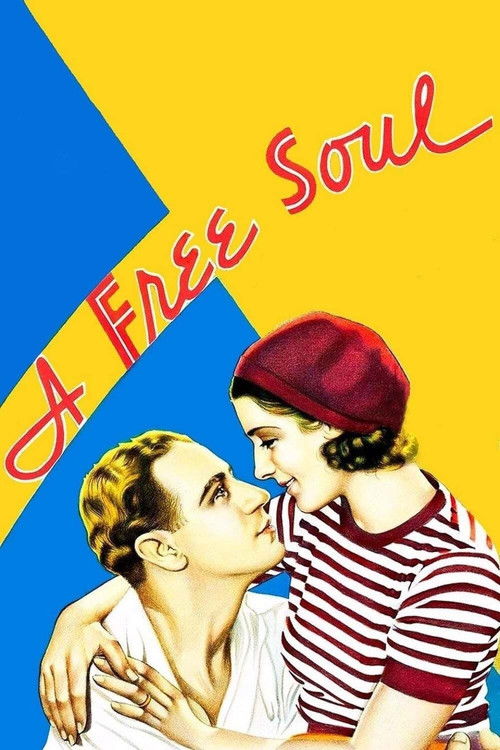
A Free Soul1931
Both are pre-Code films about women choosing between security and desire, structured around the tension between what society demands and what the heart wants. Both end in compromise that satisfies no one completely.
Norma Shearer's attorney father defends a mobster she falls for, and the film genuinely wrestles with the seduction of danger and the way morality bends around love. It's a real courtroom argument about complicity and desire, filmed without the comfort of easy answers.
But It's preachy in its final twenty minutes, and the conclusion asks you to accept a sacrifice that feels more convenient than earned. Also, the racketeer is sometimes written as sympathetic in ways that don't quite work.
More like this (8)
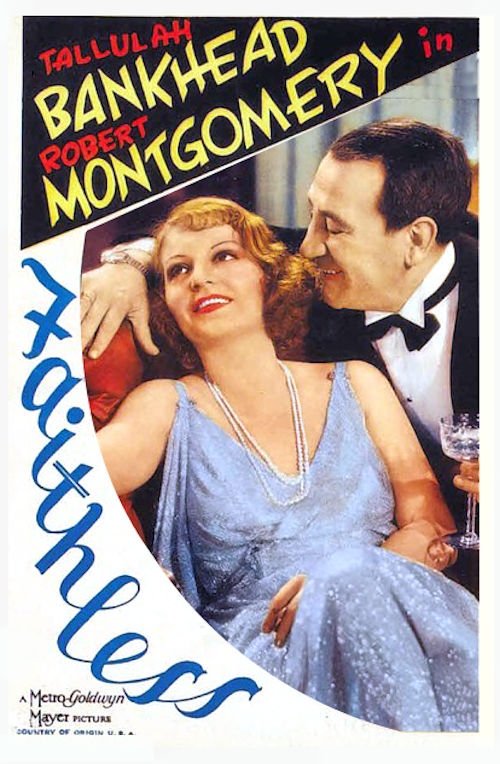
Faithless1932
Tallulah Bankhead in her only MGM film, playing a woman who leaves her working-class husband for wealth and glamour, then watches her life collapse into despair and poverty. It's brutal, unsparing, and deeply unglamorous about the cost of materialism.
But It's a cautionary tale so heavy-handed it occasionally tips into melodrama, and Bankhead's theatrical performance doesn't always match the film's grim realism.
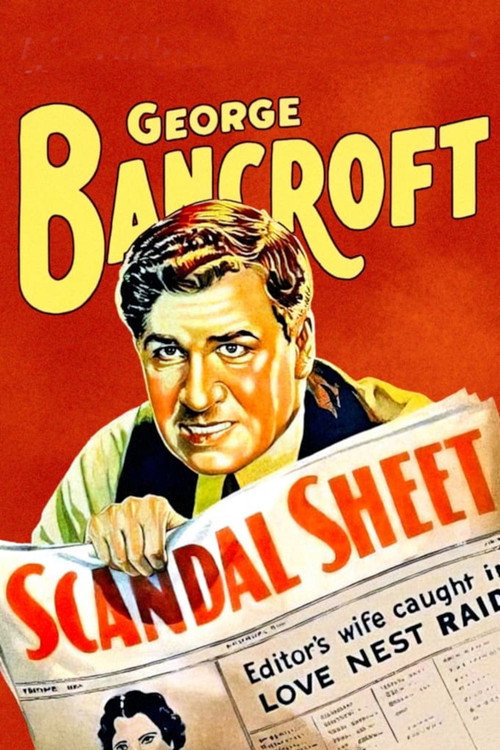
Scandal Sheet1931
A tabloid editor and a nightclub singer caught in a murder investigation; snappy dialogue, real stakes, and George Bancroft bringing weary authority to a morally compromised protagonist. It moves like water and doesn't waste a moment of its 77 minutes.
But The murder plot is almost secondary to the romance, and if you're looking for a mystery to solve, you'll feel a bit lost.
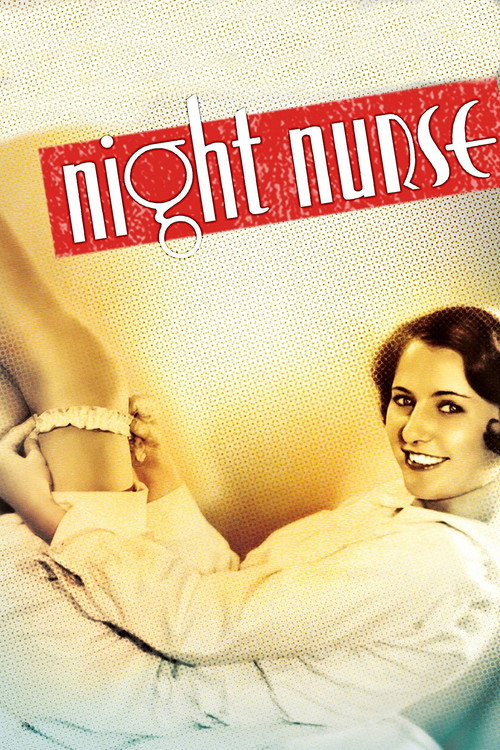
Night Nurse1931
Barbara Stanwyck as a young nurse discovering that her employer is poisoning her wealthy ward for inheritance. It's thrilling, tightly paced, and gives Stanwyck's moral certainty actual weight—she's not perfect, but she knows right from wrong.
But The tone wobbles between melodrama and social commentary, and it can feel like two different movies arguing with each other.
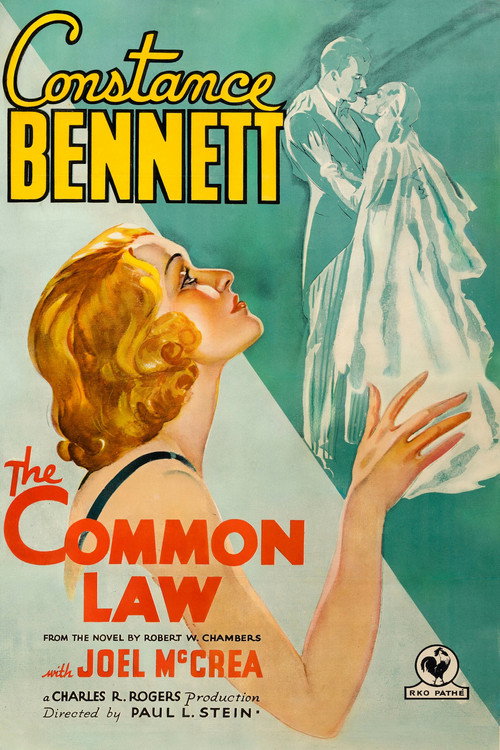
The Common Law1931
Constance Bennett as an artist's model who becomes a painter's lover, then his wife, then faces ruin when marriage doesn't save them from their own destructive patterns. Pre-Code cynicism about love, art, and the possibility of real connection.
But It's more interested in emotional texture than plot momentum, so if you need constant forward motion, it'll feel like watching paint dry in a nice gallery.
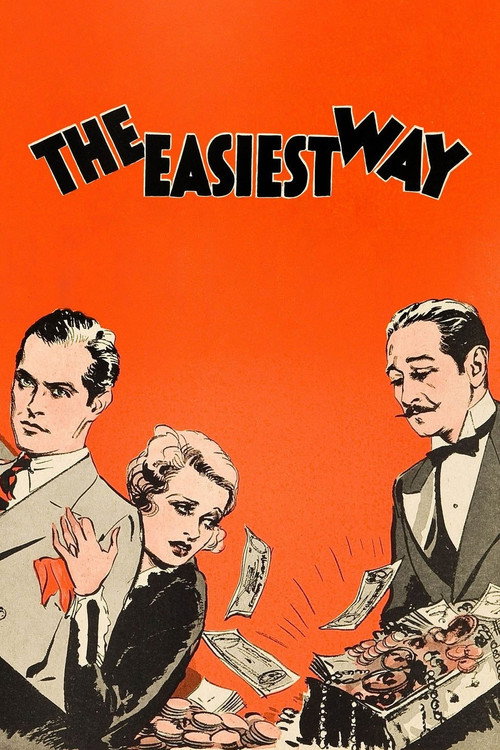
The Easiest Way1931
Constance Bennett again, as a shopgirl who becomes a kept woman and tries to claw her way back to respectability through sheer will. Unapologetic about the sex and money at the heart of the story; bracing and honest about social hypocrisy.
But The moralism of the final act undercuts everything the film spent 80 minutes saying, and it ends with a whimper after building genuine heat.
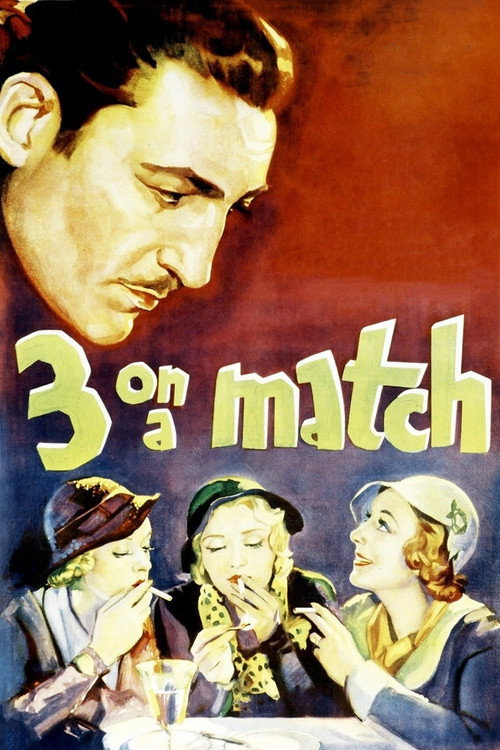
Three on a Match1932
Joan Blondell, Bette Davis, and Ann Dvorak as women whose lives diverge after a wealthy marriage tempts one of them. It's a rapid-fire ensemble piece with real insight into how money and ambition warp relationships, and the cast is uniformly excellent.
But It's plot-heavy and sometimes sacrifices character depth for incident—you're watching dominoes fall more than people choose their fates.
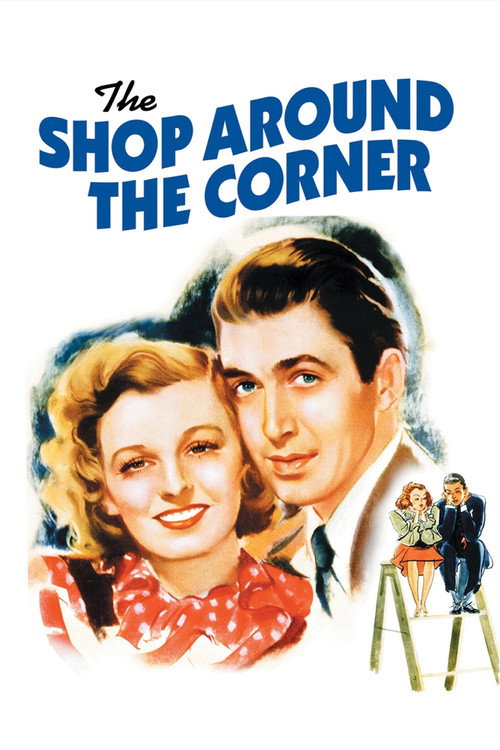
The Shop Around the Corner1940
A different era, but the same DNA: working-class romance built on honesty and self-knowledge, skeptical about surfaces and social position. Where Sinners uses the fashion model world as window dressing, this makes ordinariness itself noble.
Margaret Sullavan and James Stewart as shop clerks who hate each other in person but fall in love through anonymous letters—a romantic comedy about the gap between who we think we are and who we become with the right person. It's tender, funny, and genuinely moving without sentimentality.
But It's a slow burn in the first half, and if you need broad comedy or plot speed, it will feel slight and old-fashioned, even by 1940 standards.
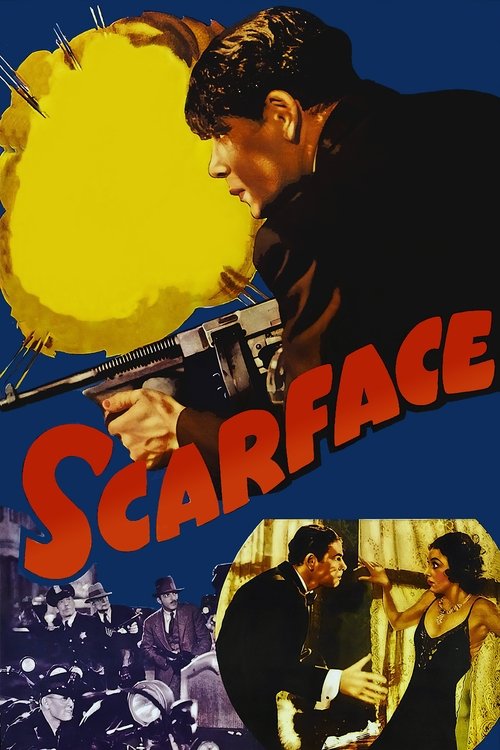
Scarface1932
Both films exist in the pre-Code moment when American cinema could look honestly at money, desire, and the failure of morality to police human ambition. Where Sinners dramatizes romance under capitalism's pressure, Scarface shows what happens when someone refuses the compromise—it's the dark mirror, the choice made without hesitation.
Paul Muni as Tony Camonte, a Prohibition gangster who rises to power through violence and charisma, with no illusions about his own capacity for brutality. It's visually audacious—Hawks films the criminal underworld with operatic intensity—and it argues that capitalism and criminality run on the same engine.
But It's brutal without being subtle about its brutalism, the violence is sudden and shocking, and the film treats the mob world with an admiration that makes real discomfort. The original ending was recut to add moralizing that undercuts the whole argument.
People
Cast
 Carole LombardDoris Blake
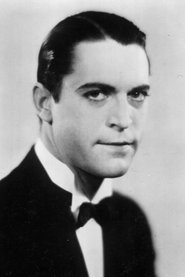 Chester MorrisJimmie Martin
 Adrienne AmesClaire Kinkaid
 Cary GrantRidgeway
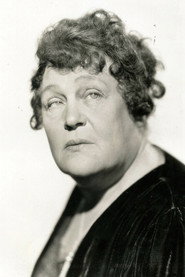 Alison SkipworthMrs. Blake
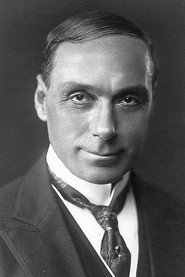 Reginald BarlowMr. Blake
 Walter ByronEric Nelson
- Zita MoultonFlorence Nelson
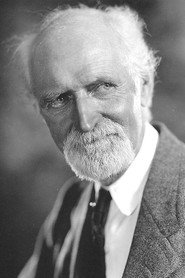 Luke CosgraveGrandfather Blake
 Ida LewisGrandmother Blake
- Russ ClarkFred Blake
- Frances MoffettMrs. Fred Blake
Directing
- Alexander HallDirector
Writing
- Mildred CramNovel
- Waldemar YoungScreenplay
- Samuel HoffensteinWriter
- Vincent LawrenceWriter