
Film
Scandal Sheet
Other titles called Scandal Sheet: the 1985 film.
A ruthless tabloid editor destroys his wife's reputation in print, then must confront the consequences when scandal ricochets back. This early sound drama crackles with the textures of newsroom life and tabloid morality—cynicism, speed, the seductive logic of a good story at any cost. For anyone curious about how cinema dramatized the press before it became fashionable to hate it.
If you liked this
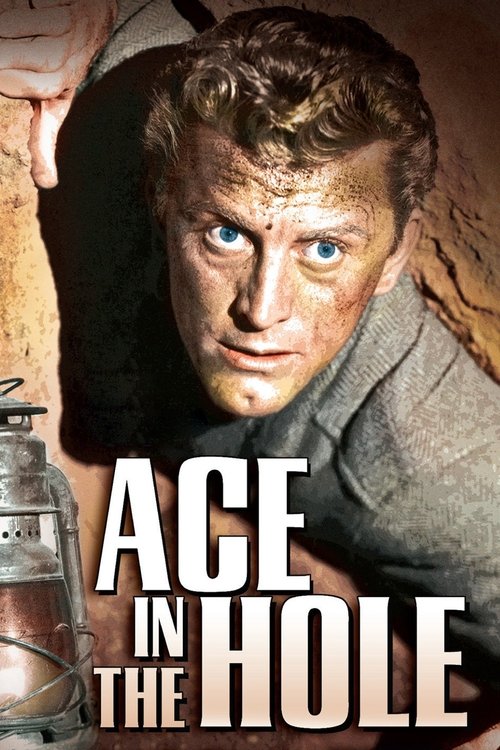
Ace in the Hole1951
A newspaper man manufactures a disaster to get a better story. Billy Wilder, before he was famous for softness, made this savage film about the corruption that lives in ambition and the media's addiction to suffering.
But It has no heroes, minimal warmth, and a moral bleakness that some find exhausting rather than clarifying.
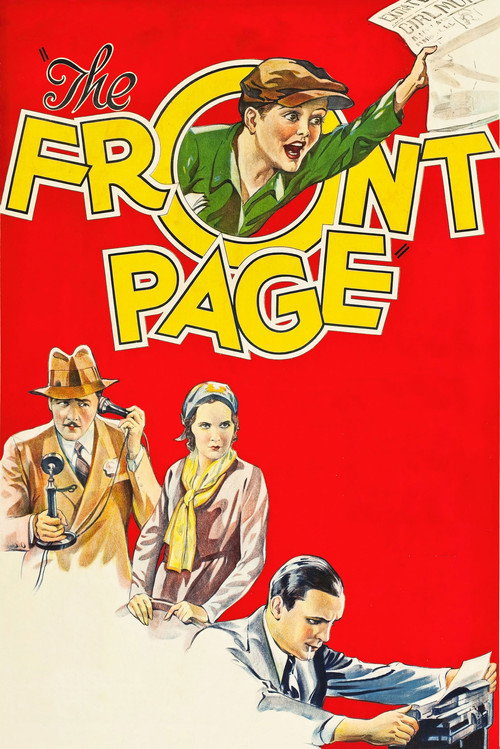
The Front Page1931
Also 1931, also about newspapers, but lighter—fast, funny, anarchic. A reporter tries to leave the business and his editor won't let him. Captures the camaraderie and chaos of a newsroom in real time.
But The pace is relentless and overlapping; some find the screwball tone harder to follow than dialogue spoken at normal speed.
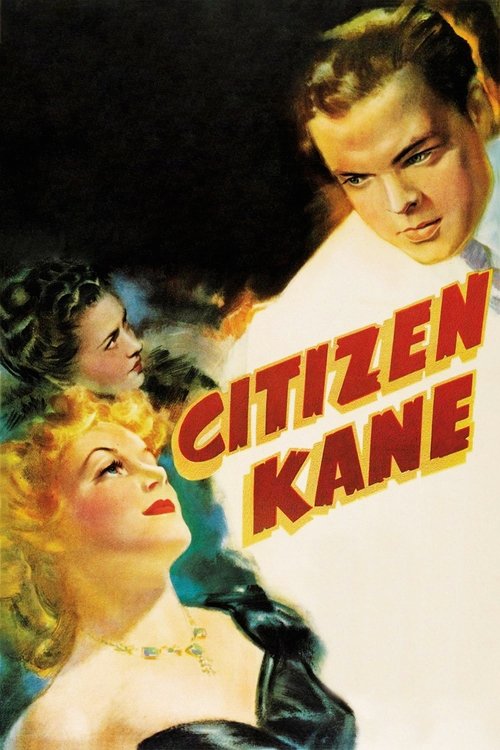
Citizen Kane1941
A newspaper man builds an empire on sensation and scandal. Orson Welles' masterpiece looks at ambition, corruption, and the hunger for power through the story of a publisher. The architecture of the film matches the architecture of the obsession.
But It's dense and doesn't hand you meaning on a plate. Some find it slow and prefer their Welles in a different register.
Not sure tonight? Get a pick in a minute, starting from Scandal Sheet
The wildcard
Something you would not have found on your own.
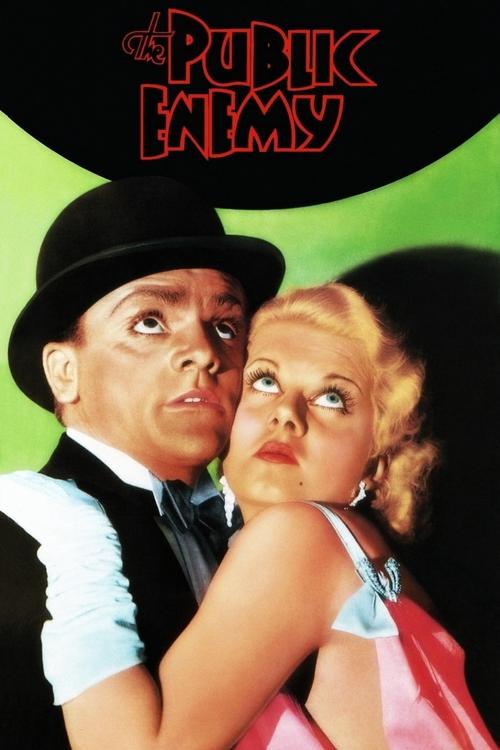
The Public Enemy1931
Both films ask whether the institutions we build to expose truth actually create the scandals they report. Both were made at a moment when that question was still urgent and not yet assumed.
The same year as Scandal Sheet, James Cagney plays a gangster whose rise is documented by newspapers that sensationalize his violence. Instead of examining the press, it shows how newspapers create the very criminals they claim to report on.
But It's raw even by 1931 standards, brutal in ways that feel anachronistic. Some find the moral argument submerged in the genre mechanics.
More like this (6)
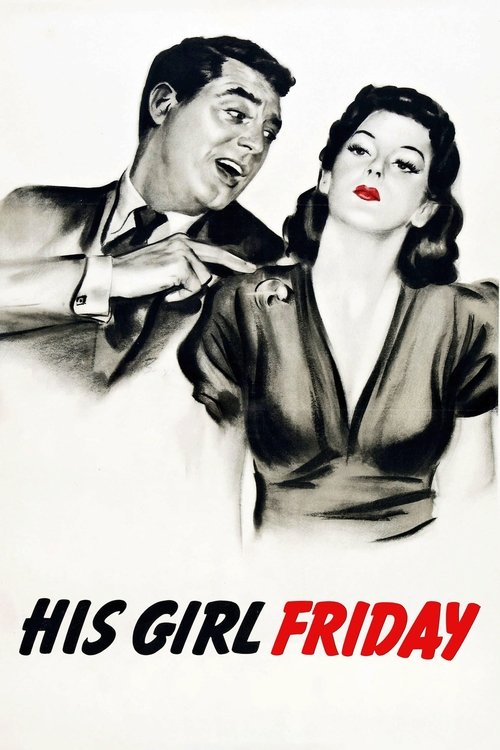
His Girl Friday1940
Fast, funny, and full of snap—a newspaper editor and his ex-wife, both reporters, caught in a murder story and each other. The dialogue moves like machine-gun fire and the whole thing feels alive.
But The screwball energy can feel thin if you're expecting moral complexity. It's a comedy first, not a critique.
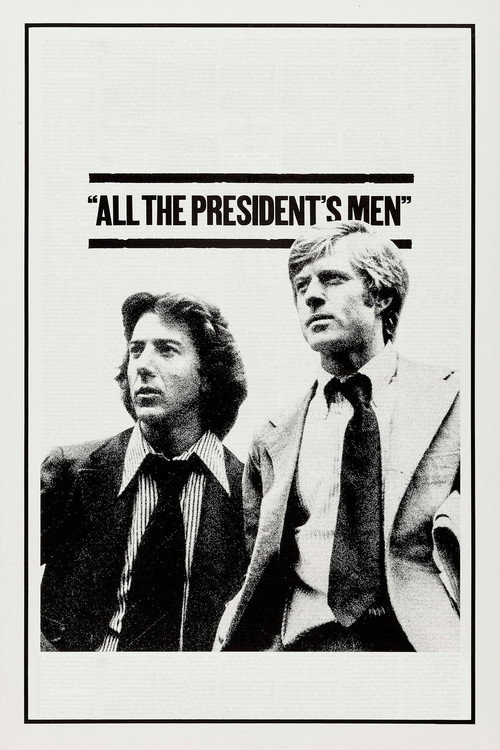
All the President's Men1976
Woodward and Bernstein chase the Watergate story. Methodical, tense, about journalism as painstaking work rather than scandal-mongering. Shows the press as check on power rather than servant of it.
But It's procedural and can feel slow. If you want moral ambiguity about the press, this offers moral clarity instead.
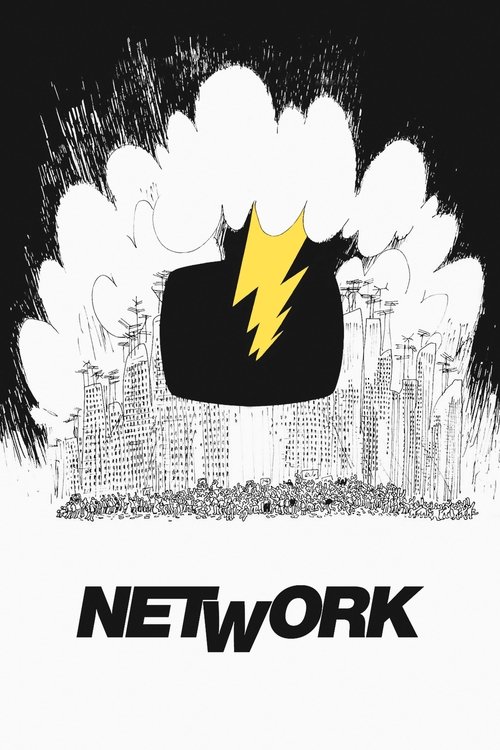
Network1976
A television network executive and news division in chaos chase ratings over truth. Ferocious satire of the media-industrial complex. Prophetic, angry, genuinely funny, and absolutely true to the structural incentives that destroy integrity.
But It's loud and polemical. If you prefer subtlety to being hit over the head, the obviousness of the critique may frustrate you.
Spotlight2015
A newsroom investigates the Catholic Church. Slow, methodical, about the dignity of reporting and the power of paying attention. Shows journalism as moral labor, not spectacle.
But It's deliberately unglamorous and procedural. If you came for fire, you'll find diligence instead.

The Killing1956
A race-track job spirals into murder and betrayal. Early Kubrick, noir to the bone, with the cynicism about human nature that feeds tabloid logic. Taut and perfectly shaped.
But It's relentlessly dark and the plot turns on luck and timing rather than character. Some find that cold.

In a Lonely Place1950
Both films understand that scandal and gossip are not journalism—they're revenge dressed up as reporting. Both ask what a man becomes when his power to control his image fails.
Humphrey Bogart as a screenwriter suspected of murder, destroyed by gossip and innuendo in Hollywood. A noir about how reputation is currency and how quickly the machinery of public opinion grinds you to nothing. Tender and savage at once.
But It's melancholy rather than thrilling. The arc is about moral decline, not redemption, and the ending won't comfort you.

People
Cast
 George BancroftMark Flint
 Kay FrancisEdith Flint
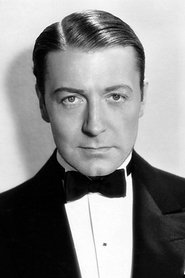 Clive BrookNoel Adams
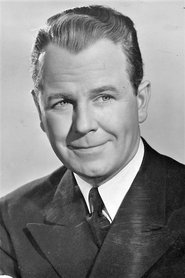 Regis ToomeyRegan
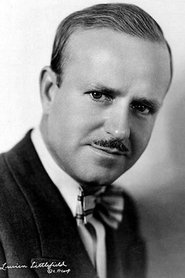 Lucien LittlefieldCharles McCloskey
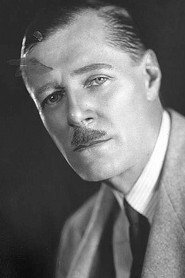 Gilbert EmeryFranklin
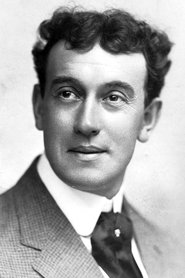 Harry BeresfordEgbert Bertram Arnold
 Mary FoyMrs. Wilson
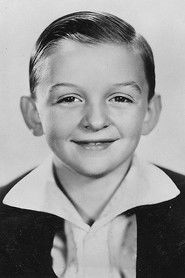 Jackie SearlLittle Wilson Boy
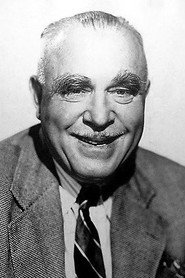 Fred KelseyDetective Sgt. Vincent Molloy
- William ArnoldMember of Board of Directors
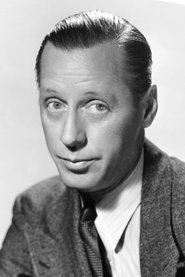 Irving BaconReporter Kent (uncredited)
Directing
- John CromwellDirector
Writing
- Oliver H.P. GarrettStory
- Max MarcinWriter
- Vincent LawrenceWriter