
Film
Night Nurse
A 1931 crime thriller where a newly qualified nurse discovers her young charges are being deliberately poisoned by their caregiver. Barbara Stanwyck is electric as Lora, who shifts from naive idealist to someone willing to break every rule to protect her patients. It's fast, morally murky, and driven by pre-Code Hollywood's willingness to put its characters in genuinely dark places.
If you liked this
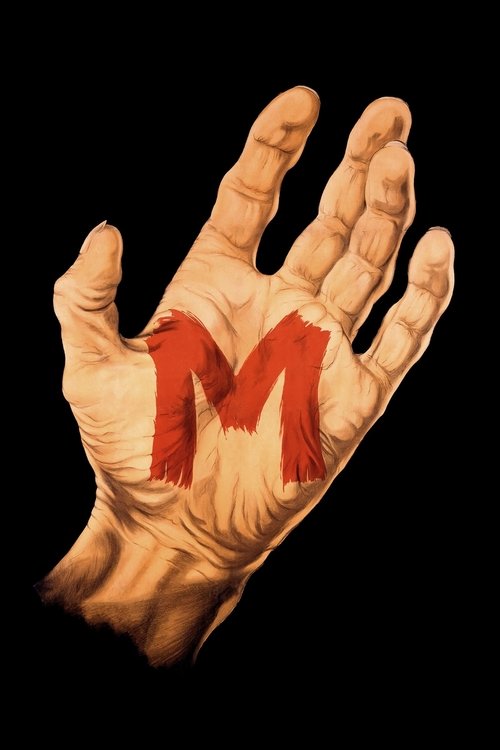
M1931
Fritz Lang's masterpiece about a child murderer hunted through Berlin. Like Night Nurse, it treats crime as systemic corruption rather than individual villainy, and its tension comes from watching institutions fail the vulnerable.
But It's German Expressionist cinema—austere, deliberately artificial, sometimes slow. Not a thriller in the modern sense; it's about atmosphere and dread rather than action.
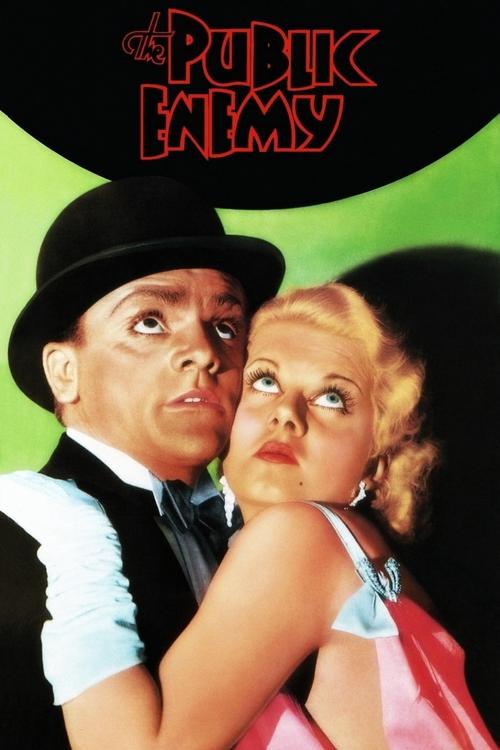
The Public Enemy1931
James Cagney in the film that made him a star, playing a violent sociopath with charisma. Made the same year as Night Nurse, it shares that pre-Code appetite for moral ambiguity and its willingness to show crime as seductive.
But Cagney's character is almost unbearably cruel to the women around him. The violence is casual and the film doesn't moralize it away. Some find it punishing.
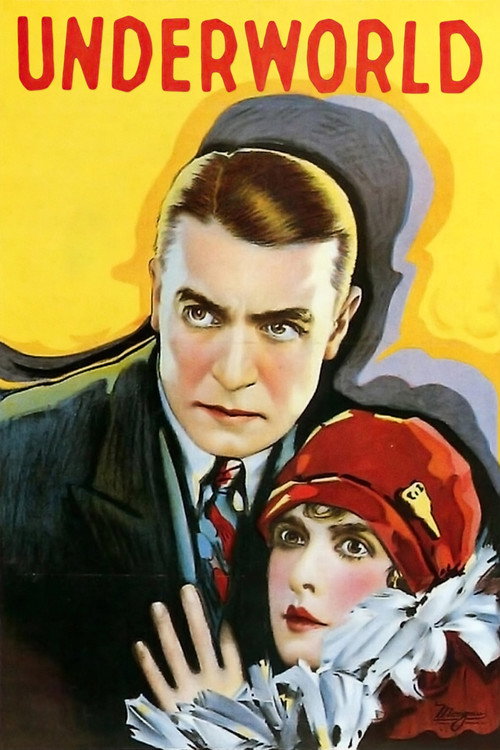
Underworld1927
Josef von Sternberg's originator of the crime film. Stylish, fatalistic, and interested in how ordinary people get trapped in underworld machinery. Sets the template that Night Nurse refines.
But Silent film. The pacing is glacial by modern standards, and you're reading everything. The plot is simpler than you'd expect from all that visual grandeur.
Not sure tonight? Get a pick in a minute, starting from Night Nurse
The wildcard
Something you would not have found on your own.
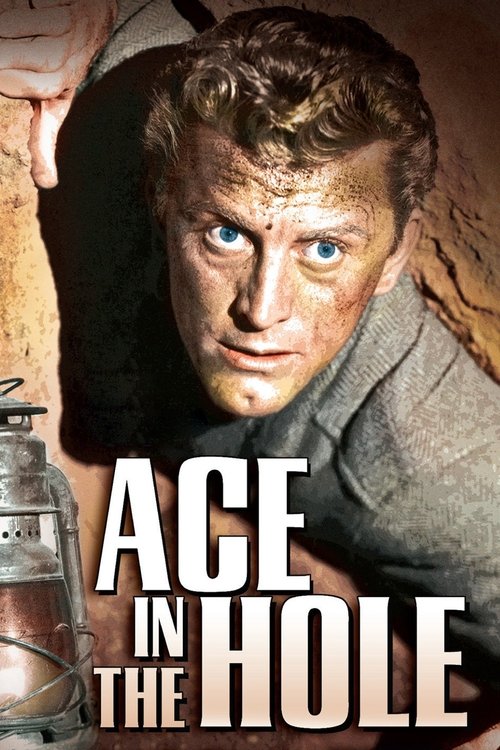
Ace in the Hole1951
Both films are about protagonists who break rules nominally to help someone, but are they? Night Nurse asks whether Lora's recklessness serves the children or herself. Ace in the Hole asks whether the reporter's crusade serves justice or ego. Both refuse to let us off the hook.
Billy Wilder's most corrosive film: a journalist exploits a mining disaster to resurrect his career, and everyone around him enables it. Like Night Nurse, it's about institutions that should protect people actively harming them—but here Wilder points the camera at complicity in the audience too.
But It's brutal toward its protagonist and offers no emotional reward. Wilder normally finds dark comedy in moral failure; here he just shows the failure. Relentlessly bleak.
More like this (8)
In a Lonely Place1950
Humphrey Bogart as a volatile screenwriter accused of murder. Like Night Nurse, it's about a protagonist who may be complicit in something terrible, and it refuses to let us feel safe judging them.
But It's bleak and gets bleaker. There's no redemption, no catharsis, just the slow realization that everyone is compromised. Some find it misanthropic.

The Killers1946
Burt Lancaster's debut in a noir that opens with a contract killing and spirals backward through the dead man's life. Structurally clever and genuinely shocking for 1946.
But Lancaster's likable charm masks a fundamentally passive character. If you want active heroism, you'll find him frustrating.

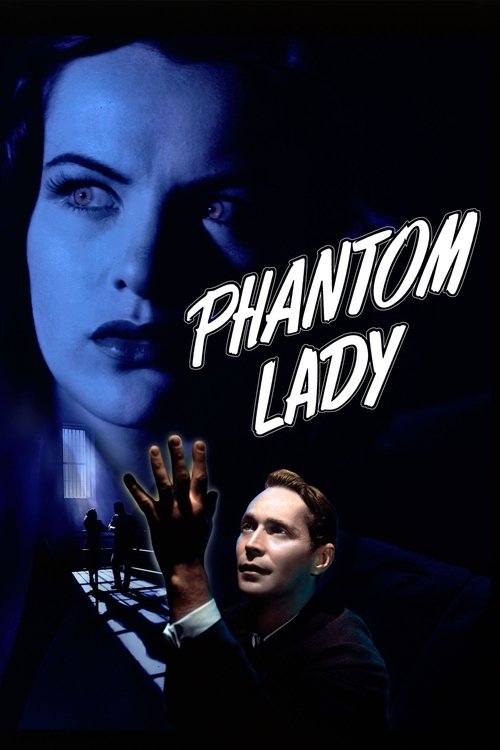
Phantom Lady1944
Robert Siodmak's showcase for Ella Raines as a woman proving her fiancé innocent of murder. Expressionistic lighting, practical detective work, and a heroine who has agency the way Lora does.
But The sexuality is coded heavily in 1940s language. Modern viewers sometimes find the emotional stakes unclear beneath the visual flourishes.
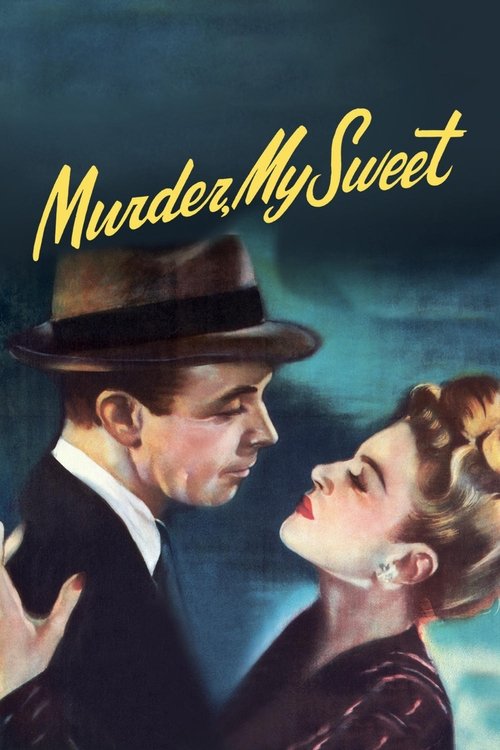
Murder, My Sweet1944
Dick Powell as a gumshoe entangled in a blackmail scheme that goes much darker than expected. Cynical, expertly plotted, and shot through with Powell's everyman charm turning sour.
But The plot is genuinely complicated and requires attention. If you're looking for something to half-watch, this isn't it.
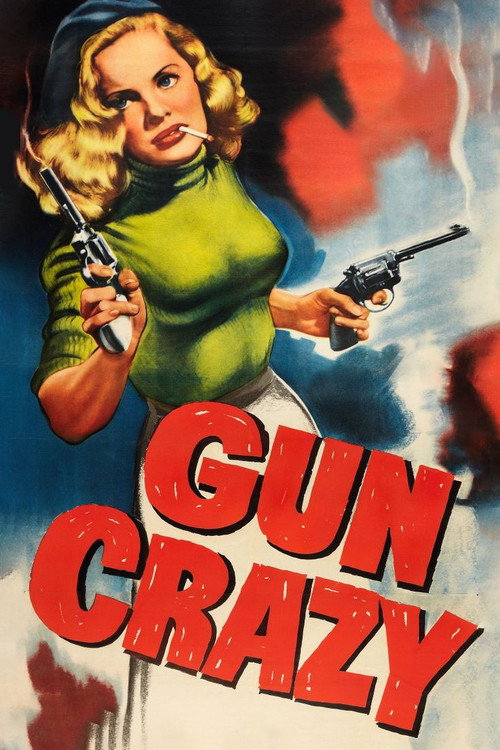
Gun Crazy1950
Bonnie and Clyde before Bonnie and Clyde. A couple on the run, told with genuine feeling for their destructiveness. Shooting on real locations gives it documentary texture that elevates the pulp premise.
But The violence feels gratuitous to some viewers. The lovers are never truly sympathetic, just desperate and trapped.
The Asphalt Jungle1950
John Huston's heist film that invented the template. Ensemble cast, meticulous planning, detailed character work. Shows why criminals fail not through moral judgment but through contingency.
But It's a heist that goes wrong. If you're hoping for clever thieves outsmarting everyone, prepare for entropy instead.

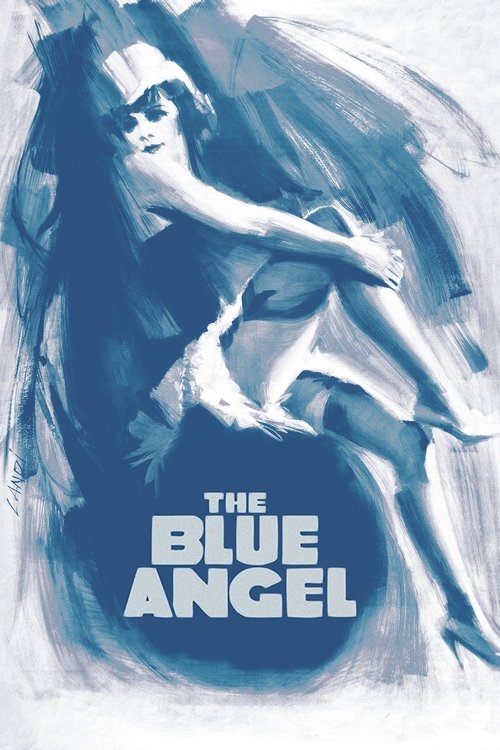
The Blue Angel1930
Both are pre-Code films fascinated by women who operate outside respectable society. Lora as night nurse and Lola as cabaret singer each occupy dangerous social positions; each film asks whether they're victims or architects of their own destruction.
Josef von Sternberg's German masterpiece: Marlene Dietrich as Lola, a cabaret singer who destroys a respectable professor. Visually intoxicating, sexually frank for 1930, and genuinely tragic rather than moralizing.
But It's German-language (subtitled in English). The pacing is deliberate and sensual rather than propulsive. Some modern viewers find the sexual politics queasy.
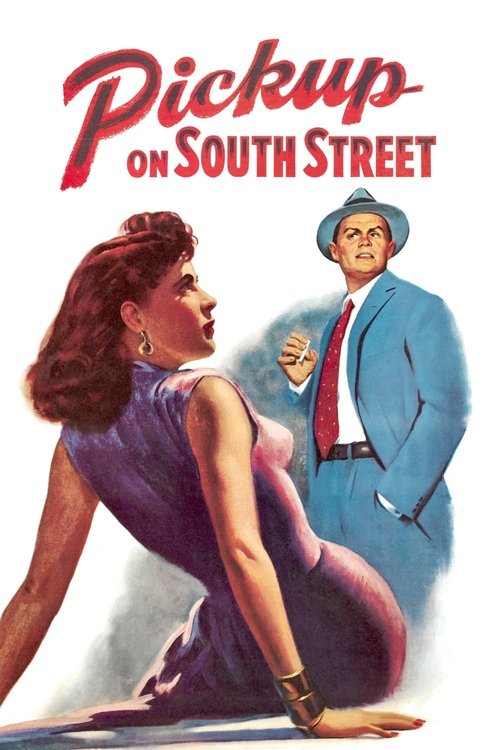
Pickup on South Street1953
Both Lora and Fuller's pickpocket are working-class people who discover they're expendable to systems supposedly protecting society. Both films watch them move through corrupt institutions and emerge hardened, not redeemed. The connection is structural and moral, not tonal.
Samuel Fuller's feverish Cold War noir about a pickpocket caught between spies. Shot on location in New York's underclass with documentary urgency. Jean Peters does what Lora does—operates alone, outside the law, against odds that don't care about her.
But Fuller's style is jagged and sometimes incoherent. The politics are ardently anti-Communist in ways that feel dated. The pacing is erratic by design, and some find it exhausting.
People
Cast
 Barbara StanwyckLora Hart
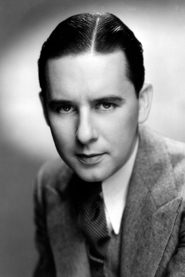 Ben LyonMortie
 Joan BlondellMaloney
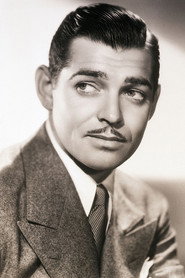 Clark GableNick
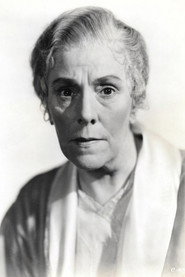 Blanche FridericiMrs. Maxwell
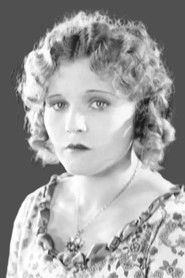 Charlotte MerriamMrs. Ritchey
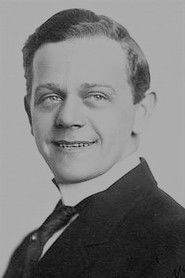 Charles WinningerDr. Bell
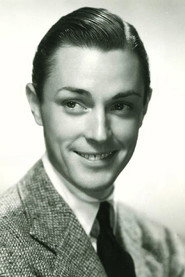 Edward NugentEagan
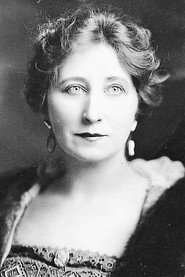 Vera LewisMiss Dillon
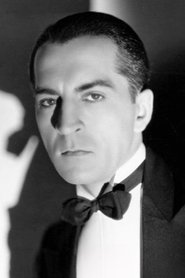 Ralf HaroldeDr. Milton Ranger
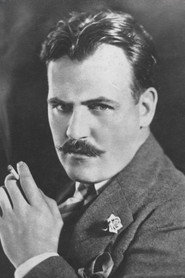 Walter McGrailThe Drunk
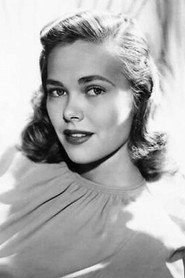 Betty Jane GrahamDesney Ritchey (uncredited)
Directing
- Frank ShawAssistant Director
- William A. WellmanDirector
- Fred ApplegateScript Supervisor
- Sylvan KarpSecond Assistant Director
Writing
- Grace PerkinsNovel
- Oliver H.P. GarrettScreenplay
Production
- William KoenigProduction Manager