
Film
My Son John
A 1952 Cold War drama where a mother's worst suspicions about her son's loyalty tear a family apart. It's a paranoid, morally murky portrait of McCarthyist America that takes its own anxieties seriously—sometimes to the point of bewilderment. For anyone interested in how fear rewrites a nation's conscience.
If you liked this
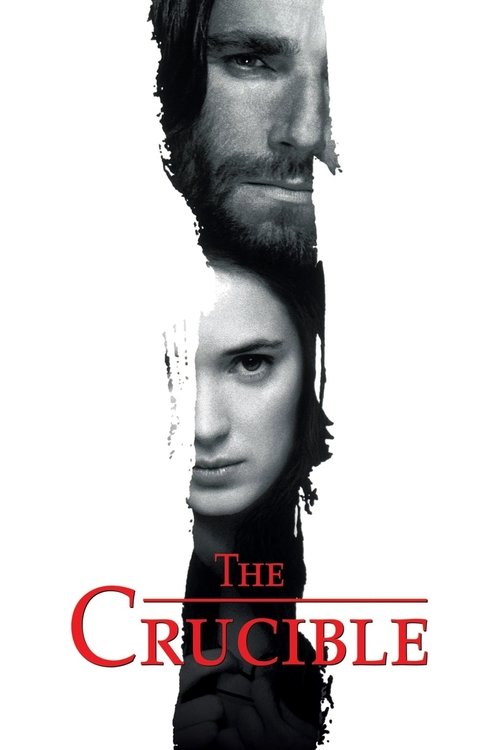
The Crucible1996
Arthur Miller's play adapted for film, exploring mass hysteria and false accusation in Salem. It's a direct moral mirror to McCarthyism and the paranoia of My Son John's era, with the same suffocating inevitability.
But The parallels are deliberate and sometimes heavy-handed. If you prefer subtlety over allegory, it can feel didactic.
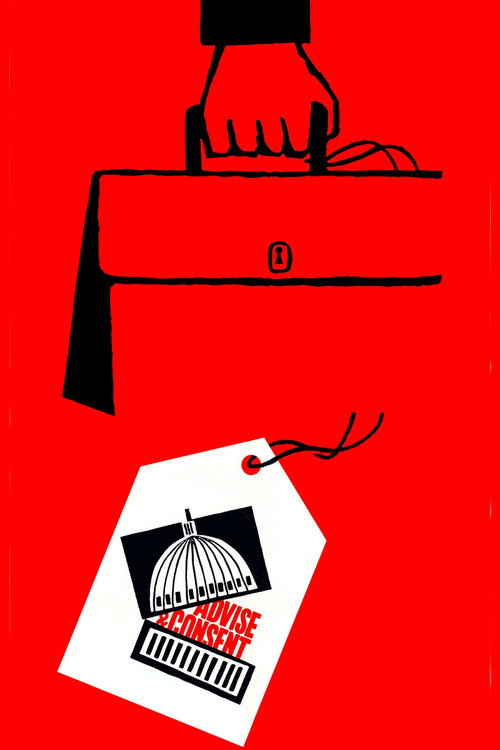
Advise & Consent1962
Otto Preminger's Washington thriller about confirmation hearings and blackmail. It captures the same claustrophobic political atmosphere and the way private shame becomes public weaponry.
But It's long, procedurally dense, and the pacing assumes you're already invested in Senate protocol. Dense in places where My Son John would accelerate.
Johnny Guitar1954
Nicholas Ray's Western with Joan Crawford uses frontier mythology to interrogate McCarthyism. It's oblique and weird in ways My Son John isn't, but the moral confusion is kin.
But It's genuinely strange and won't satisfy anyone looking for a straightforward narrative. The gender politics are complicated even by modern standards.

Not sure tonight? Get a pick in a minute, starting from My Son John
The wildcard
Something you would not have found on your own.
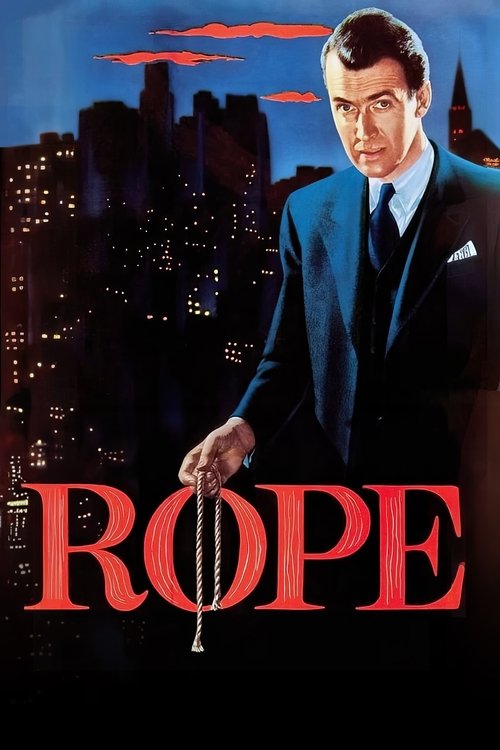
Rope1948
Both films are built on a parent's terrible suspicion about who their child really is, and both refuse the comfort of certainty.
Hitchcock's real-time thriller uses a mother's lingering question about her son's character to unlock something darker about love and complicity. Like My Son John, it asks how well a parent can ever truly know their child.
But It's stagey by design, confined to a single apartment. The theatrical artifice demands patience and rewards it only intermittently.
More like this (8)
The Best Years of Our Lives1946
William Wyler's epic follows three returning WWII soldiers navigating a changed America. It shares My Son John's investment in family fracture and what loyalty means when the war is over.
But It's three hours and considerably gentler. The optimism might feel naive if you're coming from My Son John's darker vision.

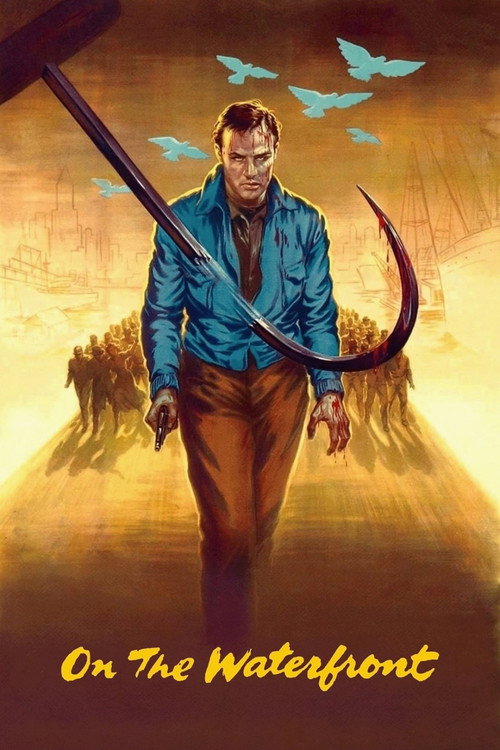
On the Waterfront1954
Kazan and Brando on informing, conscience, and institutional corruption. It asks similar questions about who you betray and why, but with visceral, working-class intensity.
But Terry Malloy's journey resolves with heroic clarity. My Son John offers no such comfort, which some find bracing and others find bleak.
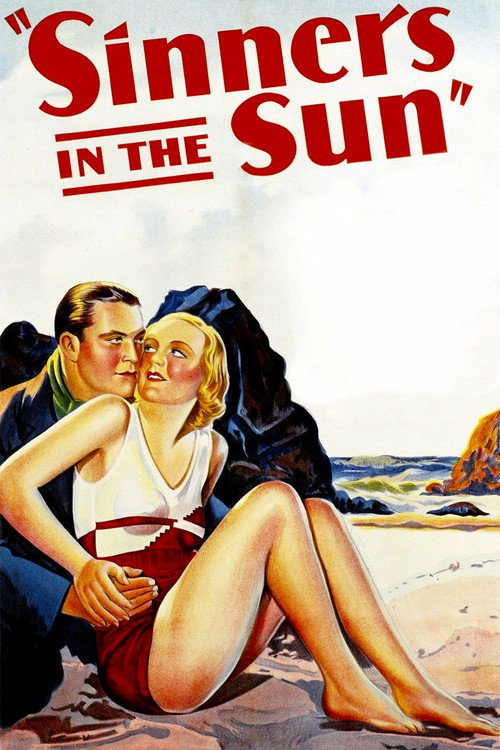
Sinners in the Sun1932
Early sound melodrama about young people adrift in a corrupt world. It shares My Son John's anxiety about the younger generation and what they're becoming, though set in a different moral landscape.
But The 1932 morality is dated and sometimes laughable. The film predates the Production Code's enforcement, which changes everything.
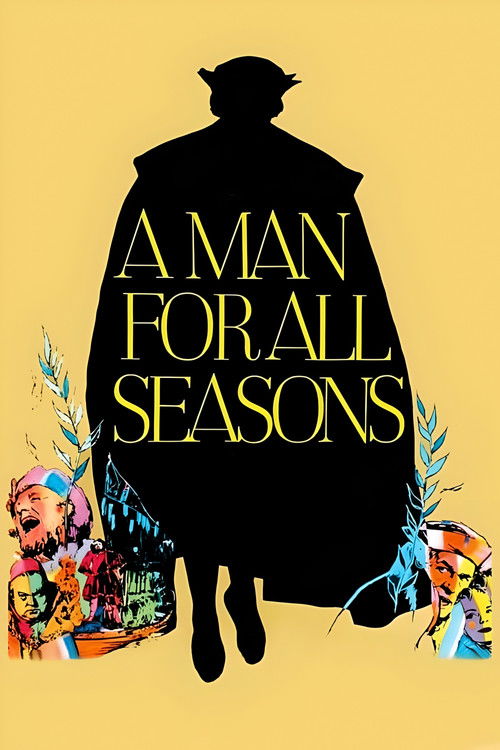
A Man for All Seasons1966
Fred Zinnemann's historical drama about conscience and state power. Like My Son John, it's ultimately about whether you compromise belief for family, country, or survival.
But It's stately and theatrical. If you want immediate emotional engagement, the formal distance can feel cold.
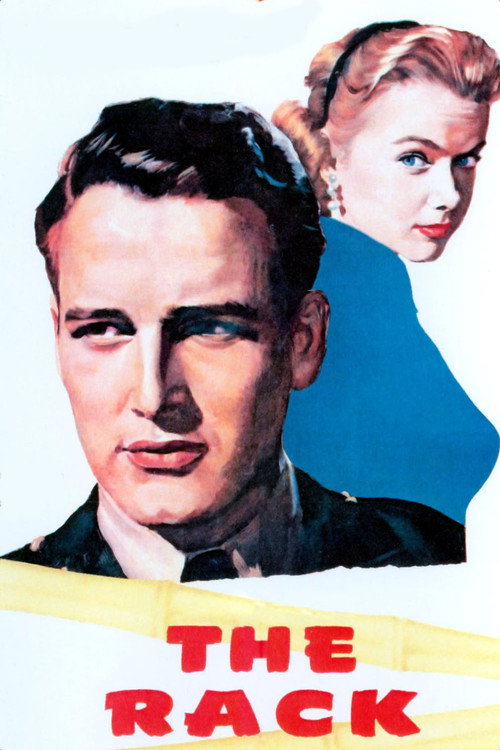
The Rack1956
Arnold Laven's film about a Korean War vet accused of collaboration. It shares My Son John's interrogation of loyalty and the ambiguity of whether someone can be rehabilitated in the eyes of their family.
But It leans more toward melodrama than moral ambiguity. The resolution is neater than My Son John's will ever be.
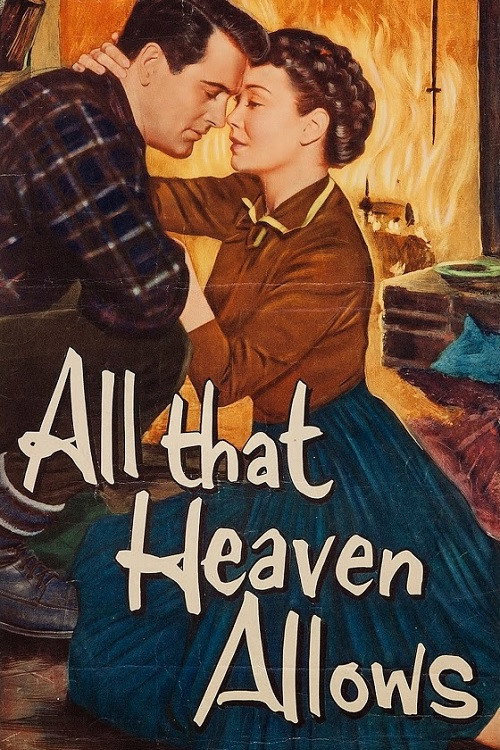
All That Heaven Allows1955
Douglas Sirk's Technicolor melodrama about a widow defying her children's wishes. The surface is gorgeous, but underneath is the same family rupture and refusal to capitulate to shame.
But The visual beauty can seem to undercut the pain. If you prefer your dramas austere, the aestheticization might feel like evasion.
La Haine1995
Both are films about young people marked as dangerous by the state and the families watching helplessly as ideology consumes love.
Mathieu Kassovitz's black-and-white portrait of three young men in Paris suburbs caught in cycles of state suspicion and rage. It's what My Son John might look like filtered through decades of urban alienation and the immigrant experience.
But It's in French with subtitles, formally austere, and morally hopeless. The anger is relentless and unvarnished.

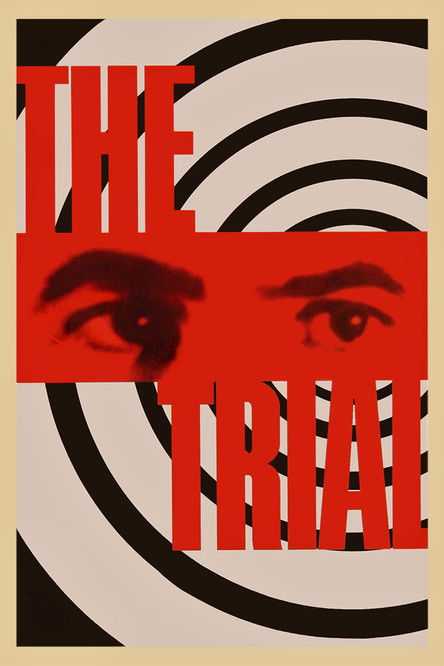
The Trial1962
Both films are about being investigated for crimes the system has already decided you committed, and the impossibility of proving innocence against institutional machinery.
Orson Welles's adaptation of Kafka transforms paranoia into visual nightmare. It captures My Son John's atmosphere of baseless accusation and the way systems of suspicion distort everyone they touch.
But It's surreal, fragmented, and often abstract. If you want plot momentum, you'll find only dread.
People
Cast
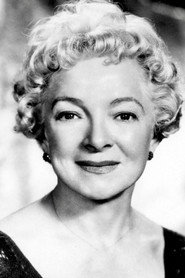 Helen HayesLucille Jefferson
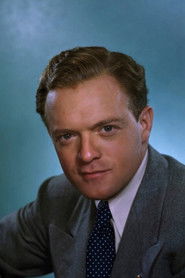 Van HeflinStedman
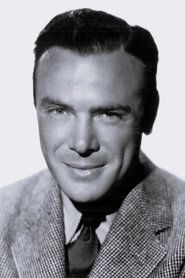 Dean JaggerDan Jefferson
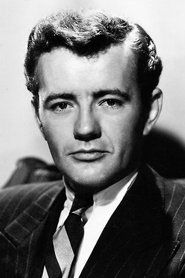 Robert WalkerJohn Jefferson
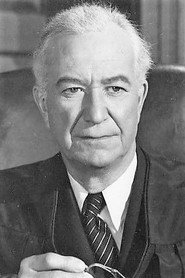 Minor WatsonDr. Carver
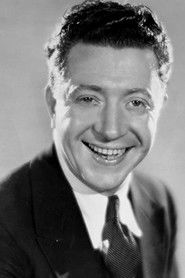 Frank McHughFather O'Dowd
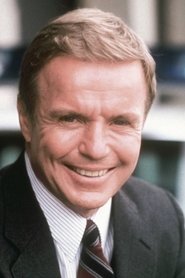 Richard JaeckelChuck Jefferson
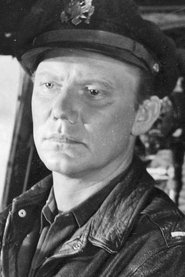 James YoungBen Jefferson
- Jimmie DundeeTaxi Driver (uncredited)
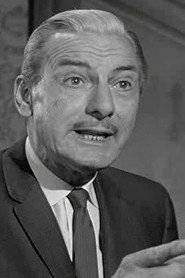 Douglas EvansGovernment Employee (uncredited)
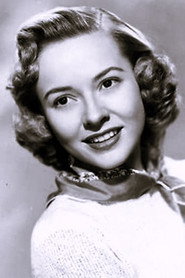 Nancy HaleNurse (uncredited)
- Sam HarrisProfessor at Graduation Ceremony (uncredited)
Directing
- Alvin GanzerAssistant Director
- Leo McCareyDirector
Writing
- John Lee MahinAdaptation
- Leo McCareyScreenplay
- Myles ConnollyScreenplay
- Leo McCareyStory
Production
- Leo McCareyProducer