
Film
All That Heaven Allows
Douglas Sirk's Technicolor melodrama is gorgeous on purpose — every crimson leaf and picture window is doing emotional work, mocking the very suburban propriety it depicts. A widow falls for her gardener and her country-club world closes ranks. It's a weepie with teeth, for anyone who wants old Hollywood glamour laced with quiet fury at respectability itself.
If you liked this
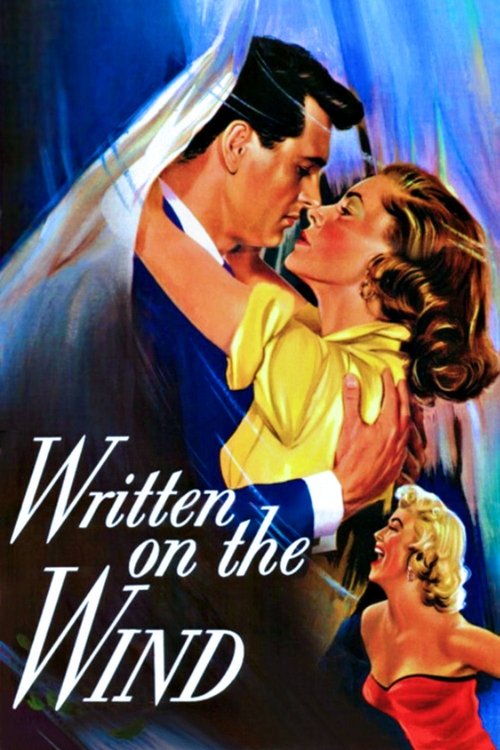
Written on the Wind1956
Sirk again, one year later, even more delirious — oil money, alcoholism, and repressed desire drenched in the same lurid, knowing colour palette. If you loved the style here, this pushes it further.
But More operatic and less restrained; some find it tips from melodrama into outright camp.
Magnificent Obsession1954no page yet
The Sirk/Hudson/Wyman trio's earlier outing, and the film that made this one possible — guilt, redemption, and love reshaping a life, all in that same rich, theatrical style.
But Leans harder into contrivance and Christian sentimentality; a tougher sell for cynics.
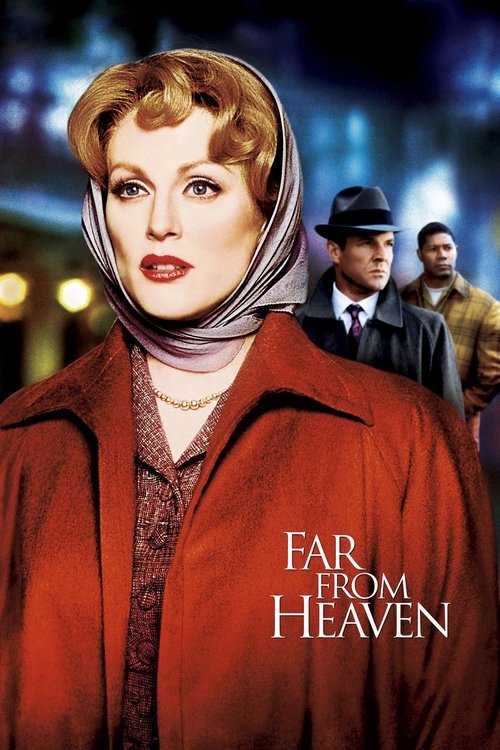
Far from Heaven2002
Todd Haynes rebuilds the exact Sirkian world — sets, score, colour — then adds race and closeted sexuality to the class taboo, making the social cruelty even sharper.
But Knowingly artificial as homage; if you want the real 1950s thing, this is a mirror, not the source.
The wildcard
Something you would not have found on your own.
Ali: Fear Eats the Soul1974no page yet
Fassbinder loved this film and rebuilt its structure almost beat for beat, swapping class for race to show the same social machinery in a harsher key.
Fassbinder made this as a direct answer to Sirk — an older German widow falls for a much younger Moroccan immigrant, and the town's disapproval turns openly, brutally racist rather than merely snobbish.
But Far starker and slower, with none of Sirk's visual sugar-coating — this hurts on purpose.
More like this (8)
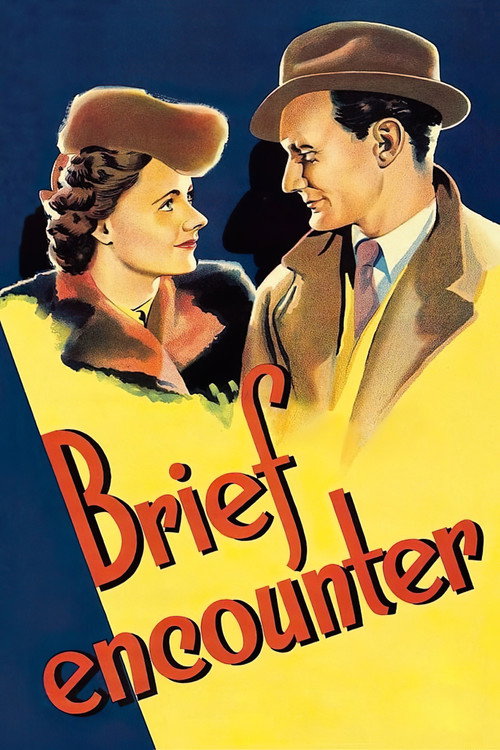
Brief Encounter1945
British, buttoned-up, devastating — a married woman falls for a stranger, and the film finds enormous feeling in what polite society won't let anyone say out loud.
But Cooler and more clipped than Sirk's lushness; the restraint can feel like distance.
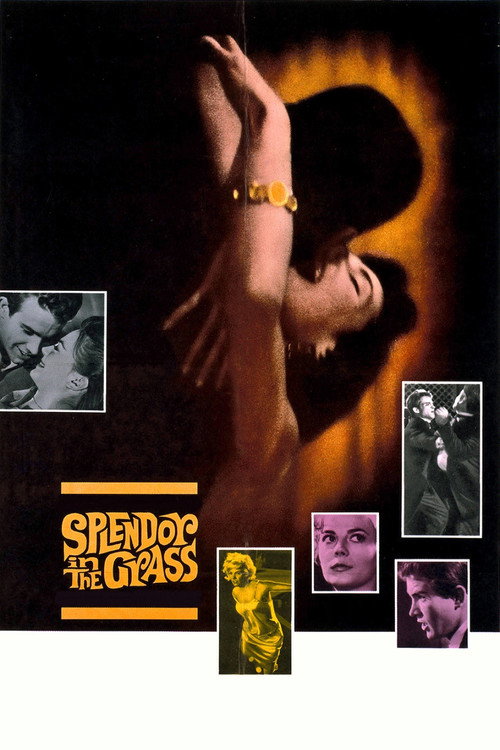
Splendor in the Grass1961
Kazan's story of small-town desire crushed by respectability and parental disapproval, with Natalie Wood unraveling under the weight of what she's told she shouldn't want.
But Rawer and more psychologically brutal — less swoon, more breakdown.
An Affair to Remember1957no page yet
A glossy, genuinely moving romance about two people who don't fit their assigned social lanes, with the kind of sincere, old-fashioned yearning this film also trades in.
But Sentimental in a straighter, less critical way — no satirical undertow.
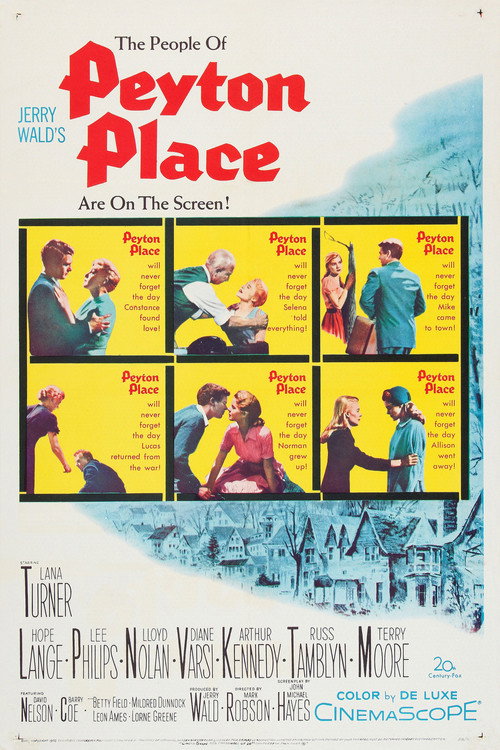
Peyton Place1957
Small-town New England hypocrisy laid bare — gossip, scandal, and the suffocating cost of keeping appearances, the same social machinery that punishes Cary here.
But Sprawling multi-plot soap rather than one focused romance; less intimate.
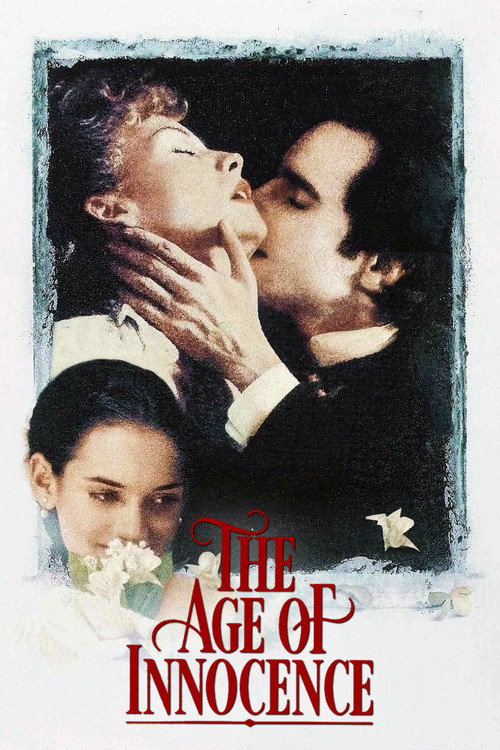
The Age of Innocence1993
Scorsese turns his usual violence inward — a society that destroys a love affair not with fists but with dinner invitations and silence, exquisitely and coldly done.
But Slower and more novelistic; the cruelty is glacial rather than melodramatic.
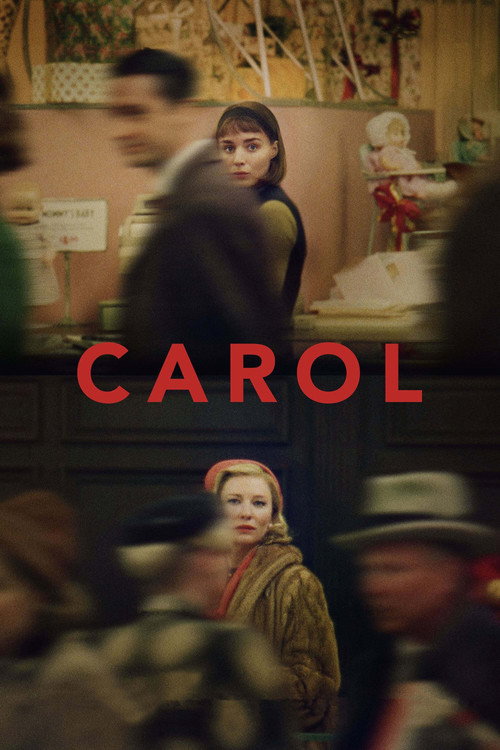
Carol2015
Another lushly shot, socially forbidden love story where desire runs up against 1950s convention, with the same attention to surface beauty hiding real risk.
But Quieter and more internal — glances and silences rather than confrontation.
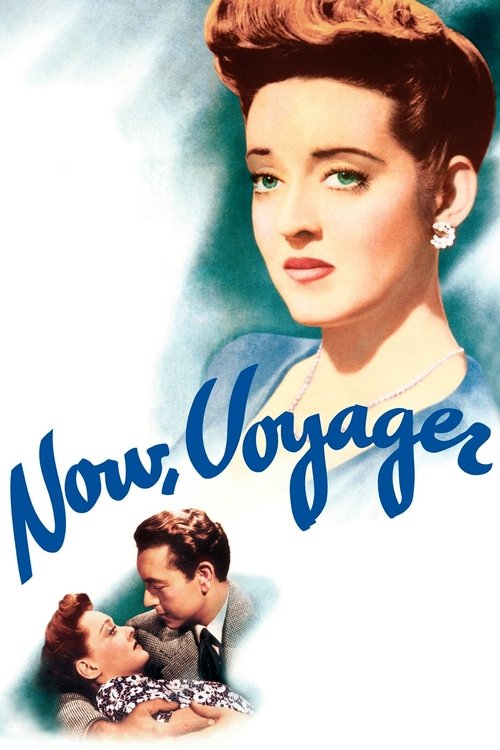
Now, Voyager1942
A decade earlier, this did the same trick — using studio gloss and a forbidden romance to smuggle in a genuine feminist argument about women's right to want things.
Bette Davis as a repressed spinster who blossoms through love and defies her domineering family — an earlier, equally glamorous Hollywood weepie about a woman claiming her own life against everyone's expectations.
But More overtly psychoanalytic and speechy; the melodrama is verbal rather than visual.
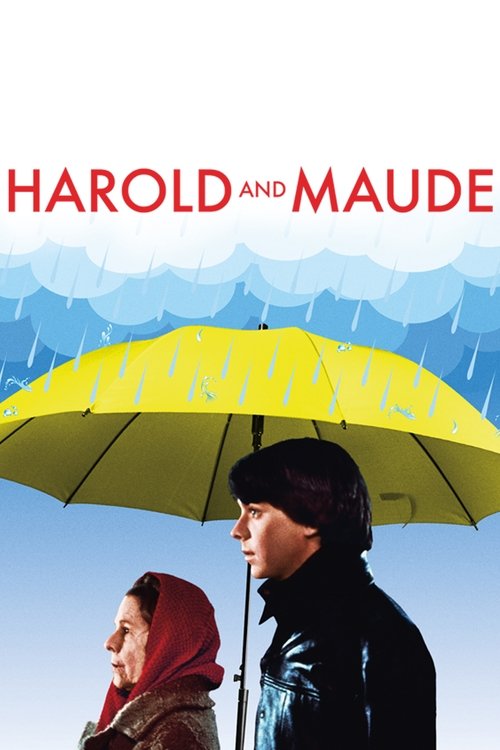
Harold and Maude1971
Same engine — an unconventional couple, a scandalised society, an age difference everyone objects to — but run through comedy instead of melodrama, proving the story survives a total change of costume.
A wildly different age-gap romance that scandalises everyone around it, but played as dark comedy — funeral-crashing, hearse-driving, and a joyous refusal to care what anyone thinks.
But Tonally the opposite of Sirk's earnestness — deadpan, morbidly funny, and deliberately strange.
People
Cast
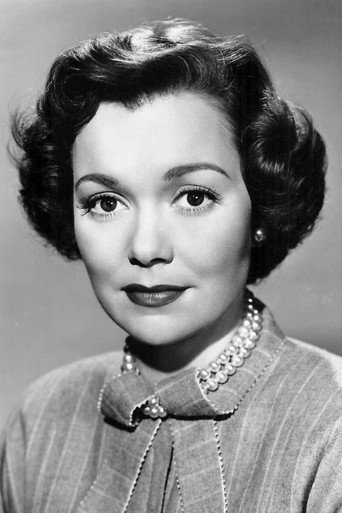 Jane WymanCary Scott
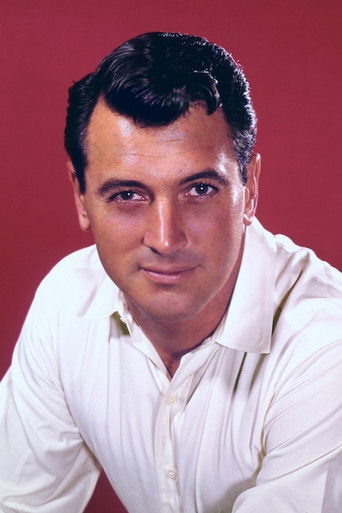 Rock HudsonRon Kirby
 Agnes MooreheadSara Warren
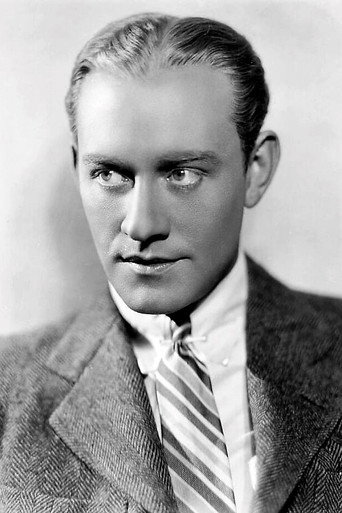 Conrad NagelHarvey
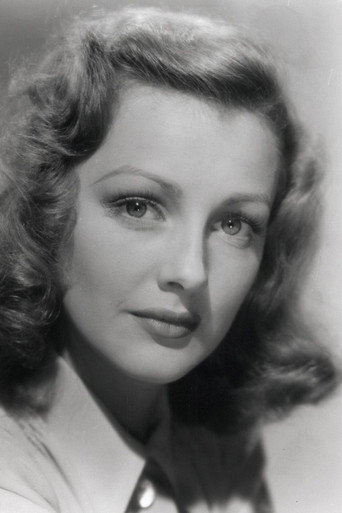 Virginia GreyAlida Anderson
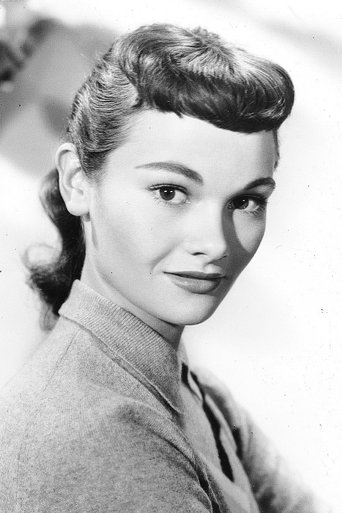 Gloria TalbottKay Scott
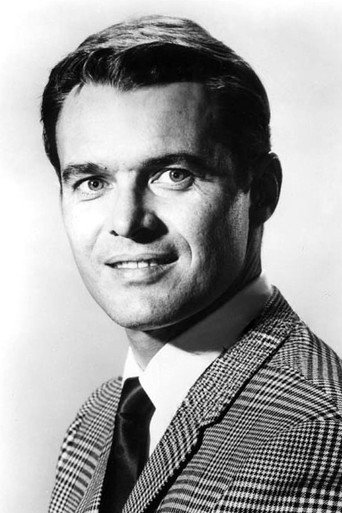 William ReynoldsNed Scott
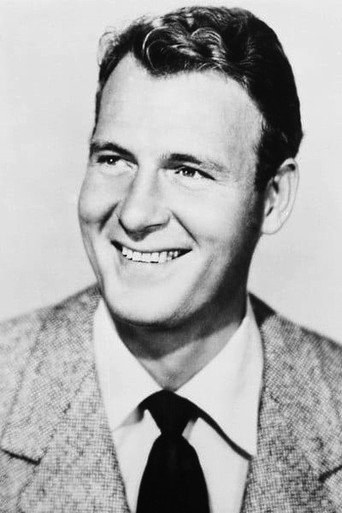 Charles DrakeMick Anderson
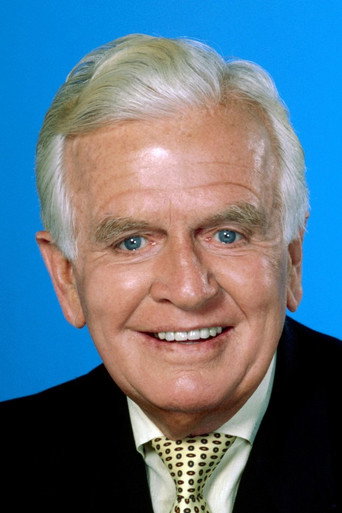 Hayden RorkeDr. Hennessy
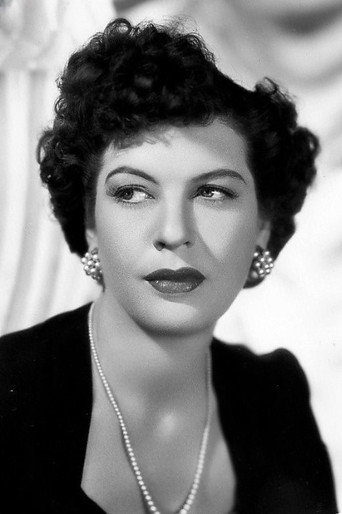 Jacqueline deWitMona Plash
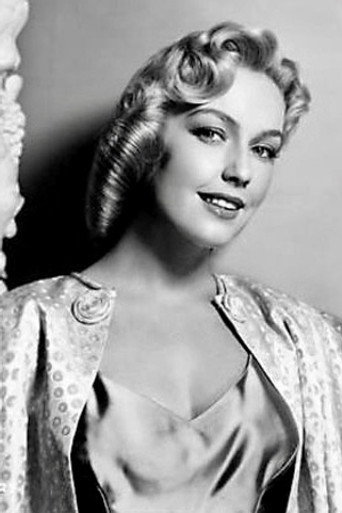 Leigh SnowdenJo-Ann Grisby
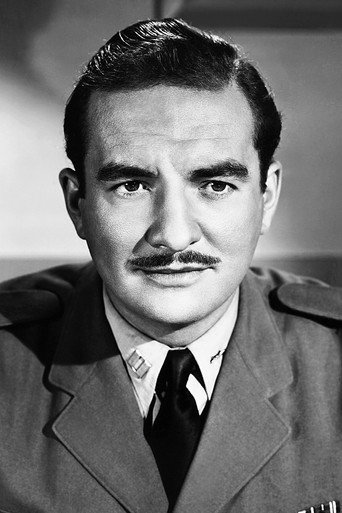 Donald CurtisHoward Hoffer
Directing
- Joseph E. KenneyAssistant Director
- Douglas SirkDirector
Writing
- Peggy ThompsonScreenplay
- Edna L. LeeStory
- Harry LeeStory
Production
- Ross HunterProducer
Recommended by
Imitation of Life, A Quiet Passion, Brief Encounter, Revolutionary Road, Written on the Wind, Little Children, Olive Kitteridge, Peyton Place, Far from Heaven, A Summer Place, Splendor in the Grass, Stella Dallas